
Pathogens MDPI
4.3K posts

@Pathogens_MDPI
Pathogens (IF 3.3) is an international, #openaccess journal of #pathogens and #pathogen-host interactions, published monthly online by @MDPIOpenAccess.


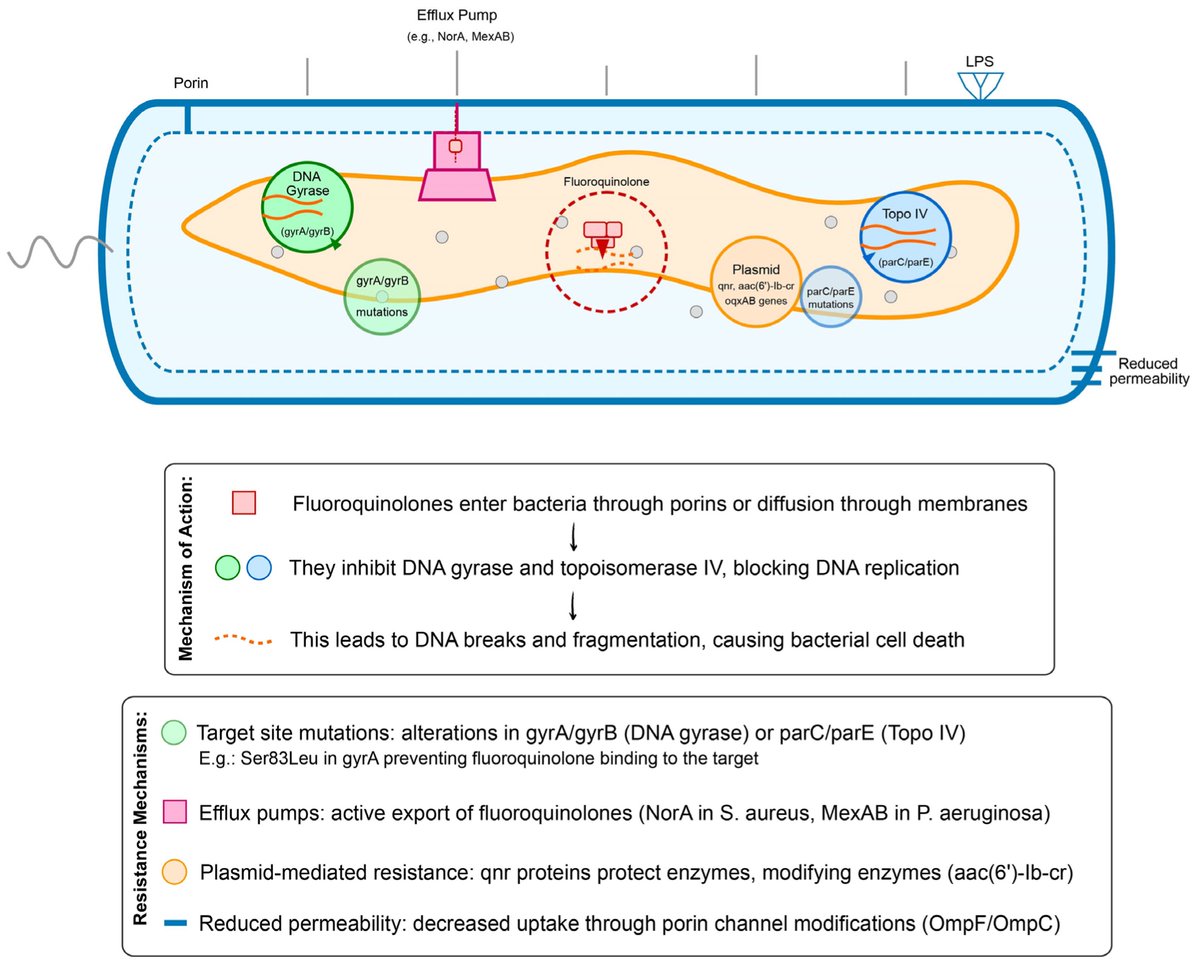
Dear friends, we have a cool paper that was published today, based on the work from our Microbiome Research Unit in the journal, Pathogens @Pathogens_MDPI mdpi.com/2076-0817/15/3… Here are 6 Key points in plain language [1] For the first time in India, the study mapped the hidden arsenal of antibiotic resistance genes (the "resistome") in the guts of sick cirrhosis patients using shotgun metagenomics, revealing a dense reservoir of resistance that standard culture-based tests would miss entirely. [2] The gut bacteria in sick Indian cirrhosis patients were dramatically altered, with harmful bacteria like Klebsiella, Enterococcus, and E. coli overtaking protective species — and this worsening tracks directly with how sick the patient was. [3] A specific quinolone antibiotic resistance gene, QnrB4, emerged as a potential prognostic marker — its presence was linked to mortality, ICU admission, acute-on-chronic liver failure and immune paralysis (low HLA-DR), suggesting it signals colonization by dangerous multidrug-resistant bacterial clones. [4] The carbapenemase antibiotic gene OXA-833 was specifically enriched in patients with GI bleeding, a novel finding suggesting that presence of blood in the intestines in bleeders may selectively promote carbapenem-resistant organisms, which has direct implications for antibiotic prophylaxis choices in bleeders. [5] The commensal Ligilactobacillus salivarius was paradoxically associated with elevated inflammatory cytokines (IL-6, IFN-gamma), challenging the assumption that all Lactobacillus species are beneficial and cautioning against indiscriminate probiotic use in decompensated cirrhosis. [6] The resistance gene burden wasn't just a bystander — it correlated directly with immune exhaustion, establishing a gut–resistome–immune axis where dense antimicorbial gene mutation carriage reflected bad bacterial colonization that actively drove the immune system into a state of paralysis. @arifhussaintm #medtwitter #liverx #meded #medicine #science