Patrick J Huston | IoT × Supply Chain × Security

134 posts

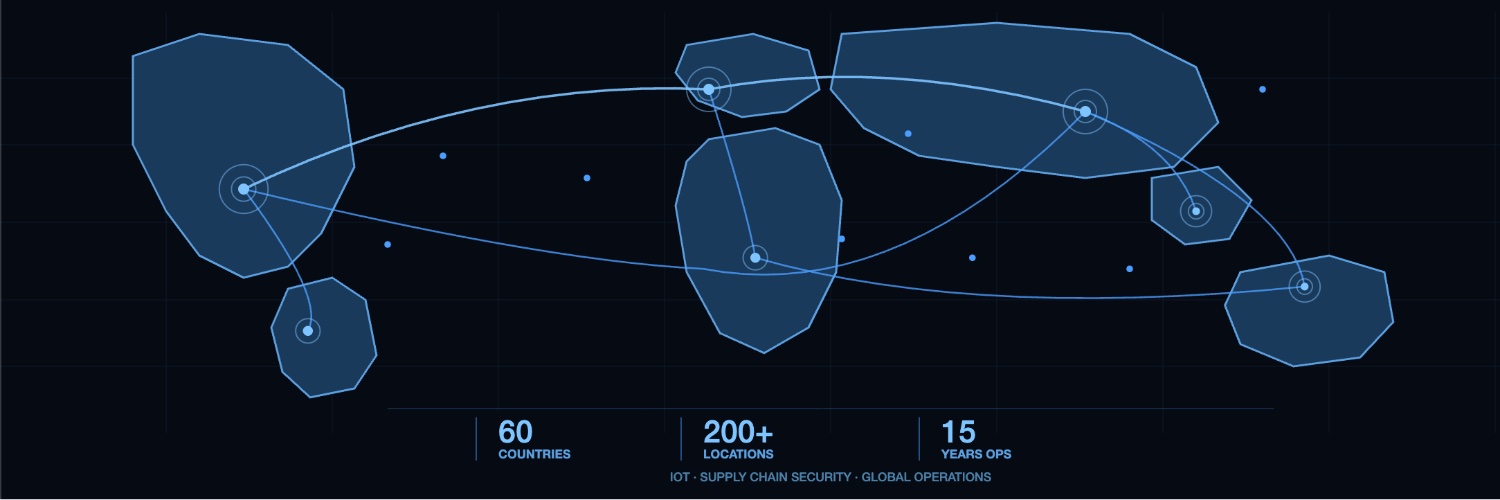
Patrick J Huston | IoT × Supply Chain × Security banner
Patrick J Huston | IoT × Supply Chain × Security

Patrick J Huston | IoT × Supply Chain × Security

@PatrickJHuston

| Visibility is not safety. Intelligence is. | Army Signals Intelligence → Global IoT Operations | Berkeley Haas

Silicon Valley Katılım Mart 2026
39 Takip Edilen15 Takipçiler
Sabitlenmiş Tweet
Patrick J Huston | IoT × Supply Chain × Security
Visibility is not safety. Intelligence is. The supply chain industry spent a decade and billions of dollars learning to see everything. It forgot to learn what to do about it. A thread on the most expensive mistake in modern logistics →
Patrick J Huston | IoT × Supply Chain × Security tweet media
English
1
0
2
318
Patrick J Huston | IoT × Supply Chain × Security
Studying executive strategy at Berkeley taught me something uncomfortable: most companies don't have a strategy problem. They have a translation problem. The vision exists. The KPIs exist. What's missing is the 90-day action that connects them. Goals without short-term execution milestones are just corporate poetry.
Patrick J Huston | IoT × Supply Chain × Security tweet media
English
0
0
1
26
Patrick J Huston | IoT × Supply Chain × Security retweetledi
2160
2160@rekt2160·
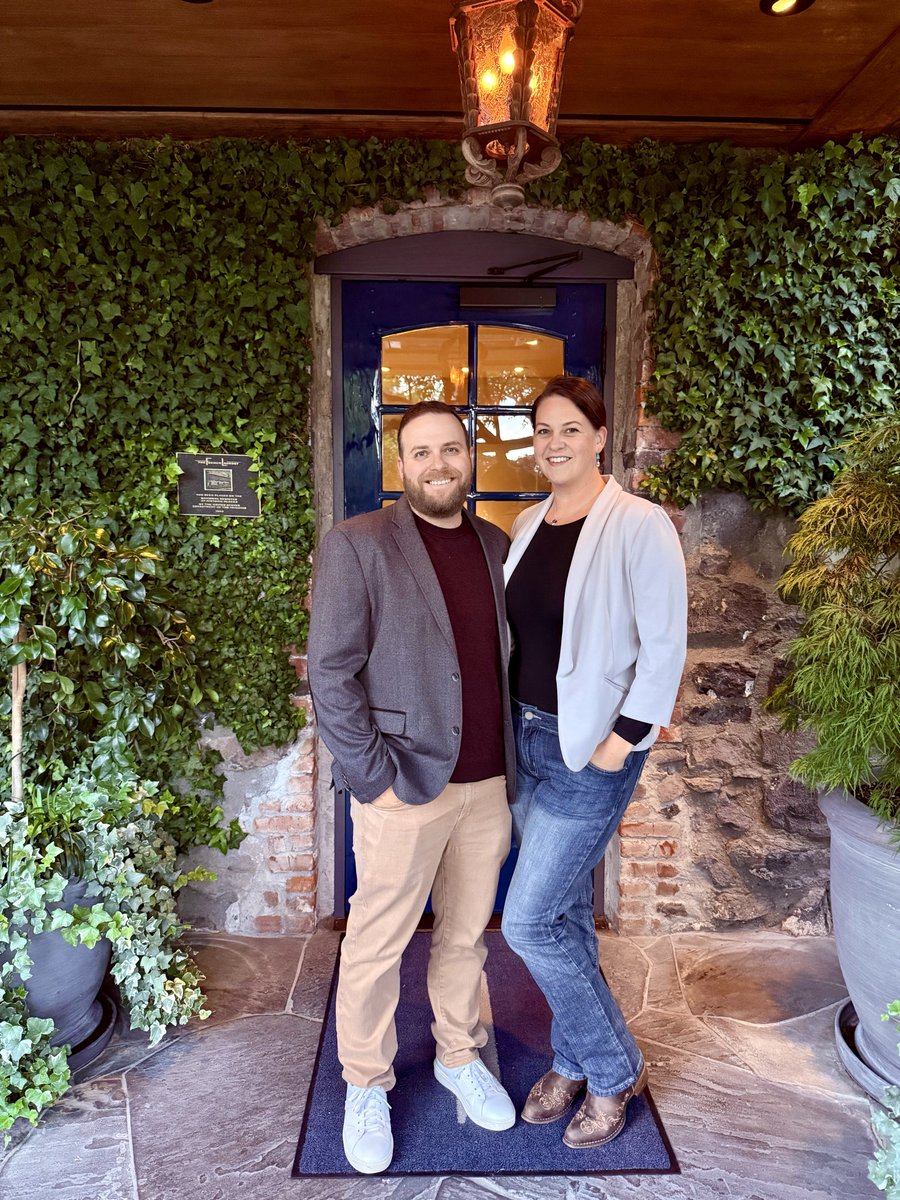
I’m a 90 year old man trapped in a 40 year old body. The beautiful @NFTMrsPeach took me to The French Laundry to celebrate the occasion. A truly once in a lifetime experience
2160 tweet media2160 tweet media
English
53
2
139
6.8K
Patrick J Huston | IoT × Supply Chain × Security
6.9% vacancy in refrigerated warehousing is a real estate story. The story underneath it is an operations story. When companies pre-position temperature-sensitive inventory across surplus facilities to hedge tariff risk, you get more product sitting in more locations with less visibility per site. Nobody's asking who's monitoring condition compliance across all that newly distributed inventory. The square footage is available. The intelligence layer isn't.
Benjamin Gordon 🇺🇸@benjaminhgordon

Cold storage vacancies have surged to a 20-year high of 6.9%. Smart cold chain leaders like @americold and Lineage Logistics will look for new sources of innovation, growth, and value creation. These could come in several forms, ranging from traditional (new customers) to creative (new services) to unconventional (corporate venture arms). Where do you see the biggest growth opportunities in cold chain?

English
1
0
1
96
Patrick J Huston | IoT × Supply Chain × Security
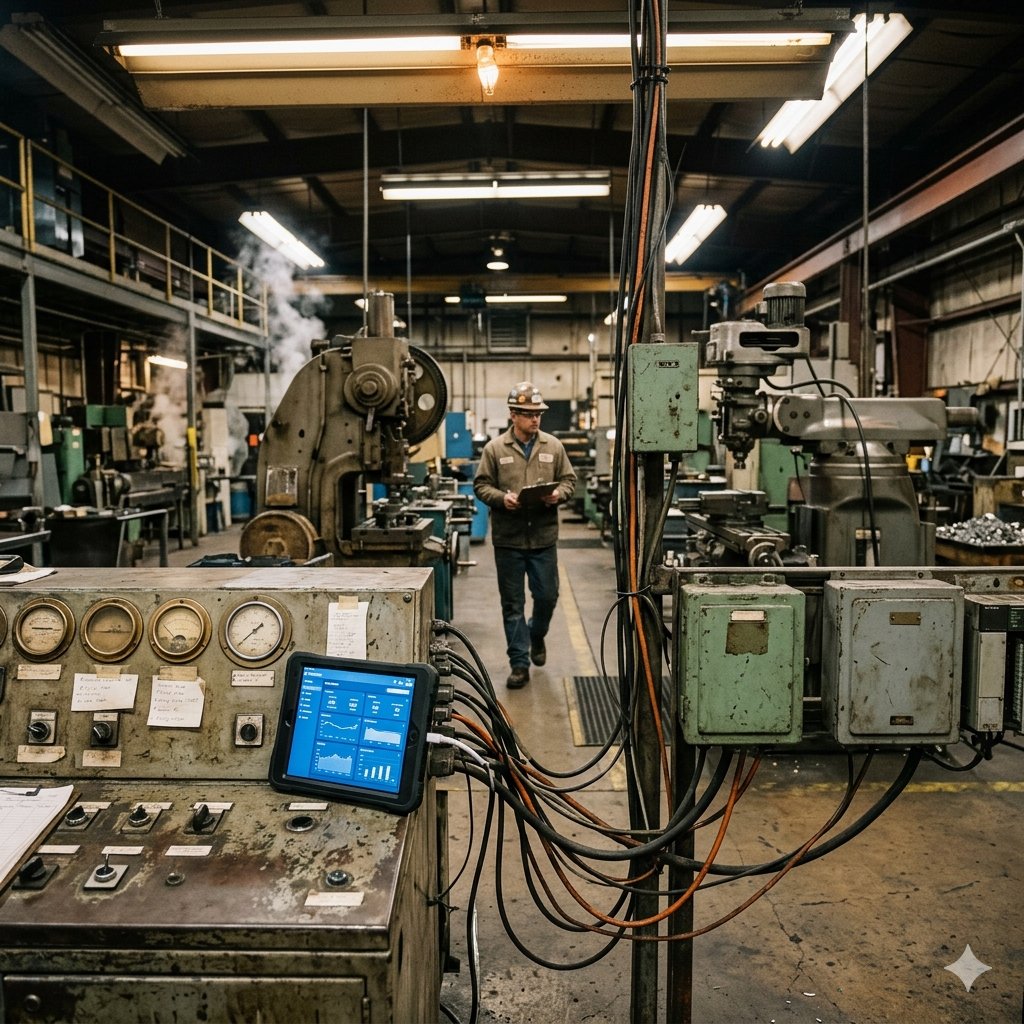
"Self-optimizing factories: 50% productivity gains with IoT + edge AI + robotics." Translation: those numbers come from greenfield showrooms built to prove the concept works. The other 90% of facilities are brownfield. Legacy PLCs that speak 4 different protocols. Sensors bolted onto equipment older than the engineers maintaining it. "Integration" means a guy with a clipboard walking between two systems that don't talk to each other. I've walked into 200+ facilities across 60 countries. The gap between the conference keynote and the loading dock is where most digital transformation projects go to die. The real innovation isn't the factory of the future. It's making intelligence work inside the factory of 1987.
Patrick J Huston | IoT × Supply Chain × Security tweet media
English
0
0
0
16
Patrick J Huston | IoT × Supply Chain × Security
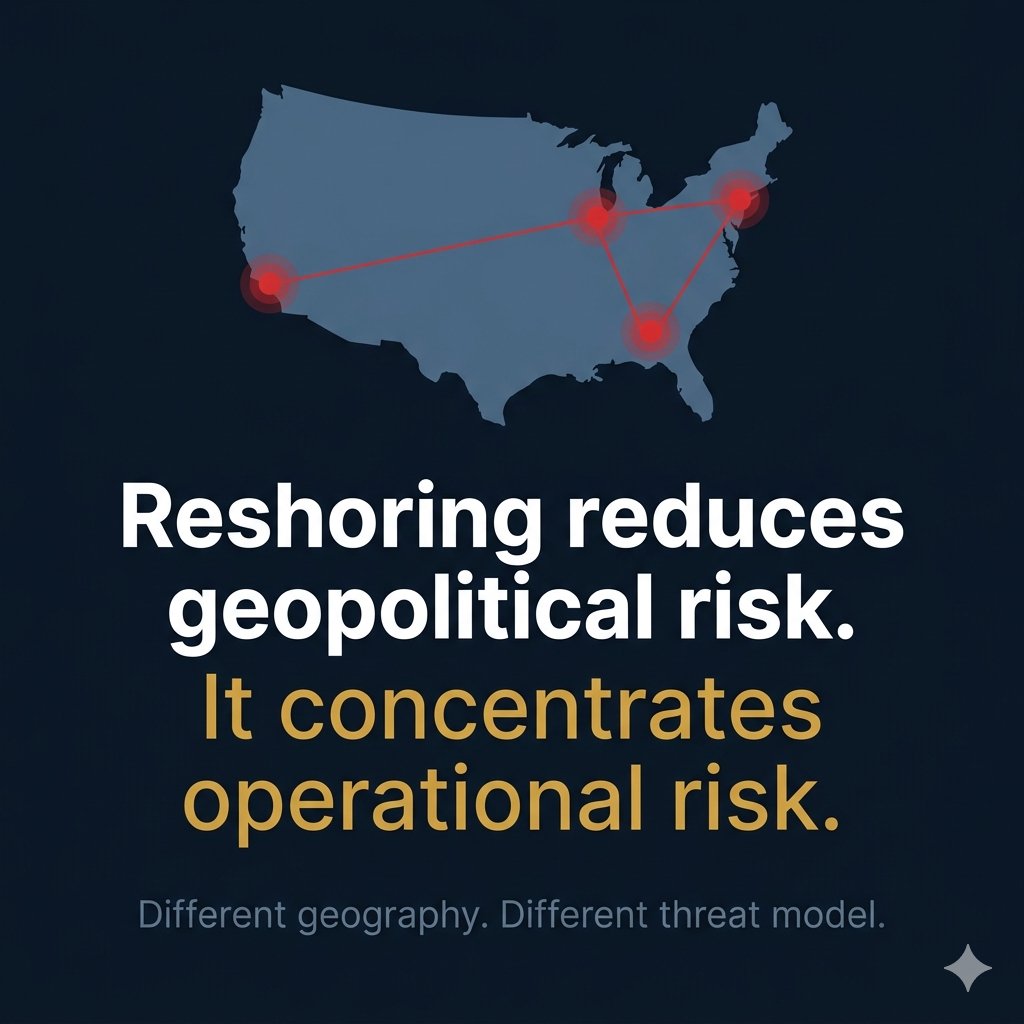
Unpopular opinion: reshoring doesn't reduce supply chain risk. It relocates it. Domestic supply chains have better surveillance. Shorter lead times. Familiar regulatory environments. They also concentrate operational risk into fewer nodes. One port backlog, one rail disruption, one labor action can cascade faster when you don't have geographic diversification absorbing the shock. I've watched companies exit Asia and move production stateside, then discover their new domestic network has 3 single points of failure they never had before. The threat model shifts. It doesn't disappear.
Patrick J Huston | IoT × Supply Chain × Security tweet media
English
0
0
0
15
Patrick J Huston | IoT × Supply Chain × Security
A distribution company ran into this wall so many times they built a tech company to fix it. The 3PL pre-sales process hasn't changed since the 90s. Sophisticated WMS inside, cold calls and outdated directories outside. The search tools are evolving faster than the 3PLs marketing through them. Same pattern in cargo: we invested billions in tracking what happens in transit. Almost nothing in verifying the carrier before the shipment moves. The unsexy discovery layers are where the real gaps live.
Martijn Graat@LogisticsMatter

Walk into any modern warehouse: impressive tech, slick operations. Now try finding that warehouse as a shipper: cold calls, outdated directories, gut feel. The internal machinery of logistics is miles ahead of how it gets bought and sold. New episode 👇 buff.ly/nAPWgfM

English
0
0
0
31
Patrick J Huston | IoT × Supply Chain × Security
@antgrasso The same logic applies to cargo. Every shipment already carries ownership, handling rules, and custody transfers across networks. The difference is most of that information still lives in PDFs and phone calls instead of programmable infrastructure.
English
0
0
1
21
Antonio Grasso
Antonio Grasso@antgrasso·
Tokenization turns assets into programmable units carrying ownership and rules across networks. Markets open to smaller tickets and new investors, so operations move with fewer intermediaries and clearer audit trails, pushing firms to adapt capital flows. Microblog @antgrasso
Antonio Grasso tweet media
English
5
50
82
4K
Patrick J Huston | IoT × Supply Chain × Security
@OFOEAC What percentage of containers actually get any physical inspection before clearing? K9 teams are effective but the math doesn't scale to volume. That's where sensor-layer screening starts to matter.
English
0
0
0
15
Executive Asst. Commissioner Diane J. Sabatino
From aircraft to cargo containers, CBP K9 teams detect narcotics, currency, and other contraband across air and maritime environments. Trained, certified, and mission-ready to support officers wherever they’re deployed. #OFOproud🇺🇸
English
3
13
68
1K
Patrick J Huston | IoT × Supply Chain × Security
@RTSG_News How many warehouses are one disgruntled worker away from total inventory loss? Most facilities invest heavily in external security but almost nothing in the retention and wellbeing signals that prevent threats from inside.
English
0
0
0
14
RTSG News
RTSG News@RTSG_News·
🚨🇺🇸 BREAKING: A worker in Ontario, California sets his company’s warehouse on fire and posts message for CEO. "There goes your inventory. All you had to do was pay us enough to fucking live." Follow: @RTSG_News
English
24
100
565
10.8K
Patrick J Huston | IoT × Supply Chain × Security
Everyone's building AI agents. Nobody's building the leaders who orchestrate them. The CSO of 2027 won't just manage supply chains. They'll orchestrate fleets of AI agents alongside human teams.
Patrick J Huston | IoT × Supply Chain × Security tweet media
English
0
0
0
21
Patrick J Huston | IoT × Supply Chain × Security
@GXOLogistics Luxury is where this gets tested first because one missed condition event kills brand perception immediately. The shift from automating tasks to orchestrating decisions only works when the sensor data is live, not lagging half a day behind the shipment.
English
0
0
0
11
GXO
GXO@GXOLogistics·
AI is changing the game in luxury supply chains, not just with automation, but through clever orchestration that makes everything work together smoothly. Luxury brands can’t afford to drop their quality standards or let the customer experience slip. Still, they have to deliver the availability and consistency today’s shoppers expect, and that’s no easy feat! Together with Vogue Business, our team unpacked what this means in practice: 🔹How logistics leaders are using AI to balance precision, scale, and sustainability 🔹Where many luxury supply chains are falling short on AI readiness 🔹How AI orchestration can protect availability across omnichannel luxury networks GXO’s Chief Technology Officer, Nizar Trigui, shared his insights in the report, which shines a light on how #AI is becoming increasingly important for #luxurylogistics. gxo.com/news_article/h…
GXO tweet media
English
1
0
4
105
DC Velocity
DC Velocity@DCVelocity·
With petroleum markets disrupted by the Iran War, global airfreight pricing continued to rise in the last week of March, indicating that the price of jet fuel is replacing capacity constraints as the driver of upward rate momentum. dcvelocity.com/transportation…
English
1
0
1
106
Patrick J Huston | IoT × Supply Chain × Security
George nailed the honest version of this. The show floor says resource-agnostic, the deployment floor says "which provider dropped coverage at the port gate again." Cargo IoT lives in that gap every day. Your sensor doesn't care if it's on cellular or satellite, but the operations team cares a lot when connectivity dies mid-ocean and the data goes stale for 11 days. Resource-agnostic is the right destination. We're just not close yet.
English
0
0
0
11
Patrick J Huston | IoT × Supply Chain × Security
The "invisible core collector" framing is the right one. Alex's stat stuck with me too: only about 50% of carriers can be auto-onboarded. That other 50% is where network quality actually gets decided. TMS as the brain, visibility as the eyes and ears. I'd add the network still needs a nose. Something that smells a problem before the shipment moves.
English
0
0
1
26
Patrick J Huston | IoT × Supply Chain × Security
Cargo theft losses hit $725 million in 2025. Up 60% in a single year. Average value per theft: $273,990. But the real shift isn't in the numbers. A quarter of fleet professionals now say their biggest threat isn't physical. It's strategic. Fictitious pickups. Falsified paperwork. Identity fraud at the carrier level. The threat evolved from smash-and-grab to supply chain infiltration. You don't solve infiltration with locks and cameras. You solve it with intelligence: identity verification, behavioral pattern detection, and handoff integrity at every node. carriermanagement.com/news/2026/01/2…
English
1
0
0
38
Patrick J Huston | IoT × Supply Chain × Security
The IoT patching gap is where this hits supply chain hardest. We have sensors on cargo that can't be updated, legacy warehouse controllers with no security team, and now AI-generated microservices layered on top. Your Unknown No. 3 is our daily reality. Self-healing networks sound great until half your fleet runs firmware from 2019.
English
0
0
0
90
Patrick J Huston | IoT × Supply Chain × Security
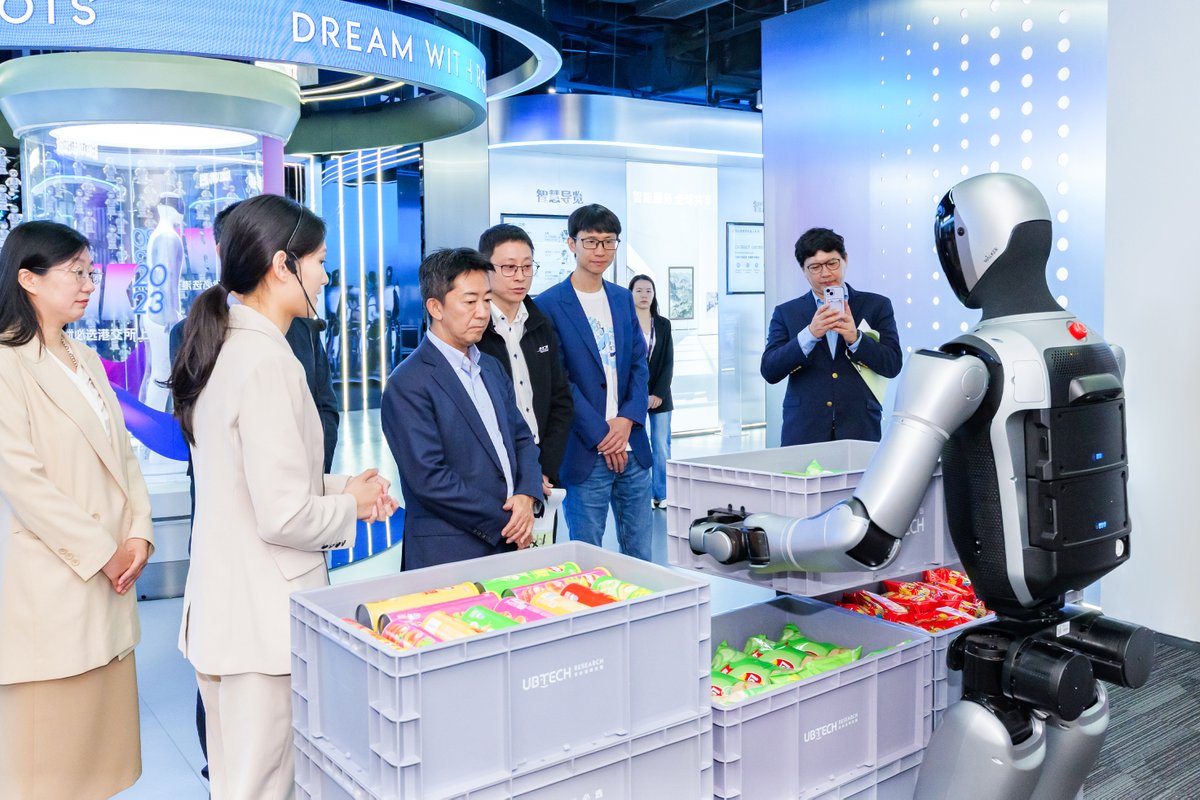
The $20K unit cost target is the visible metric. The harder problem is the intelligence layer underneath. A Walker-series robot moving automotive parts across global chains needs real-time lane data: right part, right condition, right handoff. Getting the robot cheap is an engineering problem. Getting the data clean enough to trust it is an operations problem.
English
0
0
0
34
Humanoids daily
Humanoids daily@humanoidsdaily·
Humanoids are heading to the assembly line at Honda. 🤖 @UBTECHRobotics and Honda Trading have signed a strategic agreement to pilot Walker-series robots and autonomous logistics across global automotive supply chains. After a breakout 2025 where full-size humanoids became the company's largest revenue driver, UBTECH is doubling down on "physical AI" for the factory floor. With a long-term goal of driving unit costs below $20,000, the partnership marks a major step in moving humanoid labor from pilot programs to mass-scale industrial utility.
Humanoids daily tweet media
English
3
6
39
3.8K
Patrick J Huston | IoT × Supply Chain × Security
The speed point is what most people miss. While one company waits for tariff clarity, a competitor is already locking in a second supplier and securing terms. By the time conditions are clear, the advantage is gone. Procurement built for control in a stable environment becomes the bottleneck in a volatile one.
English
0
0
0
14
Patrick J Huston | IoT × Supply Chain × Security
The Gartner stat in here is the one that matters: GenAI saves individual SC workers 4 hours/week, but at the team level it shrinks to 1.5 hours with no improvement in output quality. The gains evaporate at scale. That's not a technology problem. That's a workflow architecture problem.
English
0
0
0
20
SCMR
SCMR@SCMR·
AI in supply chains is shifting from pilot programs to measurable P&L impact, with success determined by execution, data readiness, and operational integration rather than technology alone. scmr.com/article/ai-in-…
SCMR tweet media
English
1
1
5
153