Hi All,
I’ve been quiet recently, because I’ve been heads down building. Introducing Confident Pose - the first posture monitor with Muscle-Sensing Tech 💪that ensures you are activating the muscles to support your spine.
Returning from X hiatus - I'm hiring for my team for three roles
- Product Designer (2-3 Years)
- Product Design Intern x 2
- Marketing Associate (0-1 Years)
Remote roles based out of India. JD and the rest of the details are here - drive.google.com/drive/folders/…
I am so proud of what we built, and what we say on public record.
Hopefully people will understand that what it takes to build such a strong culture. I hope that this clarifies many assumptions and allegations about @nadiemmakarim
Google's posted a blog on similar lines.
#gojek4life@gojekindonesiagotocompany.com/en/news/press/…
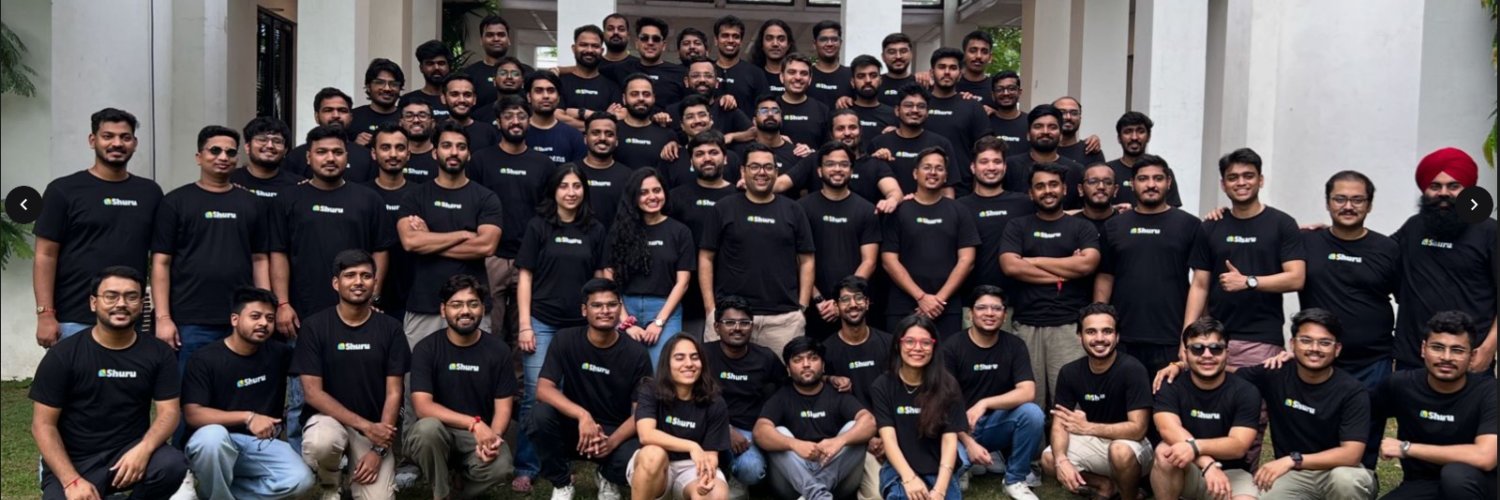
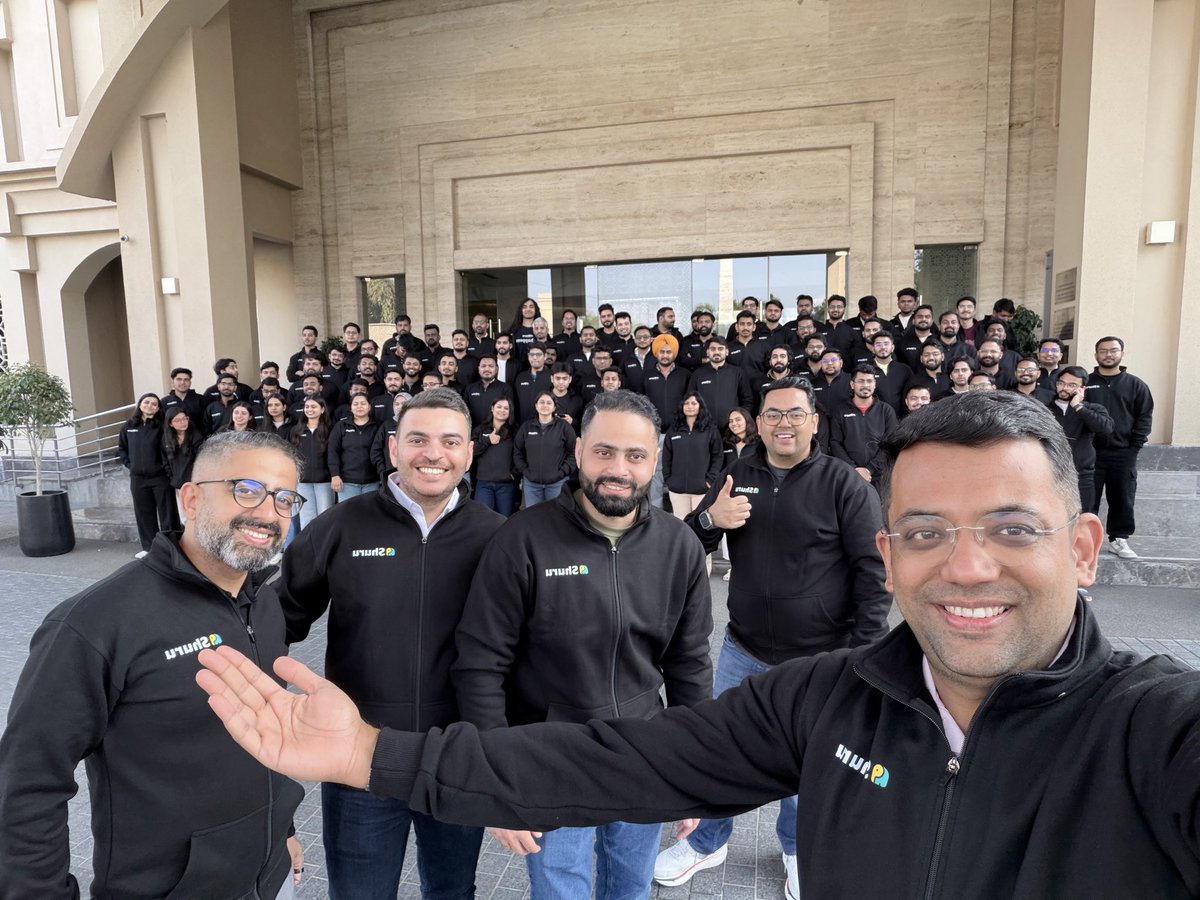
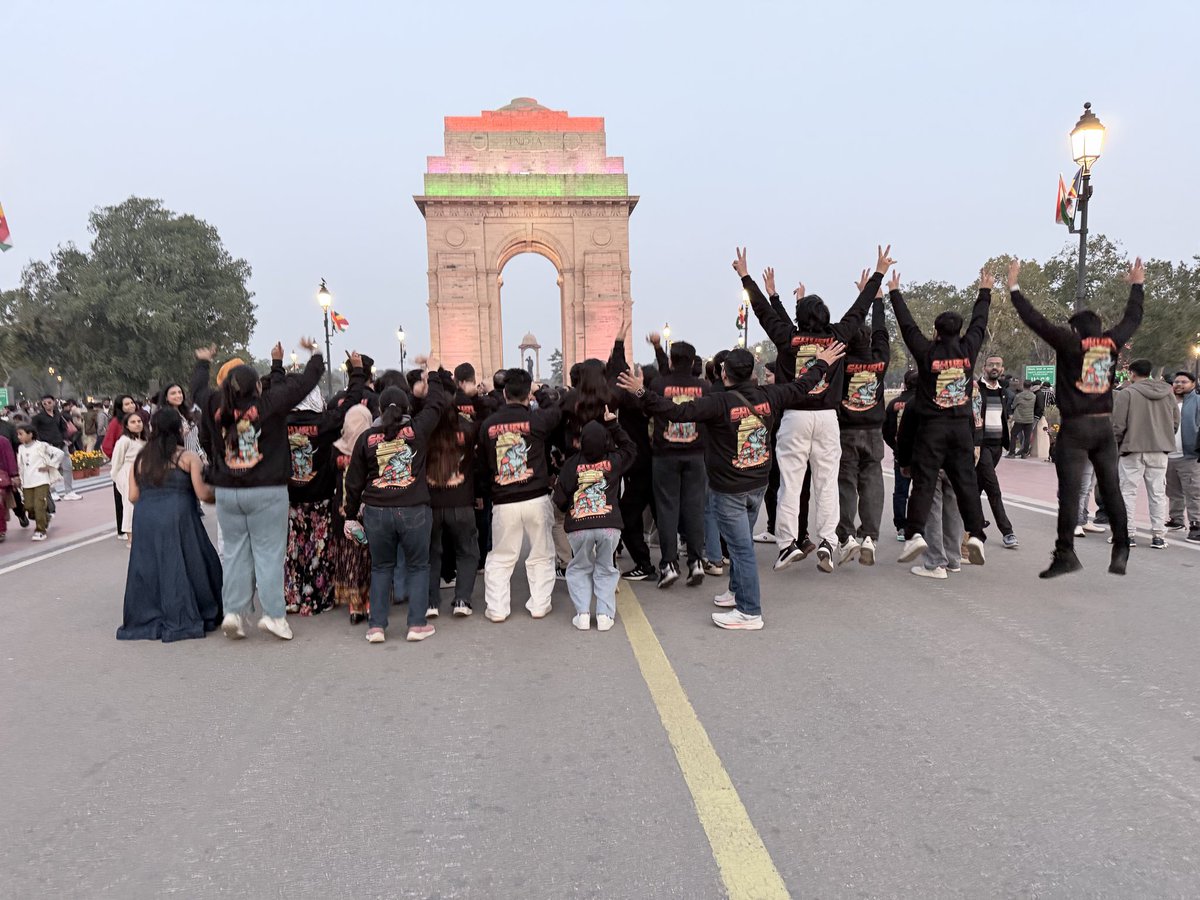
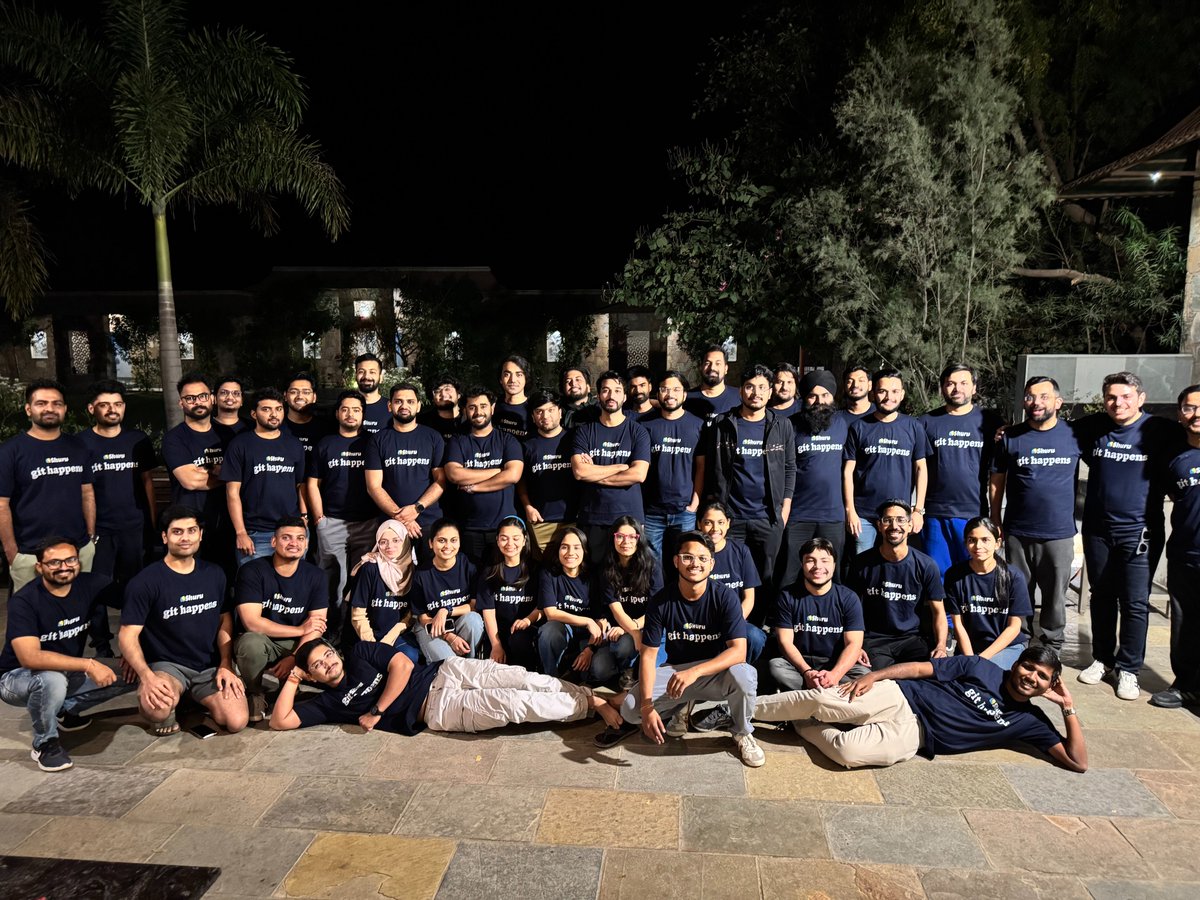
Been rarely active here lately. Have been in trenches building this solid team of AI Native engineers helping startups and enterprises across the world. Extremely grateful for this bunch and excited for the future. Here are some pics from our recent team outing. #IamShuru
Back to the grind! 💪
Hi good friend of twitter, I’ll be in Bay Area next week for work and would love to meet.
If you’re building tech, startups or engineering and product teams we would have a lot to chat about.
So DM please. And repost too. See ya!👋
Most product feedback sucks. It's an immediate gut reaction: "Ooh, I love this!" or "Meh."
Want to get better at actually giving useful, actionable product feedback? Run yourself through these 7 questions.
1) What is the user journey to get here?
You can’t furnish a room if you don’t know how someone lives.
So learn the context: Who is the user? When do they use this product? Why? How did they arrive here, and what's on their mind?
Don't critique unless you know this.
2) What do we want users to feel and achieve here?
“If you don’t know where you’re going, you’ll end up someplace else.”
Let’s understand what a successful outcome looks like before we start lobbing feedback about the design.
3) How important is this page/experience?
In a perfect world, we make everything perfect.
In the real world, let's spend more collective energy on the stuff that really matters. More eyeballs? More high-stakes? = more thorough inspection of every detail.
4) What is our scope/timeline/team?
If speed is critical, let’s get the greatest bang for the least effort. If we have more time and people, then let's remove constraints (#7) and dream bigger. The "best" design differs according to the time/people/money you have.
5) For every proposed design change, am I confident it is better that what currently exists?
If no:
a) cut it
b) iterate on / improve the design
c) get more user feedback
d) A/B test it
6) What can we remove from this experience and have it work just as well?
When faced with a problem, we bias toward adding stuff to solve it rather than removing. So gut check if it's necessary.
7) If we could throw all our constraints away, would we still design it like this?
While we can't typically throw all constraints away (see #4), it's still worthwhile to ask because we accept some things as constraints (due to legacy, etc) when they really aren't.
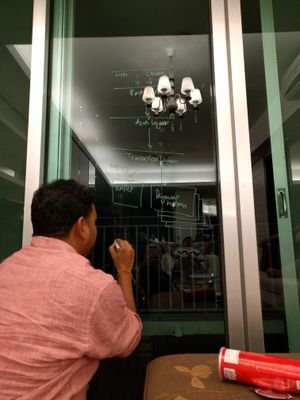
As a software engineer, it's very important to learn about Gall’s Law, which states that complex systems cannot be created successfully from scratch.
In reality, even large systems, such as Netflix, Google, or Facebook, have started small and built incrementally over the course of decades.