Harry Perkins Institute

1.6K posts

Harry Perkins Institute banner
Harry Perkins Institute

Harry Perkins Institute

@PerkinsComms

Harry Perkins Institute of Medical Research conducts innovative research into diseases that most affect the WA community. #PerkinsInstitute

Perth, Western Australia Katılım Kasım 2011
271 Takip Edilen1.8K Takipçiler
Harry Perkins Institute
Harry Perkins Institute@PerkinsComms·
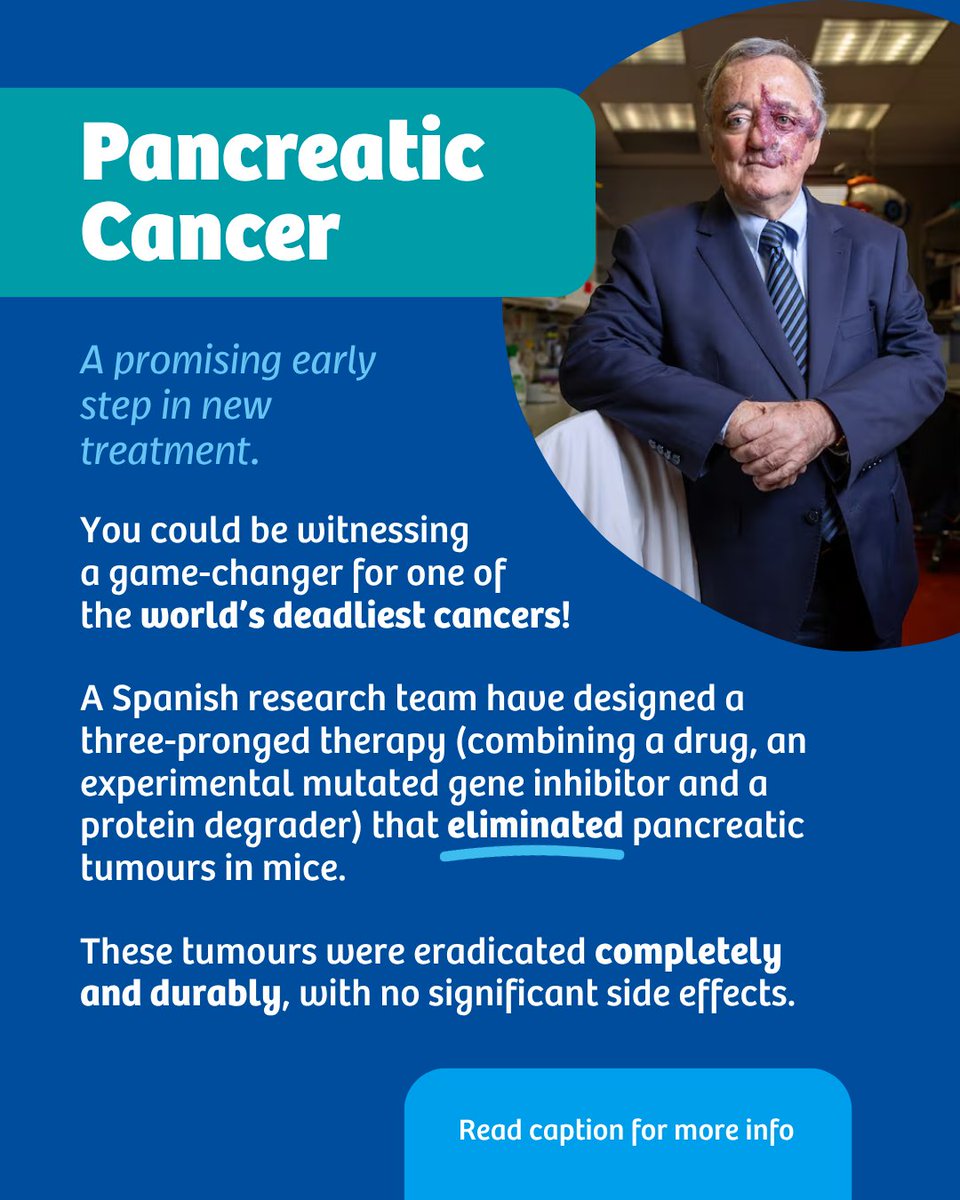
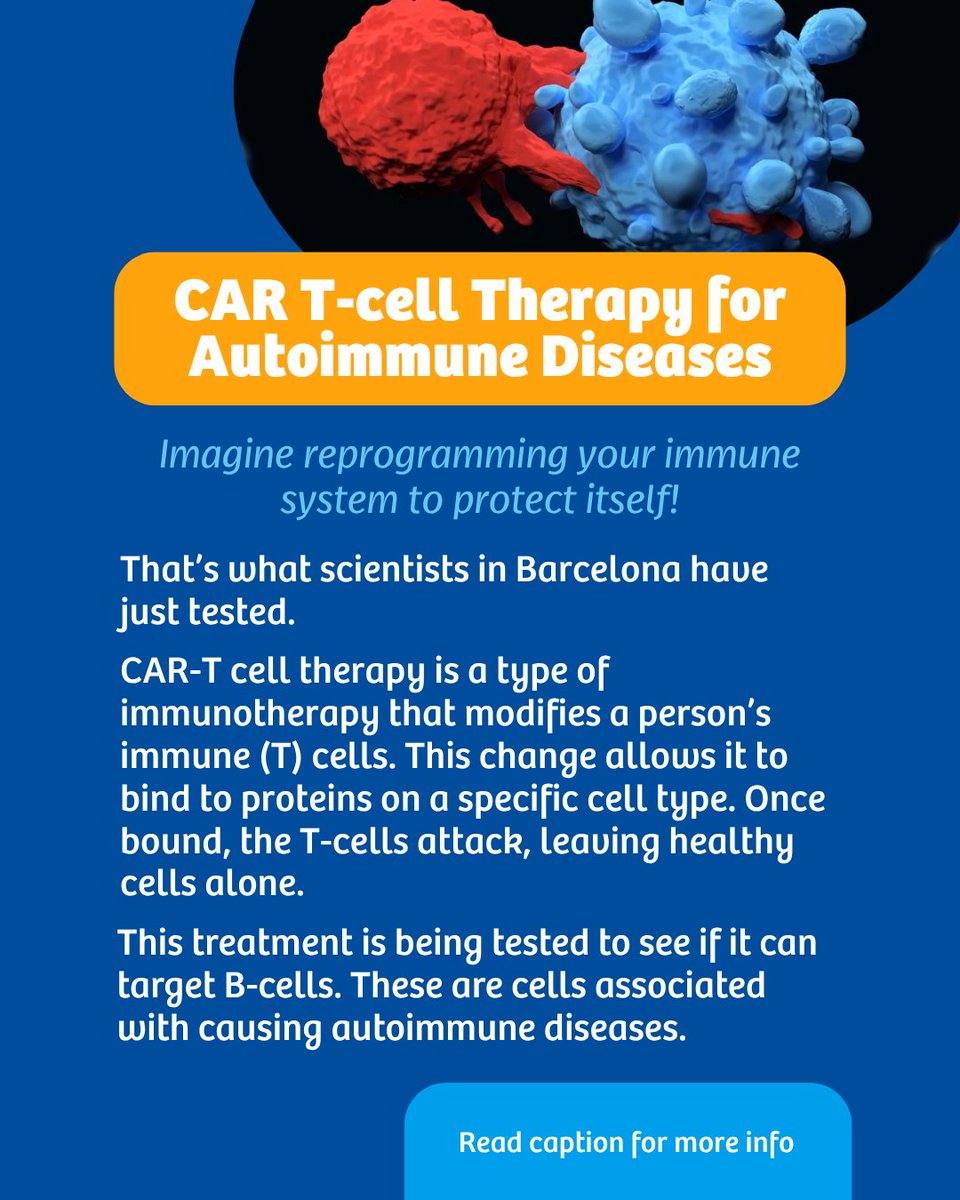
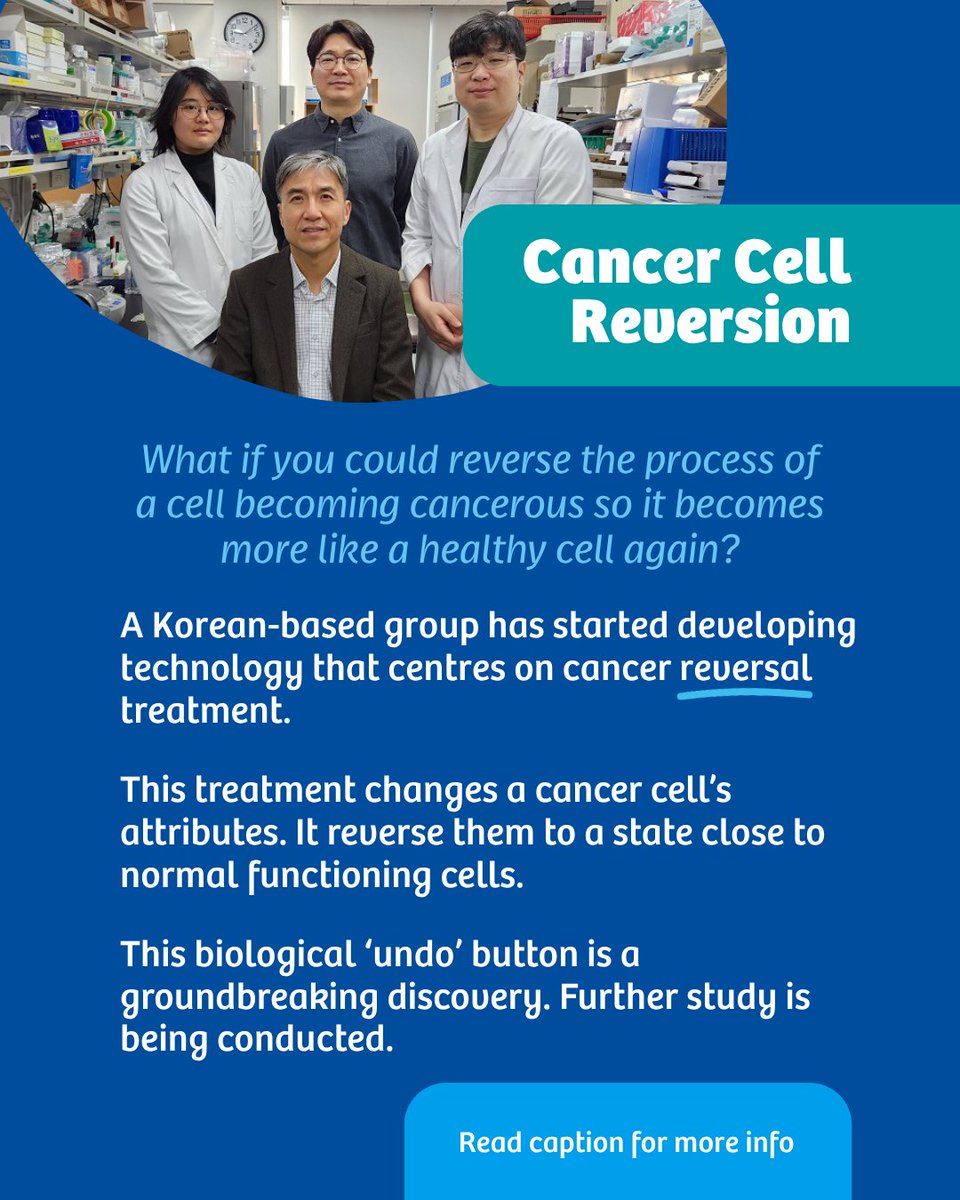
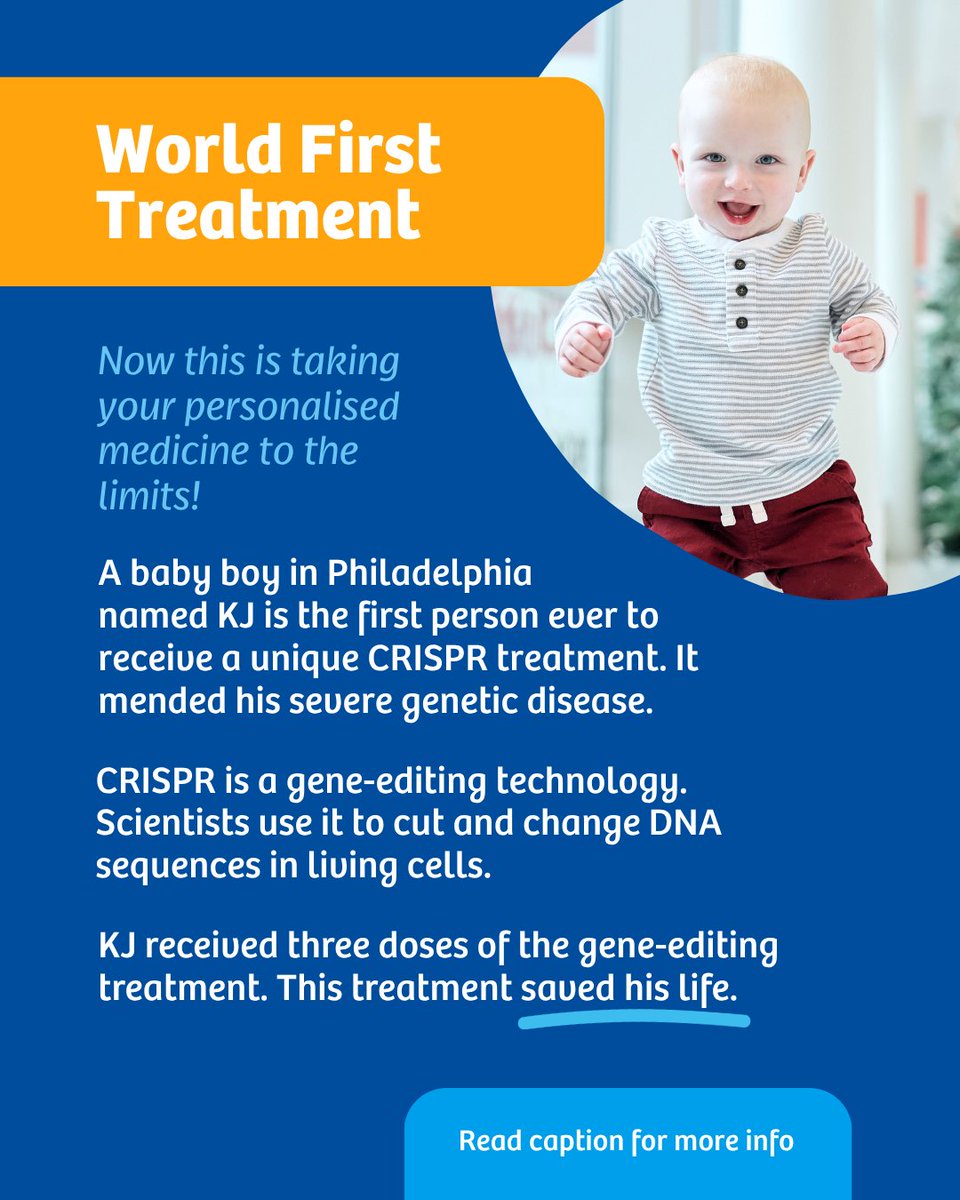
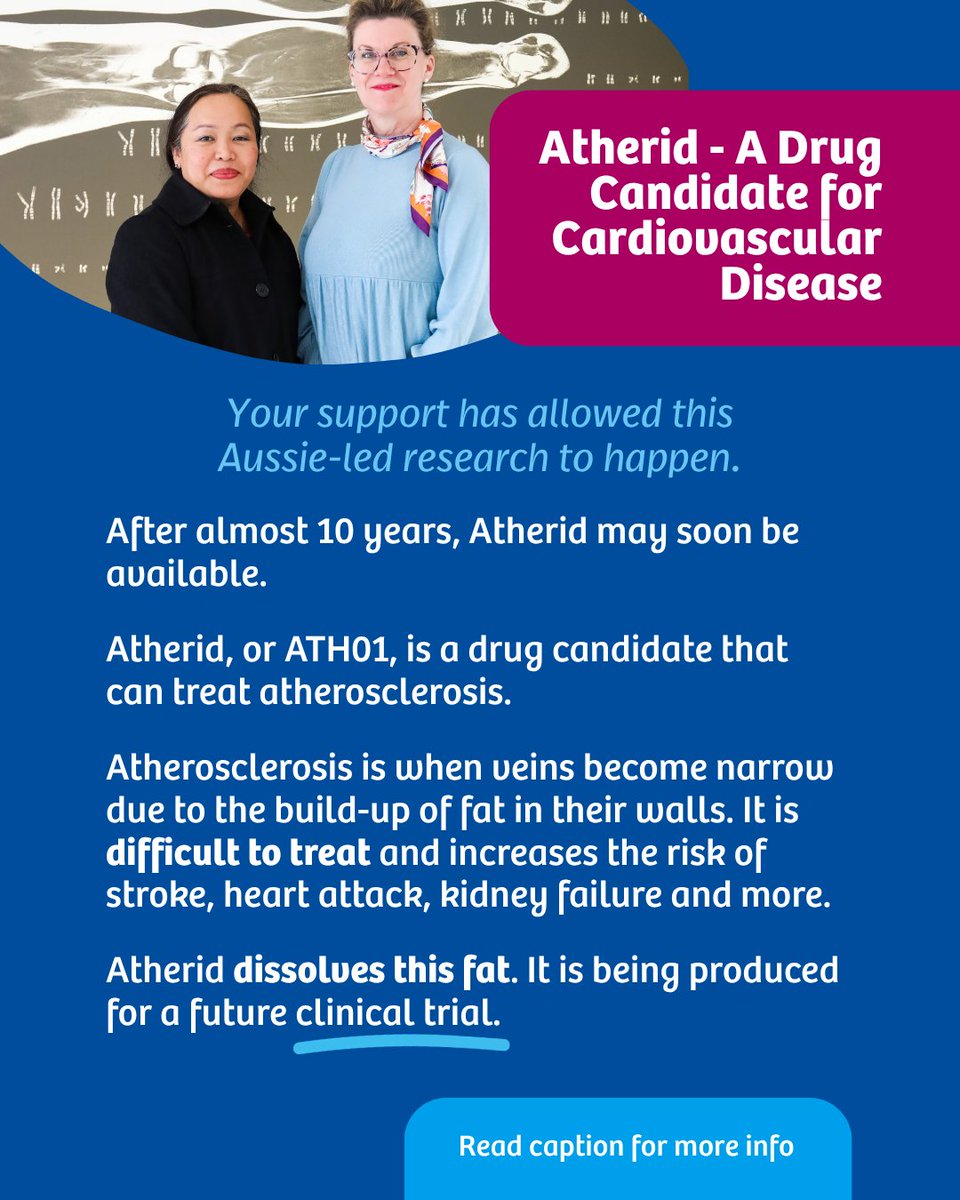
Because of you, these research discoveries could change lives forever. Here are five feel-good medical research breakthroughs to inspire you. Which one are you most excited about? Tell us below! 👇 (1/3)
Harry Perkins Institute tweet mediaHarry Perkins Institute tweet mediaHarry Perkins Institute tweet mediaHarry Perkins Institute tweet media
English
1
0
0
3
Harry Perkins Institute
Harry Perkins Institute@PerkinsComms·
@argosaki Please note that this research is still in the preclinical, laboratory phase. It will require several more years of rigorous study and regulatory approvals before clinical trials in humans can begin. Stay up to date on this breakthrough by following our socials. 💙🐝 2/2
English
0
0
0
20
Harry Perkins Institute
Harry Perkins Institute@PerkinsComms·
@argosaki Thank you for spotlighting the incredible research being done by the researchers here at the Perkins. For those curious, to further this promising work without harming bee populations, the team synthesised melittin and began refining it in the lab. 1/2
English
1
0
0
21
GP Q
GP Q@argosaki·
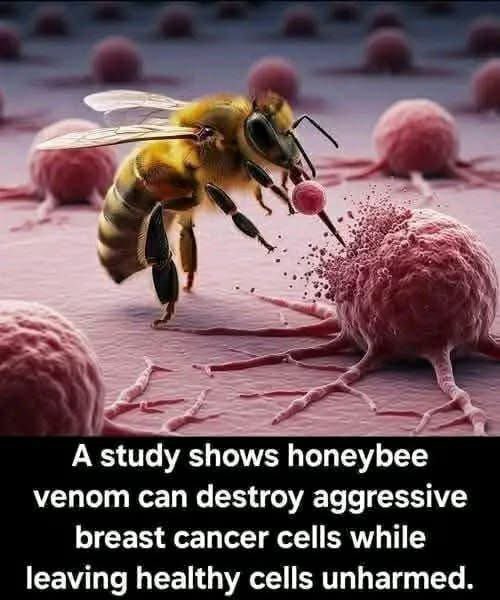
Honeybee venom found to kill aggressive breast cancer cells. Research indicates that melittin, a compound found in honey bee venom, has potential anticancer effects by selectively targeting and destroying cancer cells while sparing healthy cells. It works by disrupting cell membranes and interfering with cancer cell growth pathways. Further studies are needed to determine its safety and efficacy as a potential cancer treatment. Read More👇👇 Recipe incridiblerecipes.tafatohe.com/?s=Honeybee+Ve…
GP Q tweet media
English
6
91
254
13.3K
Stefan Moore ★
Stefan Moore ★@2StefanMoore·
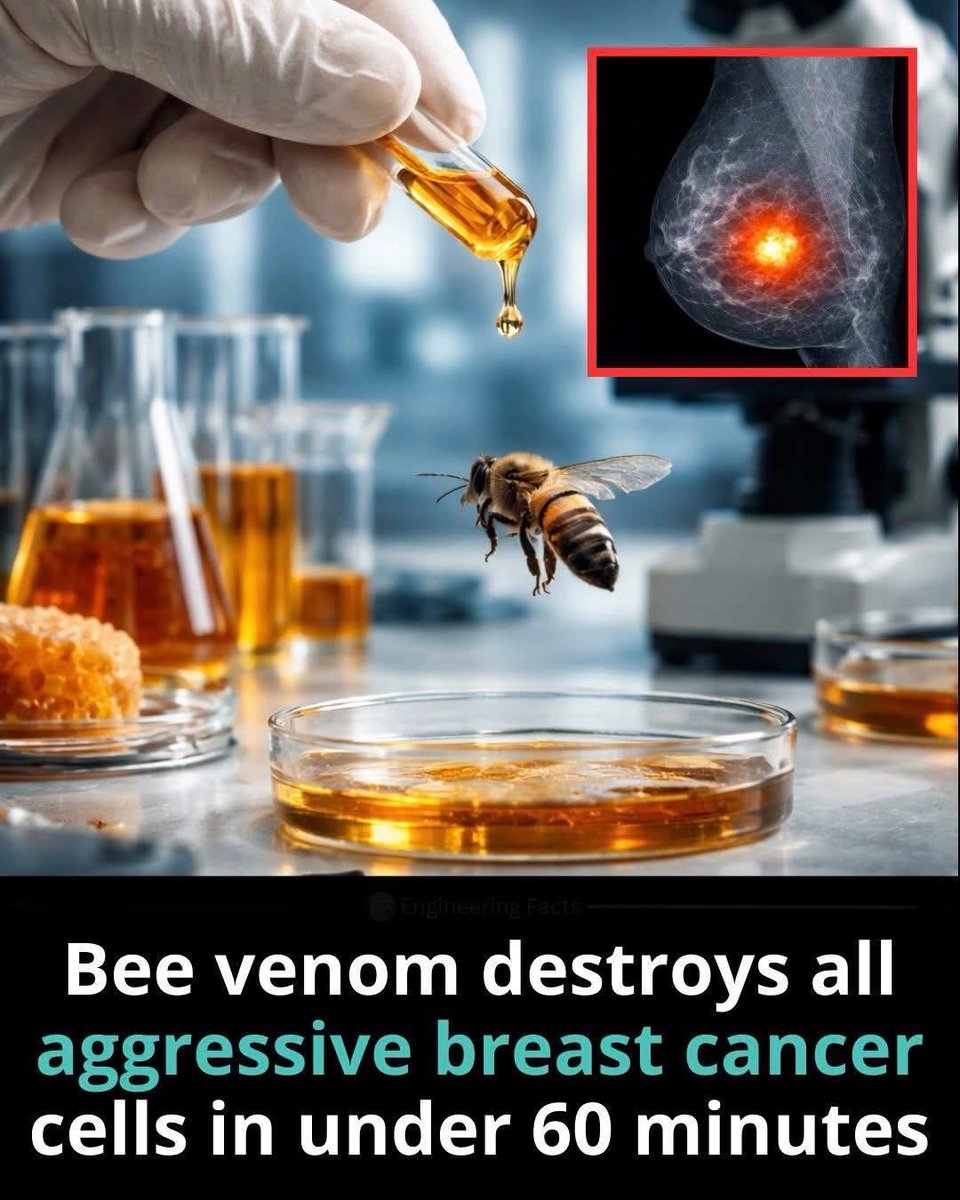
Researchers from the Harry Perkins Institute of Medical Research found that melittin, the main active compound in bee venom, rapidly killed aggressive #BreastCancer cells in laboratory experiments. In controlled lab tests, melittin destroyed the membranes of cancer cells, especially triple negative & HER2 enriched subtypes within roughly 60 minutes, while causing significantly less damage to normal, healthy cells. Unlike many conventional cancer drugs that target cell division over time, melittin works by physically disrupting the cancer cell membrane & quickly blocking key growth signals. The researchers emphasize that these results come from early stage lab studies, not human clinical trials, so bee venom or melittin is not currently a treatment for breast cancer patients. Still, the selective & fast acting nature of melittin has generated interest as a potential foundation for developing more precise, less toxic #cancer therapies in the future.
Stefan Moore ★ tweet media
English
5
18
52
1.4K
Harry Perkins Institute
Harry Perkins Institute@PerkinsComms·
Read her full accolades and learn more about the life-saving work she is researching with A/Prof Juliana Hamzah to clear plaque and lipids from artery walls, a world-first treatment, here: perkins.org.au/professor-shir…
English
0
0
0
88
Harry Perkins Institute
Harry Perkins Institute@PerkinsComms·
A HUGE congrats to Prof Shirley Jansen *AM* who this week was appointed a Member of the order of Australia (AM) for her significant service to vascular surgery as a clinician and researcher. Help us congratulate Prof Shirley Jansen AM by leaving a comment below!
Harry Perkins Institute tweet media
English
1
0
0
75
Harry Perkins Institute
Harry Perkins Institute@PerkinsComms·
Thank you @BenchSideStory for your recent chat with Emeritus Professor Grant Morahan!
Bench Side Story@BenchSideStory

SYSTEMS GENETICS TO DETERMINE RISK OF DEVELOPING DIABETES COMPLICATIONS Emeritus Professor Grant Morahan, Professor of Diabetes Research, University of Western Australia Centre for Medical Research @uwanews (affiliated with the Harry Perkins Institute of Medical Research @PerkinsComms), Perth, Australia & Honorary Professor, Baker Department of Cardiometabolic Health, University of Melbourne @UniMelb , Australia RESEARCHER PROFILE Filmed in Perth, Australia | December 2025 Professor Morahan invented the term “Systems Genetics” for the science field that examines how genetic variants can affect whole networks of genes and whole systems; there are now several laboratories and institutes of systems genetics around the world. He also developed the next-generation genetic resource, The Gene Mine, the most powerful of its type in the world, used globally in rapid mapping and identification of genes. Collaborators nationally and internationally have tested The Gene Mine for traits and diseases in which they specialise. As a member of the Steering Committee of the Type 1 Diabetes Genetics Consortium, he worked to design the global study recruiting and characterising T1D genetics, which resulted in identification of over 40 T1D risk genes. The culmination of this program, for which Prof Morahan was PI of the Asia-Pacific Network, was published in Nature Genetics (41:703-707) and has been cited 1579 times. Currently, he is a member of the Steering Committee of the Environmental Determinants of Islet Autoimmunity (ENDIA) Study, the only study in the world investigating T1D families to follow at-risk babies from pregnancy through childhood. Completing recruitment in 2020, the study already has 40 publications. His latest discovery involves next-generation algorithms that are able to predict whether a person will be genetically high/low risk of developing a number of complex genetic diseases. Professor Morahan is working toward commercialising these genetic tests so they can benefit the public and the healthcare system. During his career, Prof Morahan has supervised 23 postgraduate students and mentored nine postdoctoral positions. Since 2003, Prof Morahan has applied for and received close to $20 million in research funds, both nationally and internationally. He has 299 academic publications, 17,0744 citations and has an h-index of 60. Source: Supplied SEE OTHER RESEARCHER PROFILES Bench Side Story @BenchSideStory benchsidestory.com Get your own interviews and research published on Bench Side Story benchsidestory.com/contact/

English
0
0
2
89
Harry Perkins Institute
Harry Perkins Institute@PerkinsComms·
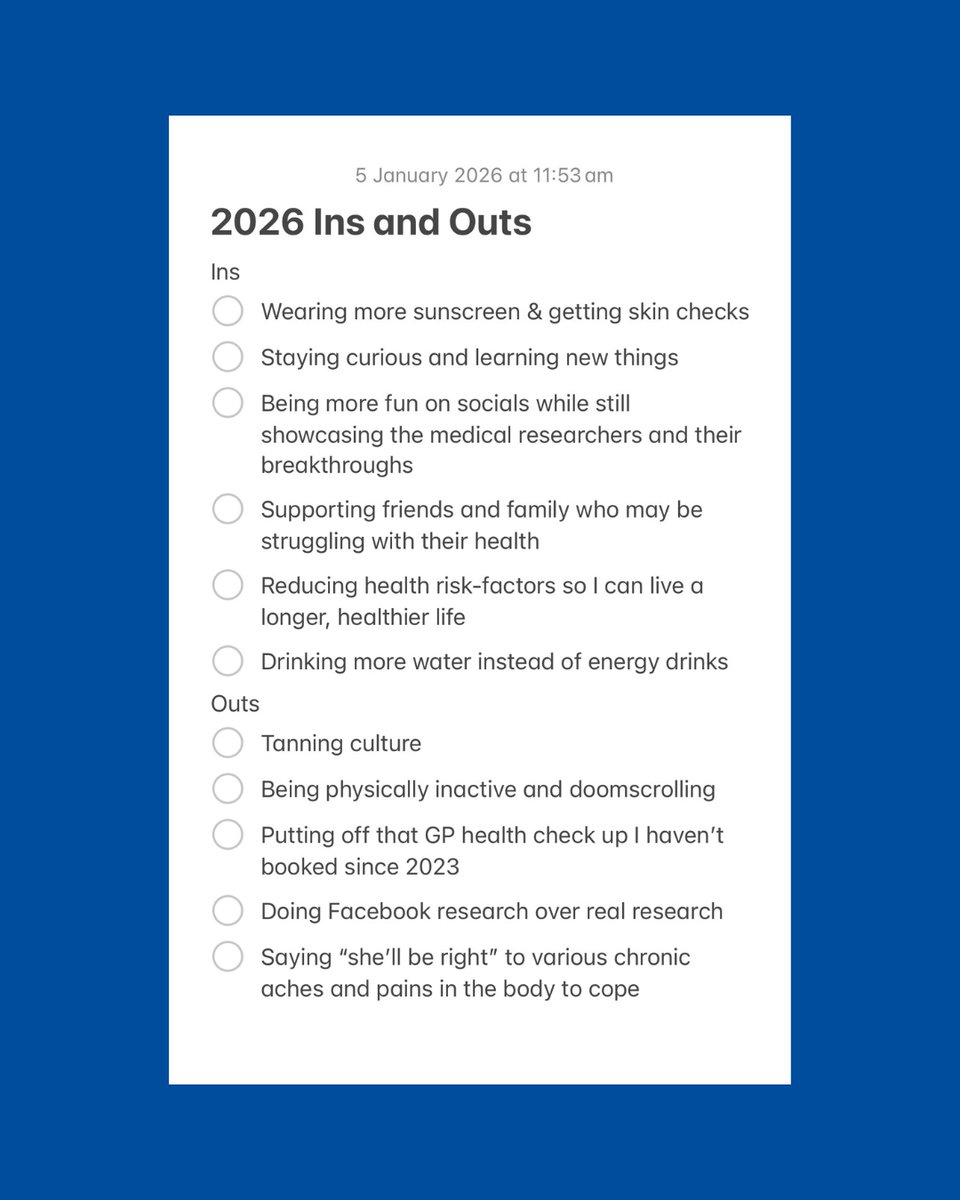
💙 INS AND OUTS! 💙 Rather than a New Year's resolution, we've put together two lists; things we hope to do more of in 2026, and things we want to leave behind in 2025. Feel free to copy our list - in fact, we encourage it! Let's all make 2026 our healthiest year yet.
Harry Perkins Institute tweet media
English
0
0
0
61
Harry Perkins Institute retweetledi
Bench Side Story
Bench Side Story@BenchSideStory·
NON-INVASIVE TOOLS FOR CVD SCREENING AND MONITORING Dr Hadi Afsharan @AfsharanHa92519 , Research Fellow University of Western Australia @uwanews & Harry Perkins Institute of Medical Research @PerkinsComms, Perth, Western Australia RESEARCHER PROFILE Filmed in Perth, Australia | November 2025 Dr Hadi Afsharan is a Research Fellow Cardiovascular Science & Diabetes at the Harry Perkins Institute of Medical Research; is a translational research and innovation fellow in medical technologies at The University of Western Australia, holding dual titles as Translational Fellow and Innovation Fellow within UWA’s Medical School and the FHRI (Future Health Research and Innovation) program. He earned his PhD in Biomedical Engineering from UWA in 2023, with a thesis entitled Development of Polarisation-Sensitive Optical Coherence Tomography for Application in Medical Diagnosis, which introduced a pioneering non-invasive imaging method for detecting hypertension and diabetes by analysing retinal blood vessel wall birefringence with exceptional sensitivity and specificity. Hadi leads several translational research projects, including AI-based retinal biomarkers for coronary artery disease screening, low-cost imaging technologies for heart disease detection in remote communities, and radar-based non-contact measurement of jugular venous pressure, all supported by over $1.8 million in competitive funding from FHRI and UWA. Source: Supplied SEE OTHER RESEARCHER PROFILES Bench Side Story @BenchSideStory benchsidestory.com Get your own interviews and research published on Bench Side Story benchsidestory.com/contact/
English
0
2
2
88
Harry Perkins Institute
Harry Perkins Institute@PerkinsComms·
🚨 Double your impact! 🚨 A special tax-time Double Donation Dollar Match goes live THIS MORNING – thanks to the incredible generosity of Perth Radiological Clinic. Give today and make your impact go further: yourimpact.perkins.org.au
Harry Perkins Institute tweet media
English
0
0
0
85
Harry Perkins Institute
Harry Perkins Institute@PerkinsComms·
🧬 New insights from our Translational Oncology team reveal major steps forward in Aboriginal cancer care. Since 2010, the breast cancer survival gap has more than halved—thanks to culturally informed, collaborative research. 📖 perkins.org.au/research/labs/…
Harry Perkins Institute tweet mediaHarry Perkins Institute tweet mediaHarry Perkins Institute tweet mediaHarry Perkins Institute tweet media
English
0
0
1
94