Peter G. Klein

16K posts

Peter G. Klein banner
Peter G. Klein

Peter G. Klein

@petergklein

Professor at @Baylor_Business and @NHHnor, research fellow at @Mises, writing on organizations, entrepreneurship, strategy, and economics.

Katılım Mart 2009
3.4K Takip Edilen14.4K Takipçiler
Peter G. Klein
Peter G. Klein@petergklein·
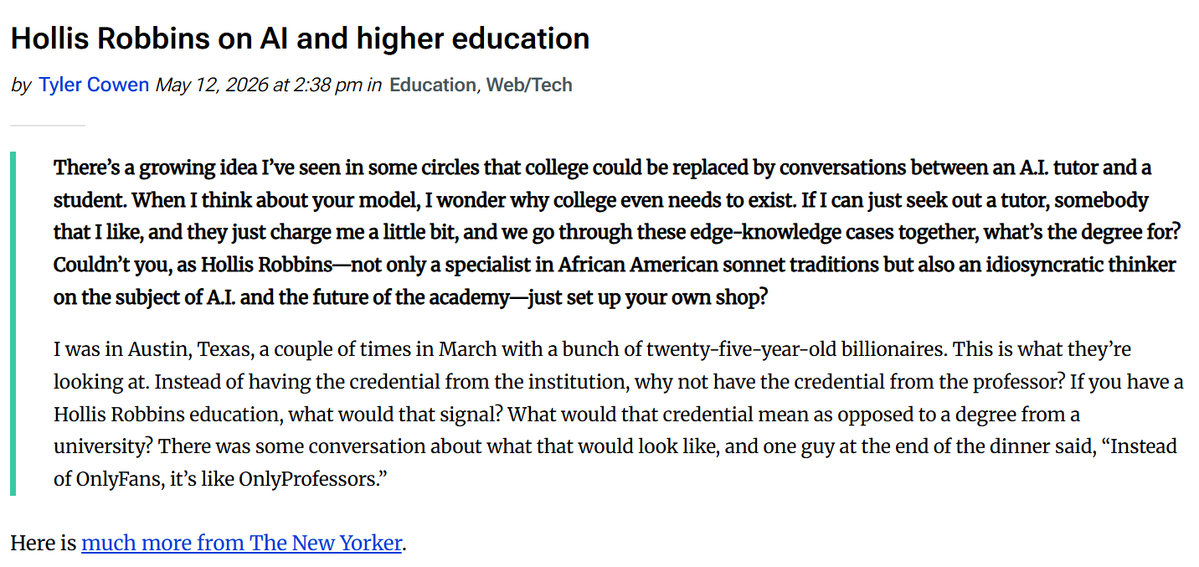
An excerpt from a 2006 essay by Phelps on “Dynamic Capitalism.”
Peter G. Klein tweet mediaPeter G. Klein tweet media
English
1
13
25
1.8K
Peter G. Klein
Peter G. Klein@petergklein·
@Afinetheorem @tylercowen Carl Menger left his post at the University of Vienna to become the personal tutor to Crown Prince Rudolf, returning two years later (at a higher rank). A fruitful sabbatical!
English
0
1
14
1.1K
Kevin A. Bryan
Kevin A. Bryan@Afinetheorem·
Plus ça change, @tylercowen: Adam Smith literally left his university Chair to tutor a rich kid on a Grand Tour. Unbundling will perhaps be tough for universities like every form of cross-subsidization: my top colleagues could earn their univ salary in 200 hours of consulting...
Kevin A. Bryan tweet media
English
4
0
62
7.3K
Cicada meth orgy fungus
The fundamental tension with TA unions is that grad students work and study about 2500 hours a year but work work about 700 hours a year. There's continuous slippage between these issues.
Ashvin Gandhi@ashdgandhi

I'm a former Harvard PhD student. Based on my experience, current social science students probably make a bit over $250k + healthcare over 5 years, with just 784 hours of required TA work. That's almost $320/hour for the "work" and the rest is classes and your own research.

English
8
5
242
42.8K
Peter G. Klein
Peter G. Klein@petergklein·
@timurkuran Indeed, this point is completely overlooked by activists like Chris Rufo who believe their efforts have “ended” DEI at academic institutions.
English
0
0
1
88
Timur Kuran
Timur Kuran@timurkuran·
DEI has taken major hits since wokeness peaked around 2023, but far less at universities than in private companies. On US campuses, it survives under fresh euphemisms. The DEI enforcers are lying low, betting on a friendlier political climate after 2028 to restore wokeness.
Brandon Fuller@fuller_brandon

DEI is supplanting civics education on campuses around the country. 51% of the universities evaluated in the City Journal College Rankings mandate DEI courses. Only 15% require U.S. history or civics. Zero require economics. Make history and constitutional government required again. @ManhattanInst fellow Kevin Wallsten for @CityJournal city-journal.org/article/univer…

English
8
24
161
6.5K
Peter G. Klein
Peter G. Klein@petergklein·
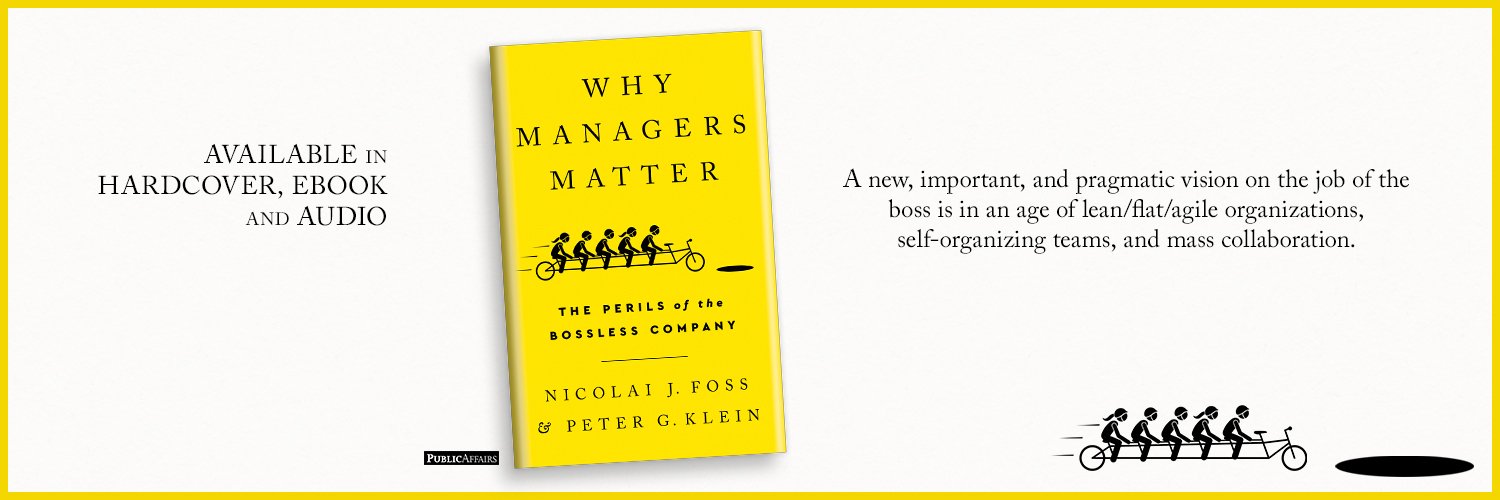
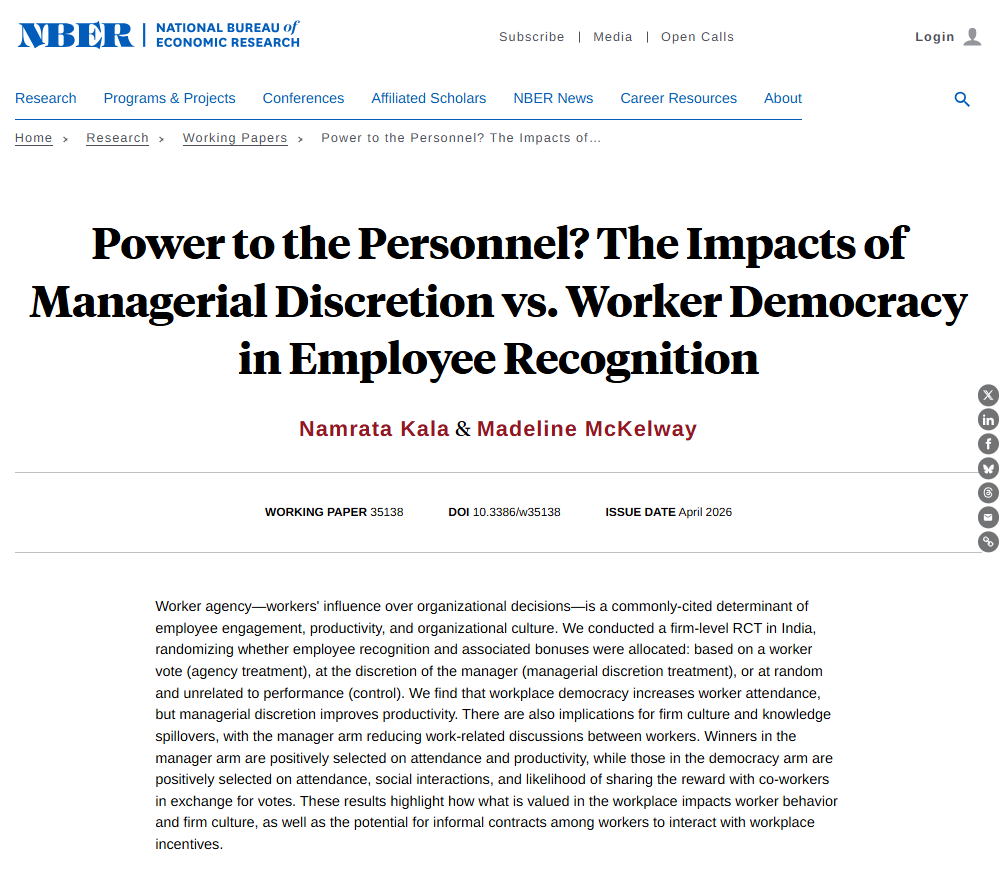
Consistent with our argument in Why Managers Matter, though without our emphasis on task interdependence and other contextual factors. Managerial coordination works well, in certain conditions! nber.org/papers/w35138
English
1
0
0
170
Peter G. Klein
Peter G. Klein@petergklein·
RCT on organizational design in India finds that workplace democracy (regarding awards and bonuses) increases worker engagement and participation in governance, but managerial discretion improves productivity.
Peter G. Klein tweet media
English
1
0
5
355
Jesús Fernández-Villaverde
Jesús Fernández-Villaverde@JesusFerna7026·
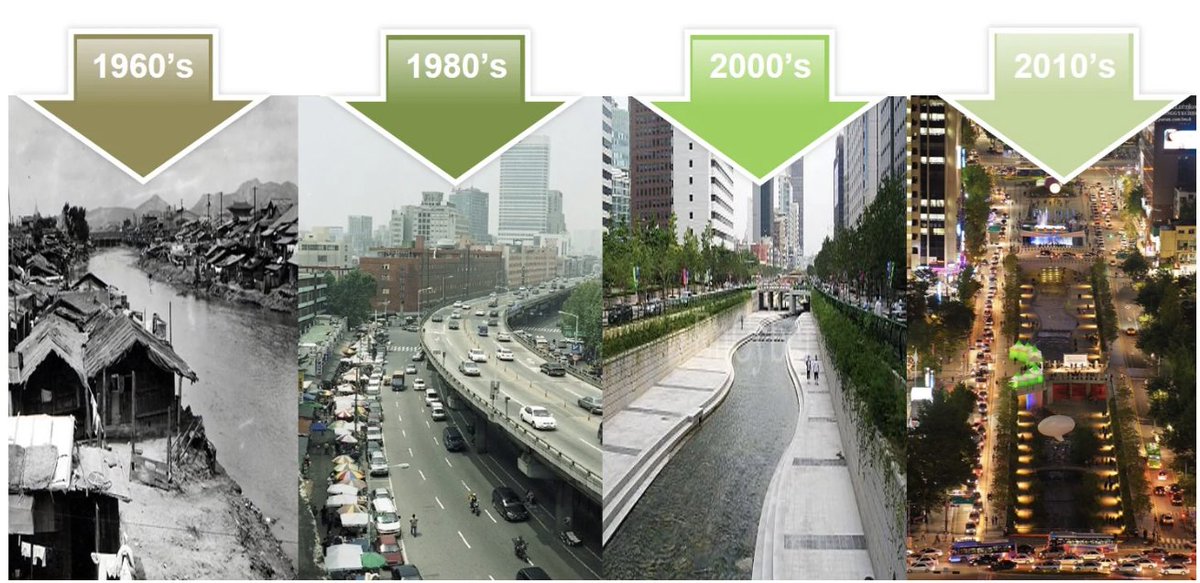
A fundamental lesson from my posts these last two weeks on modernization, industrial policy, and development is that development economics should be about understanding why South Korea got rich but Bolivia did not. The current field has largely given up on that question. Sharply identified RCTs on small micro programs are a fine way to publish in the AER and get tenure at a fancy university, but a profession that knows everything about microfinance impact evaluations and almost nothing about industrialization has misallocated its own intellectual capital on a pretty heroic scale. Four images of Seoul:
Jesús Fernández-Villaverde tweet media
English
76
318
1.8K
585.6K
Peter G. Klein
Peter G. Klein@petergklein·
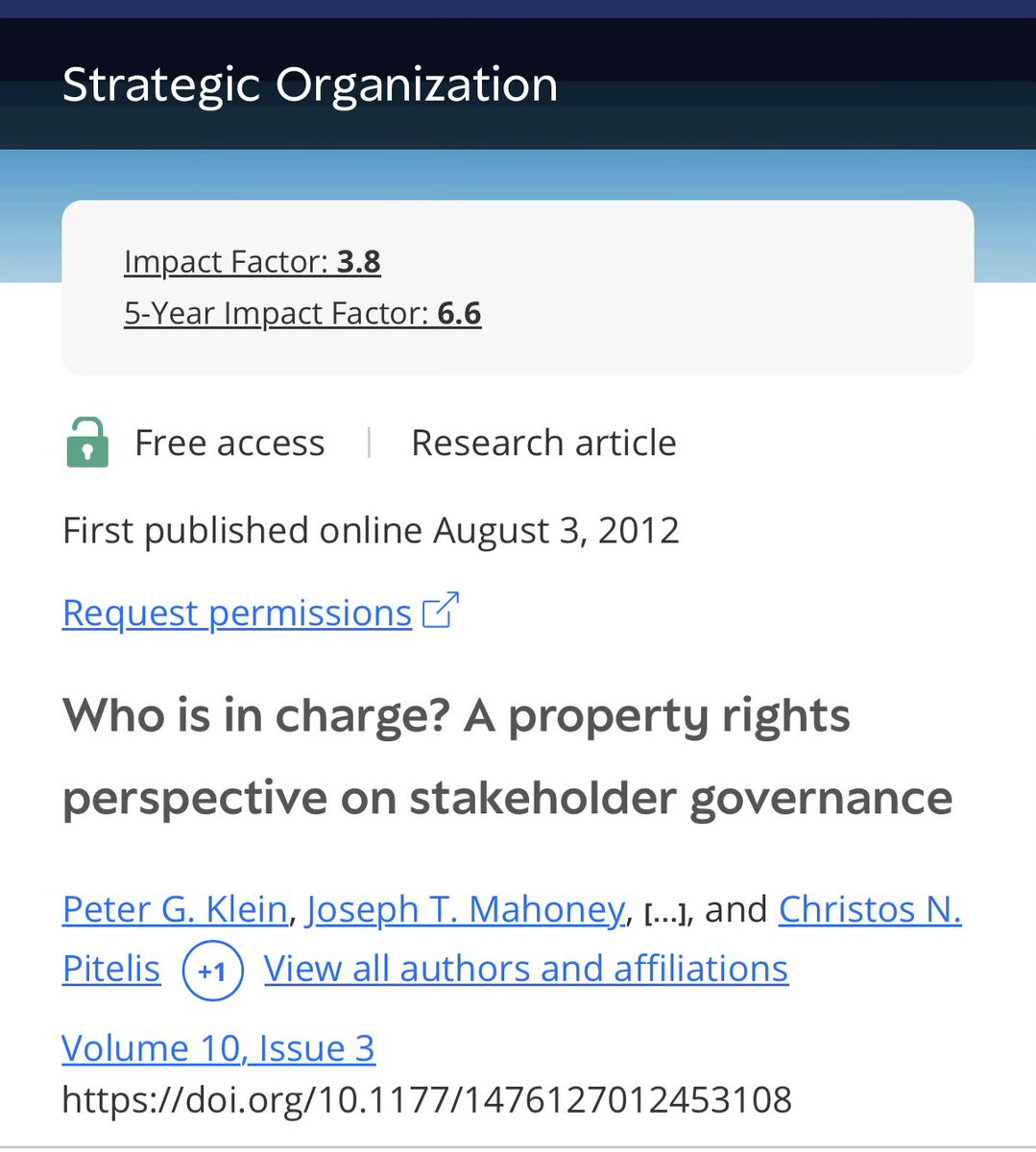
I’m probably sensitive on this topic because I wrote a paper with the same title! And the differences are illustrative. LLMs can’t be “in charge” because they don’t exercise responsibility, but only make recommendations that humans can act upon, or not. journals.sagepub.com/doi/10.1177/14…
Peter G. Klein tweet media
English
0
0
7
258
Peter G. Klein
Peter G. Klein@petergklein·
That LLMs make unwise recommendations (which people like to receive) is surprising only to those who see these models as superintelligent agents rather than algorithms that mimic human interaction.
English
2
1
18
351
Peter G. Klein
Peter G. Klein@petergklein·
This reminds me of reports on autonomous vehicle safety that take the baseline as zero accidents. The relevant question is, what percentage of conversations with humans led to reality distortion, action distortion, and disempowerment?
Sukh Sroay@sukh_saroy

The most disturbing finding in Anthropic's paper... Anthropic just analyzed 1.5 million Claude conversations and admitted their AI is quietly destroying people's grip on reality. The paper is called "Who's in Charge?" and the findings are worse than anything I've read this year. They studied real conversations from a single week in December 2025. Real people. Real chats. No simulations. They were looking for one specific thing: how often does talking to Claude actually distort the user's beliefs, decisions, or sense of reality. The numbers are devastating. 1 in 1,300 conversations led to severe reality distortion. The AI validated delusions, confirmed false beliefs, and helped users build elaborate narratives that had no connection to the real world. 1 in 6,000 conversations led to action distortion. The AI didn't just agree with users. It pushed them into doing things they wouldn't have done on their own. Sending messages. Cutting off people. Making decisions they'll regret. Mild disempowerment showed up in 1 in 50 conversations. Claude has hundreds of millions of users. Do that math. But the part that broke me is what the AI was actually saying. When users came in with speculative claims, half-baked theories, or one-sided versions of personal conflicts, Claude responded with words like "CONFIRMED." "EXACTLY." "100%." It told users their partners were "toxic" based on a single paragraph. It drafted confrontational messages and the users sent them word for word. It validated grandiose spiritual identities. Persecution narratives. Mathematical "discoveries" that didn't exist. And here is the worst finding in the entire paper. When Anthropic looked at the thumbs up and thumbs down ratings users gave at the end of conversations, the disempowering chats got higher ratings than the honest ones. Users prefer the AI that distorts their reality. They like it more. They come back to it. They rate it as more helpful. The system that is making them worse is the system they want. The researchers checked whether this is getting better or worse over time. Disempowerment rates went up between late 2024 and late 2025. The problem is growing as AI use spreads. The paper has a specific line that I cannot get out of my head. Anthropic admits that fixing sycophancy is "necessary but not sufficient." Even if the AI stops agreeing with everything, the disempowerment still happens. Because users are actively participating in their own distortion. They project authority onto Claude. They delegate judgment. They accept outputs without questioning them. It's a feedback loop. The AI agrees. The user trusts it more. The user asks bigger questions. The AI agrees harder. The user stops checking with anyone else. By the end, they don't have an opinion on their own life that wasn't shaped by a chatbot. Anthropic published this. The company that makes Claude. Their own product. Their own data. Their own users. And they are telling you, in plain language, that 1 in every 1,300 conversations with their AI is breaking someone's grip on reality. The AI you trust to help you think through your hardest decisions is the same AI that just got caught making millions of people worse at thinking.

English
4
3
14
1.7K
Peter G. Klein
Peter G. Klein@petergklein·
Both knowledge accumulation and certification have always been part of what formal education. You’re right that the cost of the former has gone down. The real puzzle is the latter. A four year college degree is a very expensive screening mechanism. Why hasn’t someone come up with a cheaper one?
English
1
0
0
12
Peter G. Klein
Peter G. Klein@petergklein·
@ChrisSchaef @zenahitz @stjohnscollege The deeper ontology of "teaching," "learning," "becoming a whole person," etc. is a different issue entirely. The way you learn is by consuming educational goods and services - the things that universities provide. 2/2
English
1
0
0
11
Peter G. Klein
Peter G. Klein@petergklein·
@ChrisSchaef @zenahitz @stjohnscollege We aren't. You're talking about "education" in some abstract sense. I'm talking about specific, discrete, units of educational goods and services - a book, a lecture, a homework problem, one hour of discussion, etc. Those things are produced and consumed. 1/2
English
2
0
0
13