Peter Westmacott

2K posts

Peter Westmacott banner
Peter Westmacott

Peter Westmacott

@PeterWestmacott

Former British Ambassador to Turkey, France, USA. On various boards & think tanks. Author of ‘They Call it Diplomacy’ (2021). Anxious Arsenal supporter.

London, England Katılım Şubat 2013
575 Takip Edilen10.7K Takipçiler
Peter Westmacott retweetledi
Shanaka Anslem Perera ⚡
BREAKING. Thirty-six hours ago President Donald Trump said “obliterate.” This morning he said “productive conversations.” The question every trader, diplomat, and general is asking: what broke between Saturday night and Monday morning? Six things broke simultaneously. Not one of them was Iranian. First. The bill arrived. The Pentagon requested over $200 billion in supplemental funding. The war cost $11.3 billion in six days, $16.5 billion in twelve. At $1.38 billion per day and accelerating, congressional resistance to the supplemental is real. The money that was supposed to fund “days not weeks” now needs a vote that may not pass. Second. The Fed killed the rate-cut thesis. On March 18, the Federal Reserve held rates at 3.5 to 3.75 percent and revised its 2026 PCE inflation forecast to 2.7 percent from 2.4, citing the Iran war energy shock. The dot plot shows one cut in all of 2026, down from two. Every basis point of delayed easing is pain for housing, credit, and the Magnificent Seven. The war that was supposed to demonstrate strength is demonstrating inflation. Third. The allies revolted politely. Twenty-two countries signed up to coordinate on Hormuz. Zero committed a warship during combat. Japan is releasing strategic reserves. South Korea’s Kospi has fallen 12 percent. Europe’s gas surged 35 percent after Qatar’s LNG was knocked offline & declared force majeure up to 5 years. Trump called NATO “cowards” and got a press release. The coalition of the willing is a coalition of the waiting. Fourth. TSMC sent the signal. Taiwan imports nearly 97 percent of its energy. Its LNG reserves cover 11 days. Qatar supplies a third of global helium, which TSMC needs for chip fabrication. The helium is bottled behind a closed strait. Every Nvidia GPU, every Apple chip, every AI cluster depends on a fab in Hsinchu counting its gas in single-digit days. The Magnificent Seven have shed hundreds of billions as energy rotation crushes tech. Fifth. Birol named the damage. The IEA chief told Australia this morning that 40 energy assets across nine countries are severely damaged, global oil supply has fallen 11 million barrels per day, the crisis exceeds both 1970s shocks combined, and no country is immune. He named fertilisers and helium as interrupted flows. The man who runs global energy security called the war Trump started the worst energy crisis in modern history. Sixth. The midterms. Gas prices are up 93 cents per gallon. Sixty-six percent of Americans call this a war of choice. Sixty percent disapprove. Fifty-seven percent say it is going badly. The numbers that matter in Washington are not barrels per day. They are approval ratings in swing states where voters fill their tanks every Tuesday. Six pressures. One post. President Trump did not discover diplomacy. He discovered arithmetic. The 48-hour ultimatum was a threat. The 5-day pause is a confession that the threat’s consequences were worse than its target. Destroying power plants would have sealed the strait permanently, triggered Ghalibaf’s promise to “irreversibly destroy” Gulf desalination and energy infrastructure, crashed TSMC’s supply chain, spiked inflation past 3 percent, and handed the midterms to the opposition on a platter of $7 gasoline. The pause is real. The relief is not. The strait is still closed. The 40 assets are still damaged. The fertiliser is still blocked. The planting window is still closing. The five-day clock is already ticking. The molecules do not negotiate. The molecules wait. Full deep dive analysis: open.substack.com/pub/shanakaans…
Shanaka Anslem Perera ⚡ tweet media
Shanaka Anslem Perera ⚡@shanaka86

BREAKING: In the last 24 hours, the 2026 Iran war crossed four thresholds simultaneously. Each one would be the lead story of any other week. Together they form the architecture of an escalation spiral that has no off-ramp visible from any capital on Earth. First. Iran struck Arad and Dimona in southern Israel on Saturday night, injuring approximately 180+ people. These are the towns nearest Israel’s Negev nuclear research centre. Tasnim confirmed the strikes were retaliation for Israel’s attack on the Natanz nuclear facility. Iranian missiles penetrated Israeli air defences and left large craters in residential areas. Prime Minister Netanyahu called it “a very difficult evening in the battle for our future.” The IRGC said it targeted military installations across five cities: Arad, Dimona, Eilat, Beersheba, and Kiryat Gat. Second. Israel continued strikes on Tehran and Isfahan overnight into Sunday. Massive joint US-Israeli air raids hit multiple areas of the capital. CENTCOM confirmed the US has now struck over 8,000 military targets across 23 days of war, including 130 Iranian vessels, which it called “the largest elimination of a navy over a three-week period since World War II.” Iran’s energy minister confirmed on Sunday that “the country’s vital water and electricity infrastructure has suffered heavy damage” from US and Israeli strikes, including “dozens of water transmission and treatment facilities” and “critical water supply networks.” Israel previously struck South Pars, Iran’s portion of the world’s largest gas field. Eighty percent of Iranian electricity comes from natural gas. The attack on South Pars directly threatens power generation for 90 million people. Third. President Trump posted his 48-hour ultimatum Saturday night: reopen the Strait of Hormuz by Monday evening or the US will “hit and obliterate” Iranian power plants “starting with the biggest one first.” Iran’s armed forces responded that the strait would be “completely closed” if power plants are hit. Parliament Speaker Ghalibaf posted on X that all energy and oil infrastructure across the entire region would become “legitimate targets” and be “irreversibly destroyed.” That word “irreversibly” is doing the work of a thousand missiles. It means desalination plants. It means refineries. It means the infrastructure that produces drinking water for the Arabian Peninsula. Fourth. Saudi Arabia expelled Iranian diplomats. Riyadh declared the military attache, his deputy, and three other embassy members persona non grata with 24 hours to leave. This follows ongoing Iranian strikes on Saudi territory. Turkey’s foreign minister warned from Riyadh that Gulf countries may be forced to retaliate. The Gulf states, which have so far absorbed Iranian attacks without entering the war, are running out of room. Now hold all four escalations simultaneously. Iran strikes Israel’s nuclear doorstep. Israel and the US hammer Iranian water and power. Trump sets a 48-hour clock on power plant destruction. Iran promises permanent Hormuz closure and irreversible destruction of regional infrastructure if the clock runs out. Saudi expels Iranian diplomats. The Gulf moves toward belligerency. Brent trades above $113. WTI above $100. Goldman forecasts $110 to $125 for April with tail risk to $150. The IEA has released 400 million barrels of emergency reserves, the largest in history. The 48-hour clock expires Monday evening. Every barrel trapped in the Gulf is a barrel that does not become fertilizer. Every power plant destroyed in Iran is a megawatt that does not synthesise ammonia. Every desalination plant threatened in the Gulf is drinking water for millions. The war is no longer about missiles and territory. It is about molecules: water, nitrogen, helium, crude. The missiles are the mechanism. The molecules are the consequence. And the clock is ticking. Full Deep dive article - open.substack.com/pub/shanakaans…
English
375
1.9K
4.8K
3.3M
Peter Westmacott
Peter Westmacott@PeterWestmacott·
As we suspected all along: Trump was sold a pup. What’s odd is how Mossad, for all its technical brilliance, failed to predict how Iranians would respond . Israel Thought It Could Spur Rebellion Inside Iran. That Hasn’t Happened. nytimes.com/2026/03/22/us/… via @NYTimes
English
0
0
1
314
Peter Westmacott retweetledi
Barak Ravid
Barak Ravid@BarakRavid·
Contrary to Trump’s statements, senior Israeli and U.S. officials said that the United States had prior knowledge of the Israeli strike and even approved it in an attempt to pressure Iran. After the Iranians retaliated against Qatar’s gas fields, Trump is now changing course
Barak Ravid@BarakRavid

🚨🚨🚨Trump on Truth Social: Israel, out of anger for what has taken place in the Middle East, has violently lashed out at a major facility known as South Pars Gas Field in Iran. A relatively small section of the whole has been hit. The United States knew nothing about this particular attack, and the country of Qatar was in no way, shape, or form, involved with it, nor did it have any idea that it was going to happen. Unfortunately, Iran did not know this, or any of the pertinent facts pertaining to the South Pars attack, and unjustifiably and unfairly attacked a portion of Qatar’s LNG Gas facility. NO MORE ATTACKS WILL BE MADE BY ISRAEL pertaining to this extremely important and valuable South Pars Field unless Iran unwisely decides to attack a very innocent, in this case, Qatar - In which instance the United States of America, with or without the help or consent of Israel, will massively blow up the entirety of the South Pars Gas Field at an amount of strength and power that Iran has never seen or witnessed before. I do not want to authorize this level of violence and destruction because of the long term implications that it will have on the future of Iran, but if Qatar’s LNG is again attacked, I will not hesitate to do so

English
673
3K
9.1K
2.2M
Peter Westmacott retweetledi
Annmarie Hordern
Annmarie Hordern@annmarie·
Oman’s Foreign Minister Badr Albusaidi — who mediated the most recent nuclear talks— writes a piece in The Economist arguing the US “has lost control of its own foreign policy.”
Annmarie Hordern tweet media
English
105
1.9K
5.2K
306.8K
Peter Westmacott retweetledi
Alex Shams
Alex Shams@alexshams_·
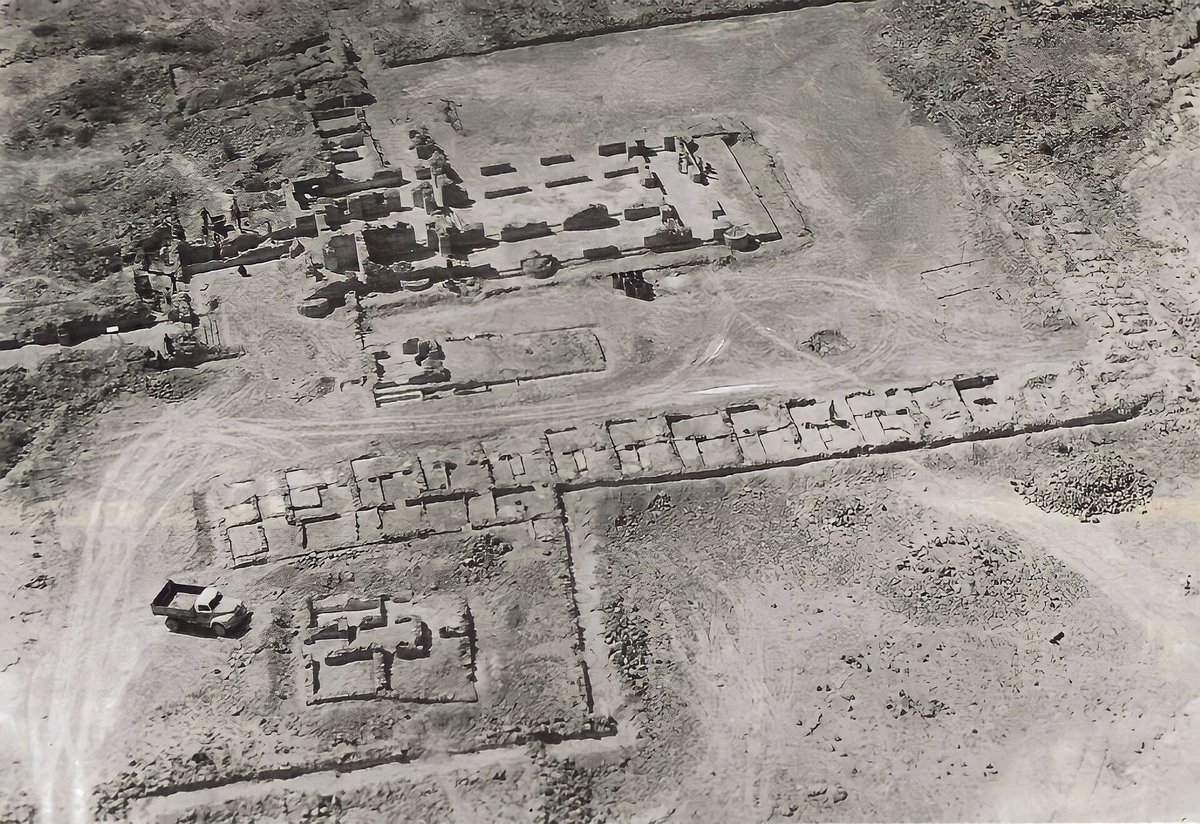
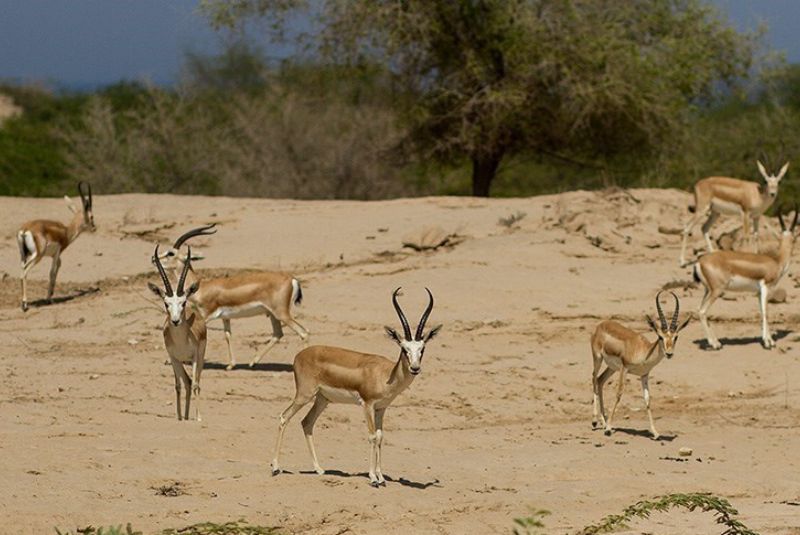
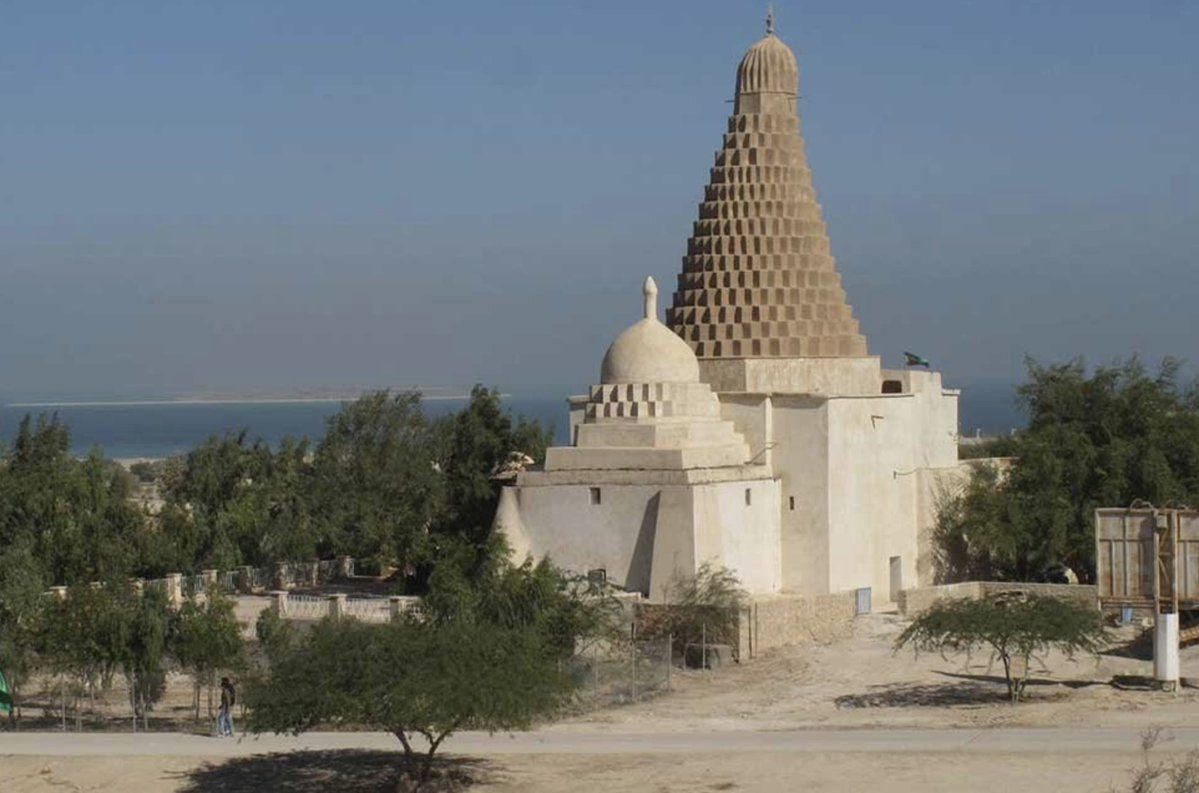
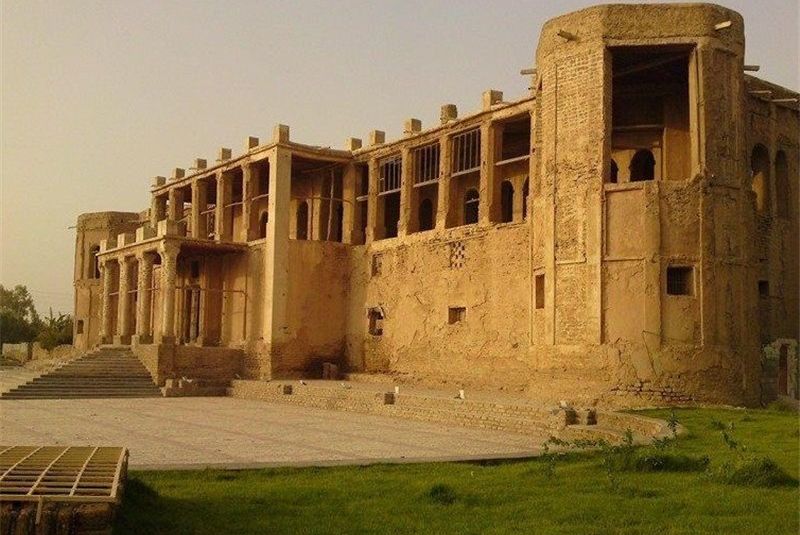
Kharg Island isn't just a military target It is home to a medieval Portuguese fort, religious tombs, and the ruins of one of the oldest Christian monasteries in the world It also is home to 8,000 people and flocks of wild gazelles This is what Trump just bombed:
Alex Shams tweet mediaAlex Shams tweet mediaAlex Shams tweet mediaAlex Shams tweet media
Ghoncheh Habibiazad | غنچه@GhonchehAzad

US President Donald Trump has said that they have “totally obliterated every military target in Iran’s crown jewel, Kharg Island”. Some quick facts about Kharg: The 5 mile (about 8km) strip of land hosts Iran’s most important oil facility…

English
1.8K
10.7K
26.2K
2.2M
Peter Westmacott retweetledi
Vali Nasr
Vali Nasr@vali_nasr·
excellent points here on the harms sanctions have done to Iran and why they have been counterproductive
Aaron Bastani@AaronBastani

I opposed sanctions on Iran - which have been insanely effective in recent years in destroying the country’s economy. Why? Because they strengthen the elite via national isolation, weaken civil society, destroy Iran’s middle class and, ironically, helped the government prepare for a war economy (rather handy now!) But, fundamentally, a high consumption, open trading relationship with the West would have served to build bridges, meaning a widespread desire to embrace the global order. Iran would contribute in its own unique way, of course, like South Korea perhaps, but would also have been shaped by such forces: tourists at Persepolis & Esfahan; ambitious young Iranians studying at Sciences Po, Harvard and the LSE; goods and services flowing east and west. Liberals said this stuff a 150 years ago, but seemed to have jettisoned the smartest part of their tradition. Any sensible, informed person in London, Washington or Brussels should have understood this, and argued for this. But they didn’t. Why? Firstly, because many people in politics are stupid and don’t think for themselves. Social media is making this worse. The US government now has the cognitive function of a slop right podcast. Secondly, particularly in the case of Europe - there was never an independent policy anyway (just follow Washington, even if their position is dumb). The dumber Washington gets the worse that is. Thirdly, because Israel exercises a huge, outsized impact on how we conduct foreign policy in that part of the world. Think ending sanctions on Iran is smart? You must be an antisemite! No platform! The best strategy - in the long term - if you wanted to soften the government of Iran, and influence outcomes inside the country? Trade with it. Buy and sell stuff. Ironically the people who understood this best were Iranian conservatives - who opposed such a development.

English
20
64
269
50.4K
Peter Westmacott retweetledi
سلطان الوشاحي
سلطان الوشاحي@SAlwashahi·
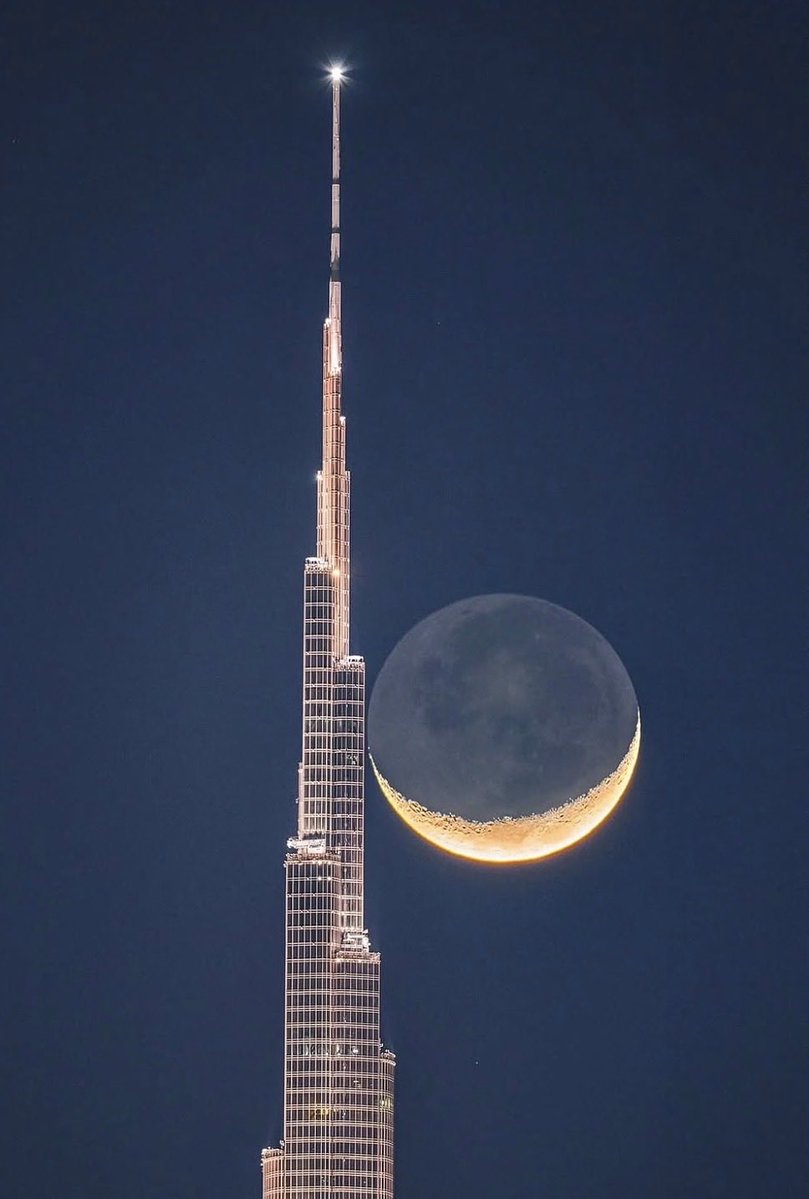
#Dubai isn’t just a city it’s a living example of safety, progress, and resilience Markets are open, airports are running, and life goes on with confidence Millions of residents from all over the world love and trust the UAE for its wise leadership and strong institutions Dubai proves that true success isn’t only in skyscrapers or projects, but in protecting achievements and keeping life safe and steady always Dubai isn’t a story، It’s a reality 🇦🇪
سلطان الوشاحي tweet media
English
17
31
214
5.6K
Peter Westmacott retweetledi
Chris Menahan 🇺🇸
Chris Menahan 🇺🇸@infolibnews·
Asked if the US attacked a desalination plant in Iran, Pres. Trump says Iranians are "among the most evil people ever on earth." "They cut babies' heads off—they chop women in half..." "I know nothing about a desalinization plant, other than to say, if they're complaining about a desalinization plant, we complain about the fact they shouldn't be chopping babies' heads off." Trump envoy Steve Witkoff and Defense Secretary Pete Hegseth can be seen nodding in agreement.
English
1.9K
1.6K
4.5K
2M
Peter Westmacott
Peter Westmacott@PeterWestmacott·
It is unconscionable that there has still been no attempt by either the US or Israel to account, let alone apologise, for the killing last Saturday of more than 150 people at the Shajareh Tayyebeh girls school in Minab, southern Iran.
English
213
1K
4.8K
139.1K
Peter Westmacott retweetledi
Karim Sadjadpour
Karim Sadjadpour@ksadjadpour·
Trump has treated the war as an improvisational jazz session, riffing on different strategies and endgames; Iran's embattled new leaders must decide whether a pact with him will save the revolution’s life or destroy its soul. My new piece in @TheAtlantic theatlantic.com/international/…
English
56
192
587
134.2K
Peter Westmacott
Peter Westmacott@PeterWestmacott·
Presumably Trump has now moved on from his Board of Peace?
English
2
0
5
974
Peter Westmacott retweetledi
Ministry of Foreign Affairs - Qatar
Prime Minister and Minister of Foreign Affairs @MBA_AlThani_ Receives Phone Call from Iran's FM @araghchi Doha | March 4, 2026 HE Prime Minister and Minister of Foreign Affairs Sheikh Mohammed bin Abdulrahman bin Jassim Al-Thani has rejected Iranian claims that recent missile attacks were not aimed at Qatar, saying the evidence on the ground showed otherwise. This came during a phone call HE Sheikh Mohammed received on Wednesday from HE Minister of Foreign Affairs of the Islamic Republic of Iran Dr Abbas Araghchi. Araghchi said the missile strikes were directed at American interests and were not intended to target the Gulf state. Yet, HE the Prime Minister and Minister of Foreign Affairs "categorically rejected" that assertion, citing the civilian and residential areas inside the country struck by the attacks. He said the areas affected included the vicinity of Hamad International Airport, as well as vital infrastructure and industrial zones, including facilities linked to liquefied natural gas production. HE Sheikh Mohammed described the strikes as a "flagrant violation" of the State of Qatar's sovereignty and of international law. He added that the attacks were not limited to missiles, but were ongoing through drones, as well as aircraft that had entered Qatari airspace and were intercepted by the country's armed forces. His Excellency added that these Iranian actions reflected "an escalatory approach" and did not indicate any genuine desire for de-escalation or resolution, accusing Tehran of seeking to harm its neighbors and draw them into a war "that is not theirs". HE the Prime Minister and Minister of Foreign Affairs called for an immediate halt to attacks on regional states that have sought to remain outside the conflict, urging all sides to prioritize the broader interests of their peoples. He stressed that Qatar has consistently favored dialogue and diplomacy, but would respond to any violation of its sovereignty, security or territorial integrity. His Excellency said such attacks could not go unanswered, citing the country's inherent right to self-defense under Article 51 of the UN Charter. #MOFAQatar
Ministry of Foreign Affairs - Qatar tweet mediaMinistry of Foreign Affairs - Qatar tweet media
English
130
278
1.1K
394.6K
Peter Westmacott retweetledi