With so many different approaches for Patellofemoral Pain (PFP), it’s not always clear what to prioritise.
The recent best practice guide for PFP brings together research evidence, expert opinion, and lived experience into one practical framework to guide your assessment and treatment.
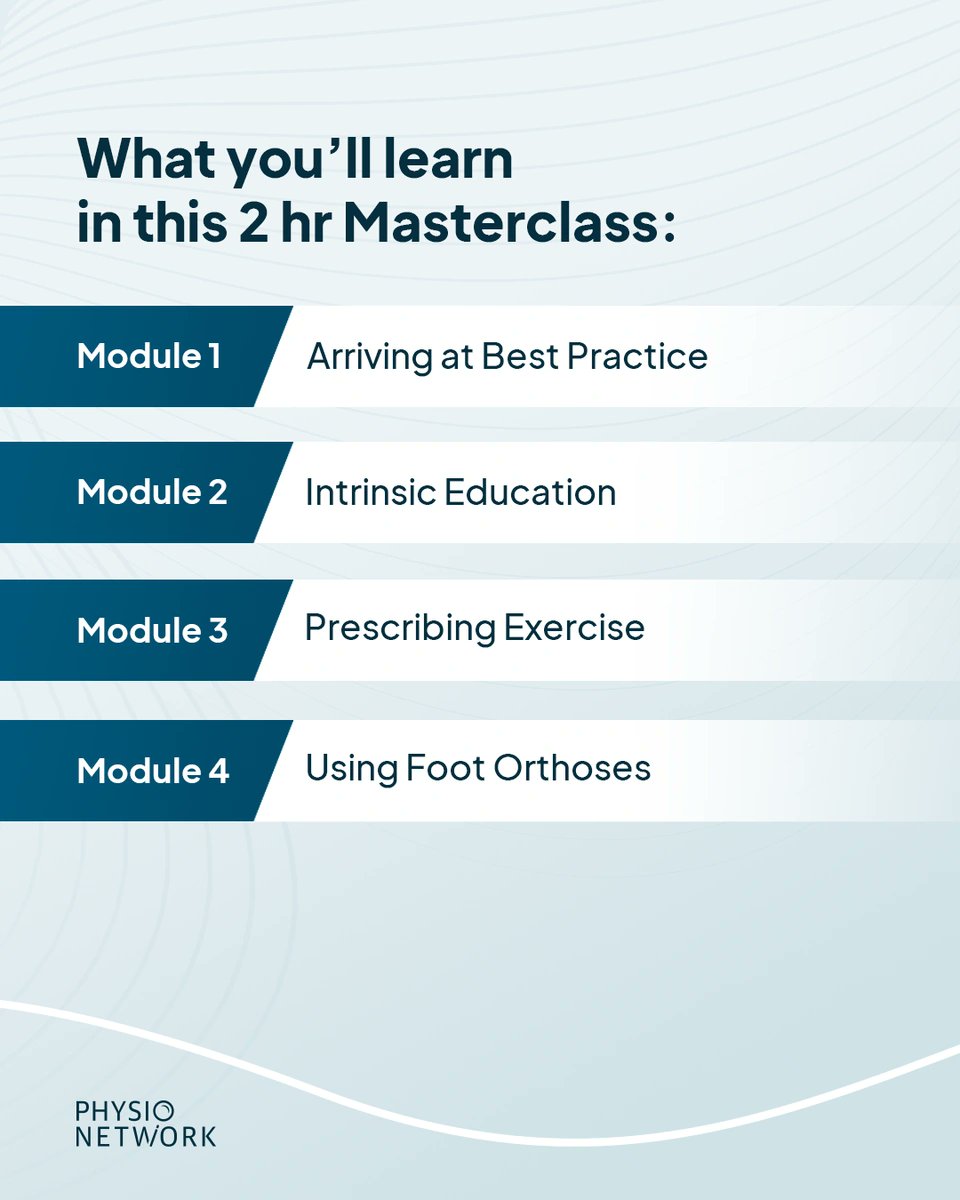
In their ‘Translating Best Practice into Better Outcomes’ Masterclass, Dr @simonthephysio and @DrBradNeal cover what you need to know, including:
✔️ How to apply the guide in real clinical scenarios
✔️ What best practice education for PFP looks like
✔️ How to structure effective exercise prescription
✔️ When and how to use foot orthoses
Want to get up to date with your PFP management?
👉 Watch Masterclass now for FREE with a 7-day trial - no risk, no commitment.
physio-network.com/masterclass/pa…
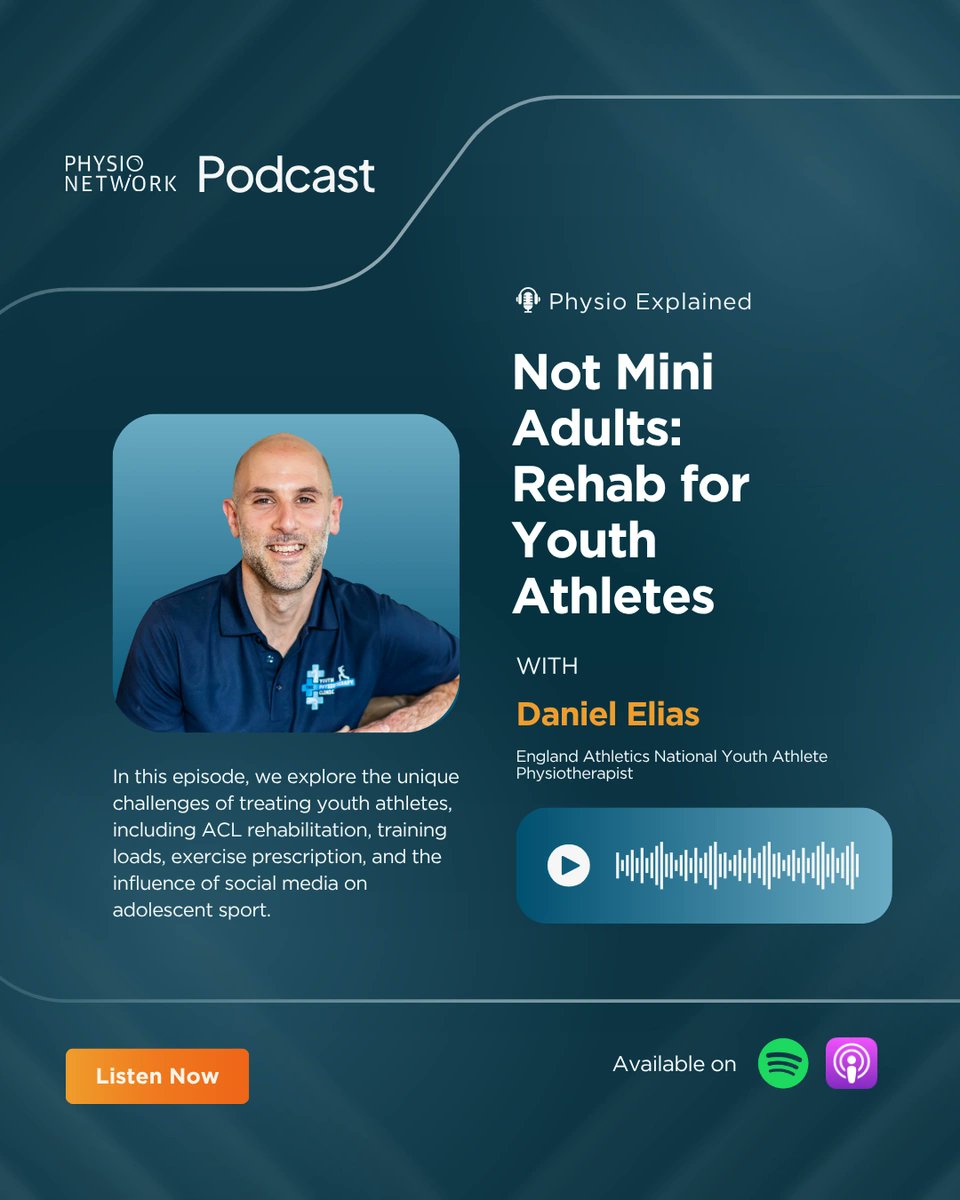
🤔 Why do youth athletes need a different rehab approach compared to adults?
👉🏻 We have just launched a new episode of Physio Explained: Not Mini Adults: Rehab for Youth Athletes
😎 In this episode, @believemovegrow explains why youth athletes shouldn’t simply be treated as “mini adults”, and how factors such as development, training loads, psychology, and social influences can all impact rehabilitation outcomes.
📲 Listen to the new episode now: physio.network/listen-podcast
🎧 Learn from the best in 20 minutes or less - with the Physio Explained podcast
Also available on Spotify & Apple Podcasts
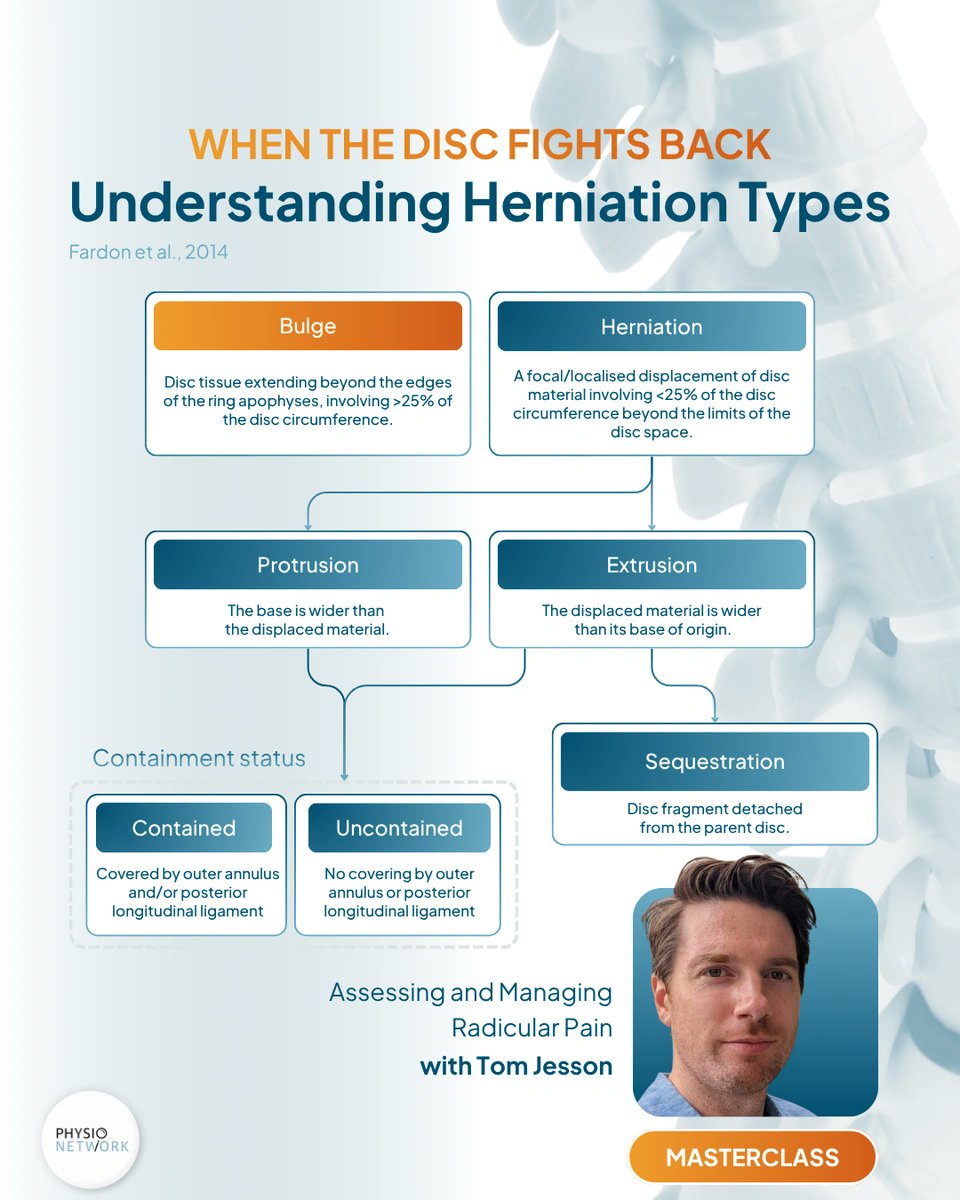
😵💫 Still getting tripped up by disc terminology?
You’re not alone.
MRI reports throw around words like bulge, protrusion, extrusion and sequestration, but these terms are not all the same.
This quick visual breaks down the key differences so you can interpret disc findings with more confidence.
Want the full clinical reasoning behind radicular pain?
Click the link to watch Tom Jesson’s Masterclass on Physio Network.
physio-network.com/masterclass/as…
@PhysioNetwork That's insane.. good luck with that...8 hours a day... 22 per day 3 patient every hour every day no break and that is not including insurance notes. Extra stuff
. Yeah burn out fast.
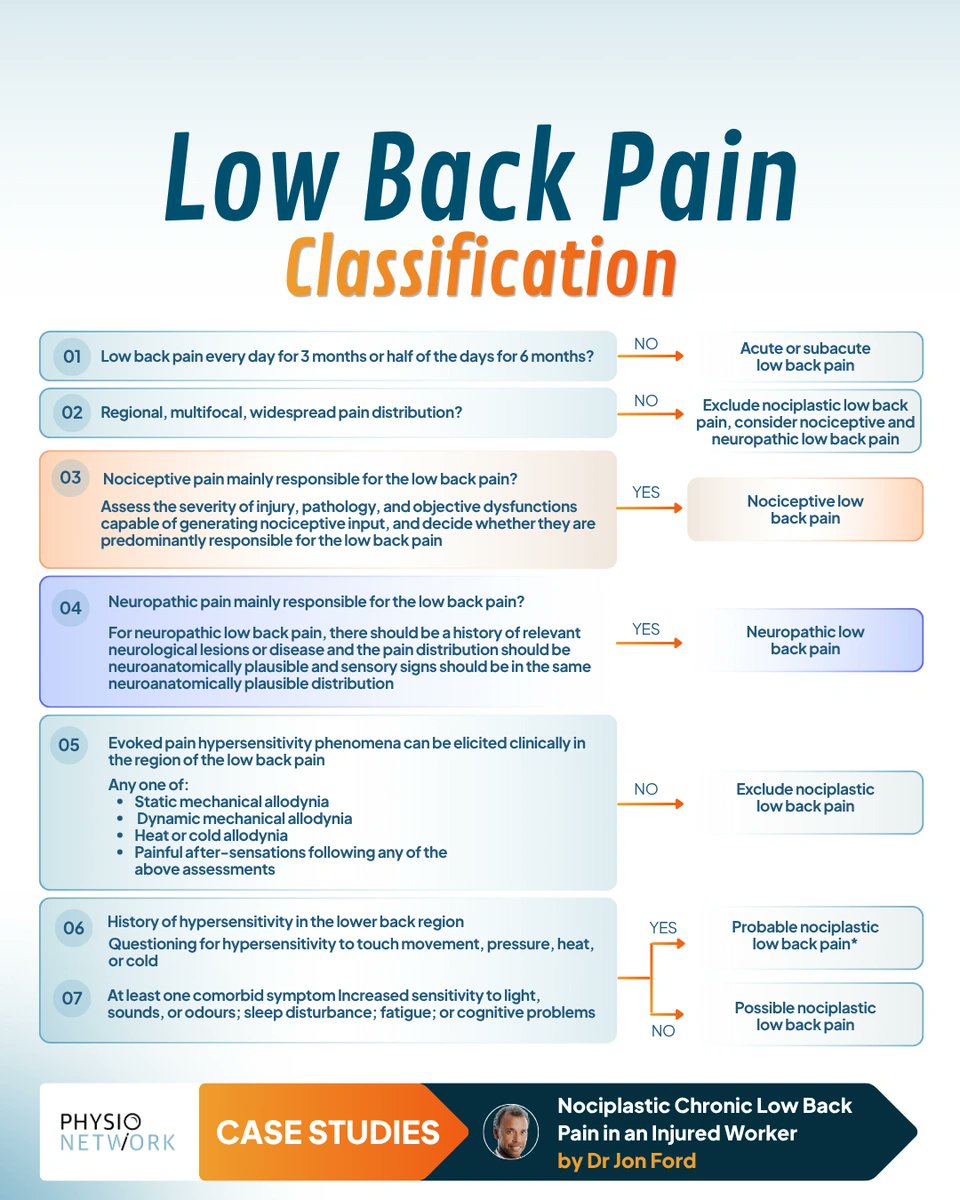
Low back pain isn’t always straightforward.
Nociceptive? Neuropathic? Nociplastic?
Getting the classification wrong can change your whole treatment approach.
See how a real expert like @stopsbackpain works through it step-by-step in a real patient case.
👉 Watch the new Case Study free for 7 days
physio-network.com/case-studies/
Why do some shoulders stay unstable even after strength improves?
The answer might be in the details you’re missing during rehab 🧐
🧩 Learn 3 common mistakes physios make with atraumatic shoulder instability and how to fix them.
Dive into the blog now!
physio-network.com/blog/3-common-…
Sound like a familiar patient? A 51-year-old worker with low back pain persisting two years after a lifting injury…
There’s been surgery. Ongoing symptoms. Reduced capacity. Low recovery expectations. And uncertainty about what’s really driving the pain.
At this point, it’s no longer just about the back.
A/Prof Jon Ford shows how he assesses and manages nociplastic-dominant chronic low back pain in one of his own patients.
You’ll learn from one of Australia's top expert Physiotherapists...
Learn what a thorough assessment and management approach can do for your clinical caseload.
👉 physio-network.com/case-studies/
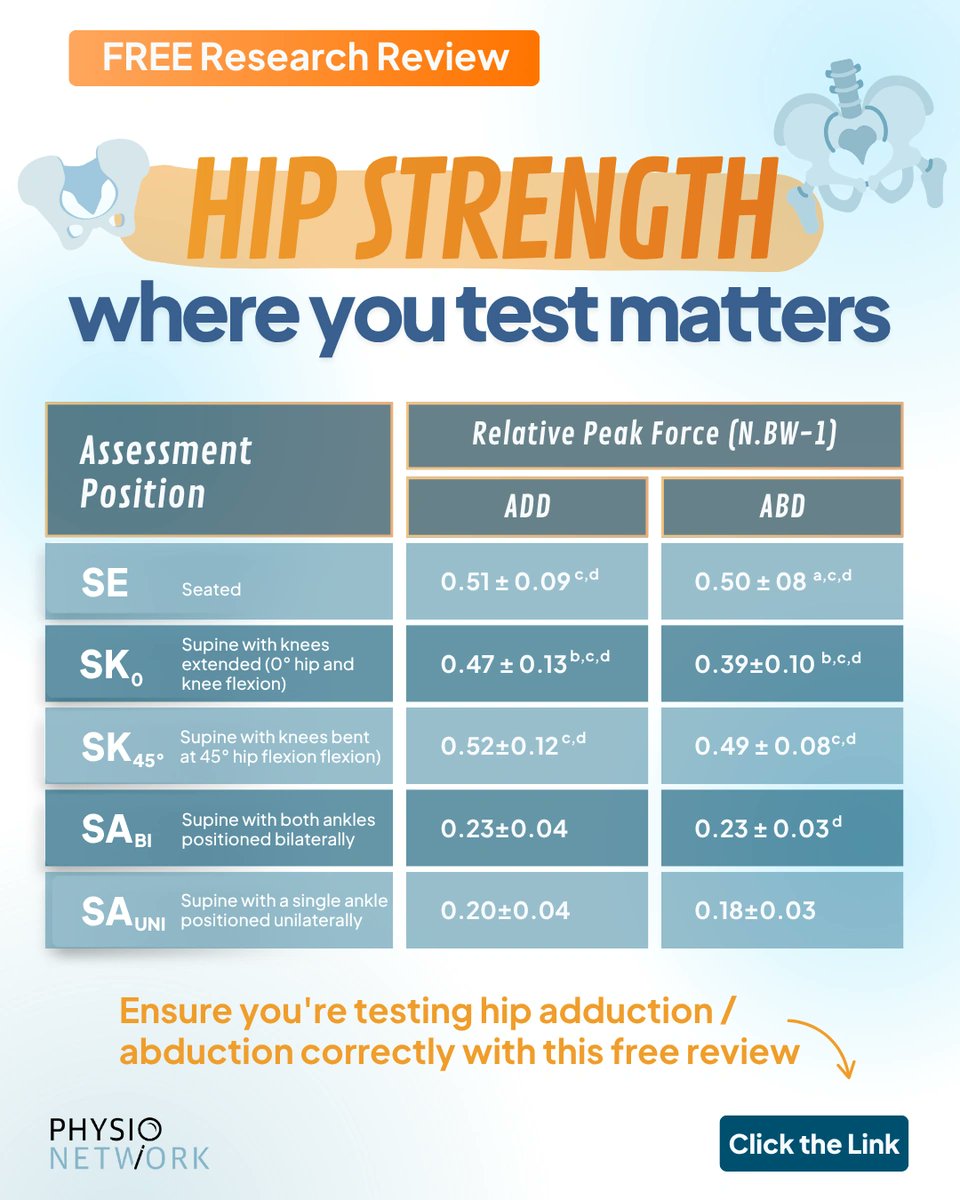
Hip abduction and adduction strength testing is important across a range of conditions and injuries.
But are you using the best positioning to track real progress?
In this free Research Review, Dr Stacey Hardin breaks down a study comparing different testing positions and how they influence maximal strength and muscle activity.
See what it found and what it means for your strength assessments 👇
physio.network/adductor-tests
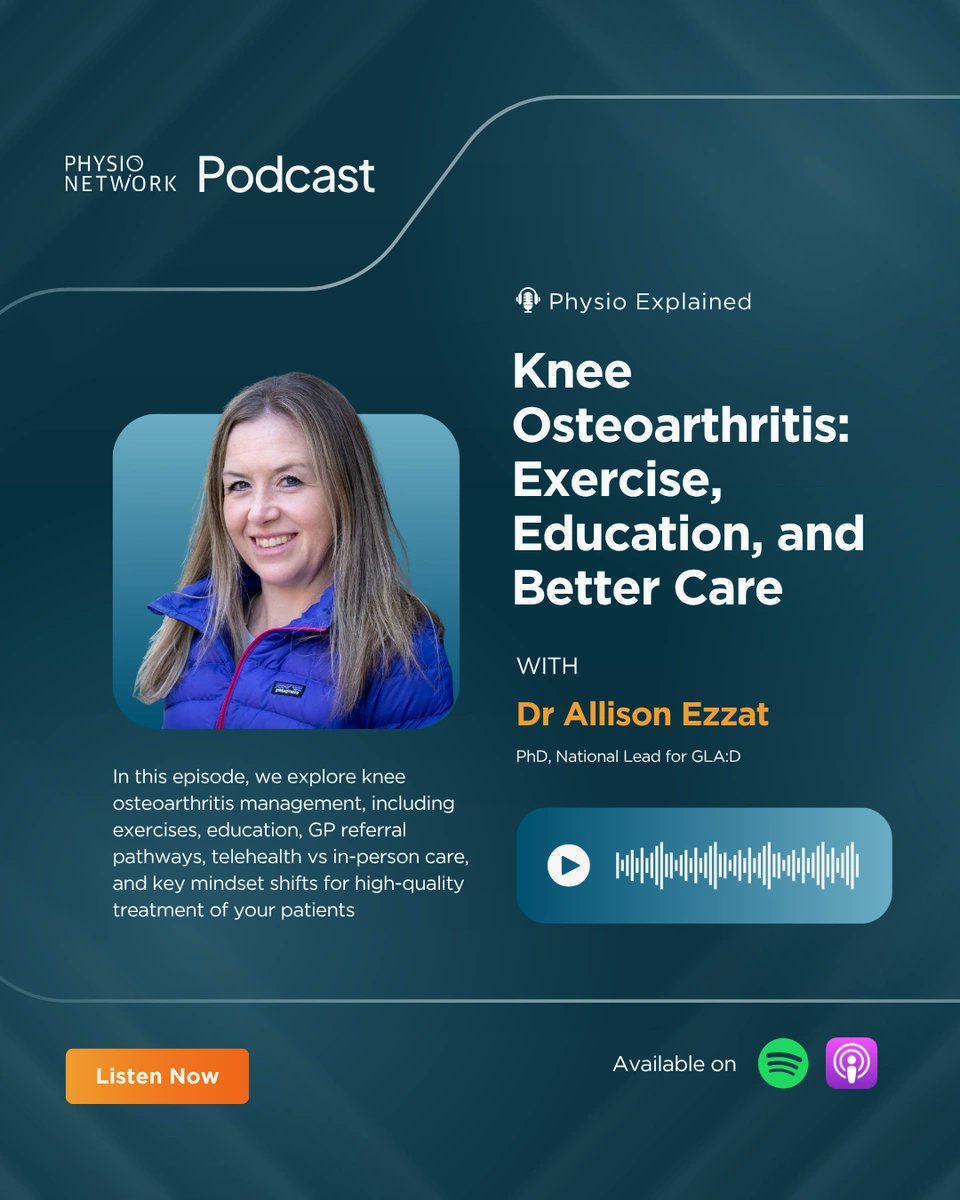
🤓 Are you delivering high-quality care for patients with knee osteoarthritis?
👉🏻 We have just launched a new episode of Physio Explained: Knee Osteoarthritis: Exercise, Education, and Better Care with @AllisonEzzat
In this episode with Allison we discuss key clinical takeaways such as:
🏥 Improving GP referral pathways can significantly enhance patient outcomes
💻 Telehealth can be just as effective as in-person care for managing knee OA
🦵 Exercise and education remain central to best-practice knee OA management
📲 Listen to the new episode now: physio.network/listen-podcast
🎧 Learn from the best in 20 minutes or less - with the Physio Explained podcast
Also available on Spotify & Apple Podcasts