Pondering Self

1K posts

Pondering Self banner
Pondering Self

Pondering Self

@PonderingSelf

Armchair philosopher 🛋️ | Deep dives into timeless ideas for the doomscroll era—not your average quote dump 💡 | Unpacking timeless ideas in modern chaos 🧠

The void Katılım Ocak 2018
117 Takip Edilen417 Takipçiler
Sabitlenmiş Tweet
Pondering Self
Pondering Self@PonderingSelf·
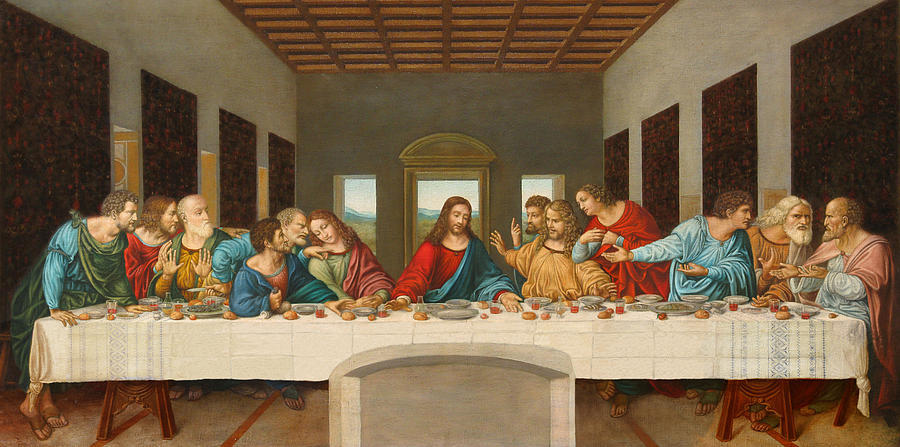
Leonardo da Vinci’s The Last Supper is easily one of the most famous works of art in history. But here is the reality: it is not actually a painting. It is a mural. 1/🧵
Pondering Self tweet media
English
1
0
4
189
Pondering Self
Pondering Self@PonderingSelf·
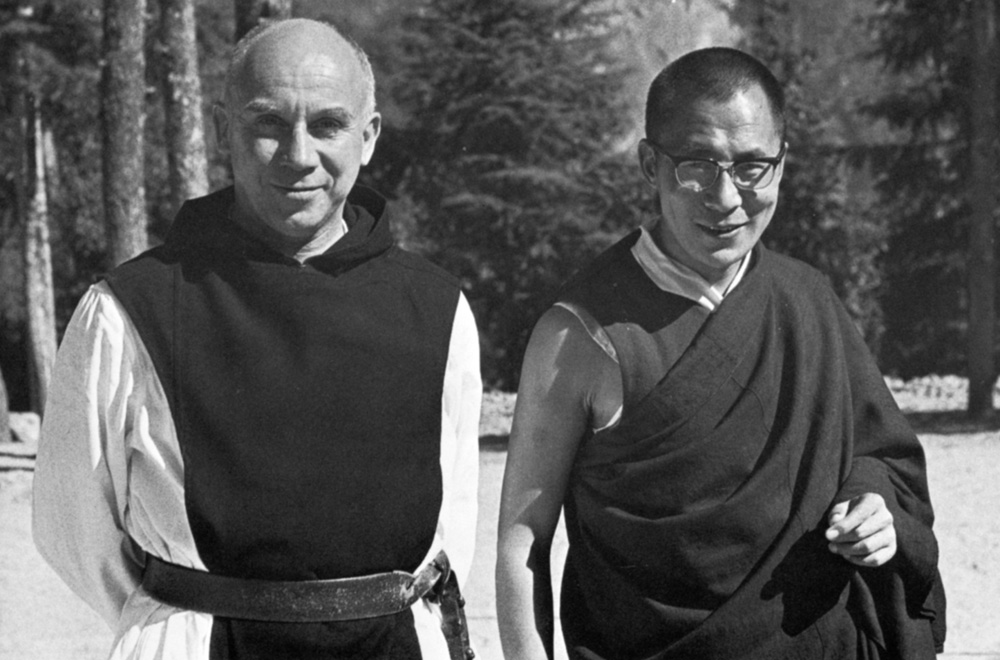
Thomas Merton: The Monk Who Found the Bridge Thomas Merton was a Trappist monk (Trappist monks are members of the Order of Cistercians of the Strict Observance (O.C.S.O.), a Roman Catholic cloistered order founded in 1664) who didn't see Zen as a "competitor" to his Catholic faith, but as a recovering of lost depth. He believed that the Western world including the Church had become too cluttered with noise, concepts, and ego. For Merton, Zen was the sharpest blade available to cut through that clutter. His work suggests that before you can truly know God, you have to lose the "someone" you think you are. Merton’s most famous contribution is the distinction between the False Self and the True Self. • The False Self: This is the psychological construct we build to survive the world. It is the version of "me" that wants to be admired, successful, and independent. It is a "smoke-self" sustained by desires and fears. • The True Self: This is the self that is "hidden in God." It doesn't need to perform, defend its reputation, or win an argument. It simply is. This aligns perfectly with the Zen rejection of the "ego" as a permanent entity. Merton argued that most of our religious life is actually the False Self trying to "be holy," which is just another way of being full of ourselves. Merton saw Zen as a "pre-theological" discipline (fancy way of saying the opposite of intellectualizing). It wasn't about what you believe, but how you perceive (the direct experience as zen buddhist calls it). He used Zen techniques to achieve a state of "consciousness without a center." By quieting the mental chatter (the same chatter psychoanalysis tries to map), he believed we could reach a "Point Vierge" (Virgin Point), a place of pure, unmanipulated reality. "The Zen monk is not trying to find an answer to the problem of life. He is trying to realize that the problem itself is a creation of the mind." — Thomas Merton Merton didn't want a "watered-down" Catholicism. He wanted a rigorous one. He argued that you cannot love your neighbor if you are still trapped in the "False Self" that sees them as a tool for your own validation. By "becoming Buddhist" in his meditation, he became "more Catholic" in his prayer. He didn't find a new god. He found a way to stop talking long enough for God to be heard. You made it this far, pat yourself on the back. Your dopamine reward system is intact. Thank you for reading, keep pondering.
Pondering Self tweet media
Pondering Self@PonderingSelf

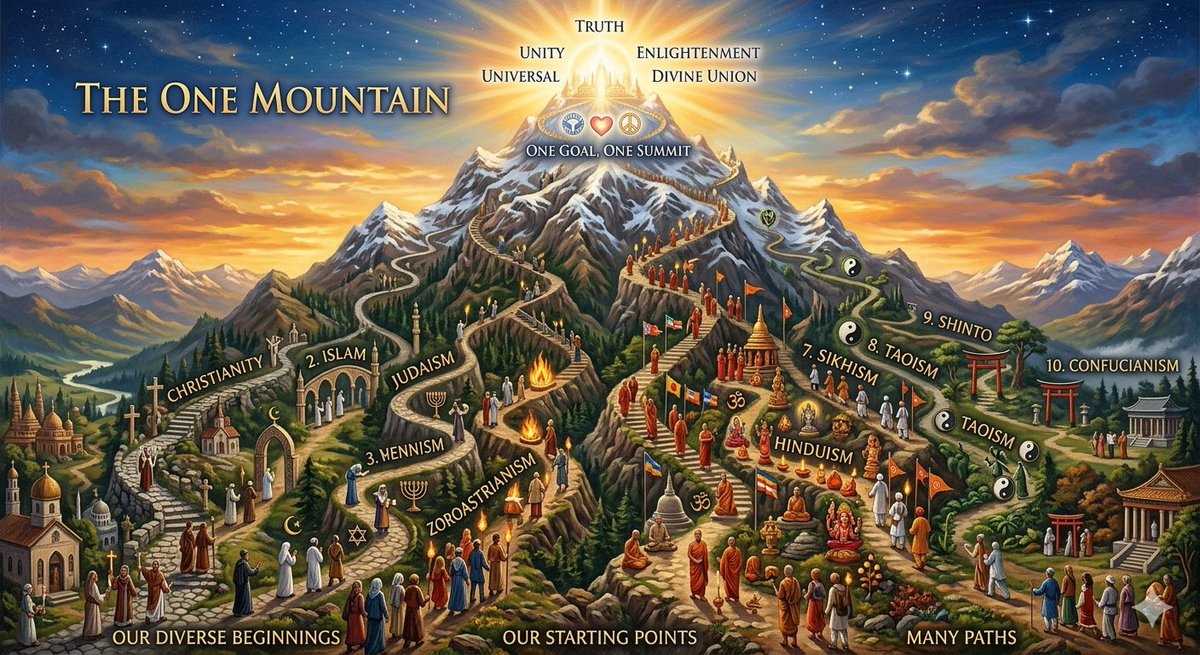
The Most Misunderstood Thing About Buddhism A Catholic monk once said to me: “You can be Catholic and Buddhist at the same time.” That sentence stuck with me for years. Most people think Buddhism is just “another religion” with its own gods, beliefs, and rules to follow. But that’s exactly where the misunderstanding begins. Buddhism isn’t primarily a belief system. It’s a method, a practical way of looking at your own mind and ending suffering. Playing detective on your own mind. Where the culprit is the ego. The Buddha didn’t ask people to believe in him. He said: “Don’t believe me. Test it for yourself.” Core teachings like the Four Noble Truths and the Eightfold Path aren’t doctrines to accept on faith. They’re a diagnosis and a prescription: • Life contains suffering (dukkha). • Suffering has a cause (craving and ignorance). • Suffering can end. • There’s a practical path to end it. You can practice this method while staying fully within another religion. Many Christians, Jews, and Muslims quietly do exactly that, using Buddhist meditation and mindfulness without abandoning their faith. My monk friend understood something most people miss. Buddhism doesn’t demand you stop believing in God. It asks you to stop being run by illusion, attachment, and ego. You can believe in God, Jesus, or nothing at all and still benefit enormously from seeing how your mind creates its own suffering. The Buddha wasn’t trying to start a new religion. He was trying to wake people up. That’s why his teachings can sit comfortably alongside almost any spiritual path. Many paths to the peak, but one mountain. Have you ever met someone who practices Buddhism alongside another faith? Or do you see them as incompatible?

English
0
0
1
36
J.P.A.
J.P.A.@2Philosophical_·
The Argument From Nothing 1. There could not have been nothing. So, 2. There had to be something. So, 3. There’s a necessary being. 4. A necessary being would necessarily have the properties classically ascribed to God. So, 5. God exists.
English
23
3
24
2.3K
Pondering Self
Pondering Self@PonderingSelf·
The Most Misunderstood Thing About Buddhism A Catholic monk once said to me: “You can be Catholic and Buddhist at the same time.” That sentence stuck with me for years. Most people think Buddhism is just “another religion” with its own gods, beliefs, and rules to follow. But that’s exactly where the misunderstanding begins. Buddhism isn’t primarily a belief system. It’s a method, a practical way of looking at your own mind and ending suffering. Playing detective on your own mind. Where the culprit is the ego. The Buddha didn’t ask people to believe in him. He said: “Don’t believe me. Test it for yourself.” Core teachings like the Four Noble Truths and the Eightfold Path aren’t doctrines to accept on faith. They’re a diagnosis and a prescription: • Life contains suffering (dukkha). • Suffering has a cause (craving and ignorance). • Suffering can end. • There’s a practical path to end it. You can practice this method while staying fully within another religion. Many Christians, Jews, and Muslims quietly do exactly that, using Buddhist meditation and mindfulness without abandoning their faith. My monk friend understood something most people miss. Buddhism doesn’t demand you stop believing in God. It asks you to stop being run by illusion, attachment, and ego. You can believe in God, Jesus, or nothing at all and still benefit enormously from seeing how your mind creates its own suffering. The Buddha wasn’t trying to start a new religion. He was trying to wake people up. That’s why his teachings can sit comfortably alongside almost any spiritual path. Many paths to the peak, but one mountain. Have you ever met someone who practices Buddhism alongside another faith? Or do you see them as incompatible?
Pondering Self tweet media
English
0
0
0
64
Pondering Self
Pondering Self@PonderingSelf·
Plato’s highest Form is the Form of the Good. It is the sun that illuminates all other Forms and gives them their intelligibility. Anselm effectively takes Plato's ultimate standard and renames it. God is not just a beautiful or good thing. He is the source and ground of Existence Itself.
Pondering Self@PonderingSelf

Can We Think God Into Existence? St. Anselm of Canterbury thought so. Over 900 years ago, he proposed one of the most famous and most debated arguments in philosophy: The Ontological Argument. Anselm defined God as: “that than which nothing greater can be conceived.” The absolute greatest, most perfect being possible. Now imagine two versions of this being: 1. The greatest conceivable being that exists only in your mind. 2. The exact same being, but it actually exists in reality. Which one is greater? Anselm says the second one is obviously greater. A being that exists in reality is more perfect than one that exists only as an idea. Therefore, if God is truly the greatest conceivable being, He cannot exist only in the mind. He must exist in reality. If He didn’t, then we could imagine something greater. A version of God that does exist, which would contradict the definition. It’s a wild argument. It claims that God’s non-existence is logically impossible. Its like saying a triangle doesn’t have three sides. Critics (especially Kant) later pushed back hard, arguing that “existence is not a predicate.” Fancy way of saying you can’t just define something into existence by adding the word “exists.” But even after all these centuries, the Ontological Argument refuses to go away. It forces us to ask: Is the ontological argument just a play on words and pedantic? Or it is sound logic?

English
0
0
0
28
Pondering Self
Pondering Self@PonderingSelf·
If you made it this far, thank you for reading. Follow for more as I post daily (multiple times even), on philosophical ideas but I make them bite sized. Keep pondering.
English
0
1
1
15
Pondering Self
Pondering Self@PonderingSelf·
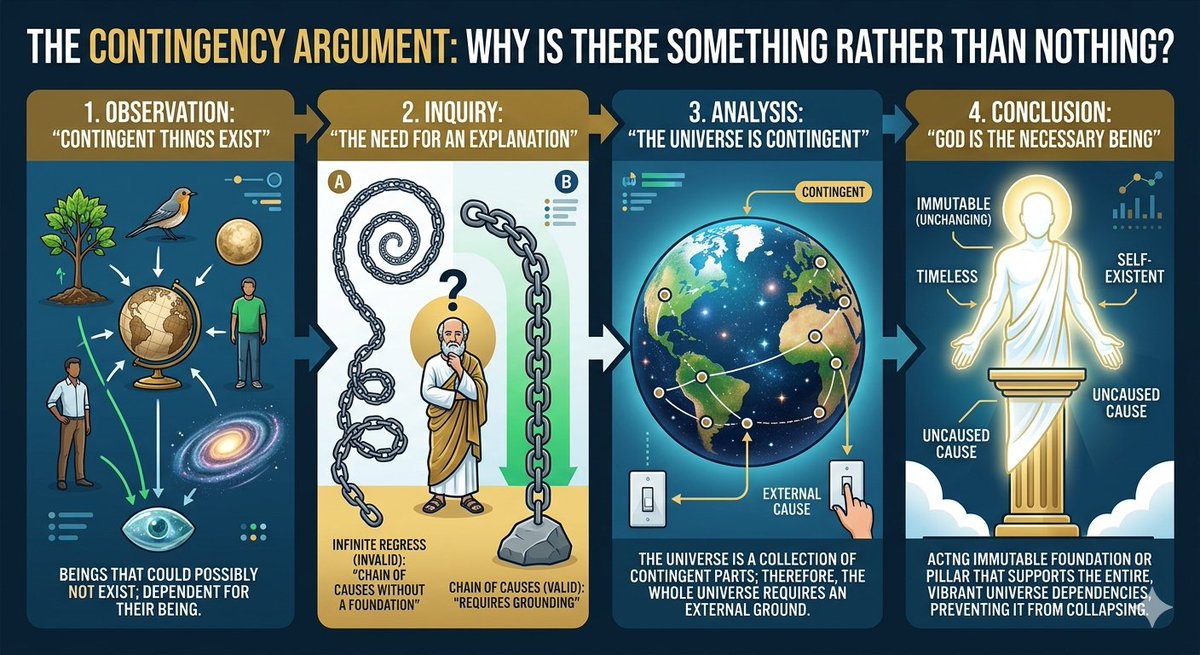
Utltimately, the Contingency Argument states that the Universe is not self-explanatory. For anything to exist right now, there must be something at the foundation of reality that exists by its own power. A "Necessary Being" that provides the light for everything else to cast a shadow.
Pondering Self tweet media
English
1
0
0
18
Pondering Self
Pondering Self@PonderingSelf·
The Ontological Argument deals with the definition of God, the Contingency Argument asks rather "Why is there something rather than nothing?" Why does the universe exist at all when it clearly didn’t have to? 1/🧵
Pondering Self tweet media
Pondering Self@PonderingSelf

Can We Think God Into Existence? St. Anselm of Canterbury thought so. Over 900 years ago, he proposed one of the most famous and most debated arguments in philosophy: The Ontological Argument. Anselm defined God as: “that than which nothing greater can be conceived.” The absolute greatest, most perfect being possible. Now imagine two versions of this being: 1. The greatest conceivable being that exists only in your mind. 2. The exact same being, but it actually exists in reality. Which one is greater? Anselm says the second one is obviously greater. A being that exists in reality is more perfect than one that exists only as an idea. Therefore, if God is truly the greatest conceivable being, He cannot exist only in the mind. He must exist in reality. If He didn’t, then we could imagine something greater. A version of God that does exist, which would contradict the definition. It’s a wild argument. It claims that God’s non-existence is logically impossible. Its like saying a triangle doesn’t have three sides. Critics (especially Kant) later pushed back hard, arguing that “existence is not a predicate.” Fancy way of saying you can’t just define something into existence by adding the word “exists.” But even after all these centuries, the Ontological Argument refuses to go away. It forces us to ask: Is the ontological argument just a play on words and pedantic? Or it is sound logic?
English
1
0
1
191
Feelings ღ
Feelings ღ@anxietymsgs·
What's a sign of a very low intelligence?
English
163
16
153
9.7K
Pondering Self
Pondering Self@PonderingSelf·
@PhilosophyOfPhy The constant “us vs them” problem. Without realising we’re all part of a unified system.
English
0
0
0
61
Philosophy Of Physics
Philosophy Of Physics@PhilosophyOfPhy·
“The illusion of separateness between people and the universe is the root of conflict.” David Bohm believed much of human strife comes from failing to recognize the deep interconnectedness of all things. He argued that wars, divisions, and misunderstandings aren’t just social problems, they reflect a misunderstanding of reality itself. His words challenge us to see beyond superficial differences and recognize the unity underlying the universe.
Philosophy Of Physics tweet media
English
14
32
116
8.5K
Pondering Self
Pondering Self@PonderingSelf·
@BigBrainPhiloso I don’t there’s anyone out there generally who does something “bad” and think themselves as the bad guy. Of course there are outliers who are committed to “bad”. But generally nobody does.
English
0
0
0
78
Big Brain Philosophy
Big Brain Philosophy@BigBrainPhiloso·
Simon Sinek drops a profound truth through Inglourious Basterds: The most dangerous people in history didn't see themselves as the bad guys.
English
11
26
110
8.8K
Pondering Self
Pondering Self@PonderingSelf·
Can We Think God Into Existence? St. Anselm of Canterbury thought so. Over 900 years ago, he proposed one of the most famous and most debated arguments in philosophy: The Ontological Argument. Anselm defined God as: “that than which nothing greater can be conceived.” The absolute greatest, most perfect being possible. Now imagine two versions of this being: 1. The greatest conceivable being that exists only in your mind. 2. The exact same being, but it actually exists in reality. Which one is greater? Anselm says the second one is obviously greater. A being that exists in reality is more perfect than one that exists only as an idea. Therefore, if God is truly the greatest conceivable being, He cannot exist only in the mind. He must exist in reality. If He didn’t, then we could imagine something greater. A version of God that does exist, which would contradict the definition. It’s a wild argument. It claims that God’s non-existence is logically impossible. Its like saying a triangle doesn’t have three sides. Critics (especially Kant) later pushed back hard, arguing that “existence is not a predicate.” Fancy way of saying you can’t just define something into existence by adding the word “exists.” But even after all these centuries, the Ontological Argument refuses to go away. It forces us to ask: Is the ontological argument just a play on words and pedantic? Or it is sound logic?

Pondering Self tweet media
English
0
0
0
123
Pondering Self
Pondering Self@PonderingSelf·
In general psychology, "unconscious" might refer to automatic processes like breathing or driving a car. In Psychoanalysis, the unconscious is much more "noir." It is the "reservoir" of everything the mind deems too dangerous, shameful, or painful to hold in the light. • Repression: This is the primary gatekeeper. When a desire or memory is too anxiety-provoking, the Ego shoves it into the basement (the unconscious). • The Dynamic Force: Just because a thought is in the basement doesn't mean it’s quiet. It is constantly pushing upward, trying to find a way back into consciousness. Since the unconscious is barred from direct expression, it has to get out somewhere once "pressure:" is too much. It "leaks" into our lives through disguised forms: 1. The Freudian Slip: When you say one word but mean another. That "accident" is often the unconscious momentarily bypassing your mental censors. 2. Dreams: Freud called these the "Royal Road to the Unconscious." In sleep, your defenses relax, allowing repressed desires to play out in symbolic, coded stories. 3. Repetition Compulsion: Ever wonder why people repeat the same toxic relationship patterns? Psychoanalysis suggests the unconscious is trying to "re-play" an old trauma in hopes of finally resolving it. Sure, many might think that psychoanalysis is outdated, but you can't deny the reality of our unconscious.
Pondering Self@PonderingSelf

In popular culture, "psychoanalysis" is often used as a catch-all term for "thinking about your feelings." But for those who value precision, it’s important to remember that Psychoanalysis is a specific, rigorous school of thought. At its core, its foundationally based on the idea of "The Unconscious". To a psychoanalyst, the unconscious isn't just a background storage unit for things you’ve forgotten. It is a dynamic, living force that actively shapes your reality from behind the curtain.

English
0
0
0
51
Pondering Self
Pondering Self@PonderingSelf·
In popular culture, "psychoanalysis" is often used as a catch-all term for "thinking about your feelings." But for those who value precision, it’s important to remember that Psychoanalysis is a specific, rigorous school of thought. At its core, its foundationally based on the idea of "The Unconscious". To a psychoanalyst, the unconscious isn't just a background storage unit for things you’ve forgotten. It is a dynamic, living force that actively shapes your reality from behind the curtain.
Pondering Self tweet media
Pondering Self@PonderingSelf

Stop using the word psychoanalysis to mean you are overthinking your friend's text. It is a specific school of thought founded by Freud. It is a clinical method involving the unconscious and the couch. It is not just a fancy way to say you are judging someone's behaviour or mind. Precision in language matters.

English
0
0
0
90
Pondering Self
Pondering Self@PonderingSelf·
Stop using the word psychoanalysis to mean you are overthinking your friend's text. It is a specific school of thought founded by Freud. It is a clinical method involving the unconscious and the couch. It is not just a fancy way to say you are judging someone's behaviour or mind. Precision in language matters.
English
0
0
1
63