PortiaCommunications

10.7K posts

PortiaCommunications banner
PortiaCommunications

PortiaCommunications

@PortiaComms

Portia Communications is a professional translation service.

Ireland and Italy Katılım Şubat 2012
1.3K Takip Edilen674 Takipçiler
PortiaCommunications retweetledi
Irish History Bitesize!
Irish History Bitesize!@lorraineelizab6·
#Otd 1924: 1st Olympic medal won by the Irish Free State was a silver medal, in Paris, awarded to Jack Butler Yeats for 1923 painting 'The Liffey Swim'! Entered as 'Swimming'. 1912-48 there were arts events (5 categories: architecture, literature, music, painting & sculpture)!
Irish History Bitesize! tweet media
English
5
41
242
4.9K
PortiaCommunications retweetledi
Sryan Bruen Photography
Sryan Bruen Photography@sryanbruenphoto·
Skerries Mills at sunrise. I've captured a similar shot many times hoping for the mist and fog coming out to create a very mythic scene. I could have gotten it on Friday if I didn't head to Louth.. seen the fog on the motorway. I've had this on the bucket list since 2022.
Sryan Bruen Photography tweet media
English
1
7
70
676
PortiaCommunications retweetledi
Francisco Ribeiro
Francisco Ribeiro@fraveris·
“Perfection itself is imperfection.” -Vladimir Horowitz
Francisco Ribeiro tweet media
English
8
357
1.8K
27.3K
PortiaCommunications retweetledi
Chapters Bookstore Dublin
Chapters Bookstore Dublin@chaptersbooks·
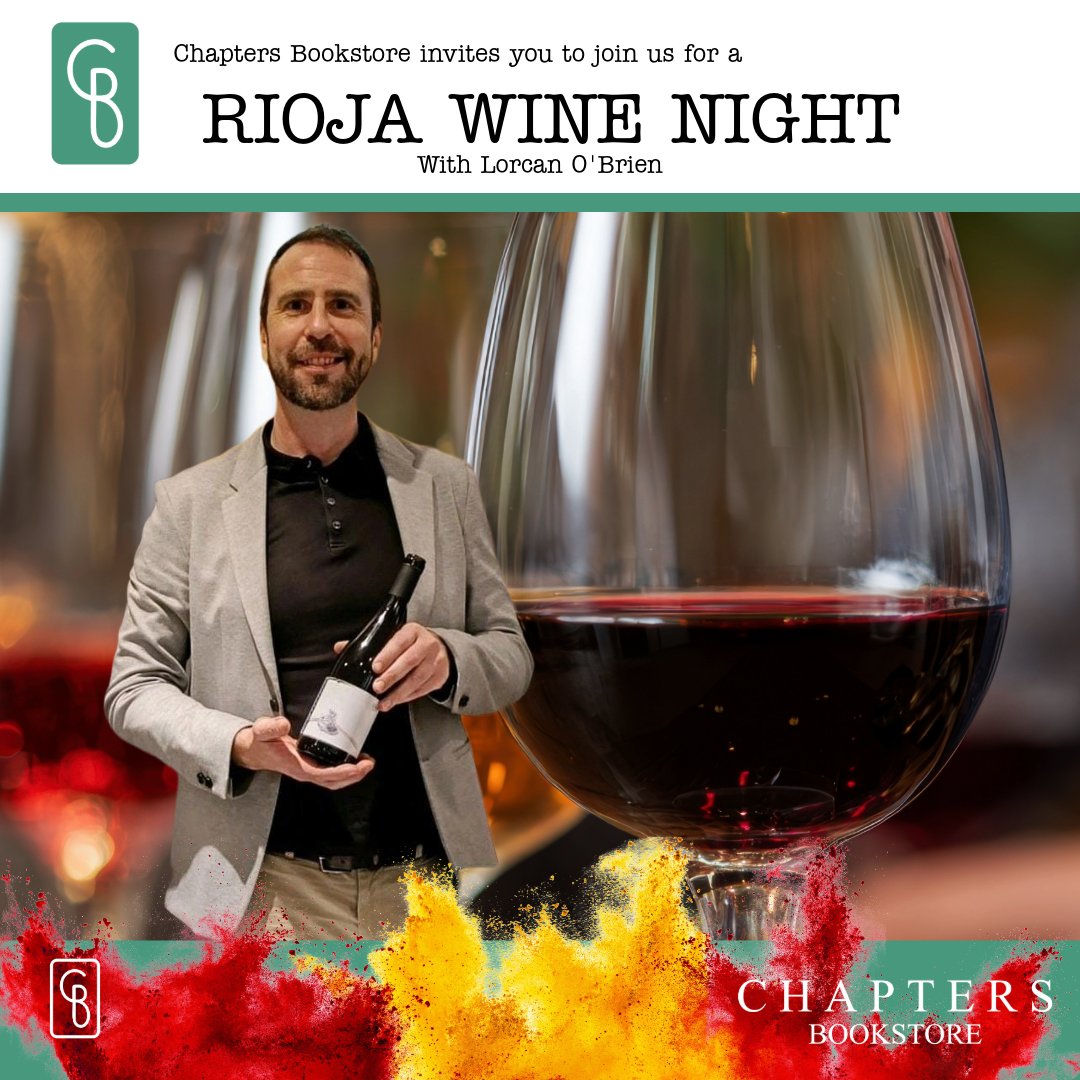
We won Bookshop of the Year & immediately thought: yes, but what if there was wine? Join us for a Rioja Night with Lorcan O’Brien. Taste, learn, meet lovely people & leave with 2 bottles chosen by an actual sommelier! Wed May 13th, 6.30–8.30pm eventbrite.ie/e/rioja-tastin…
Chapters Bookstore Dublin tweet media
English
1
4
15
306
PortiaCommunications retweetledi
Architecture & Tradition
Architecture & Tradition@archi_tradition·
Puente Nuevo in Ronda, Spain 🇪🇸
Architecture & Tradition tweet media
Español
20
291
1.5K
31.8K
PortiaCommunications retweetledi
Timeless Colours
Timeless Colours@timelesscolours·
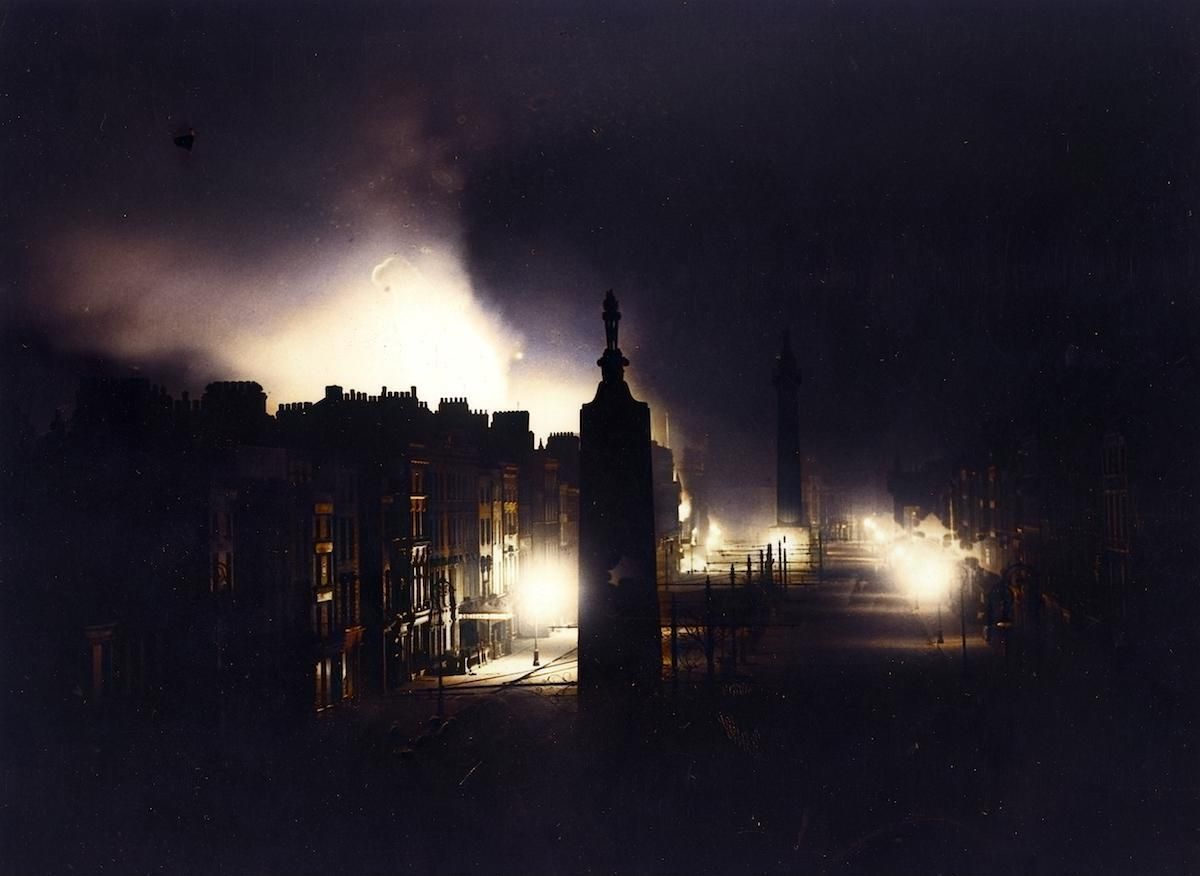
A City Ablaze Haunting view looking south on Sackville Street shows a city illuminated by fires, consuming the GPO and other buildings. Nelson’s Pillar rises in silhouette. Rare long-exposure taken in near-total darkness, captures the scale of the devastation.
Timeless Colours tweet media
English
0
23
115
3.9K
PortiaCommunications retweetledi
Archaeo - Histories
Archaeo - Histories@archeohistories·
Etruscan Terracotta Sarcophagus of the Spouses (520-510 BC) - Musée du Louvre 🇫🇷 One of the distinguishing features of Etruscan society, and one that caused much shock and horror to their Greek neighbors was the relative freedom enjoyed by Etruscan women. Unlike women in ancient Greece or Rome, upper class Etruscan women actively participated in public life—attending banquets, riding in carriages and being spectators at (and participants in) public events. Reflections of such freedoms are found throughout Etruscan art; images of women engaged in these activities appear frequently in painting and in sculpture. Sarcophagus of the Spouses was found in Cerverteri, a town in Italy north of Rome, which is the site of a large Etruscan necropolis (or cemetery), with hundreds of tombs. Sarcophagus vividly evokes both social visibility of Etruscan women and a type of marital intimacy rarely seen in Greek art from this period. In sarcophagus (and another largely identical example at the Villa Giulia in Rome), two figures recline as equals as they participate in a banquet, possibly a funerary banquet for dead. In contemporary Greece, only women attending public banquets, or symposia, were courtesans, not wives. The affectionate gestures and tenderness between the Etruscan man and woman convey a strikingly different attitude about status of women and their relative equality with their husbands. Aside from its subject matter, the sarcophagus is also a remarkable example of Etruscan large-scale terracotta sculpture (terracotta is a type of ceramic also called earthenware). At nearly two meters long, object demonstrates rather accomplished feat of modeling clay figures at nearly life-size. Artists in Etruscan cities of Cerveteri and Veii in particular preferred working with highly refined clay for large-scale sculpture as it provided a smooth surface for application of paint and inclusion of fine detail. Handling such large forms, however, was not without complications; evidence of this can be seen in cut that bisects the sarcophagus. Splitting the piece in two parts would have allowed the artist to more easily manipulate pieces before and after firing.  If you look closely, you can also see a distinct line separating figures and lid of sarcophagus; this was another trick for creating these monumental pieces, modeling the figures separately and then placing them on top of their bed. A really lovely characteristic of this sculpture is preservation of so much color. In addition to colored garments and pillows, red laced boots, her black tresses and his blond ones, one can easily discern gender specific skin tones so typical in Etruscan art. Man's ochre flesh signifies his participation in a sun-drenched, external world, while woman's pale cream skin points to more interior, domestic one. Gendered color conventions were not exclusive to Etruscans but have a long pedigree in ancient art. Though their skin and hair color may be different, both figures share similar facial features archaic smiles, almond shaped eyes and highly arched eyebrows, all typical of Etruscan art. One of the great puzzles of the sarcophagus centers on what the figures were holding. Etruscan art often featured outsized, expressive hands with suggestively curled fingers. Here the arm positions of both figures hint that each must have held small objects, but what? Since the figures are reclining on a banqueting couch, objects could have been vessels associated with drinking, perhaps wine cups or representations of food. Another possibility is that they may have held alabastra, small vessels containing oil used for anointing the dead. Or perhaps, they held all of the above food, drink and oil, each a necessity for making the journey from this life to next. Whatever missing elements, conviviality of moment and intimacy of figures capture the life-affirming quality often seen in Etruscan art of this period, even in the face of death. © Dr. Laurel Taylor #archaeohistories
Archaeo - Histories tweet media
English
2
51
280
10.1K
PortiaCommunications retweetledi
Architecture & Tradition
Architecture & Tradition@archi_tradition·
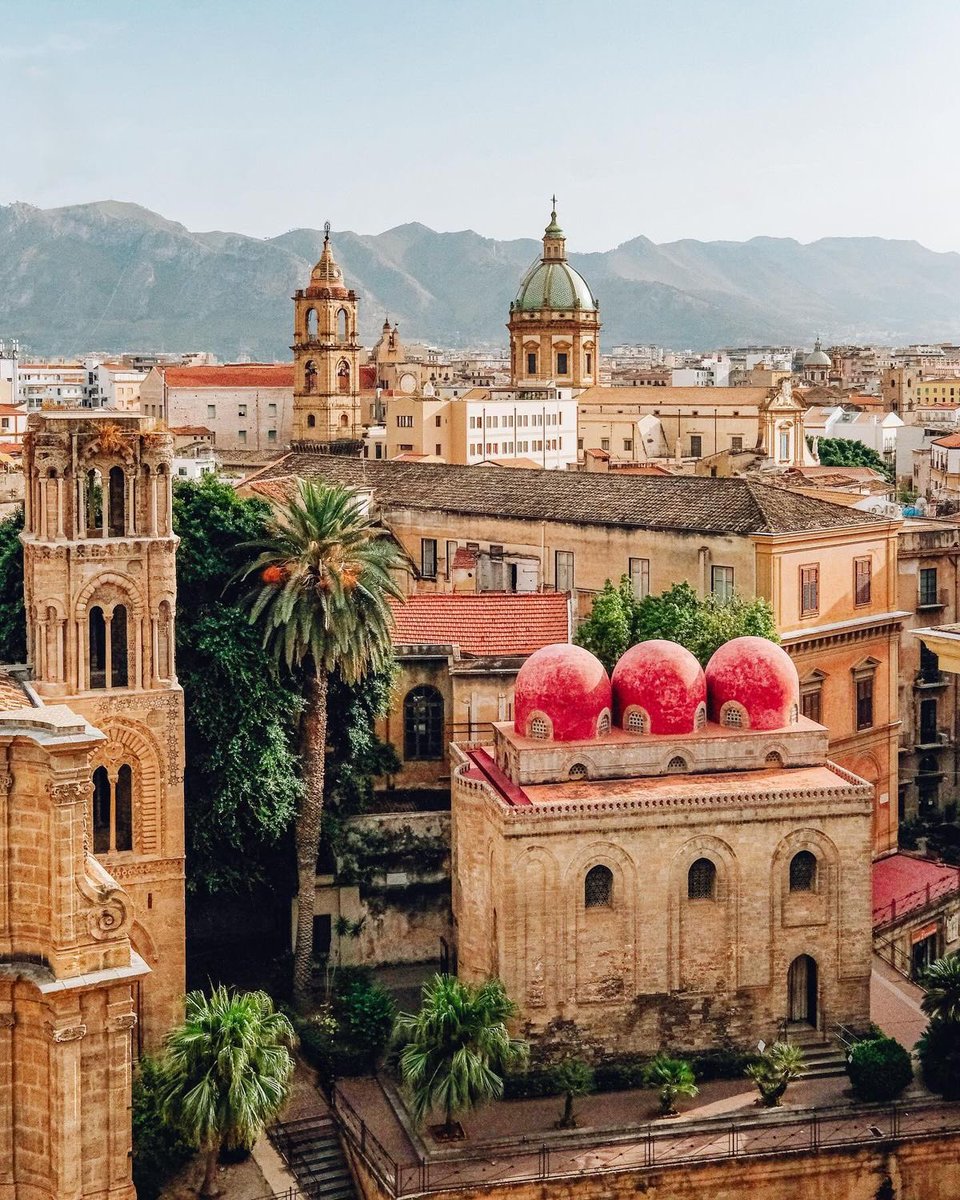
Palermo, Sicily 🇮🇹
Architecture & Tradition tweet media
Español
14
220
1.3K
85.3K
PortiaCommunications retweetledi
Brian Groom
Brian Groom@GroomB·
A Soft Day in Lahinch, County Clare, painting by Letitia Marion Hamilton, Irish artist (1878-1964).
Brian Groom tweet media
English
2
60
254
5.1K
PortiaCommunications retweetledi
Beatrice Groves
Beatrice Groves@beatricegroves1·
Whitebells 🤍💙🤍 It is thought that these native white bluebells occur only once in every 10,000 flowers💜 These albino versions are much more common in the Spanish variety familiar in UK gardens💙💜💙 #FlowersOnFriday
Beatrice Groves tweet media
English
16
107
736
5.5K
PortiaCommunications retweetledi
Timeless Colours
Timeless Colours@timelesscolours·
Two Irish Volunteers inside barricaded GPO during the Easter Rising 1916. It became symbolic headquarters of the self‑proclaimed Irish Republic. Amazingly, the Volunteers would hold the GPO against British forces, artillery & machine-gun fire, for the better part of a week.
Timeless Colours tweet media
English
16
99
449
10.2K
PortiaCommunications retweetledi
Marsh's Library
Marsh's Library@MarshsLibrary·
In a letter Pádraig Ó Conchubhair recounted a visit to Marsh's in 1924 when he was blocked from entering by a woman cleaning the steps. Wearing a fedora & trench coat he looked like a gunman. #census1926 has possibly given a name to our defender, library caretaker Mary Ann Gwynne
Marsh's Library tweet mediaMarsh's Library tweet media
English
1
9
51
2K
PortiaCommunications retweetledi
Sryan Bruen Photography
Sryan Bruen Photography@sryanbruenphoto·
Killiney Hill sunset
Sryan Bruen Photography tweet media
English
0
7
83
911
PortiaCommunications retweetledi
Beatrice Groves
Beatrice Groves@beatricegroves1·
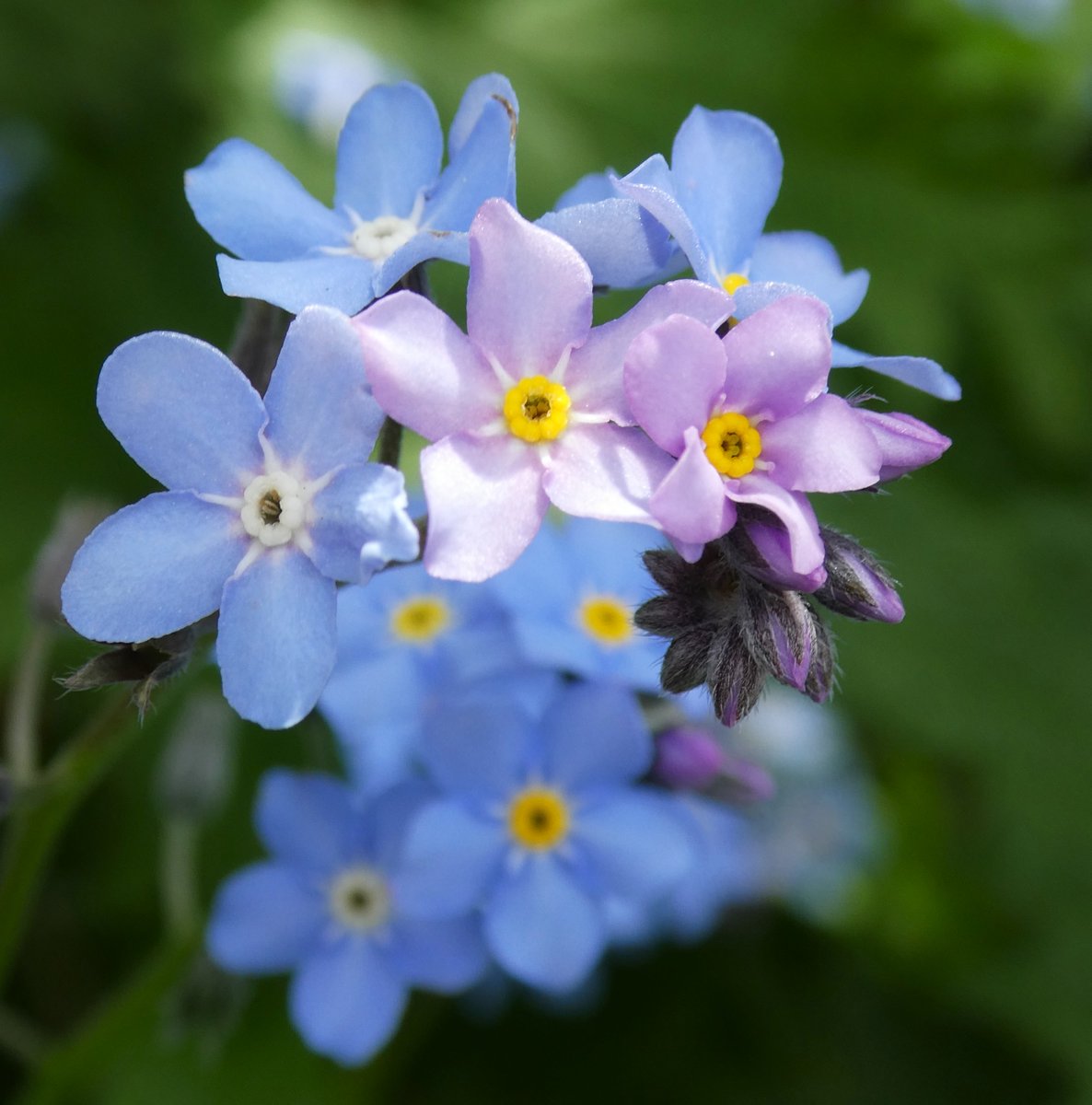
'Hope's gentle gem, the sweet Forget-me-not' (Coleridge) The deep yellow ring at the centre of a forget-me-not signals that it has nectar💙 When the flower has been pollinated, this fades to white to save bees' time💙🐝💙 #BlueMonday
Beatrice Groves tweet media
English
19
199
1K
8.3K
PortiaCommunications retweetledi
Dr Gillian Kenny
Dr Gillian Kenny@medievalgill·
The first full census made in 1926 in the newly independent Ireland is being released online tomorrow (Saturday 18th April). Ahead of that my friend Professor Ciara Breathnach has written a wonderful and informative piece on the richness to be found in this census. I, for one, will be diving in over the weekend to check up on where my ancestors were at in 1926 theconversation.com/80-million-peo…
English
3
65
196
16.4K