Dylan Rowland

4.9K posts

Dylan Rowland banner
Dylan Rowland

Dylan Rowland

@PresbyRealist

Christian, Husband, Father, and Minister at Covenant Orthodox Presbyterian Church in Mansfield, OH. A student from the school of Old Princeton Seminary.

The great state of Ohio Katılım Nisan 2009
1.4K Takip Edilen539 Takipçiler
Sabitlenmiş Tweet
Dylan Rowland
Dylan Rowland@PresbyRealist·
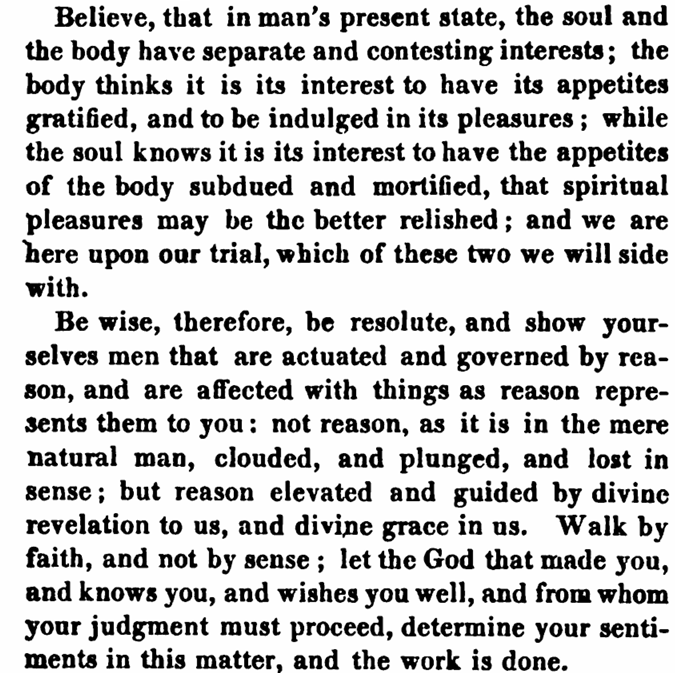
From Matthew Henry's Pleasantness of a Religious Life
Dylan Rowland tweet media
English
0
0
6
477
Dylan Rowland retweetledi
J. E. Smith
J. E. Smith@DordtyHylemorph·
"Pelagius heretically called humane nature grace; we may piously and truly call saving grace divine nature; to be Godly is to be God like. God is holy, just, wise, good, spiritual, heavenly, and it is his very nature to be so. And he that is of such an heavenly spirit and carriage... though otherwise he be a poor weak man subject to humane infirmities, yet by this his conformity to God he is raised to divine perfection." - Tuckney, Forty Sermons, 238.
J. E. Smith@DordtyHylemorph

Anthony Tuckney on 2 Peter 1:4 Anthony Tuckney (Westminster divine and chairman of the Assembly’s committee for the Larger Catechism) on 2 Peter 1:4 (and yes, he does affirm that Adam had this grace): “8. As Nature sometimes anticipates Reason, so this Divine Nature [i.e., as he describes, a created participation of the divine nature/life, primarily consisting of habitual grace in the soul] always exceeds and goeth beyond that which is only humane. Divinity is above Humanity, Grace above Nature. A Christian is not ψιλὸς ἄνθρωπος a bare man, but more than a man. And therefore to have or express no more than what Nature can work, or natural men by other helps can attain to, κατ' ἄνθρωπον περιπατεῖν, to walk as [mere] men with the Apostle, 1 Cor. 3. 3. terminus minuens, or (as Cap. 6. 7. he calls the like) it's ἥττημα a defect, in which we fall much short of, and below that which a man of God that is made partaker of the Divine Nature, should arrive at, and come up to. For as man by nature and kind is and acts above other creatures, so a Christian man should even above himself, as a man, and above other men that want that Divine Principle. […] [A]s long as the sanctifying Spirit acts and abides in us, we are true Nazarites, as by our holy Vows separated to God, so we should be (though not wholly separated, yet) very much distinguished from other ordinary men. Christ expects from us a τι περισσόν, Mat. 5. 47. something singular, eminent, and transcendent. […] [Gasparo] Contarini (de Justificat.) makes the comparison of the manners of a Rustick and of a Citizen or Courtier: and a like difference he saith there is between the carriage of an earth-born sinner and a Saint made partaker of the Divine Nature. The Sons of Princes should not be in the garb of Peasants children; but that comparison is too low. Between Nature and Grace there should be a more vast distance. A Child of God should be as much above a natural man as heaven is above the earth, and as much above a fouler sinner, as heaven is above hell.” - Anthony Tuckney, Forty Sermons, 246-247 [2nd of 4 sermons on 2 Peter 1:4, in which he discourses at length on this text and on this topic].
English
0
3
11
2.4K
Dylan Rowland retweetledi
J. E. Smith
J. E. Smith@DordtyHylemorph·
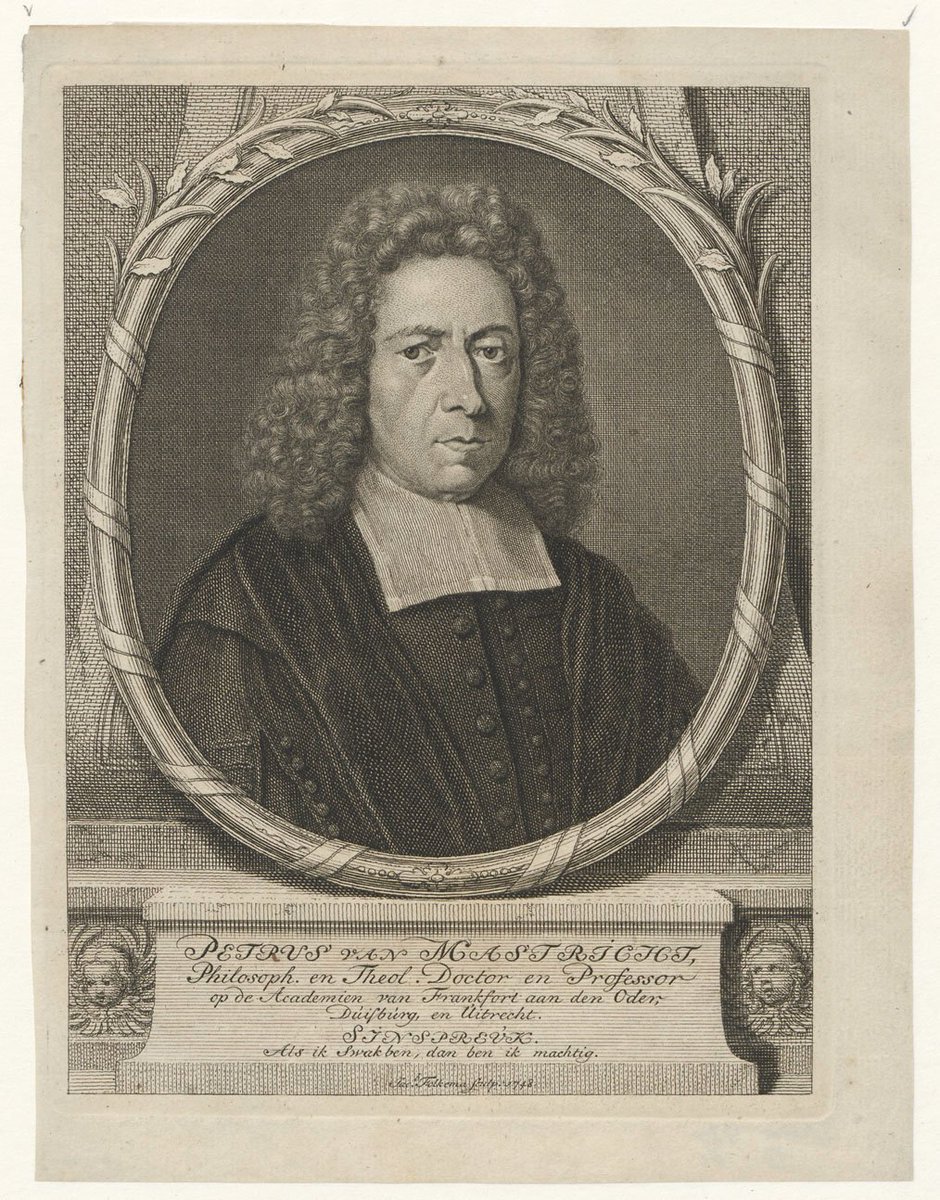
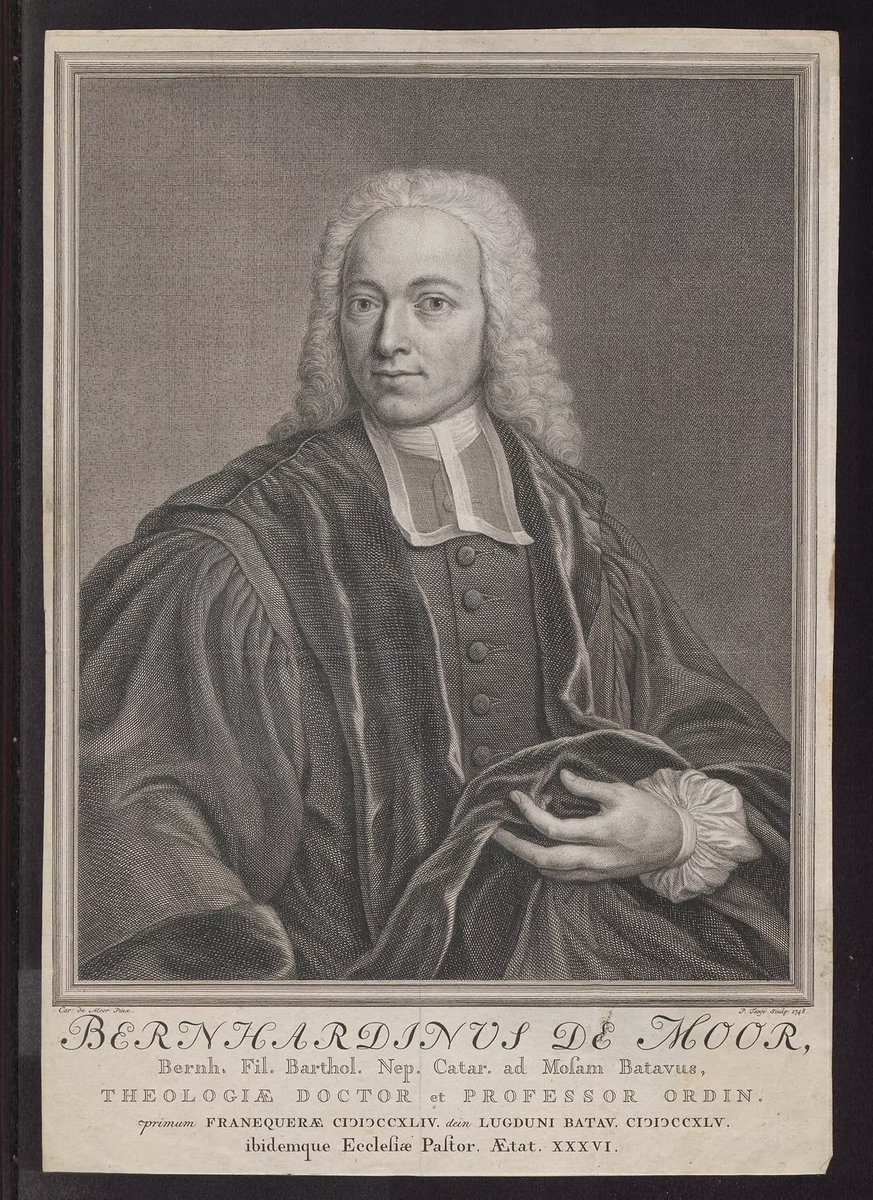
Nature-Grace-Dualism Maxxing in Mastricht and De Moor? "The threefold love of God toward his creatures IX. From this emerges a threefold love of God, that is, toward his creatures: (1) a universal love (Ps. 104:31; 145:9), through which he created, conserves, and governs all things (Ps. 36:6; 147:9). (2) A common love, extending itself particularly to men, certainly not to each and every individual, but yet indiscriminately to anyone, as much the reprobate as the elect, of which kind is also the love that dispenses the benefits that are mentioned in Hebrews 6:4–5 and 1 Corinthians 13:1–2. (3) A love proper to the elect, by which he dispenses saving benefits to them, benefits that accompany salvation (Heb. 6:9), which accordingly are different from nature and natural benefits. For it is most terrible to confuse nature and grace. [...] What grace is, as far as its substance XIV. Grace, if you consider its substance, is nothing but undeserved love. Since it is called love, everything we have already said about love applies to it. Insofar as this love is undeserved, or entirely free and independent of all worth and merit of the creature, it is specifically called grace (Rom. 11:6), such that the whole rationale of his dispensing it, according to the Scriptures, is in the good pleasure of his will (Matt. 11:26; Eph. 1:5). This grace accordingly considers each and every creature, all the way up to the blessed angels, for whatever they have, they have it by the pure and unadulterated grace of God, for who before him has given to him that he might be repaid? (Rom. 11:35) At the same time, those things are specifically attributed to grace which are different from nature. For nature must not be confused with grace, because natural things, since they are owed as it were from the benevolent constitution of God to every creature, if not individually at least insofar as it belongs to a species, are not customarily considered as grace, inasmuch as grace, being added to nature, is by all means un-owed. What is universal grace and what sort is it? XV. Now we would not repeat concerning grace what we just above taught concerning love, if a manifold controversy, one that has been in every age most vexing, did not urge us to do so. There is, then, first, universal grace, by which God dispenses natural things to each and every creature and is thus named the Savior of all (1 Tim. 4:10), the one who saves beasts and men (Ps. 36:6) and takes cares that his sun rises over the field of the just and the unjust (Matt. 5:45), concerning which see above. This grace particularly confers to man his free choice and whatever sort of strength he has for natural good, and also stirs up and encourages that strength by its influence. And all these things, although they come forth from the gratuitous love of God, and thus from grace, yet in the use of Scripture, and also of all ancient orthodoxy, rarely and less properly are they called grace. For the latter tradition cautiously distinguished nature from grace against the Pelagians." - Petrus van Mastricht, TPT (RHB ed.), 2:351, 353–354. -------------- "The Grace of God, taken in a general way for divine Favor [which produces its effects in the creaturely subject], is also able to be attributed to Adam in the State of Integrity; but commonly is referred to the Sinner, who through the Fall became less Worthy of the Grace of God; and it is also opposed to Nature and Natural Beneficence, which two things the Pelagians erroneously confound." - De Moor, Didactico-Elenctic Theology, IV:22 [fromreformationtoreformation.com/post/de-moor-i…].
J. E. Smith tweet mediaJ. E. Smith tweet media
J. E. Smith@DordtyHylemorph

"Pelagius heretically called humane nature grace; we may piously and truly call saving grace divine nature; to be Godly is to be God like. God is holy, just, wise, good, spiritual, heavenly, and it is his very nature to be so. And he that is of such an heavenly spirit and carriage... though otherwise he be a poor weak man subject to humane infirmities, yet by this his conformity to God he is raised to divine perfection." - Tuckney, Forty Sermons, 238.
English
0
4
21
1.8K
Dylan Rowland retweetledi
J. E. Smith
J. E. Smith@DordtyHylemorph·
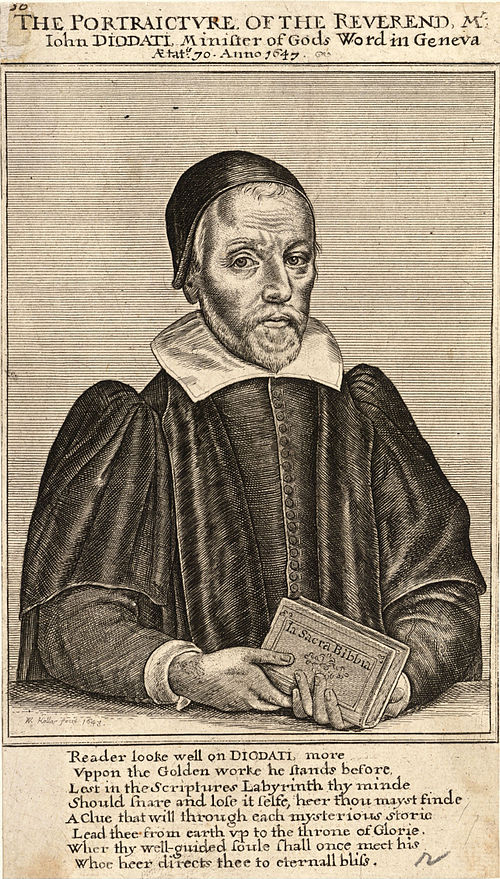
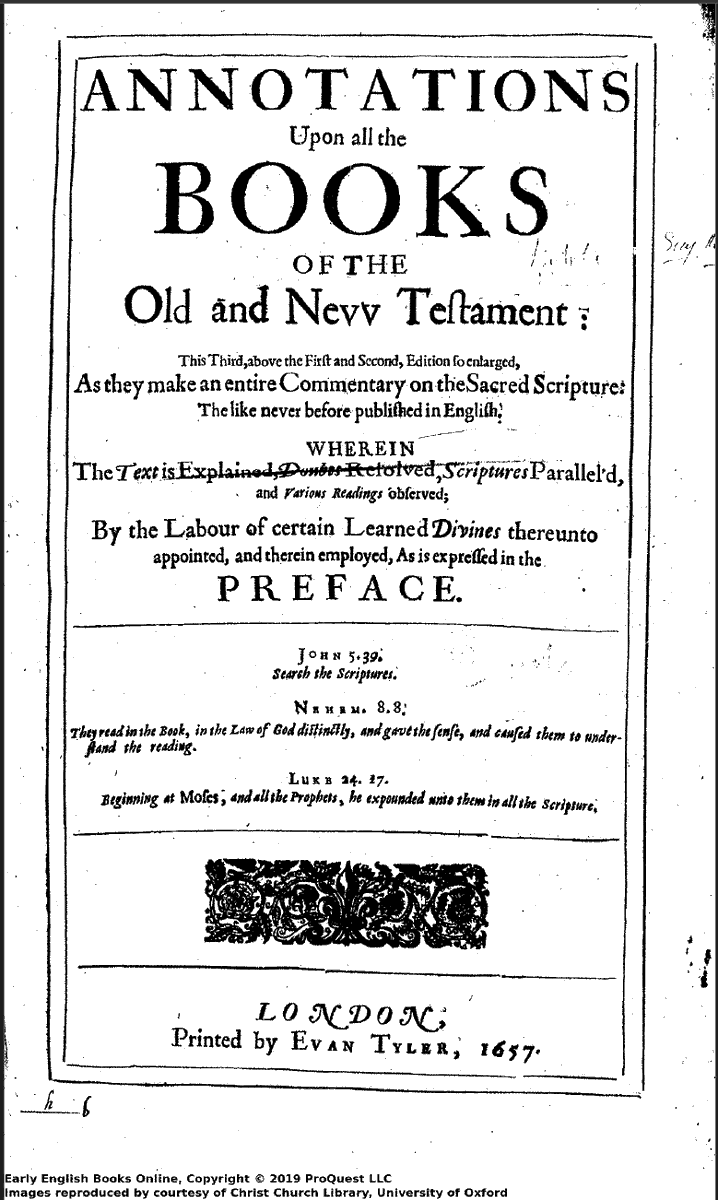
"Gods grace doth not destroy the manner of rationall working in man, but onely addeth a supernaturall virtue to it. Philip. 3. 12. 14." - Giovanni Diodati, Pious Annotations Upon the Holy Bible (1651), Song of Songs 1:4. ---- "Grace destroyes not nature, but perfects her by supernatural reliefs [i.e. - aids/assistance]." - English ["Westminster"] Annotations (1657), Song of Songs 1:4.
J. E. Smith tweet mediaJ. E. Smith tweet media
English
0
6
25
2.1K
Dylan Rowland
Dylan Rowland@PresbyRealist·
“The cause and motive toove God, is God; the manner is without measure….All man's love must be carried in the stream of God's love.” - Thomas Adams
English
0
0
0
41
Dylan Rowland
Dylan Rowland@PresbyRealist·
@_MattBear It's from his treatise The Beauty of Grace. It's excellent!
English
0
0
2
42
Dylan Rowland
Dylan Rowland@PresbyRealist·
"Grace hath a soul-strengthening excellency, it enables a man to do that which exceeds the power of nature. Grace teacheth to mortify our sins, to love our enemies, to prefer the glory of Christ before our own lives." - Thomas Watson
English
1
1
4
219
Jonathan Ramont
Jonathan Ramont@jonathanramont·
Favorite theologian of all time: Franciscus Junius Theologian I dislike: Dooyewerd Theologian that grew on me: William Ames Most overrated theologian: Thomas Aquinas Most underrated theologian: Shedd The G.O.A.T.: Augustine
The Presbytery Inn@PresbyInn

Favorite theologian of all time: John Calvin Theologian I dislike: David Bentley Hart Theologian that grew on me: Richard Baxter Most overrated theologian: Thomas Aquinas Most underrated theologian: The Aberdeen Doctors The G.O.A.T.: Augustine

English
10
1
41
6.5K
Dylan Rowland retweetledi
Jonathan J. McKenzie
Jonathan J. McKenzie@JonMcK1647·
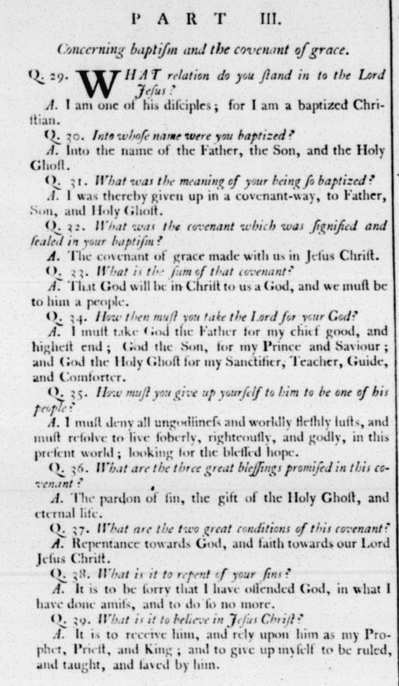
Matthew Henry on baptism and the Covenant of Grace in his A Plain Catechism For Children:
Jonathan J. McKenzie tweet media
English
3
4
30
1.6K
Dylan Rowland retweetledi
Michael Reeves
Michael Reeves@mike_reeves·
Prayer is the breath of God returning whence it came. How then could he ever spurn the very cry that his own Spirit has put in us?
English
7
33
181
4.1K
Dylan Rowland retweetledi
Jonathan Ramont
Jonathan Ramont@jonathanramont·
John Owen on the Beatific Vision: “This beholding of the glory of Christ given him by his Father, is, indeed, subordinate unto the ultimate vision of the essence of God. What that is we cannot well conceived; only we know that the ‘pure in heart shall see God.’ But it has such
English
1
2
9
1.5K
Dylan Rowland
Dylan Rowland@PresbyRealist·
objects, without regard to Goď's honor, or law; because there is no true regard to these divine things left in him." - Jonathan Edwards
English
0
0
0
21
Dylan Rowland
Dylan Rowland@PresbyRealist·
left to take possesion of the whole house, soon brings all to destruction. Man's love to his own honor, separate interest, and private pleasure, which before was wholly subordinate unto love to God and regard to his authority and glory, now dispose and impel man to pursue those
English
1
0
0
40
Dylan Rowland
Dylan Rowland@PresbyRealist·
"When man sinned, and broke God's covenant, and fell under his curse, these superior principles left his heart: for indeed God then left him; that communion with God, on which these principles depended, entirely ceased; the Holy Spirit, that divine inhabitant forsook the house.
English
1
0
0
37
Dylan Rowland
Dylan Rowland@PresbyRealist·
Why is the work of holiness in the heart called grace? Because it hath a supereminency above nature ; it is a flower which doth not grow in nature's garden ; it is of a divine extraction. By reason we live the life of men, by grace we live the life of God. - Thomas Watson
English
0
1
2
187