❝In our religious doctrine, to which we adhere, we seek guidance from the Book of Aḷḷa̲h, the Sunnah of His Prophet, the teachings of the Companions, the generation that followed them, and the ʾImām's of H̲adi̲t̶h̶. We hold fast to this doctrine.
KS.ˆĀdil
6K posts


❝In our religious doctrine, to which we adhere, we seek guidance from the Book of Aḷḷa̲h, the Sunnah of His Prophet, the teachings of the Companions, the generation that followed them, and the ʾImām's of H̲adi̲t̶h̶. We hold fast to this doctrine.


Imam Ahmad ibn Hanbal (رحمه الله) was asked: “Can prayer be performed behind a person who gives preference to Ali (رضي الله عنه) over Abu Bakr and Umar (رضي الله عنهما)?” He replied: “Prayer should not be performed behind such a person.”


Ibn al-Jawzī said in al-Radd ʿalā al-Mutaʿaṣṣib al-ʿAnīd al-Māniʿ min Dhamm Yazīd (p. 87): The opponent said: “Why did you not remain silent about [speaking against] Yazīd out of respect for his father [Sayyidunā Muʿāwiyah صلى الله عليه وسلم]?”


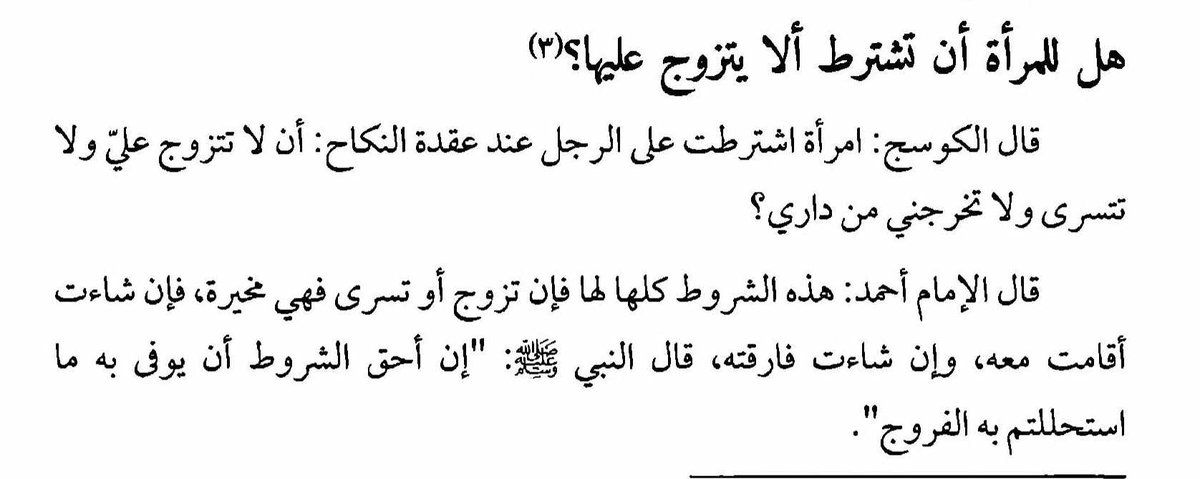
married brothers approaching sisters who clearly state they do not want to be a second wife boggle me also just bc someone is studying at the Islamic university in Madinah doesn't mean that they will have the Adaab & Akhlaaq needed to accompany علم والله المستعان


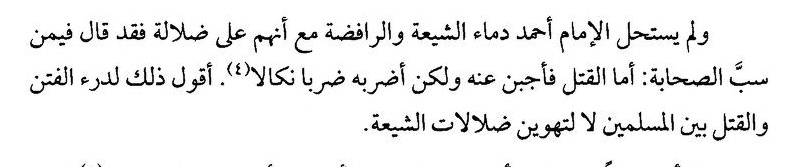
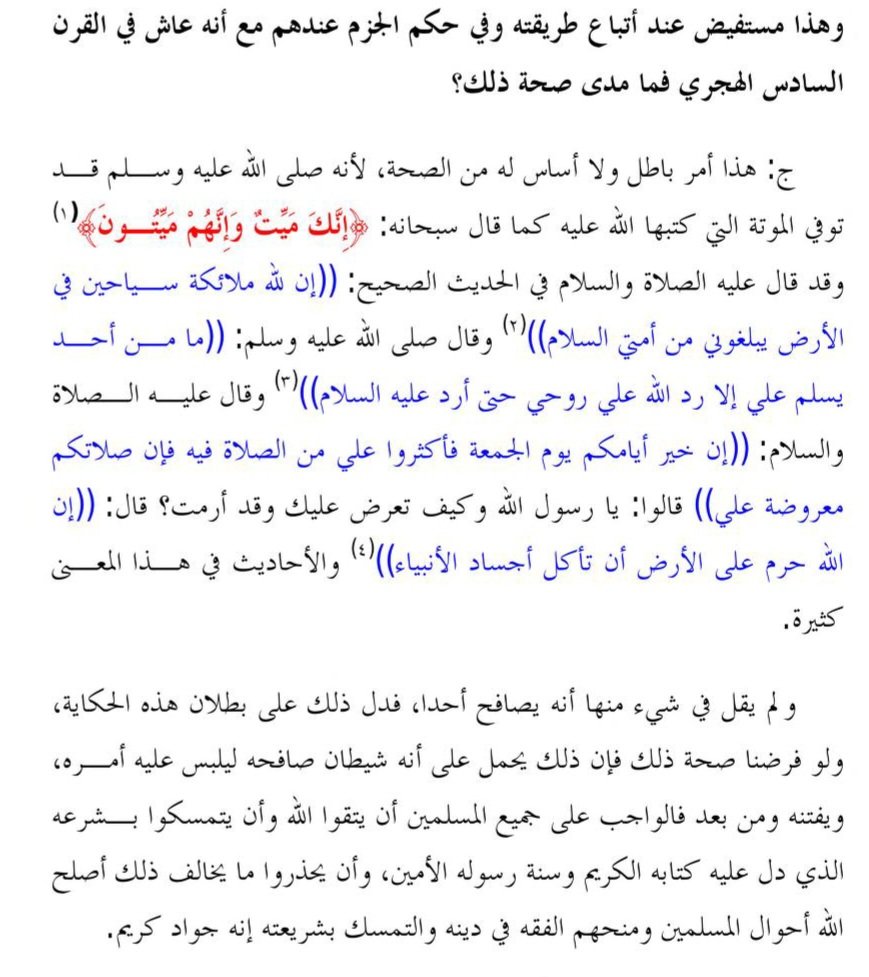
Imām Aḥmad did not permit the blood of the Shīʿah and the Rāfiḍah, even though they are in misguidance. For he said regarding one who insults the Companions: “as for killing, he refrained from it, but he would strike him as a punishment.” [¹] I [the author] mention this to prevent tribulation and killing among Muslims, not to downplay the misguidance of the Shīʿah. 𒆜━━━✤༺𒆜༻✤━━━𒆜 ¹) See: 📖 Fatāwā of al-Imām al-Subkī | 5802. And in a narration, whoever insults a Companion is to be flogged ten lashes; this is his ruling according to Aḥmad.


This is a well known principle of Imam Abu Hanīfah, that he would not use a narration where the narrator acted in contrary to what he narrated. So when they see an issue where the Hanafī’s oppose a Hadith, they say Hanafi’s do not follow the evidence. No, they do, there’s just principles around why they opposed certain ahadith like the example below. Fiqh is not just black and white, you see an authentic Hadith so you follow it. Fiqh is based on Usūl and Qawa’id which are what positions and opinions are built upon through correct usage of the evidences available


Al-Imām al-Yāfiʿī said, after mentioning a number of beliefs held by the noble masters of the Ṣūfī ṭarīqah. I say: “Everything I have mentioned is the creed of the shuyūkh, the ʿārifūn, the elect awliyāʾ, the possessors of divine knowledge and radiant lights, and the creed of—


Marriage of an Elderly Man to a Young Girl Sh Muṣṭafā Ḥamdū ʿUlayyān al-Ḥanbalī: "In some societies where many people affiliate themselves with Imām Aḥmad, it has become common for an old man to marry a young girl, which often results in injustice to her. The leading—


Shaikh Ibn Bāz (رحمه الله) said: "The saying that it is obligatory upon the people to restrict themselves to the Four Madhhabs is a saying that has no basis—and it is rejected from the person who utters it." (Ijitād fil-Islām of Imām Ibn Bāz, p. 23) Shaikh Ibn Bāz held that it is not permissible for a mujtahid to blindly follow the Four Imāms—nor is it permissible for the one who knows the mistaken ijtihād of a scholar (that opposes the proofs) to make taqleed of him. He (رحمه الله) said: "It is not obligatory to make taqleed of any of the Four Imāms nor other than them, regardless of the level of their knowledge. That is because the Truth is in following the Book and Sunnah—not in blind following anyone from among the people." (Majmūʿ al-Fatāwā 3/52)


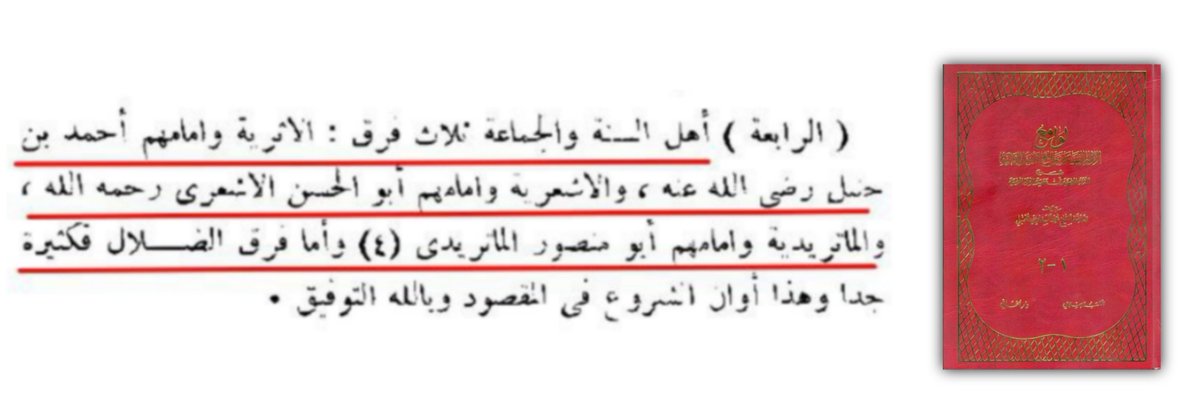
#SlightlyMoreSalafiThanYou Sāliḥ b. ʿAbd al-ʿAzīz Āl al-Shaykh says: “And this from him [i.e., al-Ṭaḥāwī] indicates that the meaning of the term “Ahl al-Sunnah wa’l-Jamāʿah” includes Ahl al-Ḥadīth wa’l-Athar, and includes the Māturīdīs and Ashʿarīs, and this is 𝗳𝗮𝗹𝘀𝗲.


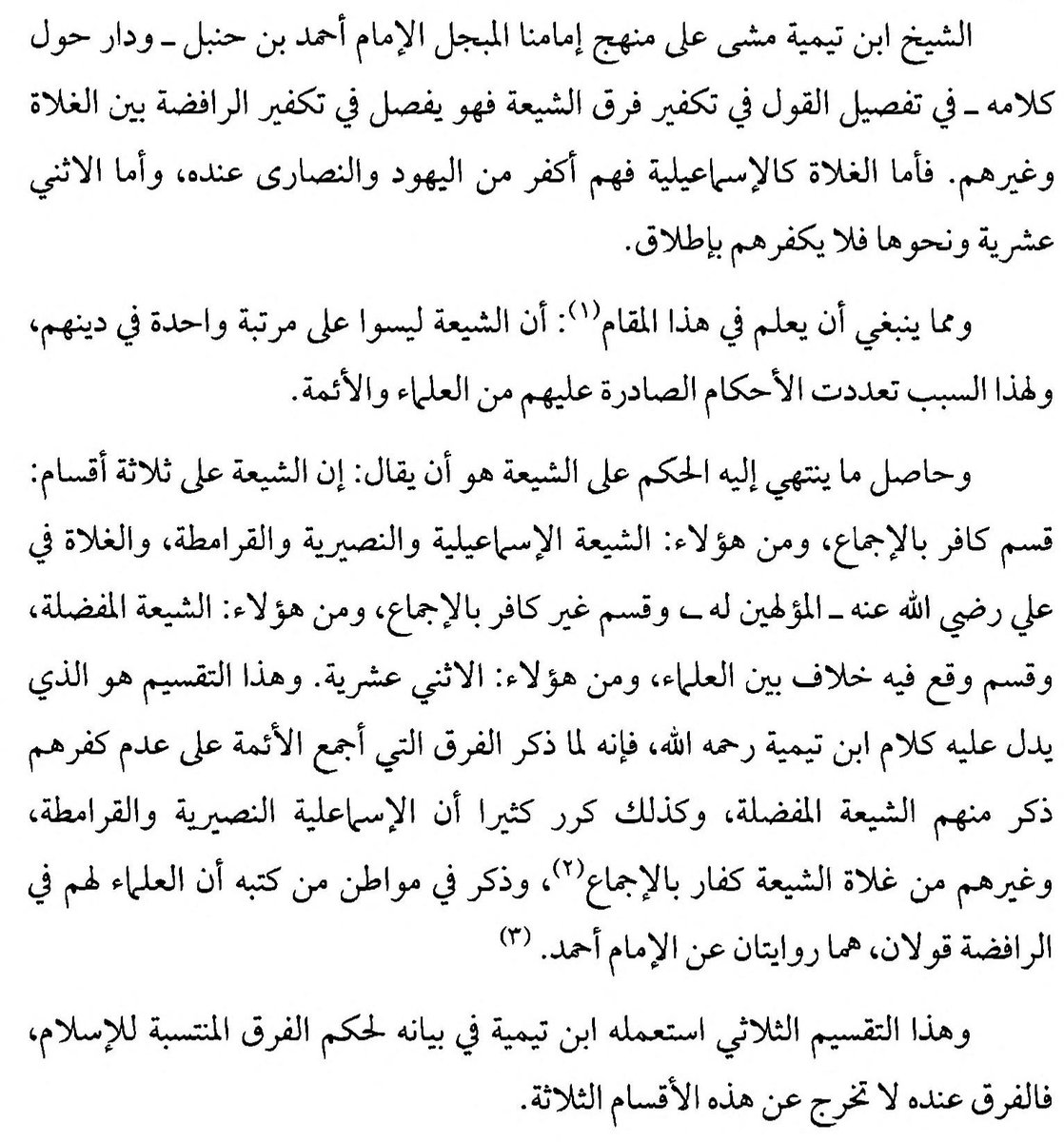
Statements of Contemporary Ḥanbalī Scholars on the ʾAs̶h̶ʿarīs. Sh Muṣṭafā Ḥamdū ʿUḷayyān al-Ḥanbalī: ʾAbū Yaʿlā’s position of including the ʾAs̶h̶ʿarīs among the ʾAhl al-Ḥadīt͟h was followed by the prominent 20th-century Kuwaiti Ḥanbalī scholar K̶h̶alaf al-Duḥayyān.