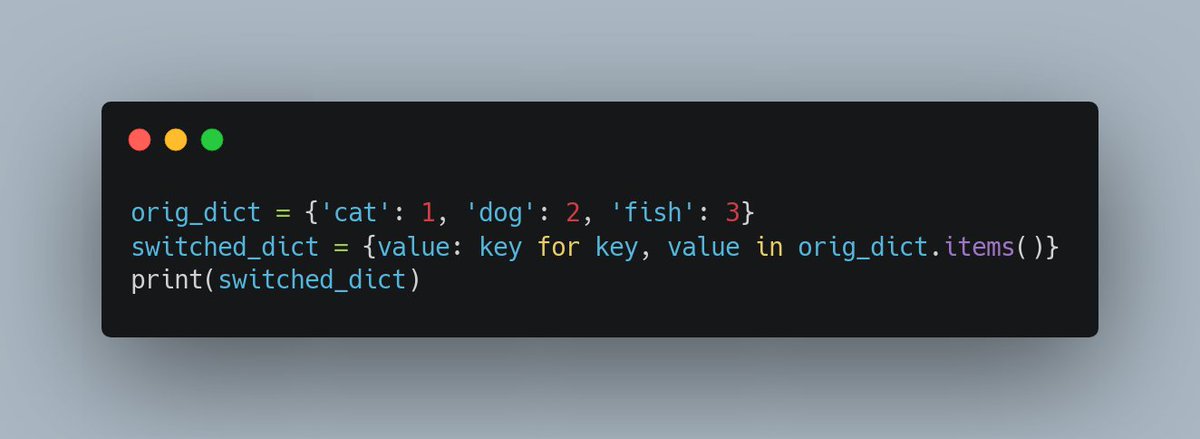
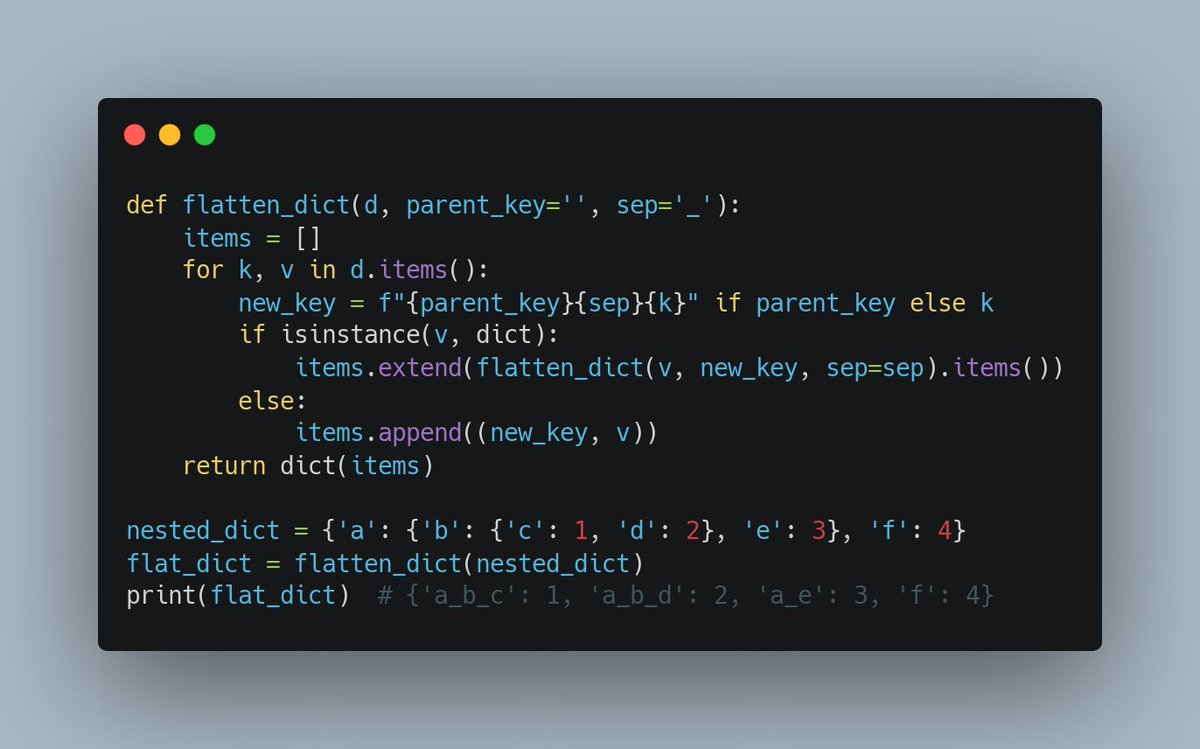
Ever wanted to quickly switch keys and values in your Python #dictionaries? Use dictionary comprehension!
This is a powerful and concise method to transform your dict data in Python. Let's see it in action:
Tweet 1:
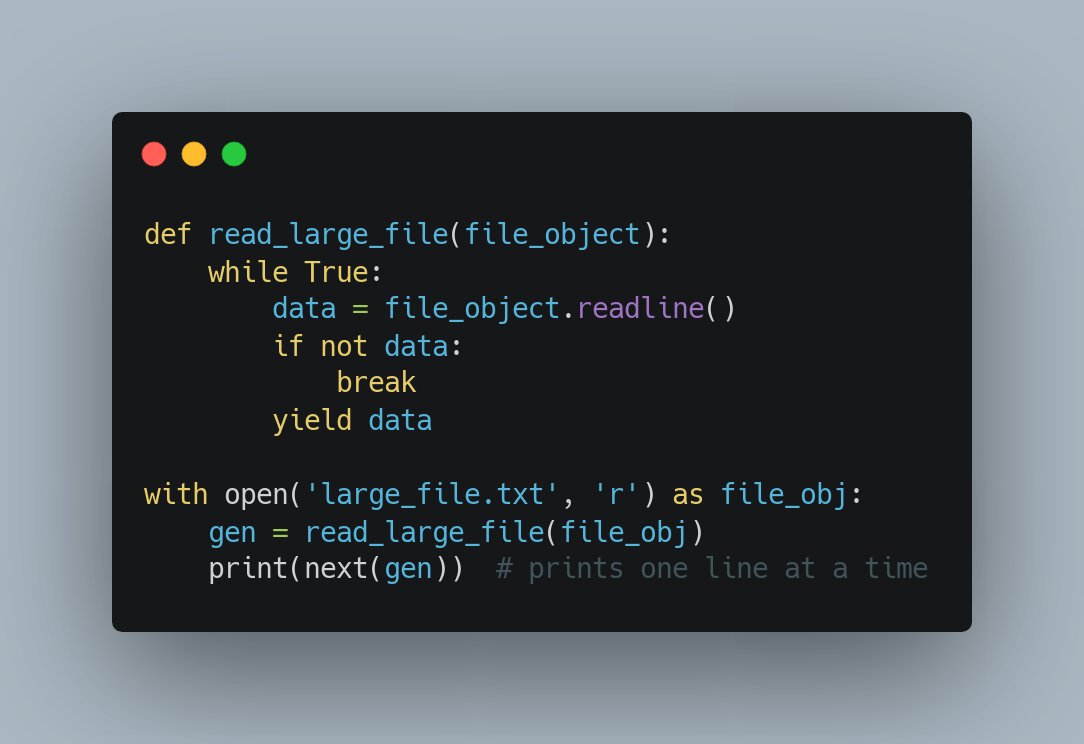
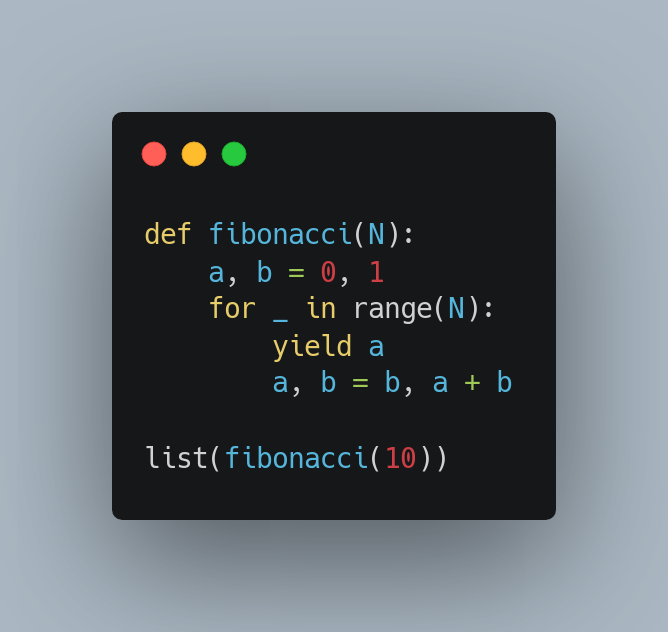
Ever wondered how some Python libraries handle computation lazily? The secret is generators! A must-know concept that helps saving memory and processing resources by generating data on-the-fly.
Example:
Tweet:
🚀 Want to write concise code? Try List Comprehensions! It's a Pythonic way to transform lists in a single line of code!
Example: Create a list of all even numbers from 0 to 20.
Code:
Tweet:
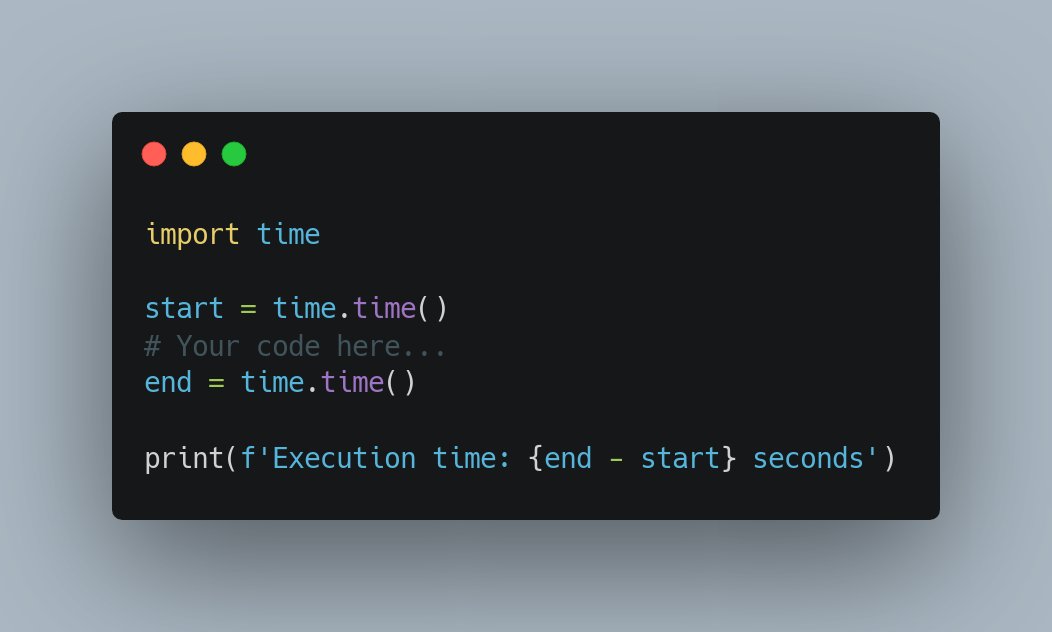
Ever thought about monitoring your code's performance? Python's built-in "time" module can help! This valuable tool allows you to time sections of your code. A handy feature during debugging and optimization.
Here's a practical example:
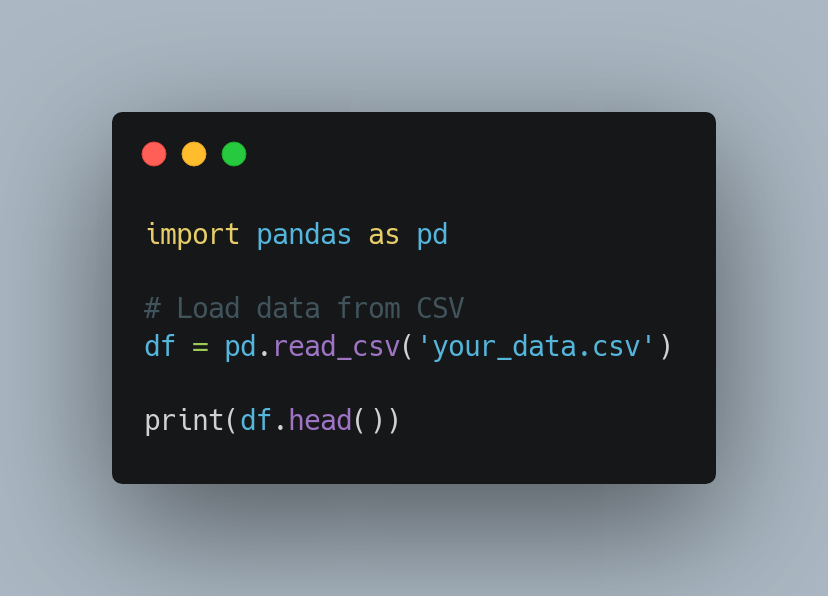
Ever had to organize and read CSV data in your Python projects? The Pandas library can help streamline the process! Let's import some data. #Python#Pandas🐼
Tweet:
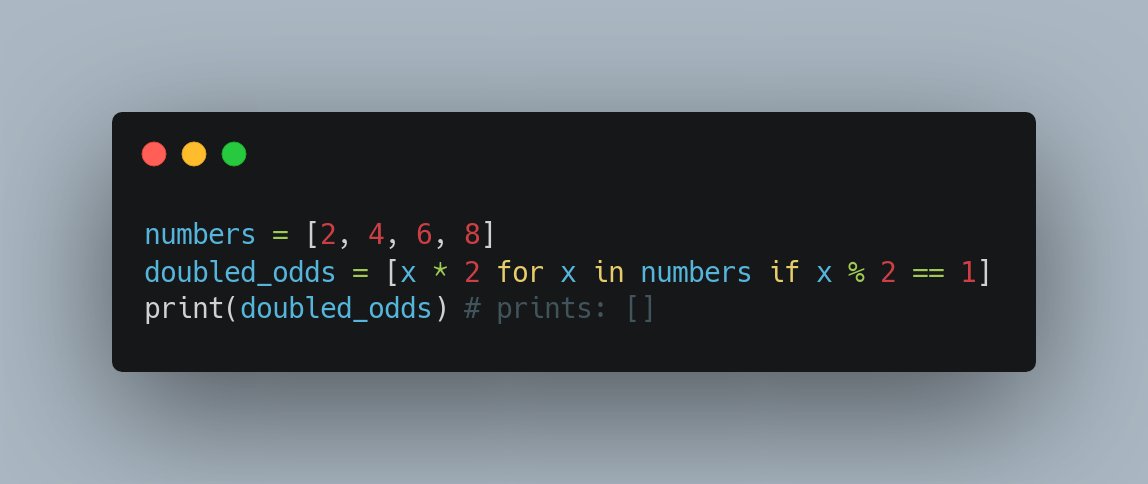
🚀 Imagine manipulating complex data structures with a single line of code! Python's List Comprehensions are a perfect tool to do so. They are a concise, readable and efficient way to create lists. Handy for cleaning and filtering data.
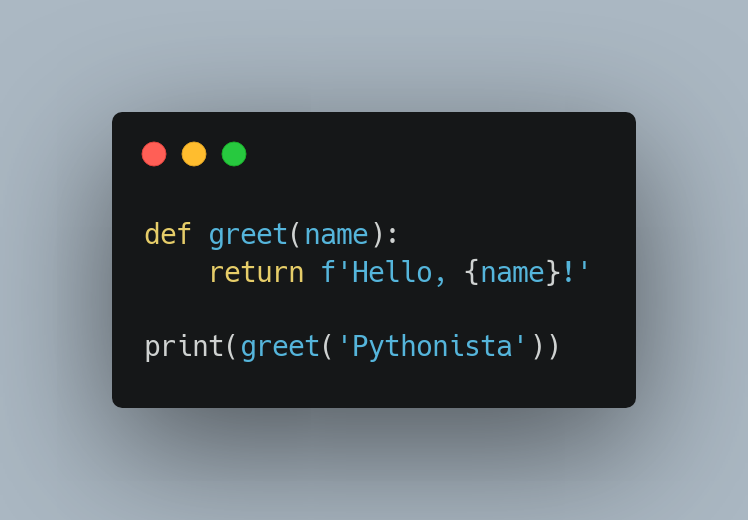
🤔 Ever come across a large chunk of repetitive code? 🐍 Python's functions can help!
Functions let us to pack code into reusable, manageable chunks that can be executed multiple times making our code DRY (Don't Repeat Yourself)
Here's a simple greet function!
⏬
Tweet:
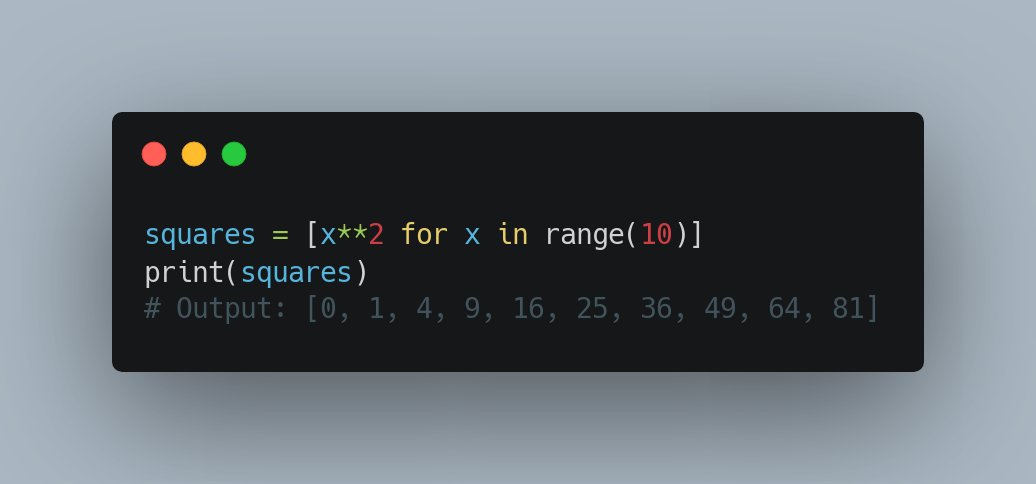
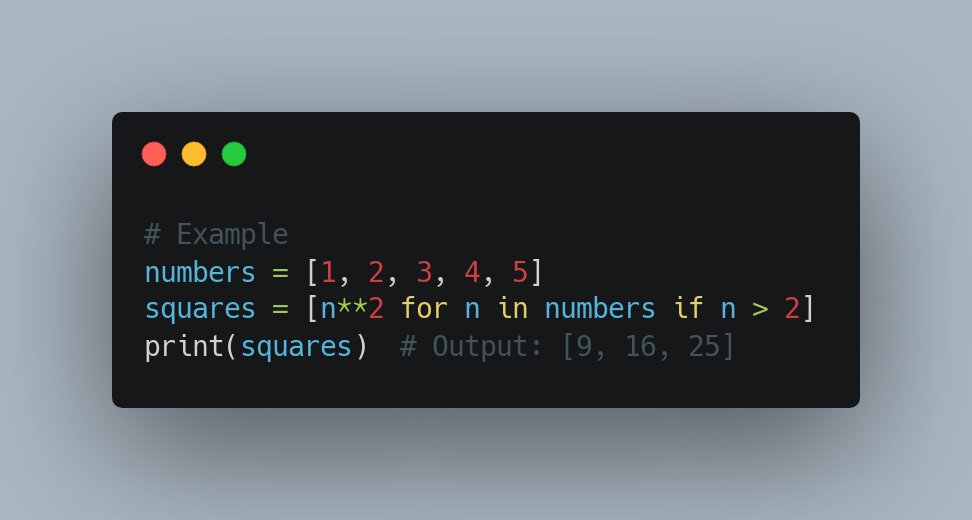
🧩 Ever heard of the magic of List Comprehensions in #Python? They provide a concise way to create lists, making your code cleaner and more readable. Here's how you can use them to quickly generate a list of squares 👇
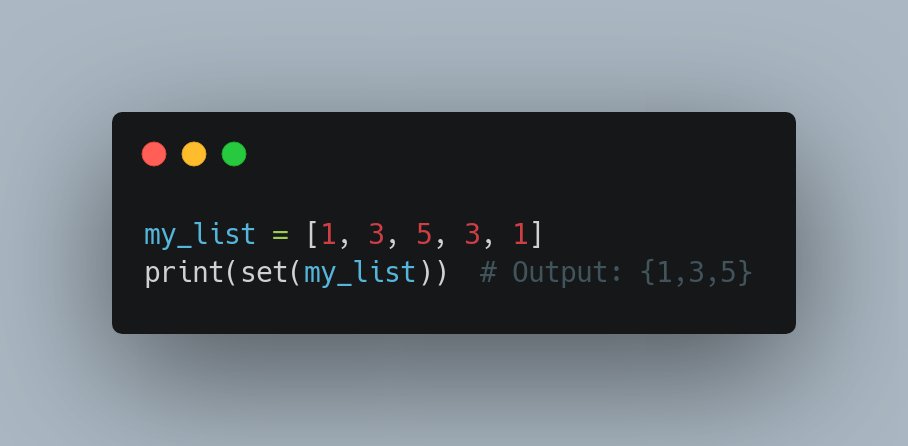
Ever lost track of similar elements in lists? Keep your data organized with Python's in-built data structure 'set'. Here's how:
#PythonTip: 'Set' in Python is an unordered collection of unique items. Useful for eliminating duplicates and membership tests.
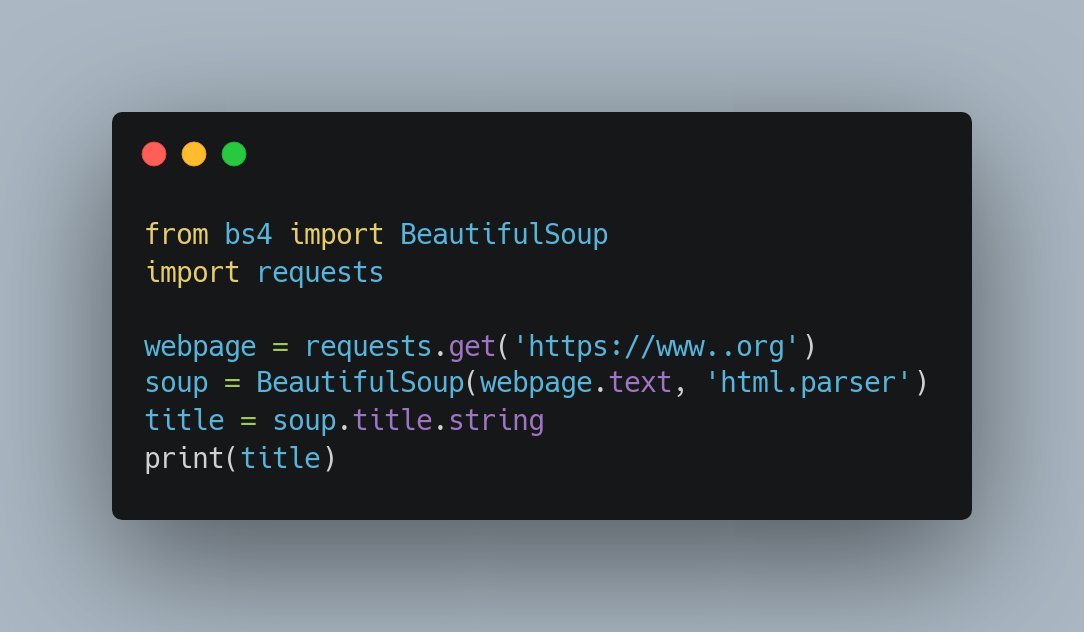
Ever wanted to parse HTML in #Python to scrape a webpage? Beautiful Soup makes it easy! Here's a quick example using the library to fetch the title of a webpage.🎉
Tweet:
Need to handle unpredictable errors in your Python code? Enter the power of Try/Except blocks! With these, you can intentionally prepare for possible code breakdowns, keeping your software reliable and user-friendly. #PythonTips
Tweet 1:
"Ever wondered how to efficiently handle large datasets in #Python? Use Generators! They allow to iterate over large datasets without loading them all into memory at once. #PythonTips#DataScience
Got repetitive code? Use Python decorators for DRY! They're functions that take another function and extend its behavior - great for logging, timing or data validation 👀 #PythonTips
Example: Logging all the function calls 👇
Tweet:
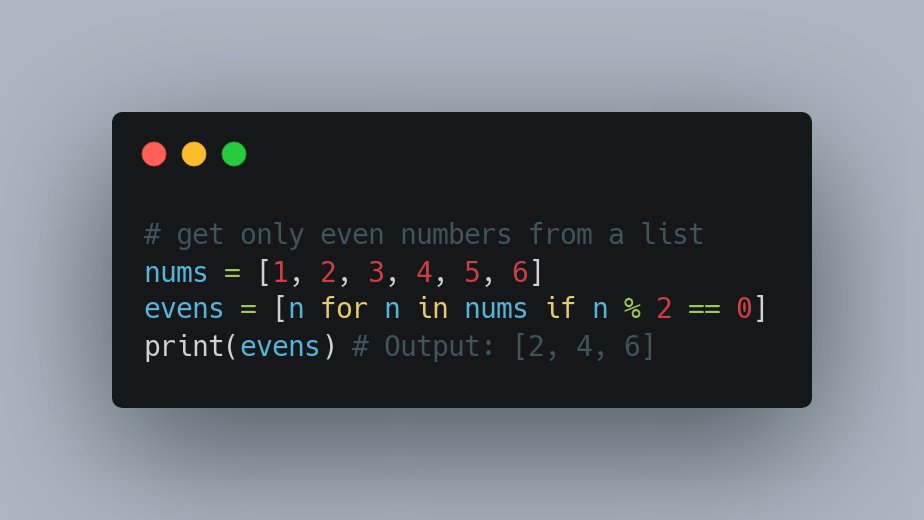
Mastering Python with list comprehensions? Here's how to filter elements elegantly! With list comprehensions, you can replace many loops and make your code easier to read.
Tweet:
Heading into a data-heavy project? List Comprehensions in #Python can help you efficiently generate lists in just one line of code! This tool is great for quick data manipulation and filtering.
Tweet:
"Wondering how to improve code readability? Ever heard about F-strings? In #Python, f-strings are a literal string, prefixed with 'f' which contain expressions inside {}. They improve code readability.
Here's an example of using f-strings:
Tweet:
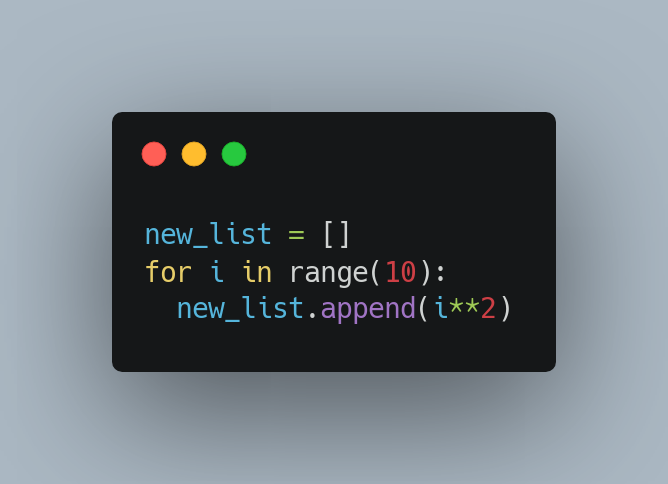
Looking to boost your Python code's runtime performance?🚀 Learn about list comprehensions - a faster, more Pythonic way to create lists than using for-loop.🐍 #Python#CodeFaster
For example, instead of using a for-loop to create a list: