Quiet India
143 posts


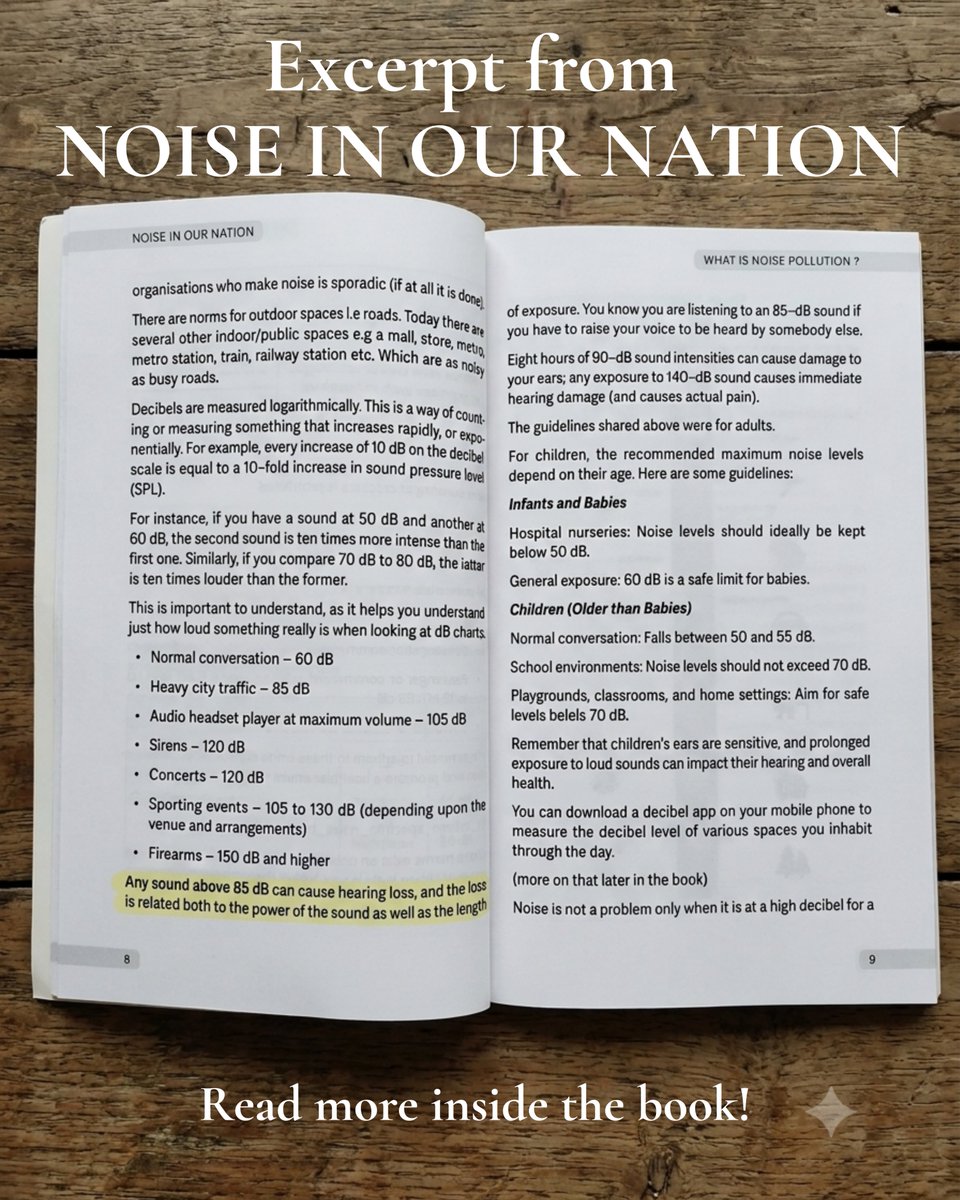
You’ve asked, we’ve answered. As the One Nation One Symbol movement grows, so do the questions and we’re always happy to answer them. Have another question that isn’t covered here? Leave it in the comments, and it might be featured in our next FAQ.
🌐 onenationonesymbol.in


English

Every city has its own identity, we often recognise it through landmarks, architecture, or skylines but if you closed your eyes… would you recognise it by its sound?
Every city has a soundtrack. The question is: what kind of soundtrack are we creating?
quietindia.in

English

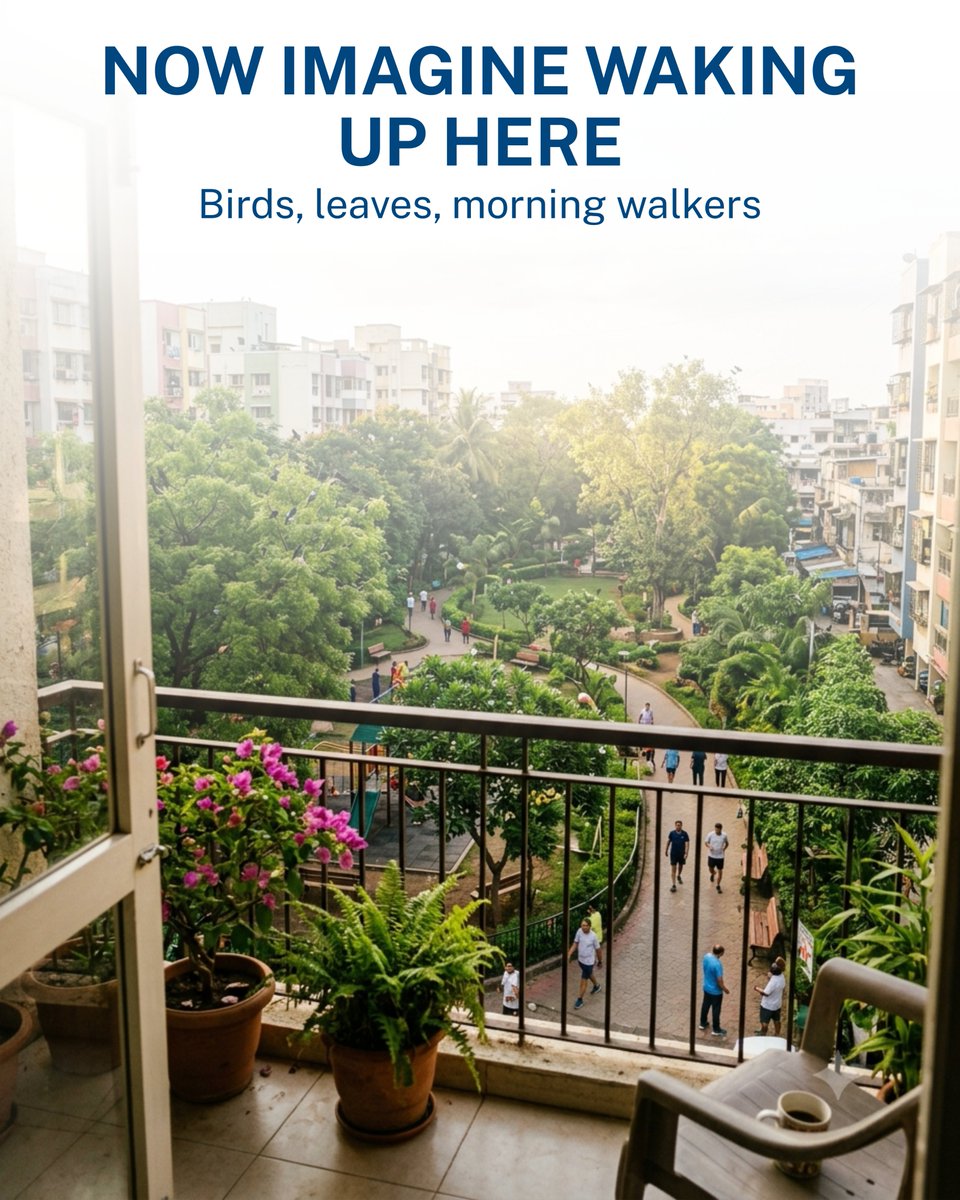
Think about the quietest place you've ever been. Maybe it was a hill station, a beach at sunrise, a quiet balcony, a temple, a forest trail. You probably remember how it looked. But chances are, you also remember how it sounded. Or rather… how it didn't
quietindia.in
English

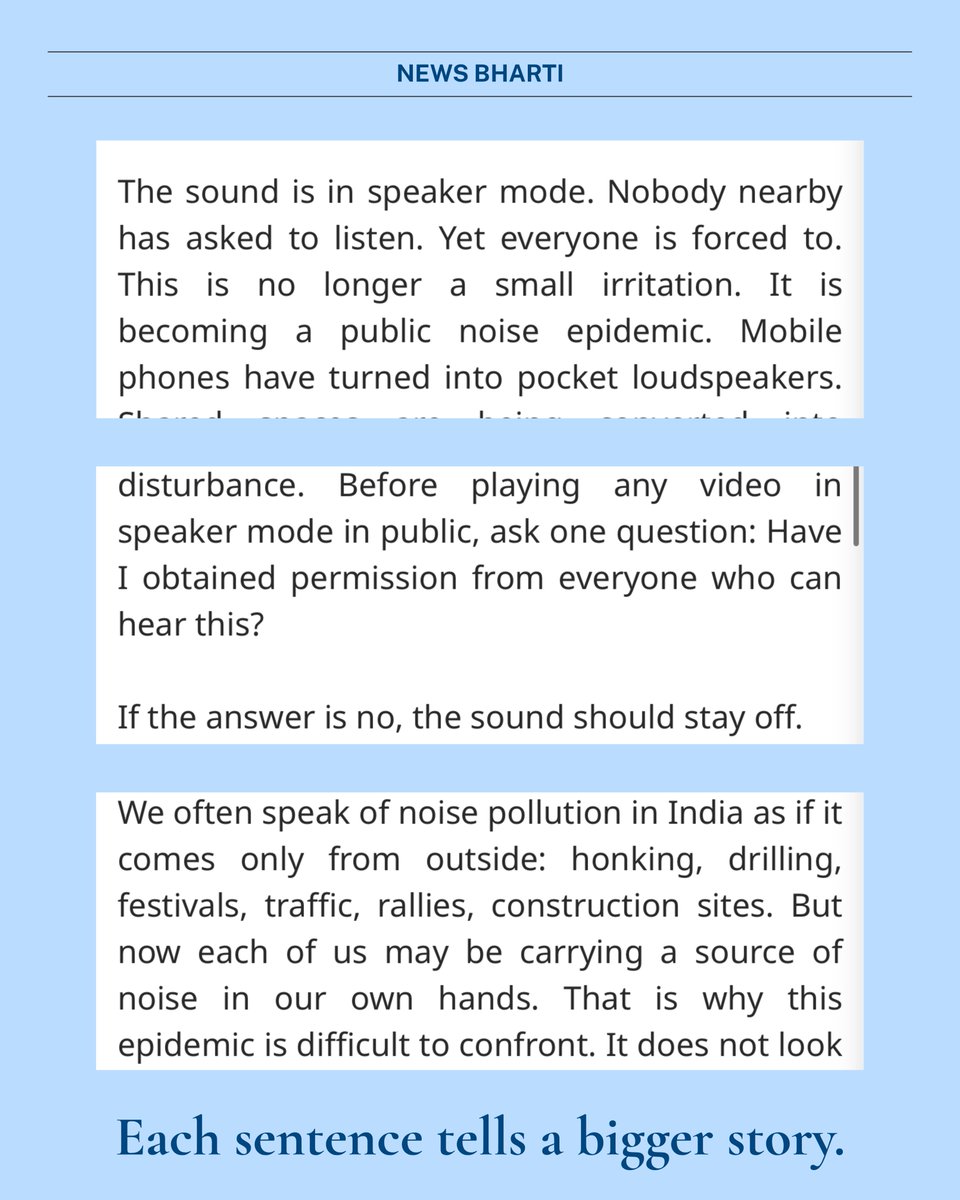
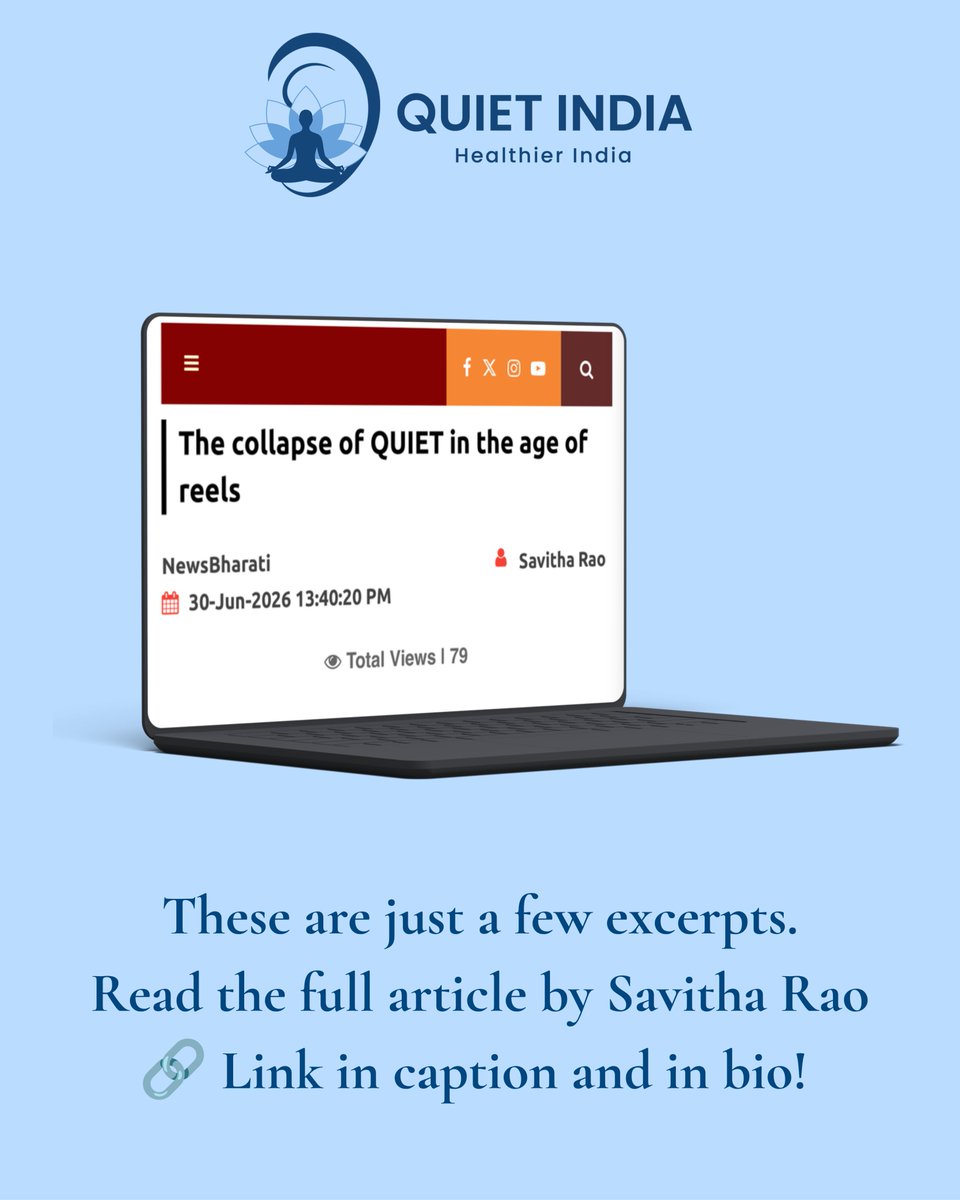
We don’t always agree with everything we read. But the best articles make us stop and think. Our Founder, Savitha Rao, explores a question many of us have stopped asking: When did playing videos on speaker in public become normal?
Read the full article:
newsbharati.com//Encyc/2026/6/…


English

Children experience cities differently. They absorb the sounds, pace, and energy around them every single day, often more deeply than we realise.
So what if cities were designed not just for speed and traffic… but also for calm, comfort, and wellbeing?
quietindia.in


English

We often think exhaustion only comes from work, stress, or lack of sleep. But constant stimulation affects us too, especially sound. Our brains rarely get a true pause anymore. And sometimes, what feels like tiredness is actually overstimulation.
quietindia.in
English

Overstimulation doesn’t always feel dramatic. Sometimes, it shows up quietly, through mental fatigue, irritation, difficulty focusing, or constantly needing background sound. Our environments shape how our nervous systems feel every day.
Learn more at: quietindia.in


English

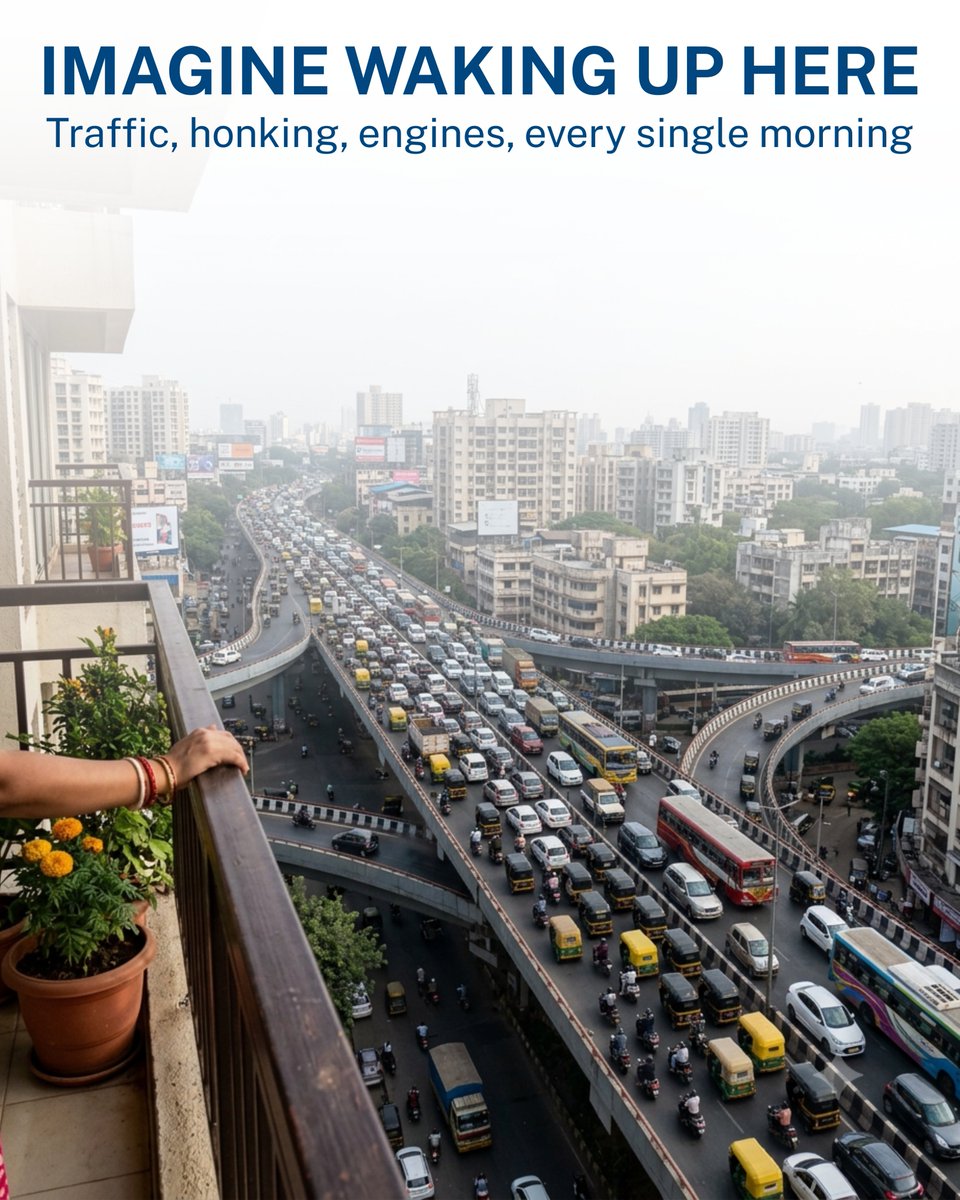
We often blame the city for noise. But noise is also built through everyday habits, unnecessary honking, loud devices, high-volume speakers and sounds we’ve normalised over time. Quieter environment doesn’t begin with perfection. It begins with awareness.
quietindia.in

English

Sometimes, we don’t realise how overstimulated we are until we step away from it. A quieter environment changes the pace of the body and mind in ways we often overlook. Maybe that’s why calm places feel so restorative. 🌿
Learn more at: quietindia.in
#QuietIndia
English

We are delighted to see an insightful quote by our founder, Savitha Rao, featured as the article headline on page 2 in Mid-day’s coverage on noise levels in Mumbai’s new AC local trains.
Thank you to @middayindia for bringing attention to this important conversation.

English
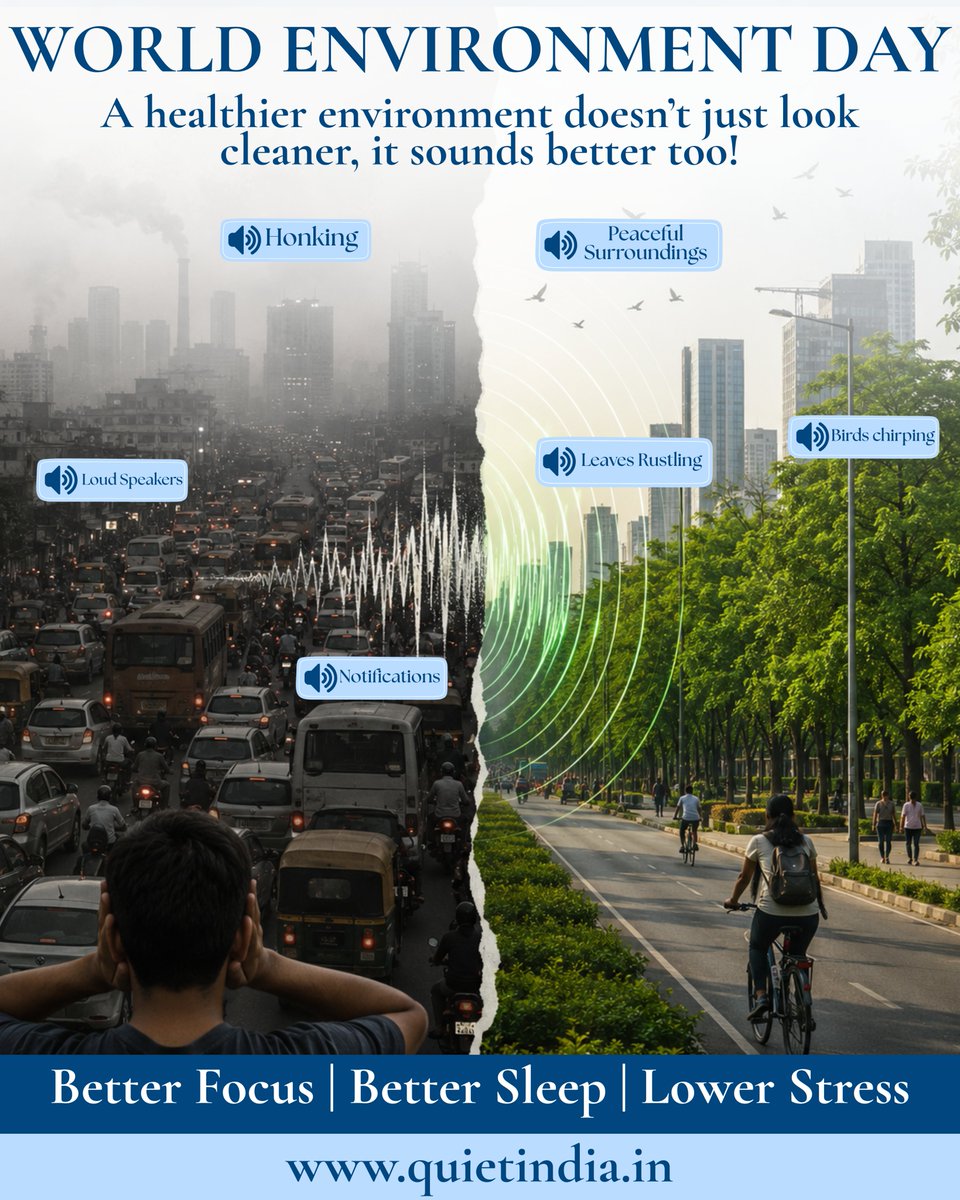
When we talk about noise pollution, we usually imagine roads and traffic. But sound also changes depending on the spaces we create indoors. From homes and cafés to classrooms and offices, acoustic design quietly shapes how people focus, relax, work, and interact.
#QuietIndia


English

Modern life rarely goes quiet anymore. Notifications. Conversations. Screens. Traffic. Background sound. Endless stimulation. Sometimes, the mind doesn’t need more productivity hacks or more content. It just needs a pause. 🌿
Learn more at: quietindia.in
#QuietIndia

English

We adapt to noise very quickly. So quickly that we stop consciously noticing it. But the nervous system still processes sound in the background, traffic, notifications, conversations, televisions, overlapping stimulation.
Learn more at: quietindia.in
#QuietIndia
English