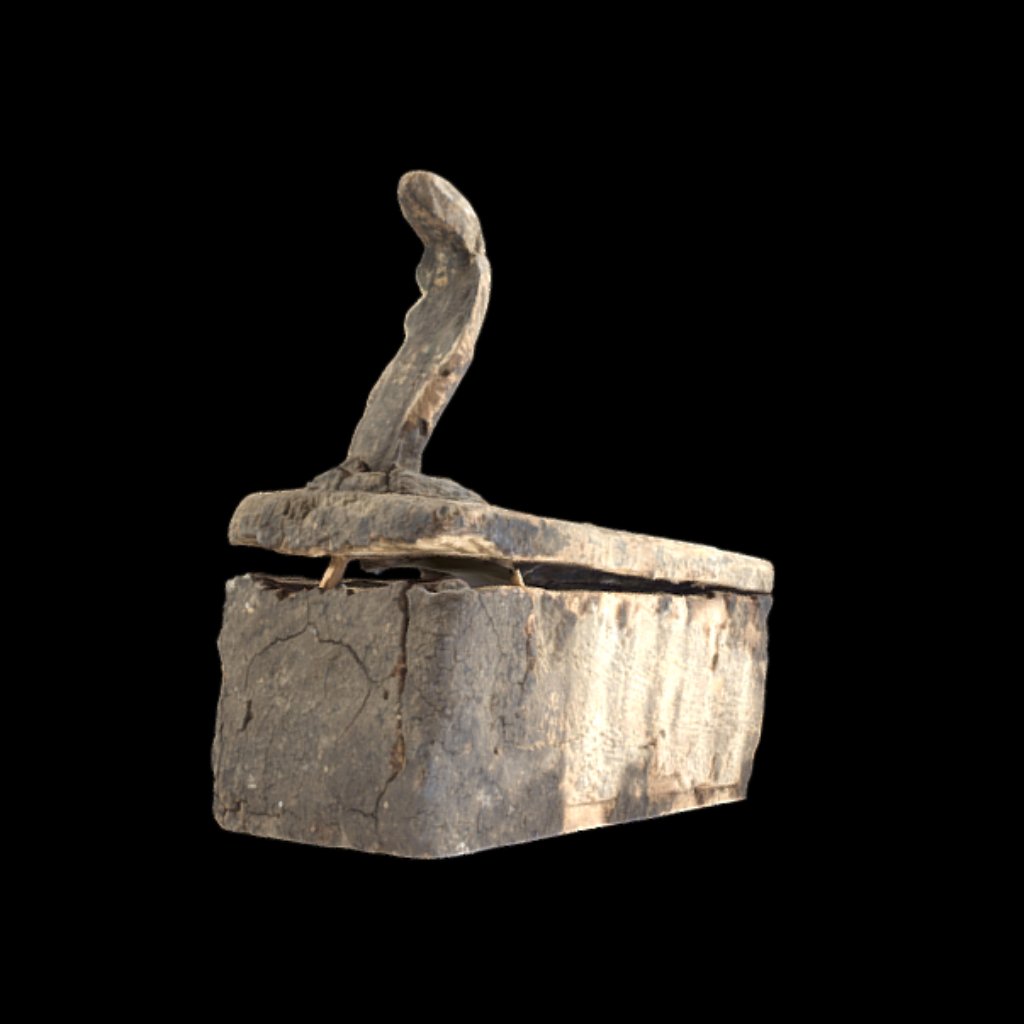
This small coffin was intended as a votive offering to the temple of the snake goddess Wadjet. Inside, X-rays reveal the mummies of two baby cobras. This wood coffin was made during the Late Period, 712-332 BCE.
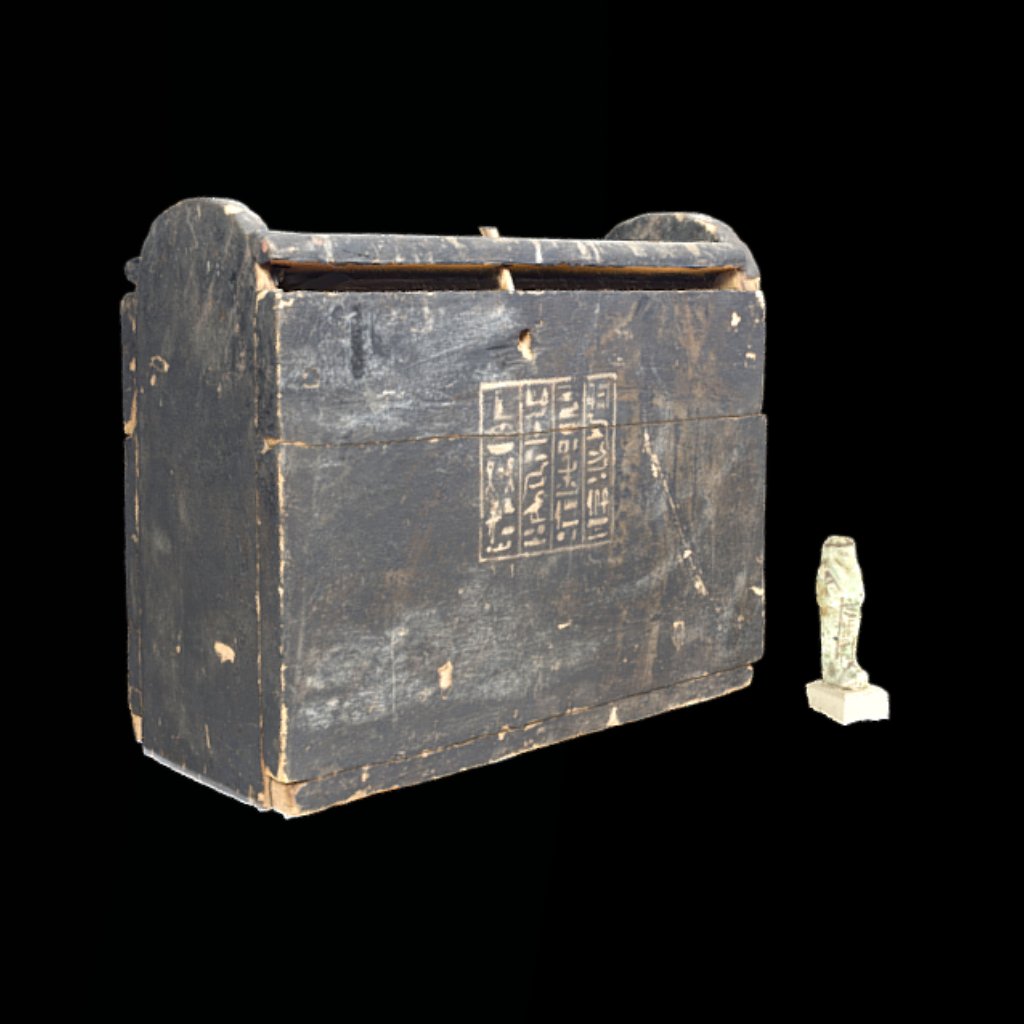
This box made for the Shemayt, or Chantress, of Amun-Re, Djed-Ma’at- Ius-Ankh, for her collection of shabtis, or worker images, which would be included in her tomb. This wood sculpture was made during the Third Intermediate Period of the Twenty-second Dynasty, 945-712 BCE.
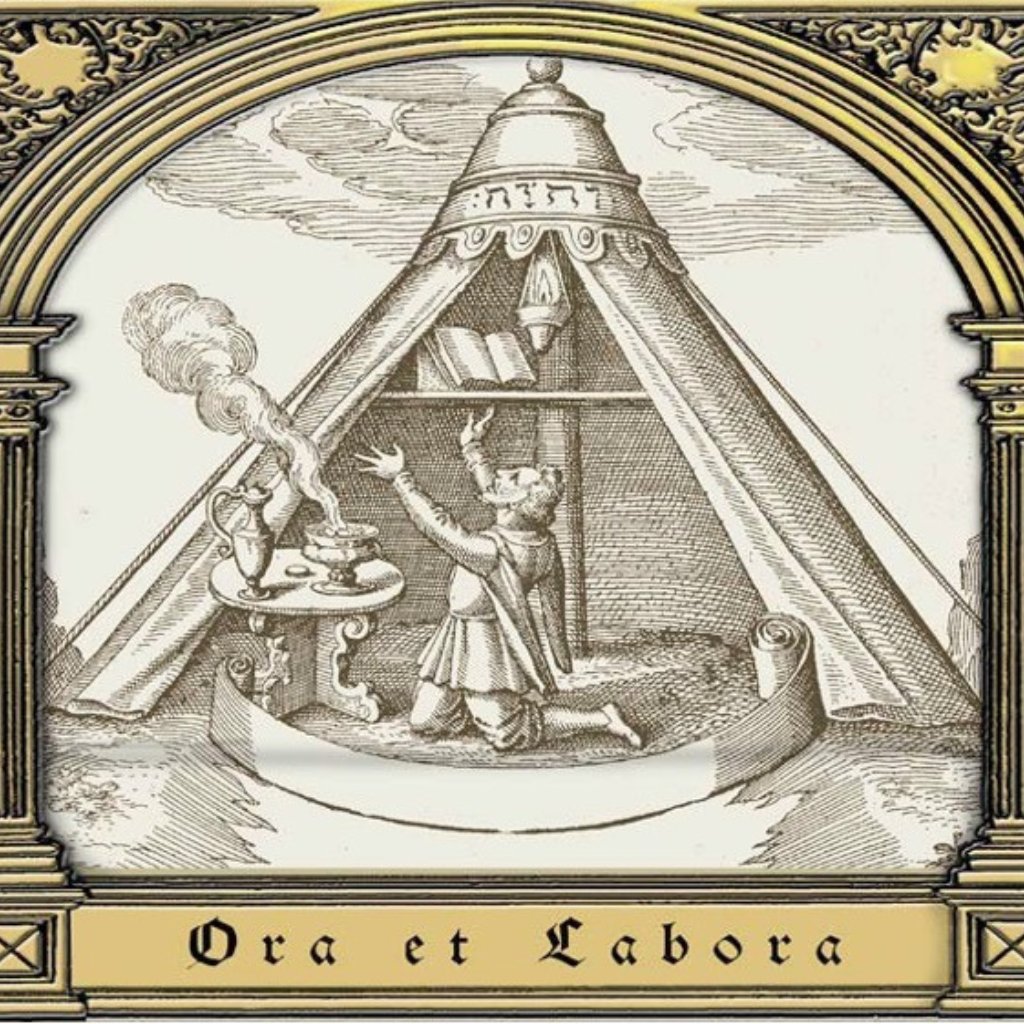
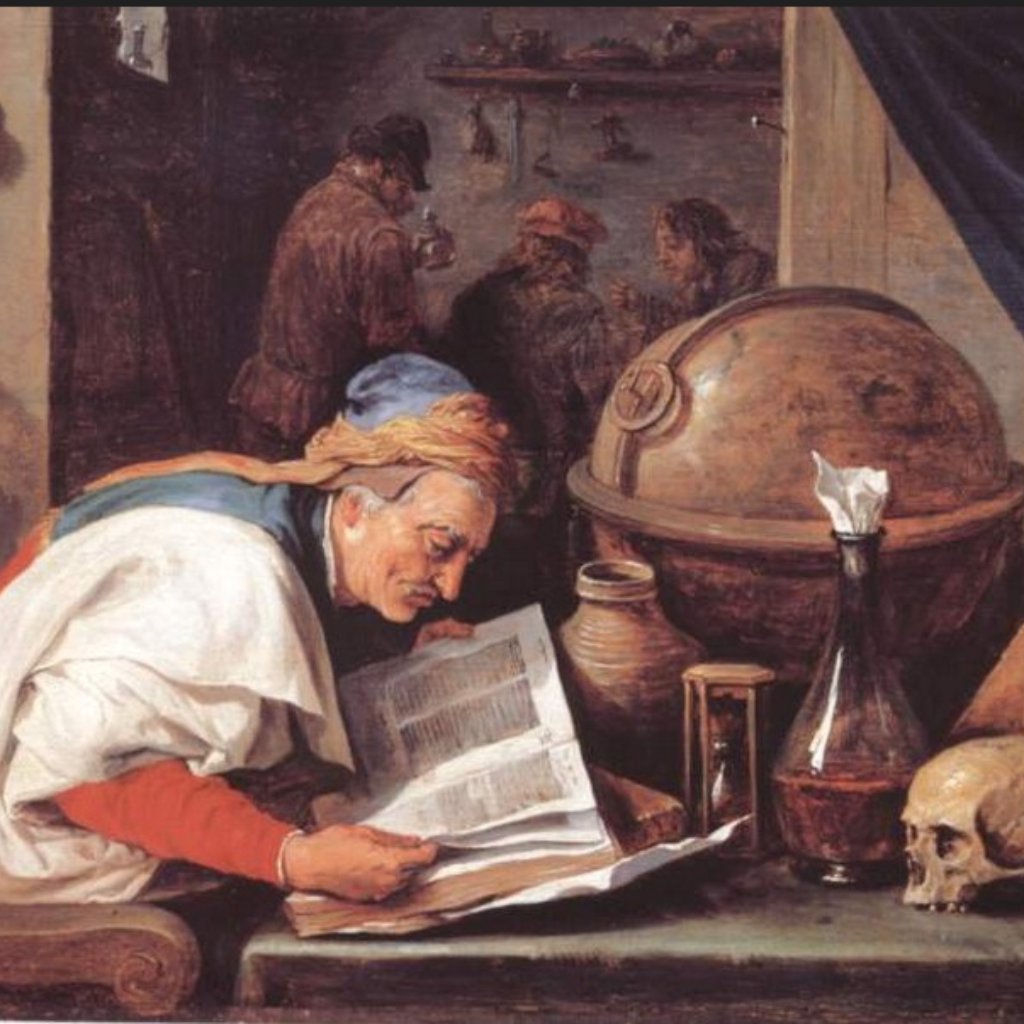
Ora et Labora - The alchemist’s ubiquitous motto referred to the method of using prayer and meditation to supplement practical or laboratory work. In the Rosicrucian Digest, Volume 100, Number 2 2022.🌹
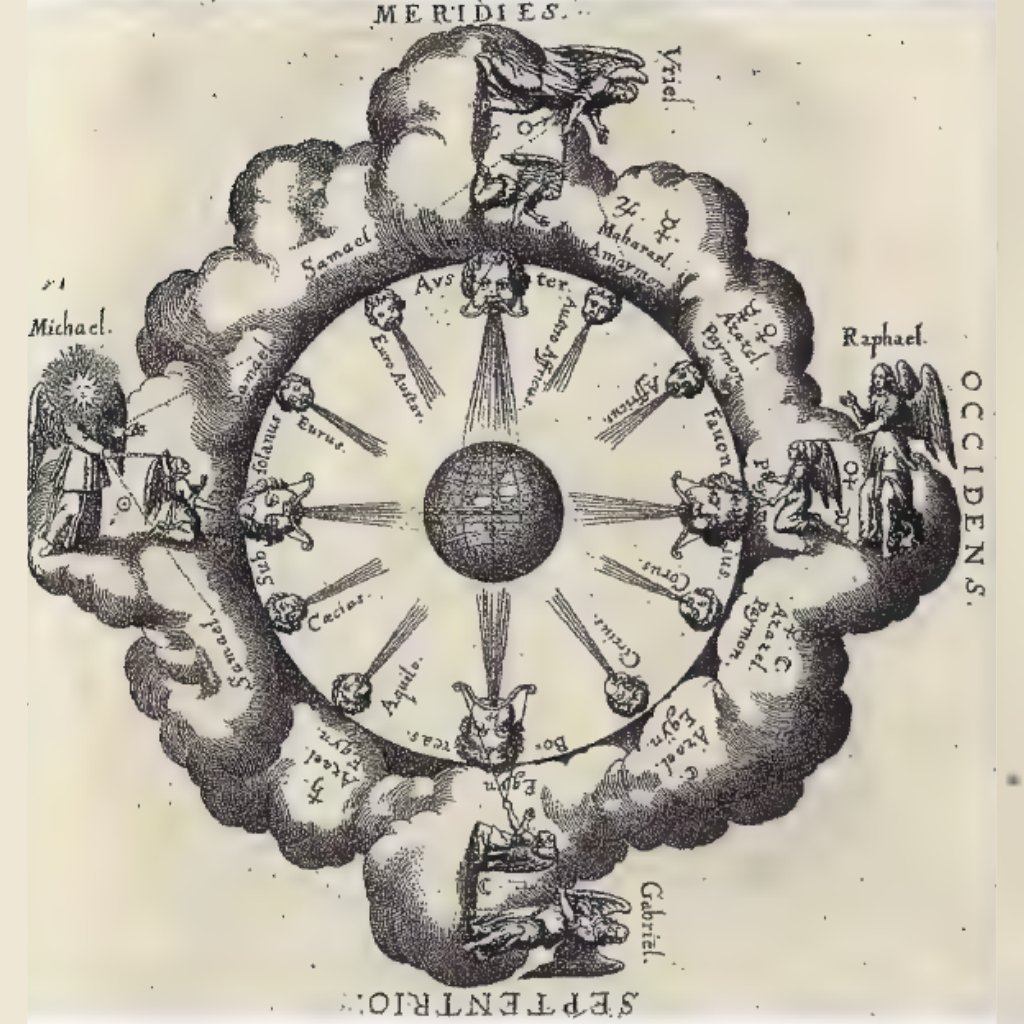
In a vision of the Zechariah the four winds appear in the form of four chariots pulled by horses of various colors. There are correspondences in the elements, humors and four stages of the hermetic work to these four directions and colors. Philosophia Sacra, Frankfurt, 1626
Inspired by Jacob Böhme, painter P.O. Runge created a mystical color theory: blue = God the Father, red = the Son, yellow = the Holy Spirit—expanded on a sphere by light and darkness into a sacred quintet of elements.
This senet board dates from the New Kingdom and is made of cedar. The purpose of the game was to move your game pieces, called dancers, off the board in a serpentine pattern. Whoever got all their pieces off the board first was assured of an Afterlife or at least a very lucky day