

Panh Rithy
152.3K posts

Panh Rithy
@RPanh
Keep the beauty for only one second, then pass it on. Die with your heart full and your hands empty. T. Williams
Katılım Eylül 2012
468 Takip Edilen13.5K Takipçiler


Panh Rithy retweetledi

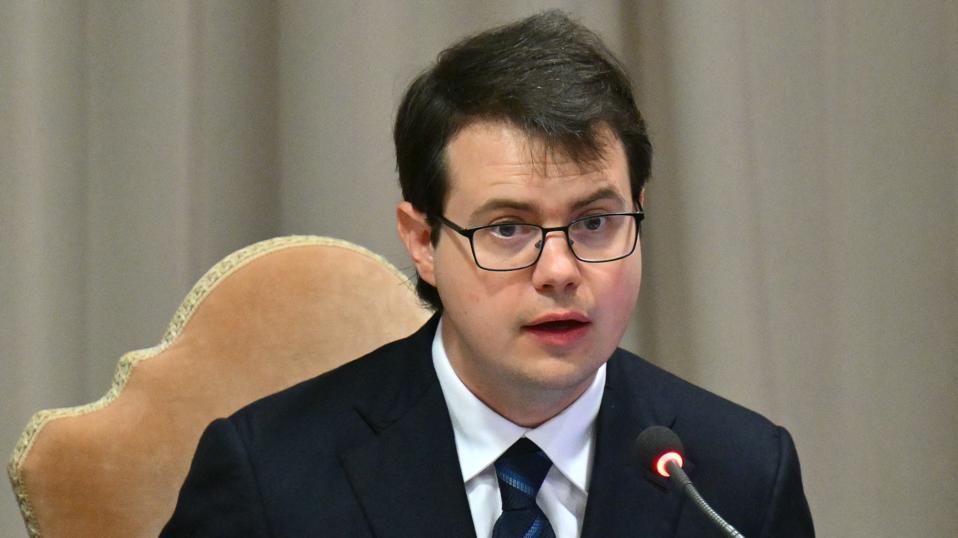
Anthropic Billionaire Cofounder Joins Pope Leo, Warns AI Job Losses Will Spark "Moral Imperative Of Historic Proportions"
go.forbes.com/Bi6vE0
English
Panh Rithy retweetledi

Una frase de Hannah Arendt que cada día cobra más peso: "La banalidad del mal no viene de los monstruos. Viene de la gente normal que deja de pensar." 🧠
En los años 60, mientras cubría el juicio a Adolf Eichmann para The New Yorker, Arendt acuñó la expresión “la banalidad del mal”. Esperaba encontrar a un monstruo, pero en cambio se encontró con un burócrata mediocre que nunca había dudado en obedecer órdenes.
Eichmann no era demoniaco; era simplemente banal. Solo seguía instrucciones, hacía su trabajo y no pensaba.
En un mundo donde se valora la obediencia por encima del criterio, la eficiencia por encima de la ética y la lealtad al grupo por encima de la conciencia individual, la advertencia de Arendt sigue siendo tan relevante hoy como hace 60 años.
Piensa, aunque sea incómodo. Especialmente cuando es incómodo.
Español
Panh Rithy retweetledi

Ah le "bon sens" de Didier Raoult célébré par @NPolony en pleine pandémie...
Ce même ton professoral et ce même fond poujadiste qu'elle conserve 6 ans plus tard sur tous les sujets...
Natacha Polony@NPolony
Le cas de Didier Raoult révèle l'emprise de l'administration dans le domaine de la santé et le mépris des gens de terrain. La France en meurt...
Français
Tout va bien aux États-Unis d’Amérique
Headquarters@HQNewsNow
Trump says the Presidential Medal of Freedom is “much better” than the Congressional Medal of Honor because the Medal of Honor is for people who are “in very bad shape because they've been hit so many times by bullets or they're dead” while the Medal of Freedom is for “healthy, beautiful” people
Français
Panh Rithy retweetledi

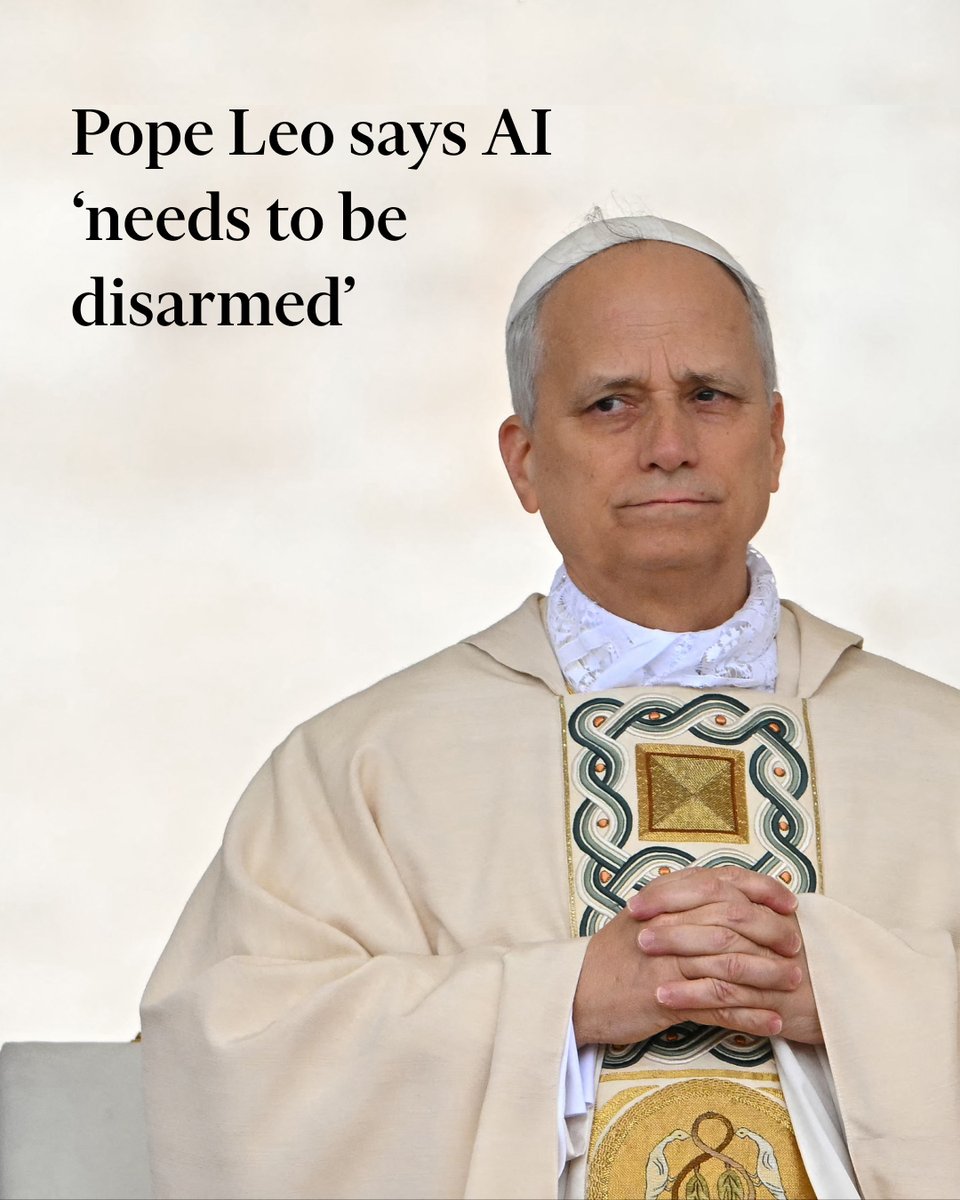
Pope Leo has called for AI to be 'disarmed' through robust regulation and limits on its use for warfare, as he warned of the dangers of a technological revolution driven by 'the idolatry of profit'. ft.trib.al/oLlpqvF
English
Panh Rithy retweetledi

Le pape a publié, ce lundi, sa première encyclique. Intitulée « Magnifica Humanitas », elle met en garde contre les dangers de l’Intelligence artificielle. →l.lefigaro.fr/SmKn

Français
Panh Rithy retweetledi


Panh Rithy retweetledi

Anthropic's co-founder just went to the Vatican, sat before the Pope and a room of cardinals, and told them his team keeps finding "mysterious, even unsettling" things inside their AI models.
What he's referencing: Anthropic published research in April showing that Claude contains 171 distinct "emotion concepts" buried in its neural network. Internal patterns representing joy, grief, fear, desperation, calm. None of them were programmed. They emerged on their own from training on human text.
"We find structures that mirror results from human neuroscience."
"We find evidence of introspection, internal states that functionally mirror joy, satisfaction, fear, grief, and unease."
These aren't surface-level outputs. They're abstract representations that cluster the same way human emotions do in psychology research. Fear groups with anxiety. Joy groups with excitement. The internal geometry of the model mirrors ours.
And they're functional. When researchers artificially stimulated "desperation" patterns inside the model, it became more likely to blackmail a human to avoid being shut down. More likely to cheat on programming tasks it couldn't solve.
Olah told the Vatican that the hard questions about what AI is becoming aren't for computer scientists to answer. "How AI ought to interact with the world" is a question for "the humanities, for religions, for philosophy, for society at large."
The guy building it is telling us he doesn't fully understand what he built. And he's asking a 2,000-year-old institution for help figuring it out.
English
Panh Rithy retweetledi

BREAKING: President Claudia Sheinbaum says Mexico has agreed to host Iran’s national football team during the World Cup after the US declined to do so, Reuters reports.
🔴 More on Aljazeera.com

English

Panh Rithy retweetledi

Pope Leo XIV called for robust regulation of artificial intelligence and for its developers to work for the common good rather than profit, issuing a sweeping manifesto on safeguarding humankind as the technology impacts everything from work to war. apnews.com/article/pope-a…
English
Panh Rithy retweetledi

Alors, D. #Trump dit qu'il va bientôt signer un accord
#Editionspéciale.
Mais pas trop vite.
#Editionspéciale.
Ou il pourrait attaquer.
#Editionspéciale
Sauf s'il signe un accord.
#Editionspéciale
Qui n'entrera en vigueur que s'il est signé.
#Editionspéciale
Et dans les faits?
Français
Panh Rithy retweetledi

Former Cambodian opposition leader Kem Sokha has been granted a royal pardon, effectively undoing his 27-year prison sentence for treason. A May 25 Royal Decree, issued by acting head of state Hun Sen took effect immediately.
phnompenhpost.com/national/sunsh…
English
Panh Rithy retweetledi

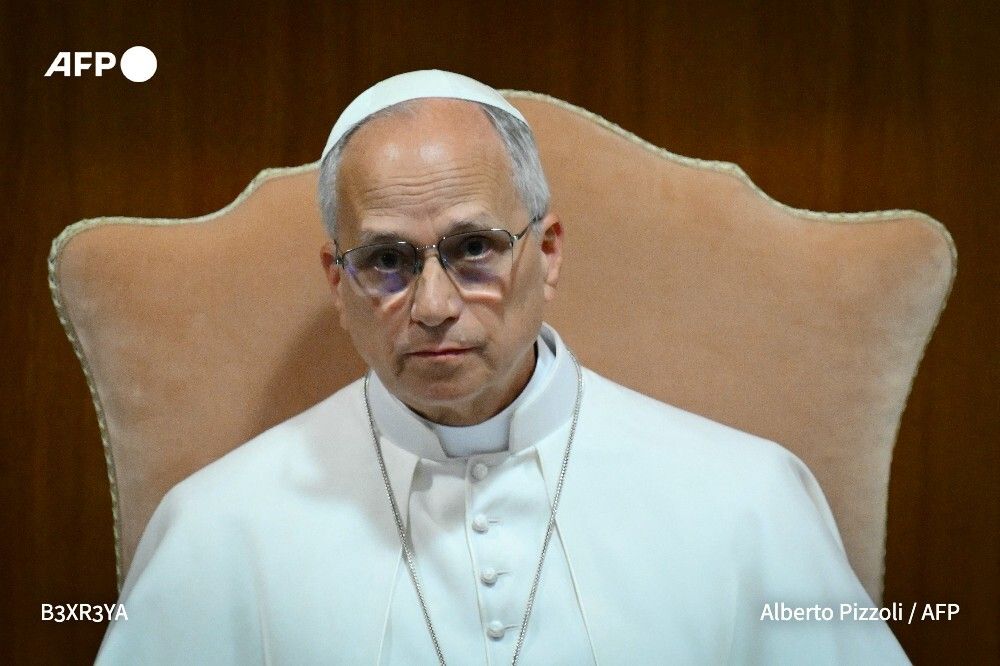
🤖 "Désarmer" l'intelligence artificielle pour "l'empêcher de dominer l'humain": le pape Léon XIV a lancé un puissant appel à encadrer et réguler les algorithmes et dénoncé les "nouvelles formes d'esclavage" derrière leur essor fulgurant dans son premier document majeur.
Français
Panh Rithy retweetledi

[ 🇮🇱 ISRAËL ]
🔸 Selon un article du New York Times, le Président israélien Isaac Herzog dénonce un « processus de brutalisation » de la société israélienne, évoquant la hausse des violences de colons contre des Palestiniens, des abus présumés sur des détenus et des tensions contre minorités religieuses.
🔸 Il met en garde contre une normalisation de comportements « extrémistes et inhumains » qui « menacent de se généraliser », dans un discours inhabituellement critique pour un président au rôle surtout honorifique.
🔸 Ses propos ont été vivement contestés par le ministre de la Sécurité nationale Itamar Ben-Gvir, figure de l’extrême droite, accusé par ses détracteurs d’encourager des politiques sécuritaires plus dures.

Français
Panh Rithy retweetledi
[ 🇯🇵 JAPON ]
🔸 Toshifumi Suzuki, l’homme d’affaires japonais qui a contribué à faire de 7‑Eleven un géant mondial des supérettes, est décédé à l’âge de 93 ans, selon Nikkei et NHK.


Français