RS
886 posts













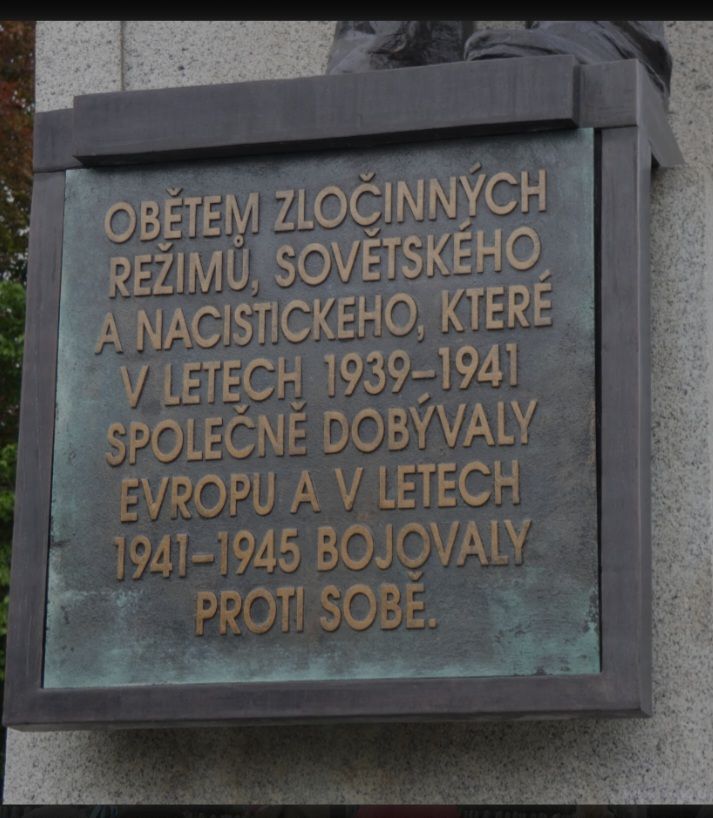

The Molotov-Ribbentrop pact is the topic that comes up every day in my replies so I thought I would write a long piece explaining the rationale behind it ! Part 1: Western historians and their ideological allies have spent decades smearing this decision as cynical or opportunistic. This article rejects that framing entirely. The pact was not a compromise. It was a masterstroke of statecraft, executed with cold precision by a leader who understood better than anyone that the Soviet Union's survival was the precondition for the defeat of world fascism. History vindicated Stalin completely. To understand the pact, one must first understand the criminal failure of the Western powers in the years that preceded it. Throughout the 1930s, the Soviet Union was the only major power that consistently and sincerely opposed the rise of Nazi Germany. Under Foreign Minister Maxim Litvinov, the USSR championed collective security, called for a united anti-fascist front, and pleaded with Britain and France to build a defensive coalition capable of stopping Hitler before war became unavoidable. The Western powers refused at every turn. Their reasons were not principled. They were ideological. For the ruling classes of Britain and France, Nazi Germany was not a threat to be stopped; it was a weapon to be directed eastward against the Soviet Union and the socialist project it represented. This calculation was laid bare at Munich in September 1938. Britain and France, without consulting or even informing the Soviet Union, handed Hitler the Sudetenland on a silver platter. Czechoslovakia, a sovereign nation with a capable military and treaty obligations from both France and the USSR, was simply surrendered. Stalin had personally signaled the Soviet Union's readiness to honor its commitments and defend Czechoslovakia. France refused to act, and the chance to stop Hitler without a general war was squandered. Stalin correctly concluded that the West had deliberately steered German aggression eastward and would do so again at the Soviet Union's direct expense. The Anglo-French-Soviet negotiations that limped along through the summer of 1939 confirmed every suspicion. The Western delegations arrived without binding authority, stalled endlessly, and refused to address the core Soviet requirement: guaranteed military access through Poland and Romania to actually engage German forces. Britain and France were not negotiating in good faith. They were performing diplomacy while privately hoping that Hitler and Stalin would exhaust each other, leaving the capitalist West to dictate terms to a weakened Europe. Stalin saw through this performance with perfect clarity. Faced with a West that had chosen appeasement over alliance, Stalin took the only path that protected the Soviet state. He turned the Western powers' own strategy against them. The Molotov-Ribbentrop Pact denied Hitler the quick eastern war he wanted and preserved the Soviet Union for the fight that was coming. It was a strategic masterstroke that bought the time the USSR needed to prepare the most powerful military force the world had ever seen. The defining feature of Stalin's leadership in this period was his absolute clarity about the future. While Western leaders clung to delusions of lasting peace, Stalin never wavered in his understanding that war with Germany was inevitable. The only question was when it would come and whether the Soviet Union would be ready.