
Ragini Verma
126 posts
Ragini Verma
@Ragini__Verma
Brains by day, cocktail enthusiast by night
Katılım Mayıs 2019
414 Takip Edilen241 Takipçiler

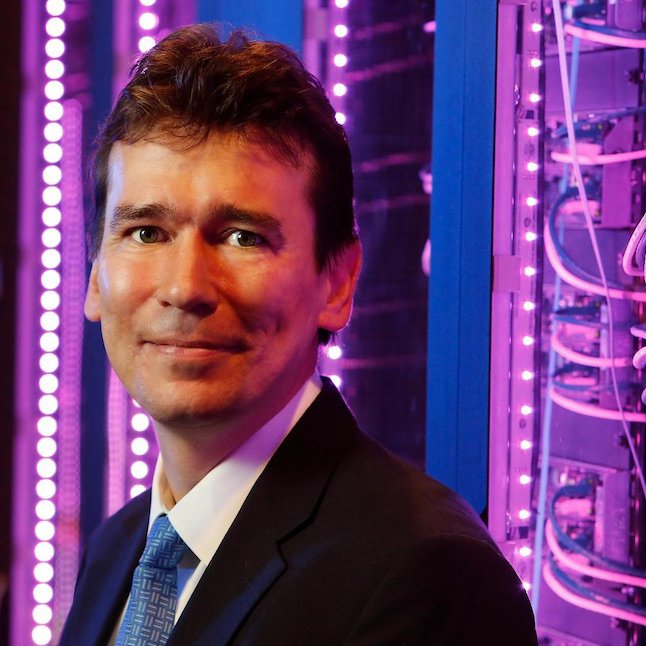
Interesting to take part in today’s panel debate with @NIH Director, Dr Jay Bhattacharya @DrJBhattacharya , at a USC event hosted by Dean Carolyn Meltzer and Dr Neeraj Sood (USC School of Public Policy). Some takeaways:
💡The NIH budget will likely remain flat next year, but an increase in “forward funding” (now 37% of grants, up from 20%) will likely mean fewer grants awarded. Forward funding is intended to allow projects to spend much more in their first year than if the budget was constant in all years, and some investigators, e.g. a junior researcher, may need initially larger funding to set up their lab.
💡If a clinical trial is fully funded at the start, it avoids having nothing to show if each continuation year depends on annual funding appropriations (which are unstable). Forward-funding leads to a temporary very large drop in numbers of grants awarded but “at equilibrium” the same number of grants will be awarded.
💡Calls to increase the 500k/year budget for R01s (the standard type of NIH grant) have to be carefully balanced with the recognition that raising this would lead to fewer grants overall.
💡There is very high priority on reproducibility of research, as not prioritizing this has led to loss of public trust in science. Consortia can address this. Some audience members (incl Rob McConnell) noted it might make sense to expand reproducibility to include experimental work where multiple lines of converging evidence point to a conclusion, from multiple different approaches, rather than just repeating the experiment. But this can be expensive.
💡Paylines (where the top x% of grants are funded, and x is known) are being replaced by a system where NIH institute directors and POs have more discretion. This is because the top-N by score may not be necessarily more impactful than the best selection of grants that collectively as a portfolio could make the greatest impact. If there is redundancy, this can be traded off by funding a lower-scoring grant with higher risk/higher impact.
💡Foreign components on grants are welcome, but must use the new PF5 format with higher expectations of auditing and reporting for the foreign site, including making primary research records available to the funder via the prime site. Foreign subawards are no longer being used as they involve less oversight which can lead to loss of public trust.
💡Panelists noted the need to speed up reviews and the time-to-funding, which has greatly increased. Dr Bhattacharya noted that some ideas take time to incubate in the community before they can be reliably funded, whereas others (perhaps AI, clinical trials) can lose impact if delayed or review is too slow.
💡There is a proposal being entertained that K awards (for junior faculty) be given as an allocation to the institution to give out to people they vet, rather than directly awarded.
💡NIH wants to “spread out” funding to more institutions, across more of the country, to reduce the concentration of funding at some institutions.
💡Innovation is sometimes killed by reviewers who put too much emphasis on the certainty of the approach working. Often Aims 2 and 3 of a project depend on a high-risk, high-payoff Aim 1 working. Forward funding of 2-3 years can allow a checkpoint to be included on a high-risk Aim, before more funding.
💡Thank you to @KECKSchool_USC for hosting the event, and to Neeraj Sood for his "Open Dialogues" project.

English
English
Pig MRI skull stripping automated - a giant AI-enhanced leap over the first and most time-consuming hurdle in human-pig comparisons and #translational #TBI research - one less barrier between animal models and the clinic. Great work by @JDadashkarimi and @DiCIPHR! #braininjury
DiCIPHR Lab at UPenn@DiCIPHR
PIGSKIN is now published in AI in Neuroscience. Our paper uses synthetic images and neural networks for automatic pig MRI skull stripping in preclinical neuroimaging. Congrats @JDadashkarimi , Drew Parker, @Ragini__Verma , and team. journals.sagepub.com/doi/10.1177/29…
English
@PTenigma Have you taken to running inspired by your mountain climbing? 😀
English
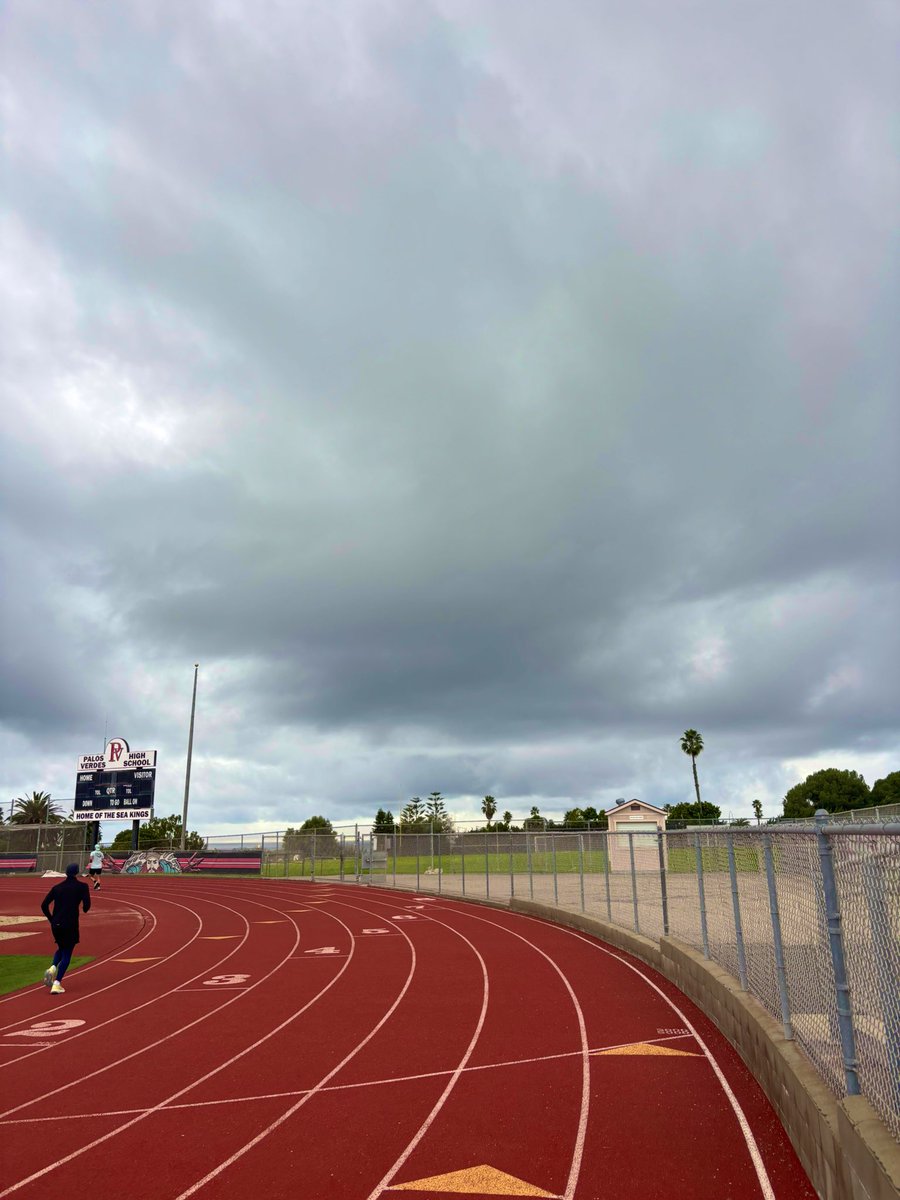
Glad you documented our bravery @PTenigma 🏆
Paul Thompson@PTenigma
This does not seem dangerous at all
English
Excited to announce the publication of the first method to harmonize structural connectomes: facilitating big connectomic data studies @DiCIPHR
Penn Medicine CSO@PennMedCSO
Diffusion MRI-based structural connectomes & site-related bias in data integration ft. @SherryRuiShen, Drew Parker, @Ragini__Verma (@PennRadiology) Benjamin Yerys, @BirkanTunc_, Timothy Roberts (@CHOP_Research) & @takishinohara (@UPennDBEI) @DiCIPHR onlinelibrary.wiley.com/doi/10.1002/hb…
English
All you need is #love (and a few grants)! In the heart of #Penn campus, and the heart of the work we do @PennMedicine @PennRadiology ❤️ #CoreValues #AcademicLife

University City, Philadelphia 🇺🇸 English
Ragini Verma retweetledi

It’s back!🥳
The ASNR/ASFNR AI Workshop!🤖
docs.google.com/forms/d/e/1FAI…
Jumpstart your neuroradiology AI research at #ASNR25 (Philadelphia, Pennsylvania) AND #ASFNR25 (Austin, Texas)!🤠
Deadline March 21!😅
@theASFNR🤝@TheASNR

English
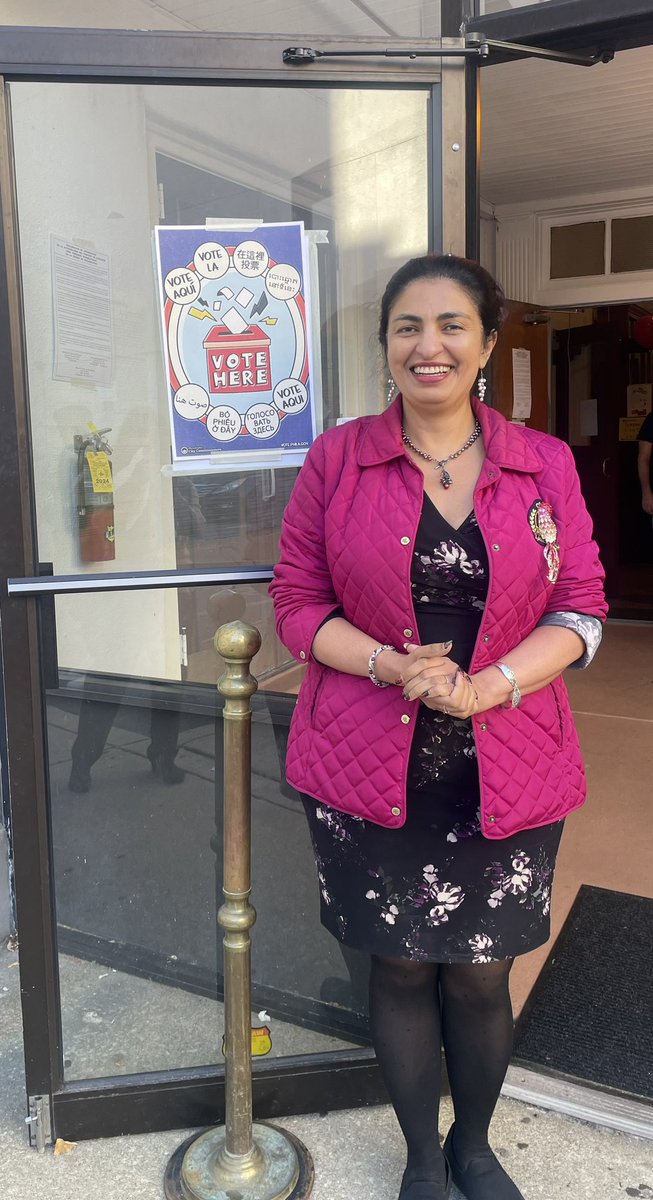
Working the #Election2024 as Machine Operator. Doing my bit for democracy and my adopted country #Pennsylvania #vote #vote
English
Very proud of @Satvikt_ai and his work at @DiCIPHR lab - taking imaging markers a step closer to the clinic!
NeurotraumaSociety@Neurotrauma
Trainee Tuesday!! Meet a rising star in Neurotrauma research 💫 Introducing Satvik Tripathi an outstanding NNS trainee working on deep learning to predict post-TBI outcomes. Satvik won the Hovda Award at the 2024 National Neurotrauma Symposium for the top ranked undergraduate poster presentation. Congratulations on your research and thank you for your service to the society! 📷@satvikt_ai @PennMedicine @PennRadiology @PennNSG
Philadelphia, PA 🇺🇸 English
@PennMedicine women power @INTS2024 - making up for the lack of our type amongst the wall portraits in Cambridge @PennRadiology @PennNSG @PennNeurology #WomenEmpowerment #WomeninTBI #TBI
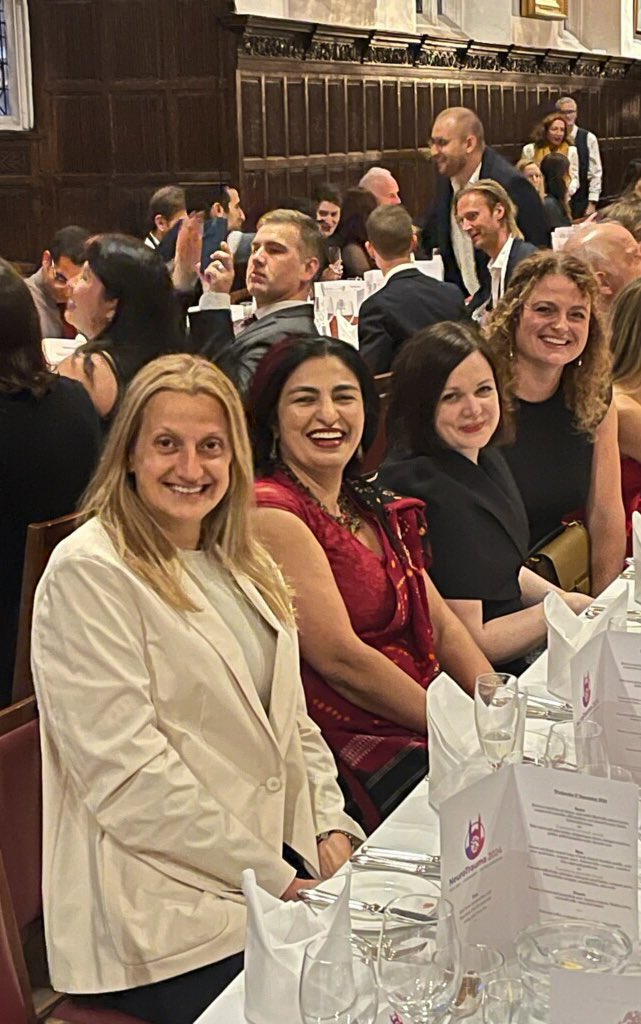
English
Memories of the fabulous location, and of the spectacular skies ordered especially for the opening reception of #INTS2024

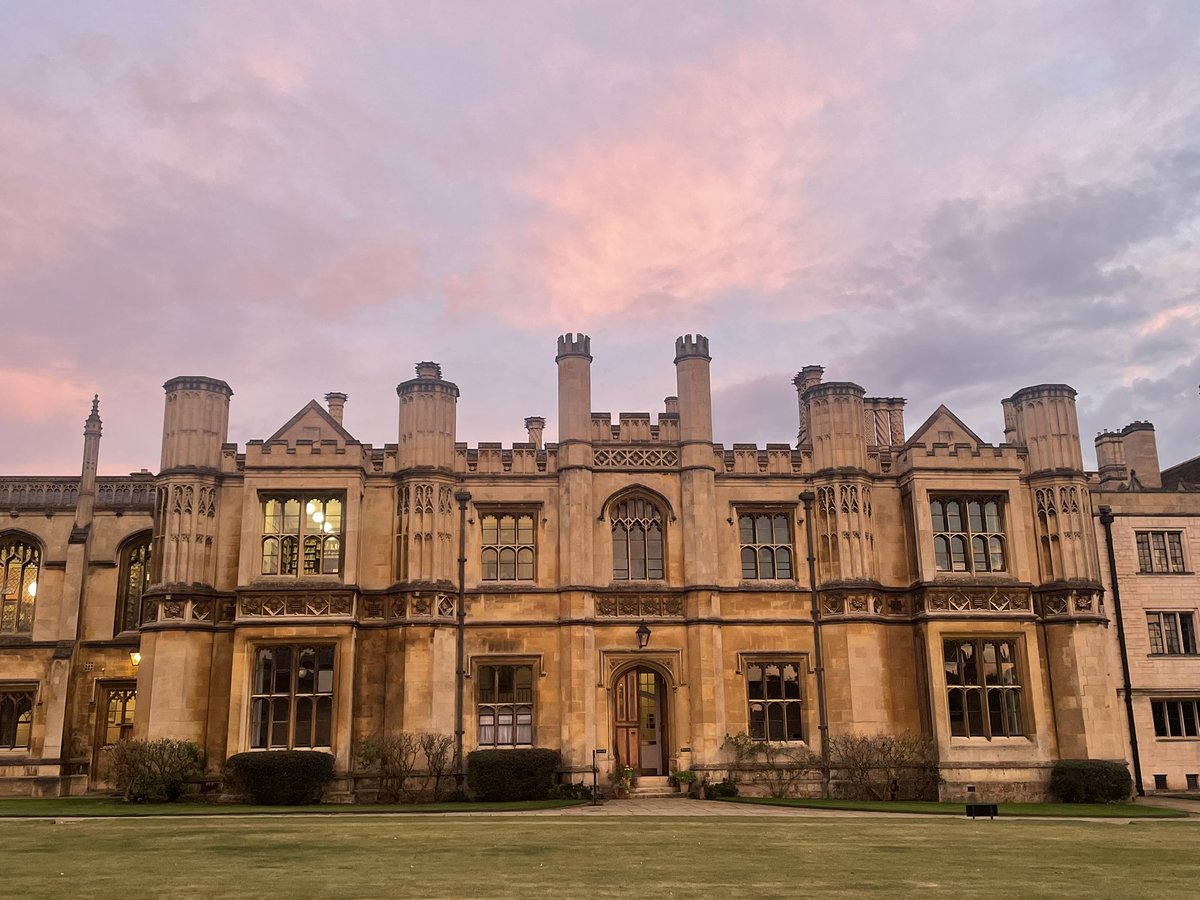
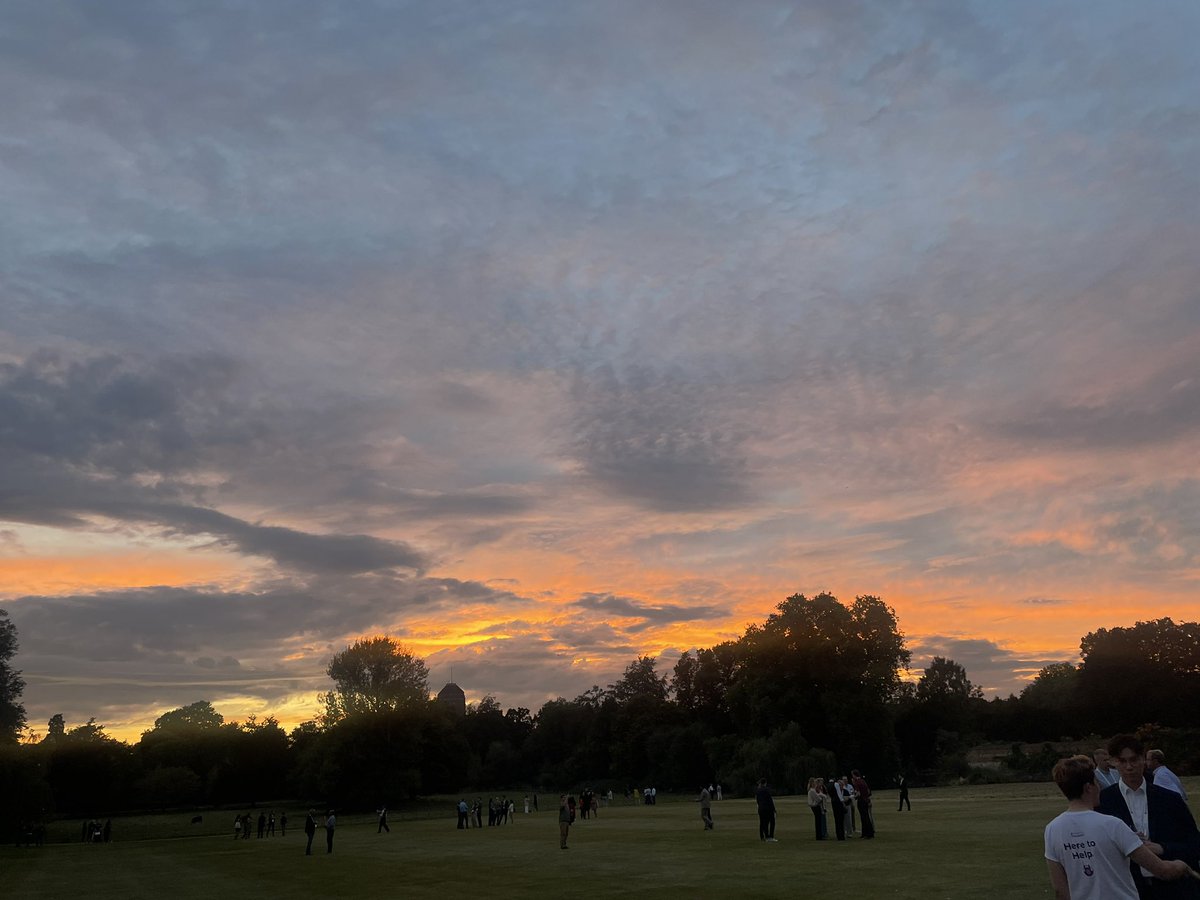
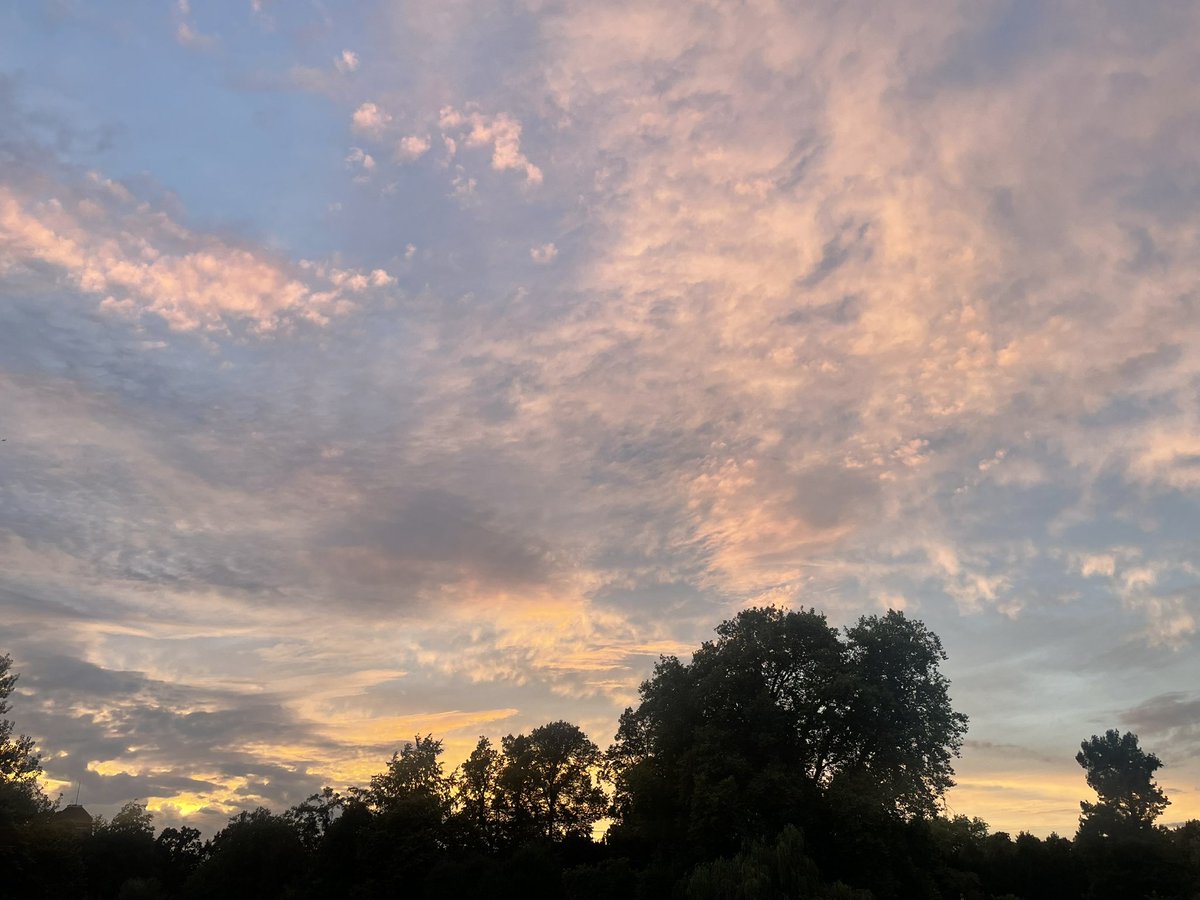
English
Ragini Verma retweetledi

Neurosurgeon Peter Kirkpatrick flies his Hurricane over Kings College Welcome reception #INTS2024. Nice twist on a conference opener.
English
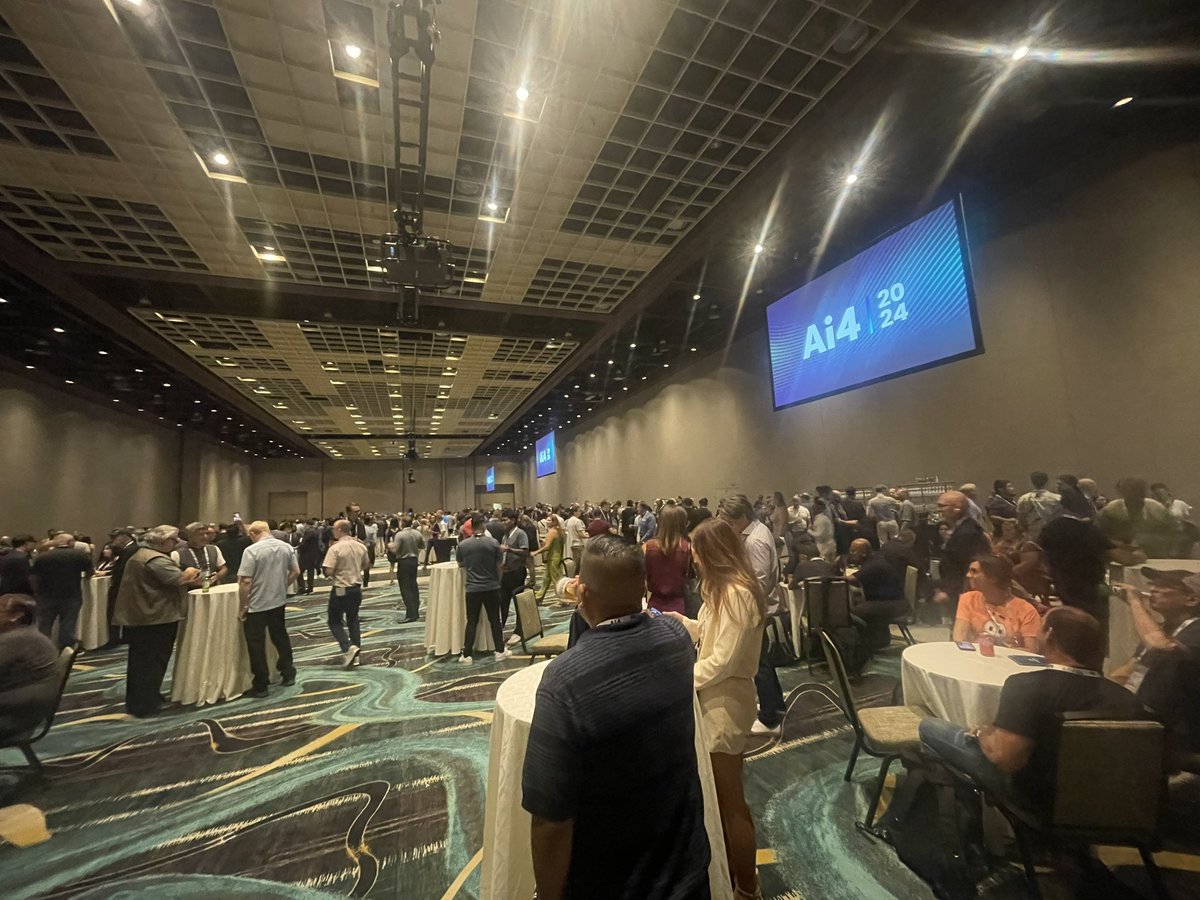
Exploring @Ai4Conferences for the first time, outside the usual academia focussed conferences. Opening receptions with a talking robot #Bina48 are a super cool start #AI4 #Healthcare
The Las Vegas Strip, Paradise 🇺🇸 English
A scientific result “that is too good to be true” usually has a bug, and is not true
Thomas Yeo@bttyeo
The time to be most worried about bugs is when we get exciting results.
English
Ragini Verma retweetledi
English
Ragini Verma retweetledi

Got this in the mail today. Thank you so much to @Neurotrauma! This perfect addition to table.
Hoping to advance #tbi research and patient outcomes!
@Ragini__Verma @DiCIPHR

English
Ragini Verma retweetledi
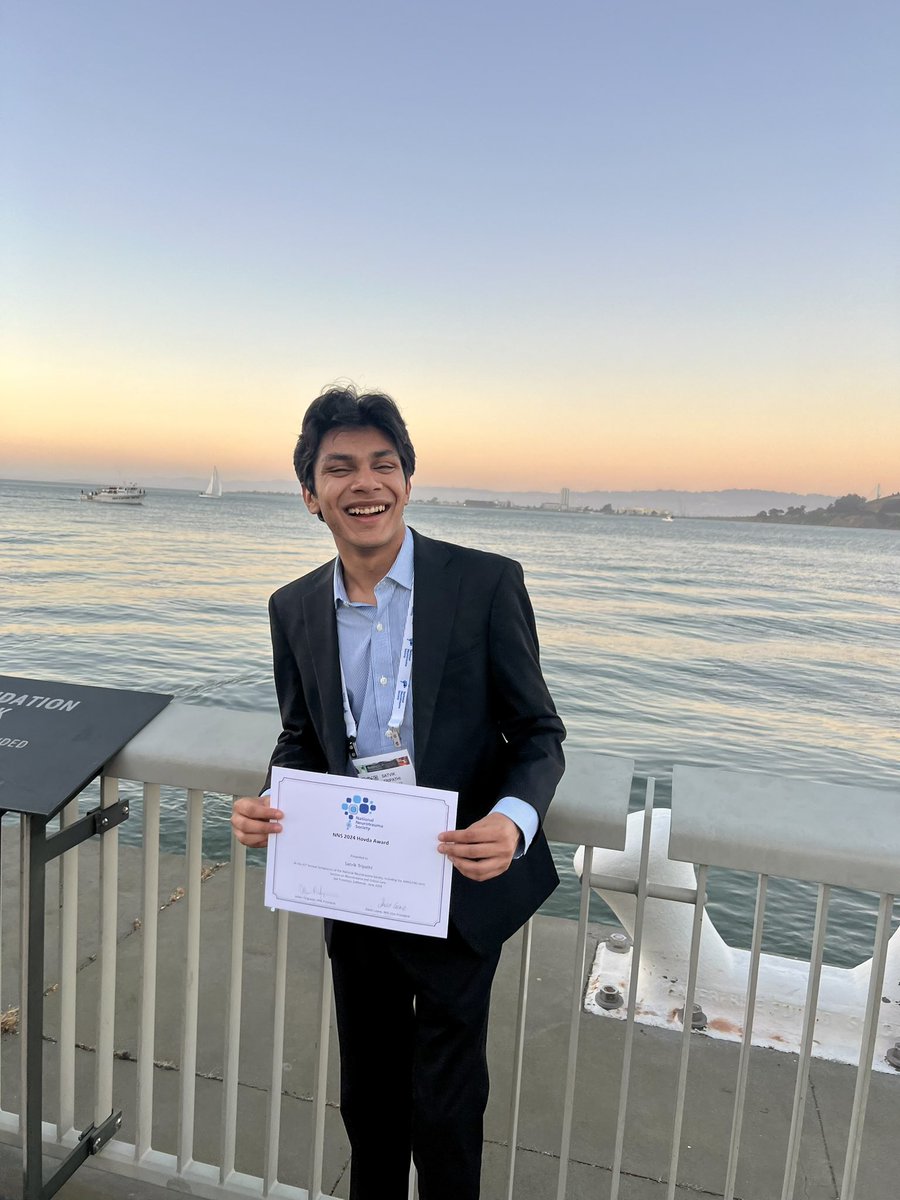
Beyond grateful and honored to receive the Hovda Award at @Neurotrauma #nns2024 ⚡️🧠
Couldn’t have done it without my amazing mentor @Ragini__Verma and the wonderful @DiCIPHR lab! Absolutely lucky to be surrounded and working with such amazing minds @PennMedicine

English