Rasha Al Rayess
232 posts

Rasha Al Rayess retweetledi

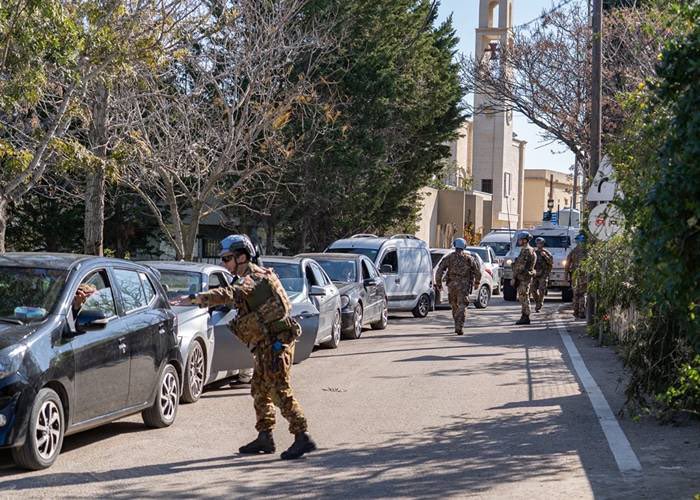
The forced departure of the Christian residents of Alma al-Shaab from their town is not simply a tragic local episode. It is a revealing test of the Lebanese state’s willingness and capacity to perform the most basic function of governance: ensuring that its citizens can live safely in their homes under the protection of national institutions rather than under the shadow of armed non state actors.
The residents of Alma al-Shaab were not insurgents and were not seeking confrontation. They were Lebanese citizens exercising a fundamental civic right: to remain in their village and peacefully resist the entry of an armed militia operating outside the authority of the state. Their stance reflected a simple expectation that the Lebanese government, its security institutions, and its army would stand with law abiding citizens defending their homes and communities.
Instead, what unfolded conveyed a very different message. Rather than clearly asserting the authority of the state and protecting the residents who were peacefully defending their village, the state appeared either unwilling or unable to prevent the encroachment of an armed faction. The scenes surrounding the army position only reinforced the perception that the authority of national institutions had been overshadowed by the presence and symbolism of a militia operating beyond their command.
For many Lebanese observers, this moment crystallized a troubling reality: the sense that the state had effectively stepped aside while its own citizens were left exposed. When communities acting peacefully to defend their homes feel abandoned, confidence in national institutions erodes rapidly. In such circumstances, the distinction between passivity and acquiescence begins to blur in the eyes of the public.
Moments of national strain inevitably test leadership. They demand clarity, resolve, and an unambiguous commitment to the rule of law. Yet the conduct of Lebanon’s highest authorities in this episode raises serious questions about their ability to exercise the leadership required in a period of acute national vulnerability. The President, the Prime Minister, and the Commander of the Army appear unable to impose the authority of the state in a situation where doing so should have been clear and immediate.
History will remember this moment with unforgiving clarity. It will remember the citizens of Alma al-Shaab who stood peacefully to defend their homes. It will also remember those entrusted with protecting the country who failed to act when the dignity of the republic and the safety of its people were openly challenged. In moments such as these, the absence of leadership becomes more than a weakness. It becomes a failure whose consequences a nation carries for years to come.

English

Rasha Al Rayess retweetledi

The ones attacking the Minister of Foreign Affairs and claiming Hezbollah's weapons are there to protect the South, Nabatieh, the Bekaa, Baalbek and Hermel, should tell us why Hezbollah isn't currently using its weapons to defend the Lebanese territory?
Israel bombs us and kills people every day, and Hezbollah has used its weapons from October 8, 2023, until November 26, 2024. They didn't care if the Lebanese Army had the capacity to intervene or not, or if the state could respond - they did it anyway and are now blaming both the state and the army for not responding.
Hezbollah has 0 deterrence, it is negotiating a deal but didn't get garantees until now, and it knows that using a single bullet will rain in half of Israel's missiles.
Youssef Raggi@YoussefRaggi
Hezbollah’s weapons brought occupation onto Lebanese territory and must be handed over to the Lebanese State.
English
Rasha Al Rayess retweetledi

No one hates Shias. We reject the Iranian proxy that uses Lebanese Shias as human shields. We “hate” an armed group that confiscates this community’s voice, shuts down (or maybe kills) contrary opinions, and drags an entire country into wars it didn’t choose.
𝒥@julianaforevera
you could never make me hate shias
English

Yes, a wave and a peaceful message. I’ll take that over the “raised finger” era that achieved nothing.
𝘚𝘢𝘩𝘢𝘳 𝘔𝘦𝘴@SaharMes
بلا مؤاخذة يعني شو جاية يعمل غير يرفع إيدو ويعمل باي🤔 #زيارة_البابا
English
Rasha Al Rayess retweetledi

اللحية عند الدروز ليست زينةً، بل امتداد لتراث وموقف أخلاقي، وفرض إزالتها يعني أكثر من مجرد انتهاك جسدي. هذا المشهد لا يمكن فهمه إلا كرسالة إذلال ممنهجة.
annahar.com/articles/voice…
العربية

هنّي مع حرية الرأي والتعبير… بس لمّا الرأي يعجبن.
Rasha Al Rayess@RashaRayess
الاغتيالات التي طالت كمال جنبلاط، رفيق الحريري، سمير قصير، لقمان سليم، وكلّ الذين دفعوا الثمن غالياً لمواقفهم، لم تكن مجرد تصفية حسابات شخصية، بل كانت جزءاً من استراتيجية أكبر لإسكات كل صوت حرّ، لتحويل لبنان إلى منصة تخدم حروب إيران ومغامراتها الإقليمية. annahar.com/articles/voice…
العربية
Rasha Al Rayess retweetledi

الاغتيالات التي طالت كمال جنبلاط، رفيق الحريري، سمير قصير، لقمان سليم، وكلّ الذين دفعوا الثمن غالياً لمواقفهم، لم تكن مجرد تصفية حسابات شخصية، بل كانت جزءاً من استراتيجية أكبر لإسكات كل صوت حرّ، لتحويل لبنان إلى منصة تخدم حروب إيران ومغامراتها الإقليمية.
annahar.com/articles/voice…
العربية
Rasha Al Rayess retweetledi