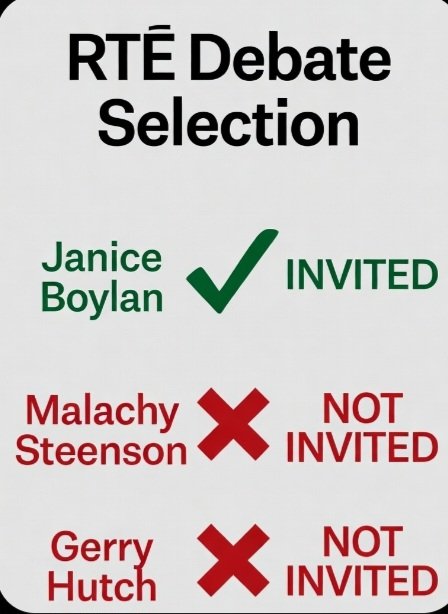
Malachy Steenson and Gerry Hutch kept off RTÉ election debate despite performing better in previous election results and having larger profile then Sinn Féins Boylan who was invited.
In last night's edition of RTÉ's The Week in Politics, a special constituency debate focused on the upcoming Dublin Central by-election featured a predictable lineup.
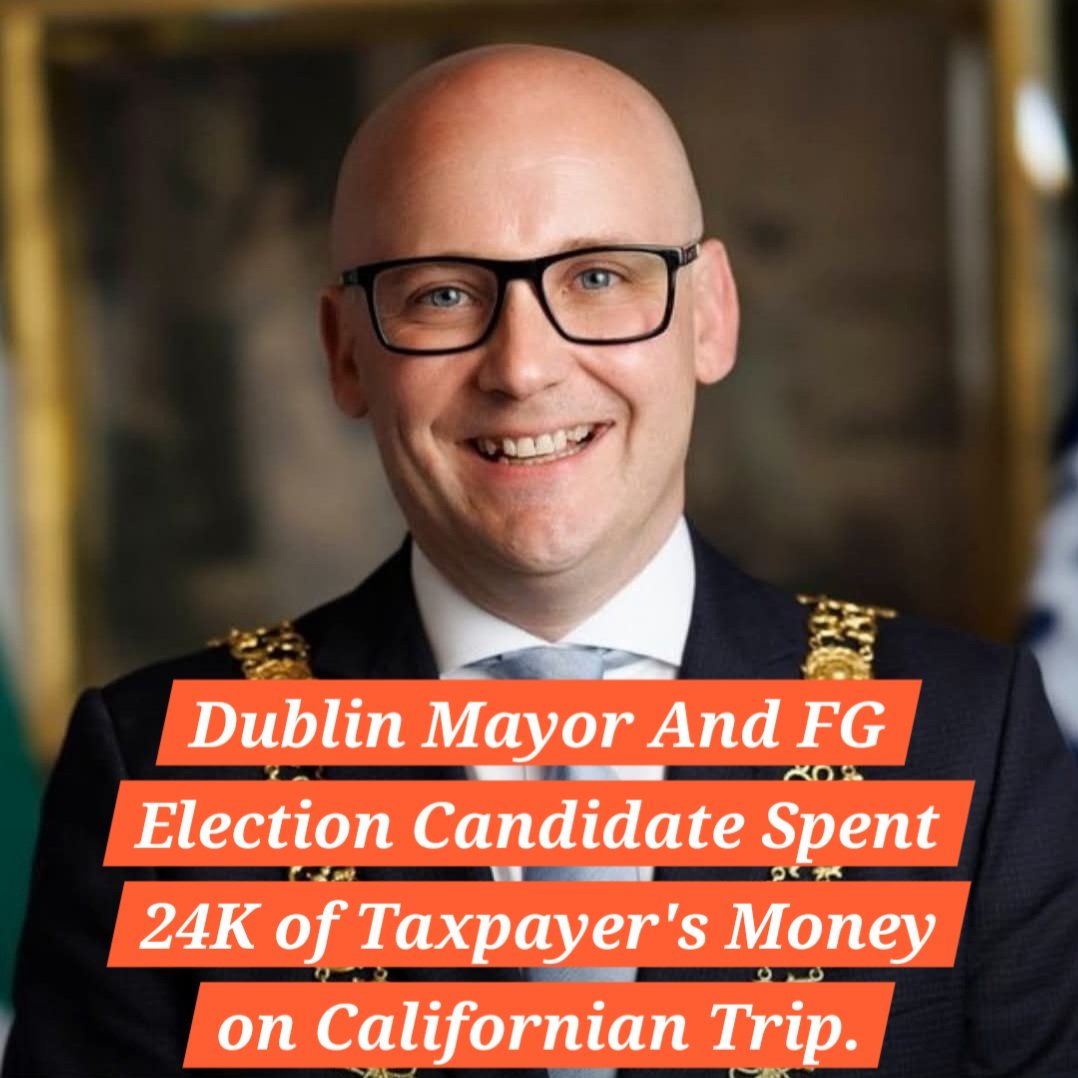
Sinn Féin councillor Janice Boylan, alongside candidates Daniel Ennis of Social Democrats, Dublin Lord Mayor Ray McAdam of Fine Gael, and Marie Sherlock of Labour.
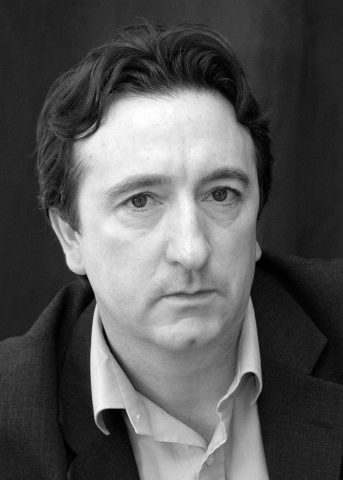
Conspicuously absent were two independents with proven local draw Dublin City Councillor Malachy Steenson and Gerry Hutch known as "The Monk".
This exclusion stands out given the 2024 election results in the same constituency.
In the general election, Gerry Hutch secured 3,098 first-preference votes nearly 10% of the tally and substantially more than Janice Boylan's 1,257 first preferences. Malachy Steenson, running as an independent, polled 1,602 first preferences in Dublin Central, again outperforming Boylan's showing, while also winning election to Dublin City Council in the North Inner City ward with strong local support (over 8% in his local electoral area).
Steenson has built a visible profile through community activism and council work, often exceeding Boylan's local recognition on key issues like housing and immigration.
Yet RTÉ, the state broadcaster, chose to platform the Sinn Féin candidate whose party vote share has declined nationally while sidelining independents who demonstrated greater voter appeal in the very constituency under discussion.
This was not an oversight.
With a crowded field including other independents and smaller parties, the broadcaster curated a panel that reflected only "acceptable" establishment voices.
Evidence of Sinn Féin's Establishment shift.
The decision serves as fresh evidence that Sinn Féin has firmly transitioned into an establishment party.
Once positioned as outsiders challenging the political elite, the party now benefits from the same institutional protections once reserved for Fianna Fáil and Fine Gael.
Boylan's inclusion, despite weaker 2024 numbers, underscores how Sinn Féin has integrated into the mainstream, gaining invitations to state mediated debates while genuine challengers are filtered out.
RTÉ's role here is particularly telling. As a publicly funded broadcaster, it acts as a gatekeeper, presenting only candidates the state apparatus deems palatable.
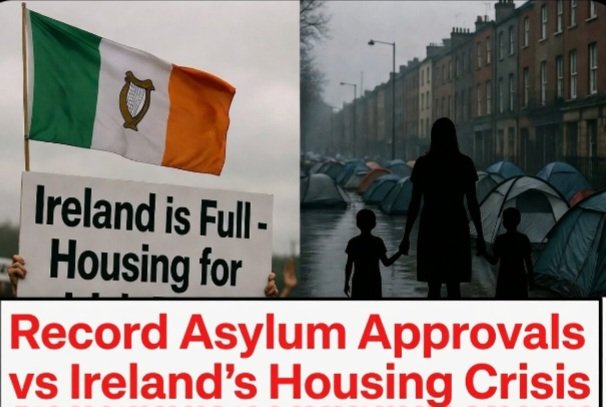
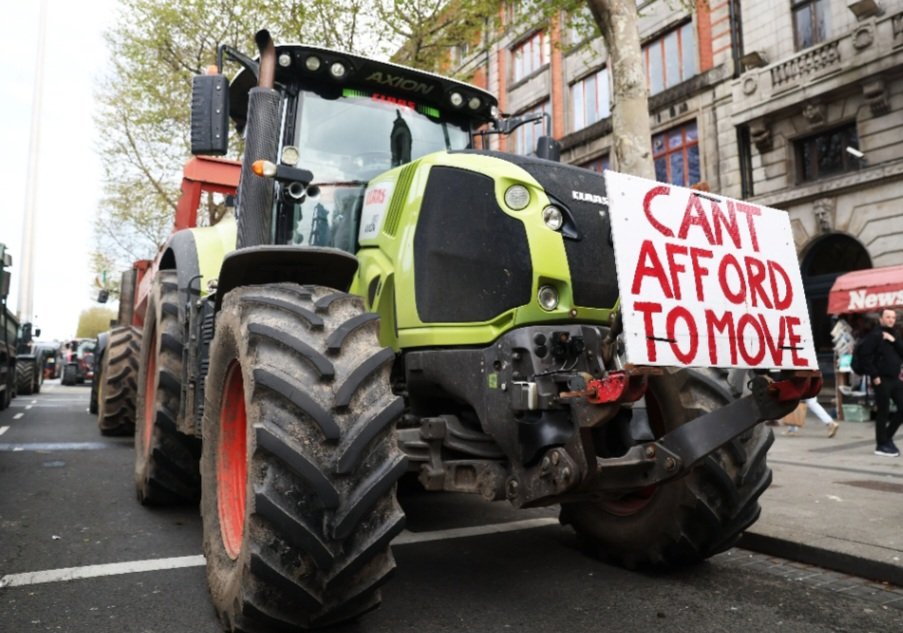
By excluding Steenson and Hutch figures who have tapped into widespread dissatisfaction with housing failures, cost-of-living pressures, and uncontrolled immigration the broadcaster appears to be doing the state's bidding: managing public discourse and shielding the consensus from disruption.
The fear of allowing Steenson's nationalist leaning voice or Hutch's raw anti-establishment appeal on air speaks volumes.
These candidates represent unfiltered local discontent that threatens the controlled narrative.
Voters in Dublin Central, and across Ireland, increasingly see through such manoeuvres.
When state media curates debates to favour Sinn Féin alongside traditional parties while airbrushing stronger-performing independents, it reinforces the perception of a closed political cartel.
The message is clear: certain profiles and certain critiques of the status quo remain off-limits, no matter the electoral evidence.
This isn't neutral journalism it's managed democracy in action, and it risks further alienating those who already feel unrepresented.
English