Edward Reid

13.3K posts

Edward Reid banner
Edward Reid

Edward Reid

@ReidEdwardII

Father, writer, and seeker of truth. Exploring memory, faith, the moral weight of history, and my enduring love for Poland. Memento Mori. Veritas Manet.

USA Katılım Mayıs 2021
538 Takip Edilen32.9K Takipçiler
Sabitlenmiş Tweet
Edward Reid
Edward Reid@ReidEdwardII·
Long post: 😊 As someone not of Polish descent, I approach Polish history with an objective and committed perspective. My passion for uncovering and sharing these often-overlooked stories comes from a deep respect for the resilience and sacrifices of the Polish people. In my journey to shed light on these narratives, I’ve faced criticism, name-calling, censorship, and the spread of falsehoods. Some deliberately distort history for personal gain or to diminish the significance of Polish experiences or simply out of malice. I refuse to remain silent in the face of such lies. The truth matters, both to history and to the dignity of those who lived it. As a real Christian, I believe that truth, honor, and integrity are essential virtues. To follow Christ is to value honesty and stand for justice, even when it’s difficult or unpopular. This belief guides my work in exploring Polish history and every other aspect of life. Whether analyzing past events, current issues, or personal struggles, I am committed to revealing the truth. In a world rife with misinformation, this pursuit is a reflection of the gospel’s call to love, humility, and justice. Yet, I’m not afraid to confront evil and call out manipulators for what they truly are. I believe in speaking honestly and directly, as truth requires boldness and integrity. This commitment reminds me that all people, regardless of nationality, are made in the image of God and deserve dignity and compassion. Just as I seek to honor Poland’s history and legacy, I strive to live a life dedicated to truth in all areas. From addressing injustices in my own country to confronting global issues, I am committed to shedding light on what truly matters. Falsehoods must be challenged for the betterment of humanity, wherever they arise. To those who intentionally manipulate facts or distort history, I say this: the truth cannot be silenced. You may mislead for a time, but truth always prevails. Your actions dishonor the memory of those who suffered and are currently suffering. Accountability is not optional, it is essential for justice and healing. Poland’s history is not only a tale of oppression and struggle but a testament to the strength of the human spirit, the fight for freedom, and the belief in justice. These ideals fuel my broader mission to promote truth, compassion, and integrity. The challenges and betrayals I witness in my own country inspire me to uphold the values of honesty, compassion, and justice. Today is a special day for me as I welcome another member of my family, my namesake, Theodor (“Gift from God”). I am eager to teach him the knowledge I have, share with him the truth, and, God willing, see him become a better man than I. I also want to take a moment to thank everyone who has supported my work. Your encouragement and willingness to share my research inspire me to continue, even in difficult times. It is because of you that I remain committed to sharing the truths that must be heard. You remind me that standing by the truth, regardless of the challenges, is always worth it. To everyone who believes in the power of truth: thank you. Together, we honor the past and work toward a future grounded in honesty, dignity, and faith. Let us continue seeking the truth, confronting falsehoods, and ensuring that the legacies of courage and hope endure. Fiat Lux et Veritas

Edward Reid tweet media
English
297
557
2.6K
82.4K
Michał
Michał@M24116936·
@ReidEdwardII Thank you for all the things you write. It does mean a world to us♥️
English
2
0
4
146
Edward Reid
Edward Reid@ReidEdwardII·
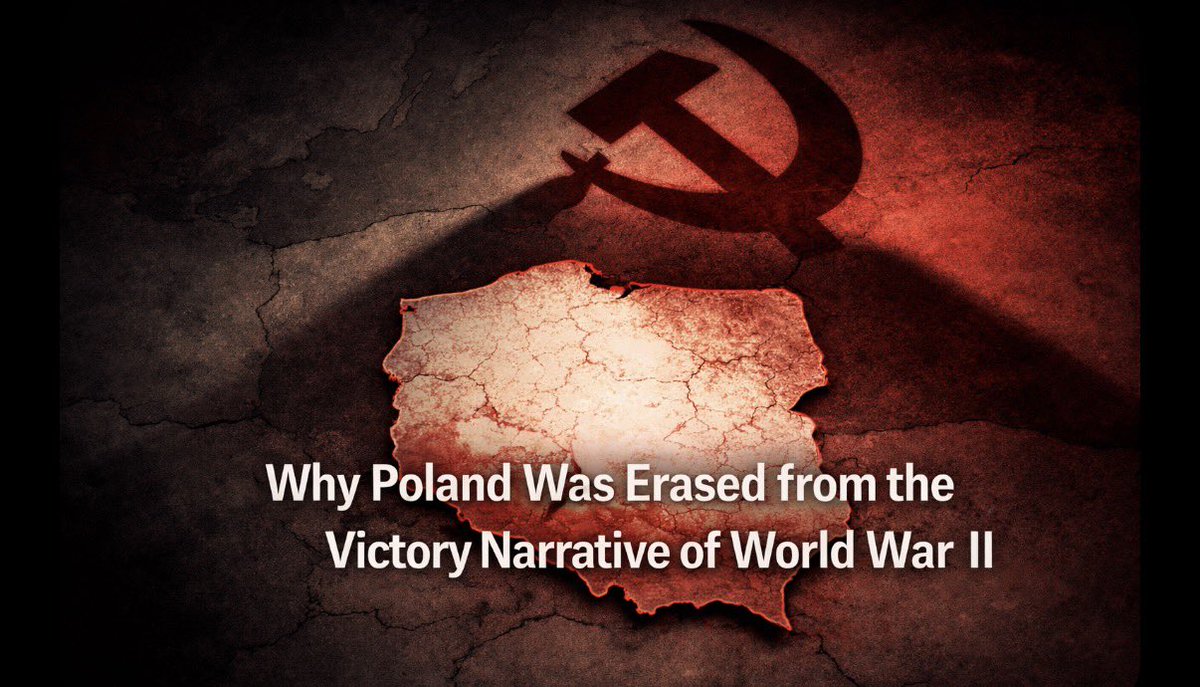
Why Poland Was Erased from the Victory Narrative of World War II: One of the paradoxes of the Second World War is that the country whose destruction began the conflict was largely absent from the story of victory that followed it. Poland was the first nation to resist Nazi Germany. When Germany invaded on September 1, 1939, Polish forces fought despite overwhelming odds. Just over two weeks later the Soviet Union invaded from the east under the secret terms of the Molotov–Ribbentrop Pact. Poland was crushed between two totalitarian powers, yet the Polish state did not surrender. The government continued the war in exile, and Polish forces fought alongside the Allies on nearly every front. Polish pilots defended Britain during the Battle of Britain. Polish soldiers fought in North Africa and Italy, where the Polish II Corps captured Monte Cassino after months of failed Allied assaults. Polish troops helped liberate parts of France, Belgium, and the Netherlands. Polish intelligence had earlier played a crucial role in breaking the German Enigma code. Inside occupied Poland, one of the largest underground resistance movements in Europe operated in secret. The Polish Underground State maintained courts, schools, and an army that carried out sabotage and intelligence operations against the German occupation. Yet when the war ended, Poland was not fully present in the story of victory that the world came to remember. One reason was geopolitics. By 1945 the Soviet Union controlled Poland. At the Yalta Conference the Western Allies accepted that Poland would fall within the Soviet sphere of influence. The Polish government-in-exile that had fought alongside the Allies was gradually pushed aside, and a communist government backed by Moscow took power. Emphasizing Poland’s wartime struggle risked drawing attention to the uncomfortable truth that the country had not regained genuine independence. Soviet propaganda also shaped the historical narrative. The Red Army was portrayed as Poland’s liberator, while earlier Soviet actions such as the 1939 invasion, mass deportations, and the Katyn massacre were suppressed for decades. There was another factor as well. Global memory of the war increasingly centered on the Shoah, the systematic murder of six million Jews by Nazi Germany. This focus was justified, but it sometimes narrowed the broader story of suffering in Eastern Europe. Poland lost both its Jewish population, which had been one of the largest in the world, and millions of non-Jewish citizens who died under German and Soviet rule. These overlapping tragedies created a complicated memory landscape. Different communities emphasized different aspects of the war, and at times this produced what some call “competitive victimhood,” where recognition of suffering becomes contested. Poland’s wartime experience does not fit easily into a simple narrative of liberation. The country endured the destruction of its Jewish communities, the loss of millions of its citizens, and decades of communist rule after the defeat of Germany. Remembering Poland’s story does restore part of a historical picture of a nation that fought from the first days of the war but whose victory was overshadowed by politics and competing and minimizing memories of the conflict.
Edward Reid tweet media
English
53
535
1.7K
32.5K
Edward Reid
Edward Reid@ReidEdwardII·
That means a lot, thank you. I think you’re right, in many ways this is only the beginning. The deeper I go, the more I realize how much of Poland’s story remains fragmented (Soviet occupation/German occupation), simplified, or overlooked entirely. My The goal is not to replace one narrative with another, but to bring more of the full picture into view, with all its complexity, sacrifice, and contradictions.
English
0
0
0
10
J Young
J Young@young_j4237·
@ReidEdwardII Thank you Mr Reid And I am more than sure you are just scratching the surface of this
English
1
0
2
22
Edward Reid
Edward Reid@ReidEdwardII·
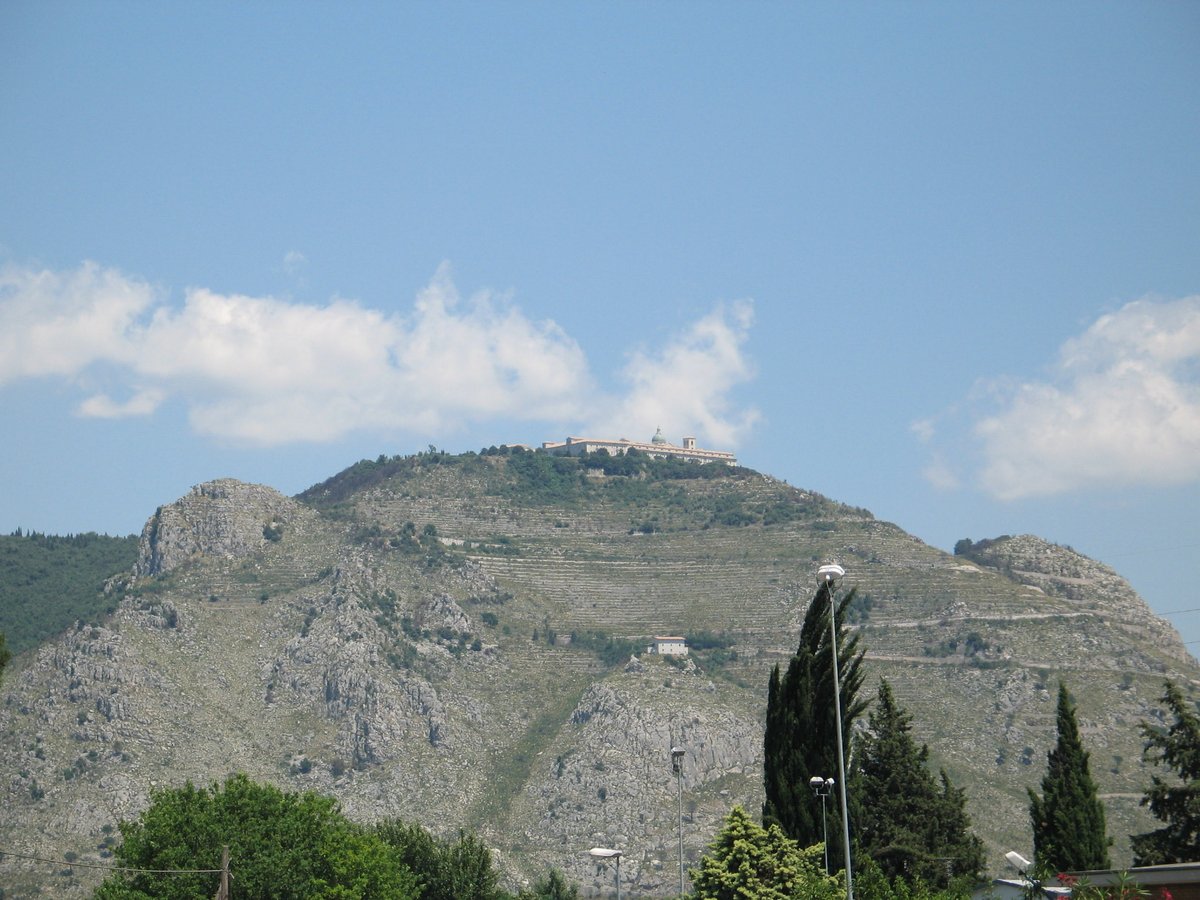
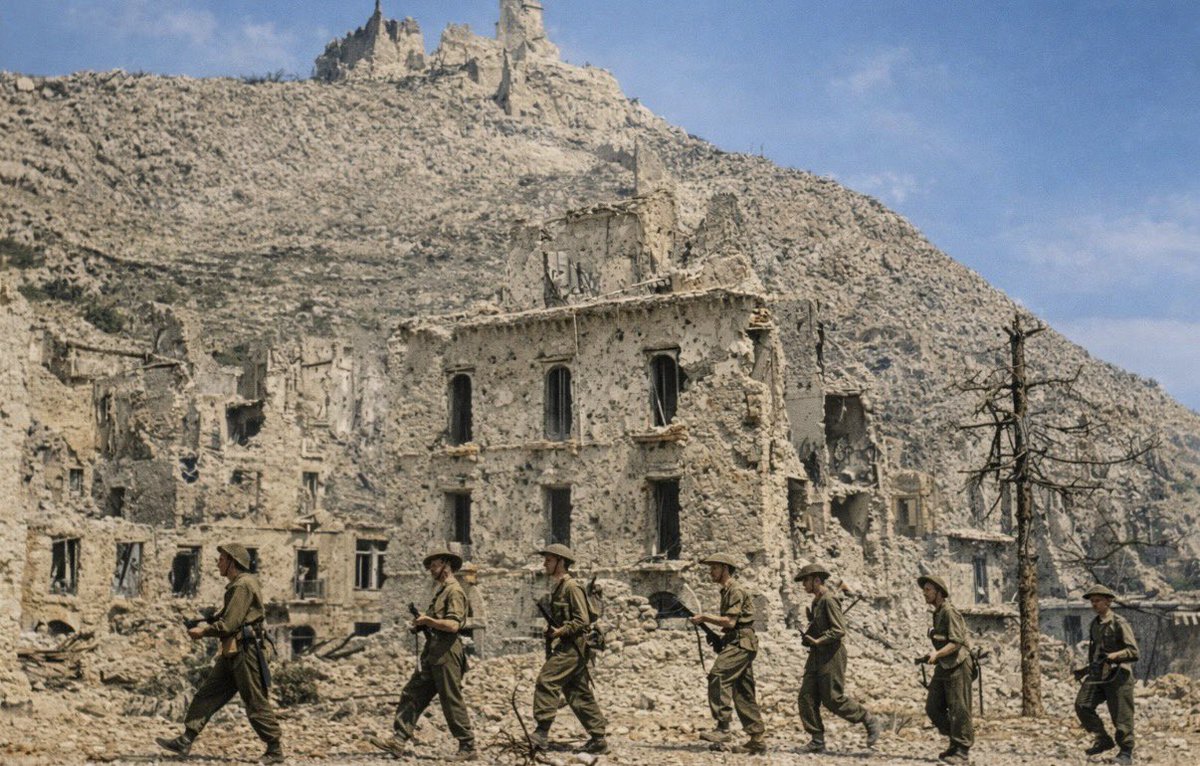
There are battles that belong to strategy, and there are battles that belong to memory. Monte Cassino belongs to both, but to the Poles above all it became something deeper, almost sacred. It was not simply a military objective perched atop a shattered Italian mountain. It was a reckoning. By the spring of 1944, the Allies had already hurled wave after wave of men against the German defensive line anchored on the heights of Monte Cassino, and each assault had failed. The terrain itself seemed to resist conquest, steep, broken, exposed, a landscape of stone and fire where every approach was observed and every advance punished. The ruins of the ancient abbey loomed above it all, reduced to rubble yet still dominating the battlefield like a tomb that refused to close. Into this crucible came the Polish II Corps under General Władysław Anders. These were not ordinary soldiers, but men who had survived Soviet prisons, deportations, starvation, and exile, men for whom the road to Monte Cassino had begun in the frozen wastes of Siberia. They were told to take the mountain, a task that bordered on the impossible, as German paratroopers held fortified positions carved into rock and every path upward was covered by machine gun fire, artillery, and mortars. The Poles attacked in May 1944, advancing at night through minefields and shattered stone, carrying ammunition and wounded alike up slopes that seemed to reject human presence. Progress was measured in meters and paid for in blood. One soldier later recalled, “We went forward because there was nothing else left for us to do. Behind us was not safety, but memory,” while another wrote, “The mountain was not earth. It was fire and iron. You did not fight on it, you endured it.” The first assaults were repulsed with heavy losses, entire units cut down trying to seize key ridges, yet they did not break. They regrouped and went forward again, driven by something greater than orders. Anders understood the cost, but also the meaning, that for a nation occupied and erased, this battle was a declaration that Poland still fought. “We knew the price,” he is remembered to have said, “but we also knew that there are moments in history when a nation must prove it still exists.” The final assault came through relentless pressure, Polish units clawing their way up the slopes, taking one position after another in brutal close combat until the Germans, worn down and facing encirclement, began to withdraw. On May 18, 1944, Polish troops reached the summit and raised their flag over the ruins of the abbey as a bugler played the Hejnał Mariacki, its notes carrying across a battlefield that had consumed thousands. It was victory, but also mourning. Over 900 Polish soldiers were killed and thousands more wounded, the slopes left marked by graves as much as by craters. The cemetery below bears the inscription, “For our freedom and yours, we Polish soldiers gave our souls to God, our bodies to the soil of Italy, and our hearts to Poland.” Monte Cassino opened the road to Rome, yet for the Poles the triumph carried a bitter weight, their homeland still under Soviet control and their sacrifice largely unreflected in the postwar order. Still, the meaning of Monte Cassino endures. It stands as a testament not only to military perseverance, but to a refusal to disappear, a determination to be counted among the living nations of the world even when history seemed determined to erase them. In the end, the conquest of Monte Cassino was not only a victory over terrain and enemy, but a victory over oblivion.
Edward Reid tweet media
English
20
263
916
9.8K
Edward Reid
Edward Reid@ReidEdwardII·
That was only the tip of the iceberg, a visible slight compared to the far deeper betrayals and the long shadow of revisionism that followed, where the sacrifices of Poland were diminished, its role recast, and its suffering too often pushed to the margins of the very victory it helped secure.
English
0
3
24
359
Stefan
Stefan@StefanRKaminski·
@ReidEdwardII So important. Which makes the exclusion of Polish representation in the Victory parade in London after the war even more insulting.
English
1
0
19
341
Edward Reid
Edward Reid@ReidEdwardII·
I have always understood that Operation Wildhorn III in July 1944 was closely connected to the German V-2 rocket program being tested at Blizna in southeastern Poland. After the Allied bombing of Peenemünde in 1943, the Germans moved much of their testing activity to the Blizna area. In May 1944, one of the V-2 rockets fired from this site malfunctioned and crashed into marshland near the Bug River without detonating. Units of the Polish underground quickly secured the wreckage before German forces could recover it. Polish engineers and intelligence specialists secretly examined the rocket’s components, studying its fuel system, guidance mechanism, and construction. They were able to reconstruct key technical details of the weapon. In July 1944, during Operation Wildhorn III, an RAF Dakota landed on a clandestine airstrip in occupied Poland. The aircraft evacuated key Polish intelligence personnel along with recovered V-2 components and technical reports to Britain. This material provided Allied scientists with their first detailed understanding of the V-2 rocket. That intelligence proved invaluable in preparing for the missile campaign Germany began in September 1944, when V-2 rockets were launched against London and other Allied cities. Operation Wildhorn III is therefore one of the lesser known but remarkable examples of cooperation between the Polish resistance and the Western Allies, and it played a significant role in revealing the secrets of one of Germany’s most advanced weapons.
English
2
2
11
280
Robert Sababady
Robert Sababady@RobertSababady·
I have always thought that Operation Wildhorn III in July 1944 involved the V-2 missile that the Germans were testing in Blizna in South East of Poland. The V-2 missile testing plant had been moved by the Germans from Peenemünde after that facility had been bombed. The V-2 rocket from the Mittelwerk factory in Germany and crashed, not exploding into the Bug River. This intelligence was made available to the British who then started to understand how to counter the V-2 attacks in September of 1944 on London. Or is this a common misconception ?
English
1
0
0
201
Edward Reid
Edward Reid@ReidEdwardII·
During the Second World War, intelligence was often as decisive as armies in the field. Long before the first German V-1 flying bombs began striking London in June 1944, members of the Polish underground had already uncovered one of the most important secrets of Germany’s developing “wonder weapons.” Through courage, ingenuity, and extraordinary risk, the Polish resistance managed to capture and deliver key parts of the weapon to the Allies, allowing scientists and intelligence services to study before it was developed. The V-1 flying bomb was one of Adolf Hitler’s so-called vengeance weapons. It was essentially an early cruise missile, powered by a pulsejet engine that produced the distinctive buzzing sound that civilians in Britain would later come to fear. The weapon could be launched from ramps across occupied Europe and travel hundreds of kilometers before diving onto its target carrying a heavy explosive warhead. Germany hoped the weapon would terrorize Allied cities and weaken morale. Before the weapon could achieve that purpose, it had already attracted the attention of the Polish underground. Members of the Armia Krajowa had been closely monitoring German testing areas and military transport activity. Through an extensive network of scouts, informants, and engineers, they gathered information about the development of new German weapons. In 1944 a remarkable opportunity emerged. A V-1 flying bomb malfunctioned during testing and crashed in an area of southeastern Poland, in territory where Polish resistance fighters operated. Instead of allowing German recovery teams to reach the site, local resistance units secured the wreckage first. Realizing its potential importance, they carefully dismantled the weapon and hid its components before German authorities could reclaim them. Engineers connected to the underground studied the captured parts in secret. Even in the difficult conditions of occupation, Polish specialists were able to analyze the pulsejet engine, structural design, and control mechanisms. Their findings confirmed that Germany had developed a long-range pilotless weapon capable of striking distant cities. The next challenge was delivering this intelligence to the Allies. The underground organized a daring extraction mission known as Operation Most III, sometimes called Operation Wildhorn III. In July 1944 a British aircraft secretly landed on a makeshift airstrip prepared by the resistance deep inside occupied Poland. Under constant threat of German patrols, the members delivered the recovered V-1 components along with technical reports prepared by Polish engineers. The aircraft carried the materials back to Britain. For Allied scientists and intelligence analysts, the captured parts were invaluable. They were able to examine the engine, fuel system, and guidance mechanisms in detail, providing a clearer understanding of how the weapon functioned and could be interpreted. When Germany began launching large numbers of V-1 rockets against London and southern England in June 1944, the Allies were already better prepared. Radar tracking, anti-aircraft defenses, and fighter interception tactics were refined specifically to counter the new weapon. Many V-1 bombs were destroyed before they could reach their targets. The success of the operation also reflected the wider importance of Polish intelligence. Years earlier, Polish mathematicians had already broken the German Enigma machine, laying the foundation for Allied codebreaking efforts in Britain. Throughout the conflict, Polish resistance networks continued to gather crucial information on German troop movements, weapons programs, and military facilities. Among these achievements, the recovery of the V-1 rocket remains one of the most remarkable examples of resistance intelligence. Operating under the constant threat of arrest, torture, or execution, members of the underground risked everything to secure and deliver the enemy’s secrets.
Edward Reid tweet media
English
14
172
505
7.1K
Edward Reid
Edward Reid@ReidEdwardII·
Thank you for the kind words, Janusz. I appreciate it. You are correct that the commonly cited figure is about 6 million citizens of prewar Poland who died during World War II, including roughly 3 million Polish Jews and about 3 million non-Jewish Polish citizens. These numbers come from postwar demographic studies and later research by historians. At the same time, determining exact numbers is extremely difficult because Poland was devastated by two occupying powers - Germany and the Soviet Union. Many deaths caused by Soviet repression, deportations to Siberia, executions, prison camps, and the destruction of Polish elites are often less clearly counted, discussed, or ignored outright in broader wartime statistics. Poland lost roughly one fifth of its entire population, one of the highest proportional losses of any country in the war. Yes, serious historical research should always remain open, careful, and honest so that the memory of those who suffered is preserved accurately.
English
0
0
5
145
Ja Janusz 🇵🇱
Ja Janusz 🇵🇱@janusz57758·
Edward, our respect and gratitude for what you do is immense, and nothing and no one can change that. Just a small correction: according to Polish data, approximately 6 million Poles died during World War II, including approximately 3 million Jews. Recently, doubts have been raised about whether this proportion is credible and whether, of the 6 million Polish victims, more than 3 million were Poles. However, it's difficult for Polish historians to undertake such research, because any attempt results in accusations of Holocaust denial. Well, we'll see what the future brings. Best regards 🙂
English
2
2
38
861
Edward Reid
Edward Reid@ReidEdwardII·
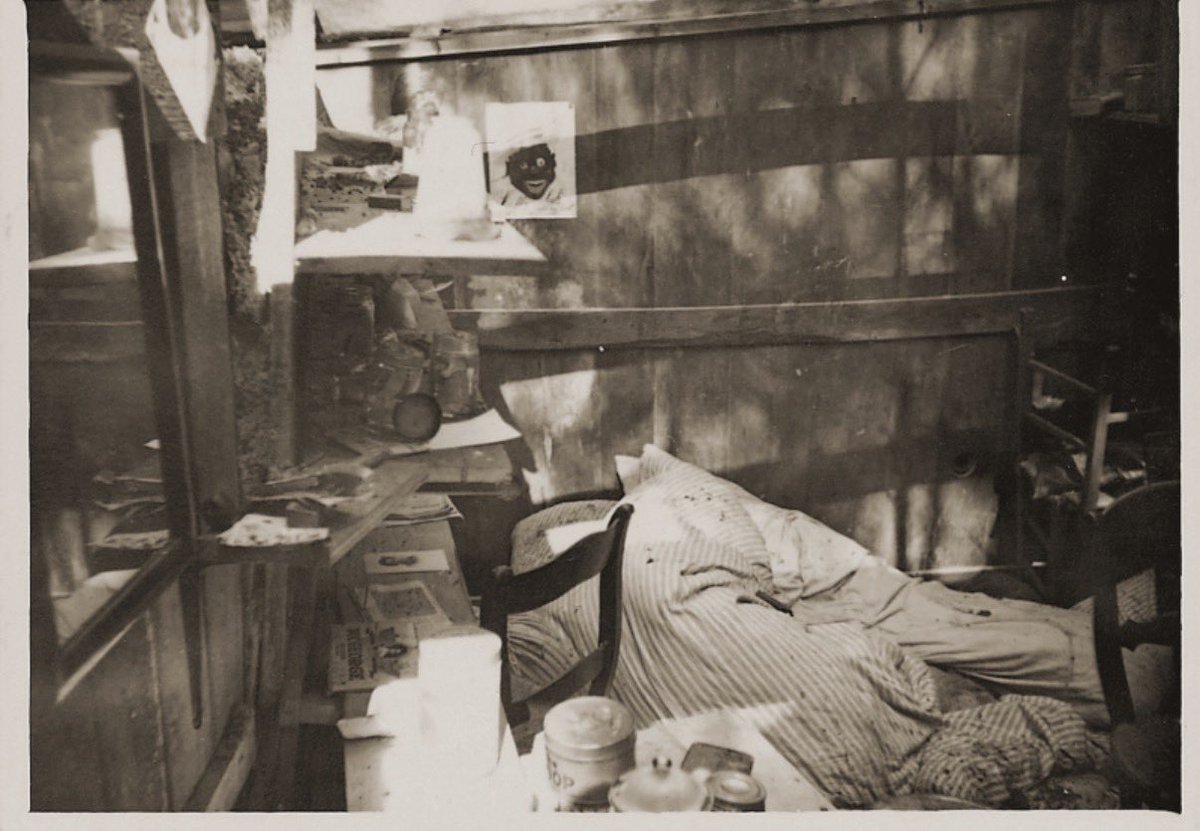
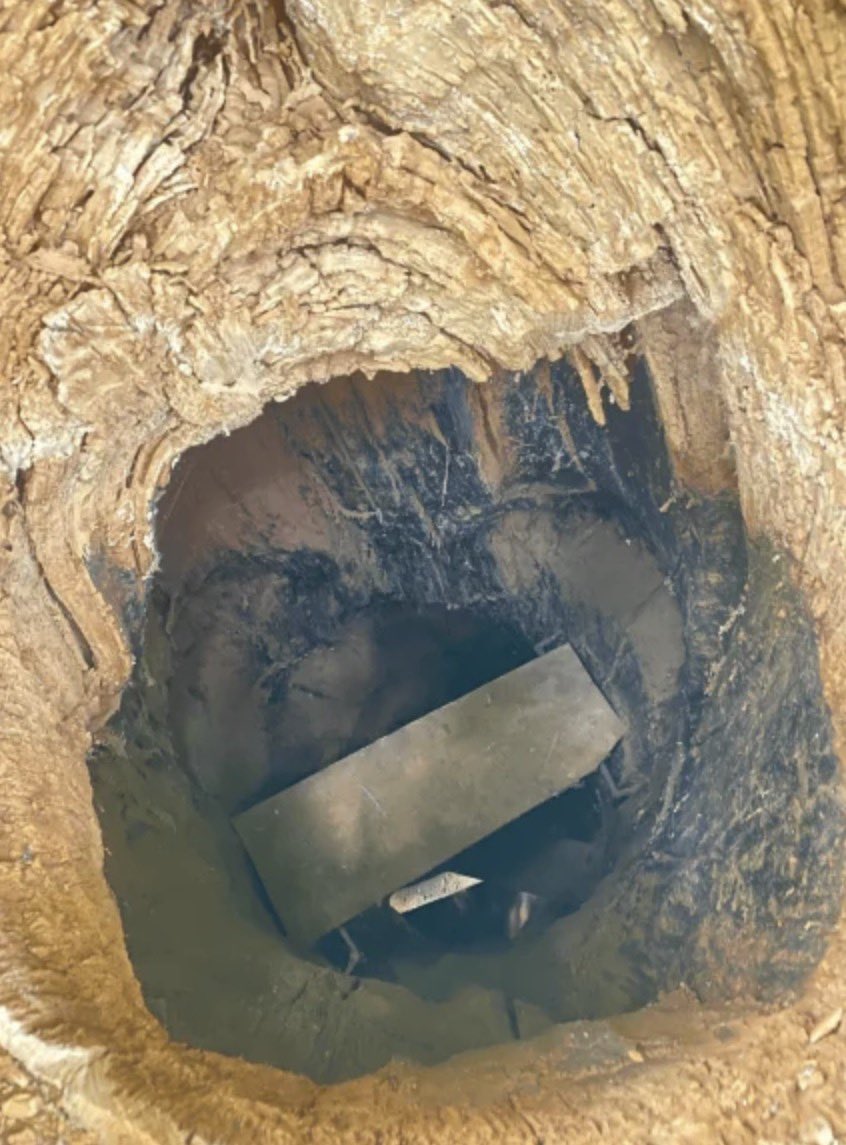
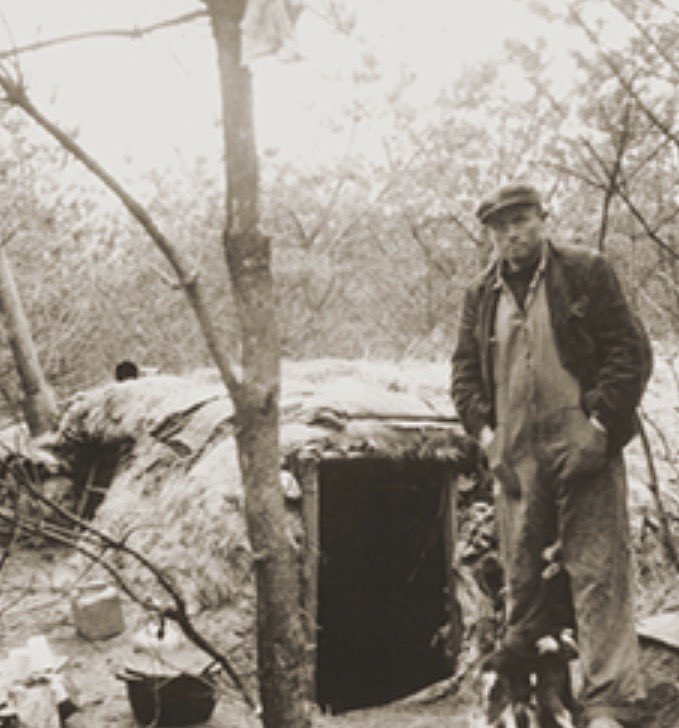
History is rarely simple, we often prefer to see the past in clear lines, dividing people neatly into heroes and villains, courage and cruelty, right and wrong. Yet the reality of human history, especially in times of war and terror, is far more complicated than the stories we sometimes tell ourselves. In every society facing extreme circumstances there were individuals who displayed remarkable courage. Some risked their lives to protect others, to resist injustice, or to preserve dignity in a world that seemed determined to destroy it. These people remind us of what humanity is capable of at its best. There were also those who betrayed, exploited, or harmed others. Fear, hatred, ideology, necessity, and opportunism often pushed people toward terrible choices. These darker actions cannot be ignored, and they form an undeniable part of the historical record and the human tragedy. Between these two extremes lived the many people. Most were not heroes, and most were not monsters. They were ordinary human beings trying to survive horrific circumstances that we, living decades later in safety, can barely imagine. They faced hunger, violence, uncertainty, and constant fear. Every decision carried risks that could mean the loss of freedom, the loss of family, or the loss of life itself. This complexity existed everywhere in occupied Poland. It took place in the ghettos by the Germans; the occupiers created institutions such as Jewish Councils and Jewish police units. Some individuals became part of these structures, sometimes out of fear, sometimes believing they could protect their families or mitigate suffering. In certain cases corruption, coercion, and bribery occurred. Historians have documented both collaboration and resistance within these tragic circumstances. Within this broader human story, the experience of occupied Poland stands out in an important way. Under German rule, helping Jews was punishable not only by death for the individual who offered help, but often by death for entire families. Parents, children, and relatives could all be executed for a single act of compassion. Despite this, tens of thousands of Poles chose to help. Some hid families in attics, cellars, barns, and forests. Others forged documents, smuggled people across borders, or sheltered them for months and years. But beyond these well-known stories of rescue, there were also countless small acts of help that rarely appear in history books. A loaf of bread quietly handed through a fence. A warning whispered before a German patrol arrived. A place to sleep for a single night. A farmer who looked the other way. A neighbor who shared a coat or a pair of shoes. These small acts did not always save lives forever, but in those moments they meant survival for another day. Today, Poland has the largest number of individuals officially recognized for rescuing Jews during the war. Yet many more acts of help were never recorded, because those who offered assistance did so quietly and anonymously, often simply because their conscience told them it was the right thing to do. History teaches us that humanity is capable of both cruelty and compassion. Even in the darkest chapters of the twentieth century, there were people who chose empathy over fear. Before passing judgment on those who lived through such terror, perhaps the most honest question we can ask ourselves remains a simple one: What would we have done Photos: Jewish hideouts provided by Poles.
Edward Reid tweet mediaEdward Reid tweet mediaEdward Reid tweet mediaEdward Reid tweet media
English
2
58
137
2.3K
Edward Reid
Edward Reid@ReidEdwardII·
@wieslawawy I’m putting a book together and would be glad to see what you have. Thank you.
Edward Reid tweet media
English
2
1
2
61
babcia1
babcia1@wieslawawy·
@ReidEdwardII I have a 12 page hand written letter I discovered 25 years ago that my father wrote to his brothers about his wartime expierences. I’ll be happy to share it with you by mail if you are interested. I had it transcribed.
English
1
0
1
38
Edward Reid
Edward Reid@ReidEdwardII·
“The first casualty of war is truth.” The phrase, attributed in various forms to Samuel Johnson, Hiram Johnson, and Arthur Ponsonby, finds its fullest embodiment in the fate of Poland during and after the Second World War. From the first days of September 1939, when German tanks rolled in from the west and Soviet forces struck from the east, the story of Poland was wrapped in lies, lies to justify aggression, lies to cover atrocities, lies to excuse betrayal, and lies that, for decades, shaped how the world remembered the war. The Germans unleashed a campaign of unprecedented brutality upon Poland, yet in the early months of the war much of the West did not fully comprehend the scale of the terror. Poland was not simply invaded; it was dismembered with the intent of extinguishing its identity and reducing its people to slaves. German propaganda portrayed Poles as “Untermenschen,” fit only for servitude, and this poisonous image seeped into international narratives. Few outside of occupied Europe grasped that Polish villages were being burned, intellectuals executed, priests arrested, and entire communities erased with ruthless precision. The blitzkrieg was not merely a military campaign, it was a calculated effort to annihilate a culture, and yet this truth was muffled beneath German lies and Western indifference. The Soviets, too, cloaked their crimes in deception. In April 1940, when thousands of Polish officers and intellectuals were taken into the forests of Katyn, Kharkiv, and Mednoye, shot in the back of the head, and buried in mass graves, Stalin’s regime constructed an elaborate falsehood that endured for decades. When the Germans later uncovered the graves in 1943, it was easy for the West, locked in alliance with Moscow, to accept the Soviet version of events, blaming the Germans. Even when Polish voices cried out for recognition of the truth, they were silenced, marginalized, or accused of undermining the unity of the Allied cause. The massacre at Katyn was not only a crime of murder but a crime against truth itself, for the world was made to swallow a lie as history. Poland’s tragedy did not end with the war. At Yalta in 1945, promises of free elections and independence were made to the Polish government-in-exile, whose soldiers had fought with distinction on every front of the Allied war effort. These promises, however, were empty words, diplomatic illusions crafted to soothe conscience while conceding Poland to Soviet domination. Once again, truth was the casualty: the truth of Allied commitments, the truth of Polish sacrifice, the truth of self-determination so loudly proclaimed by Roosevelt and Churchill in earlier declarations. Even Poland’s achievements in the fight against Germany were obscured or denied. The work of the brilliant Polish mathematicians who first broke the Enigma code in the 1930s, handing their discoveries to the Allies before the war, was long overlooked, their essential contribution minimized in Western narratives that preferred to celebrate Bletchley Park alone. Polish pilots in the Battle of Britain, Polish soldiers at Monte Cassino, Polish troops who liberated towns and villages across Europe, all too often their sacrifices were footnotes, forgotten or erased in the larger story told by victors who found it more convenient to sideline them. Thus Poland lived, for decades, not only in the shadow of war but in the shadow of falsehoods. Its suffering at the hands of Germany was underestimated, its betrayal at the hands of the Soviets was denied, and its contributions to victory were diminished or silenced. The Polish nation had been torn apart by armies, but its story was also torn apart by narratives that served others’ interests and here lies the bitter truth of that old saying: when war comes, it is not only lives that are destroyed, it is truth itself.
Edward Reid tweet mediaEdward Reid tweet mediaEdward Reid tweet mediaEdward Reid tweet media
English
7
107
274
3.5K
Edward Reid
Edward Reid@ReidEdwardII·
Hollywood’s War with Poland, 1939–1945, written by historian Mieczysław B. Biskupski, examines how Hollywood films during World War II shaped American perceptions of Poland and the Polish people. The book argues that many wartime movies produced in the United States downplayed Poland’s role in resisting Germany and often portrayed Poles through stereotypes or simplified narratives. According to Biskupski, these portrayals were influenced by wartime politics, particularly the need for the United States to maintain a strong alliance with the Soviet Union, which had its own interests in Poland’s future. By analyzing numerous films from the period, the book explores how popular culture helped form lasting misconceptions about Poland’s wartime experience and its contributions to the Allied cause. I recommend this book. I was able to see the author speak a few years ago.
English
1
0
7
178
babcia1
babcia1@wieslawawy·
@ReidEdwardII Let’s not forget how Hollywood had a hand in the propaganda that justified this betrayal.
English
1
0
5
193
Edward Reid
Edward Reid@ReidEdwardII·
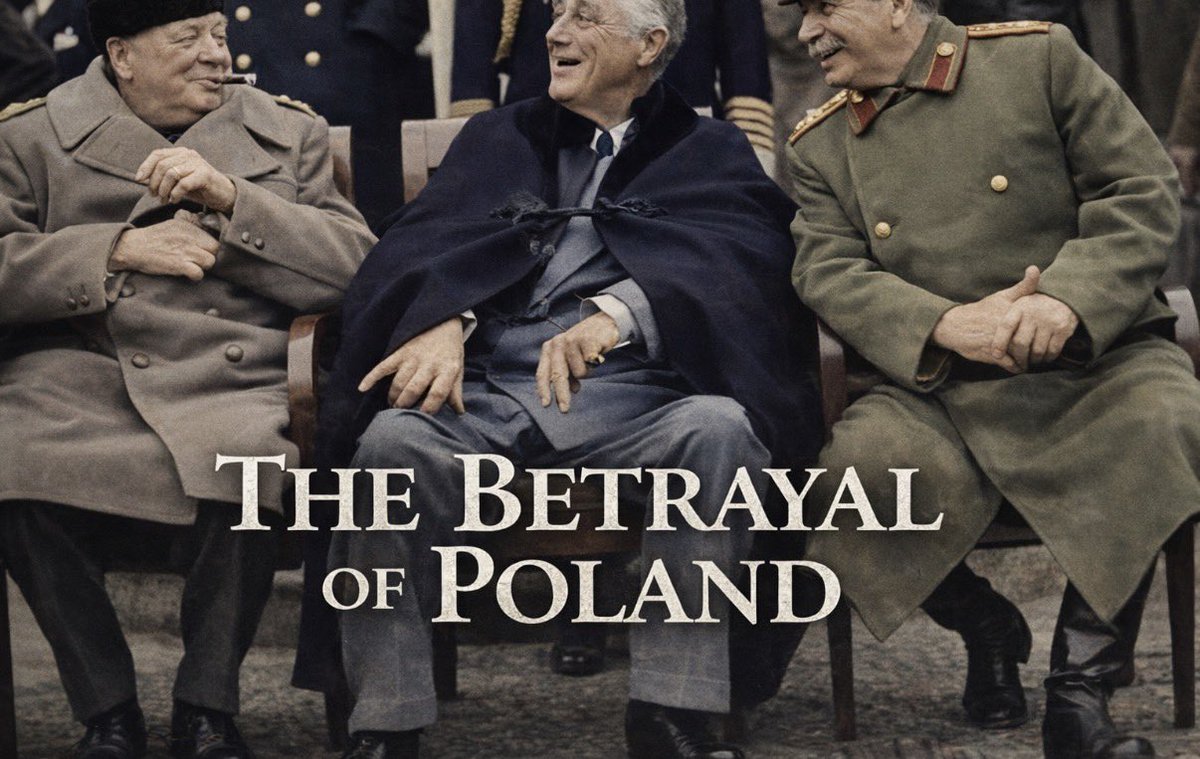
The Betrayal of Poland At the beginning of the Second World War, the Western Allies recognized the Polish government-in-exile in London as the legal government of Poland. When Germany and the Soviet Union invaded Poland in September 1939, the Polish state did not surrender. Instead, it continued the fight abroad. Polish soldiers fought everywhere. Polish pilots defended Britain during the Battle of Britain, where their skill and courage helped protect the skies over England. Polish troops fought in North Africa, in France, in the Netherlands, and in Germany itself. In Italy, the Polish II Corps captured the monastery at Monte Cassino, one of the most difficult Allied victories of the war. Polish intelligence had already helped the Allies crack the German Enigma cipher. Throughout the conflict, Allied leaders repeatedly affirmed that Poland was fighting for the restoration of its independence. Yet by the final years of the war, those promises began to fade under the weight of geopolitical reality. The Soviet Union had invaded eastern Poland in 1939 and later re-entered the country while driving the Germans westward. As Soviet armies advanced, Stalin began building a communist administration in Poland loyal to Moscow, even though the internationally recognized Polish government still existed in London. At the Yalta Conference in February 1945, Allied leaders Roosevelt and Churchill accepted arrangements that effectively placed Poland within the Soviet sphere of influence. Roosevelt, focused on maintaining Soviet cooperation to end the war and shape the postwar world, proved more willing to accommodate Stalin’s demands. Churchill was troubled by Poland’s fate. He privately agonized over what was happening and attempted to negotiate compromises that might preserve some measure of Polish independence. The settlement also reshaped Poland’s borders. The Allies accepted the Curzon Line as Poland’s eastern frontier, meaning the Soviet Union would permanently keep vast areas of eastern Poland. In total, Poland lost about 45 percent of its prewar territory, including historic cities such as Lwów and Wilno. In compensation, Poland received former German lands in the west. This “compensation” came at a devastating human cost. Millions of Poles were forced to abandon ancestral homes in the east and resettle in the newly acquired western territories. Entire communities that had existed for centuries disappeared and for many Poles, this moment felt like betrayal. The government that had been recognized throughout the war was pushed aside. Soviet-backed authorities took control. Polish soldiers who returned home risked arrest or persecution and execution under the new communist regime. Many veterans chose exile instead. Perhaps the most painful symbol of this abandonment came after the war. In June 1946, Polish troops who had fought alongside Britain were excluded from the London Victory Parade. These were the same men who had defended British skies in 1940 and fought across Europe for Allied victory. Yet their presence had become politically inconvenient. They were simply not invited. Poland had been the first country to resist German aggression in 1939. Its soldiers fought bravely for six years beside the Allies, but when the war ended, Poland did not regain the freedom it had fought for. Instead, it spent the next four decades under Soviet domination. To understand this moment fully, one must also recognize the strategic realities. Stalin believed that a friendly Poland was essential to Soviet security after centuries of invasions from the West. With Soviet armies occupying Eastern Europe by 1945, the Western Allies had little ability to force a different outcome. Still, understanding the circumstances does not erase the sense of loss.For many Poles, the end of the war did not feel like victory. It felt like abandonment. And that is why the phrase “the betrayal of Poland” still echoes so strongly in history today.
Edward Reid tweet media
English
54
610
1.8K
25.5K
Edward Reid
Edward Reid@ReidEdwardII·
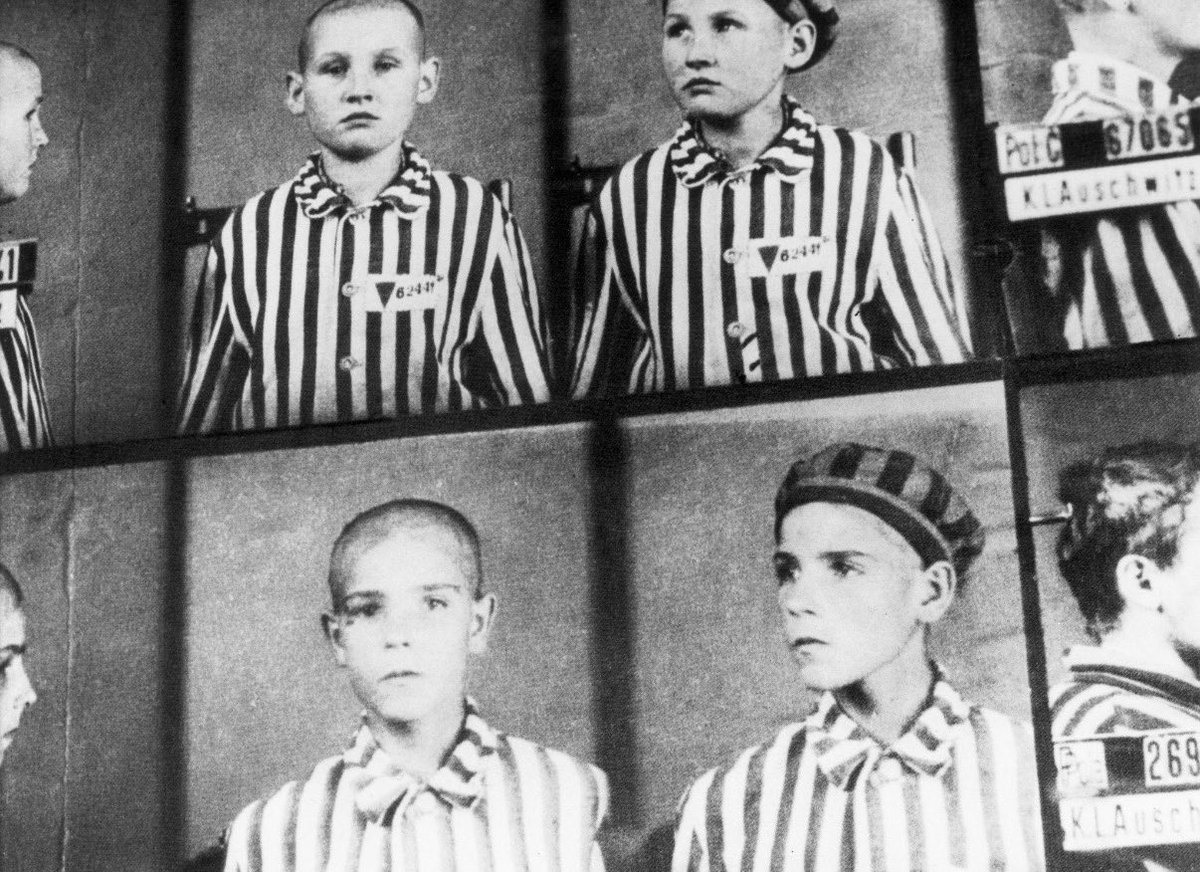
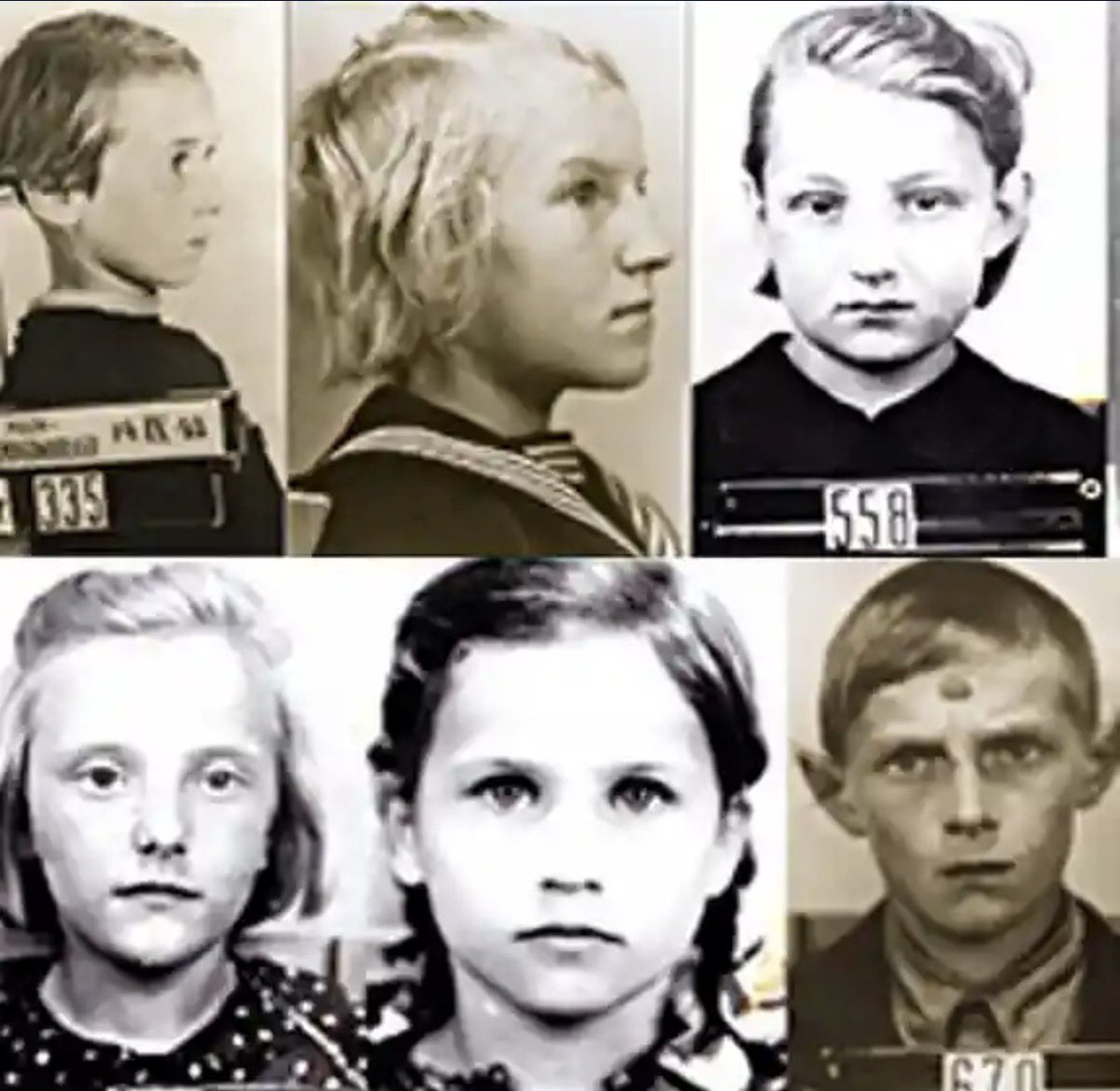
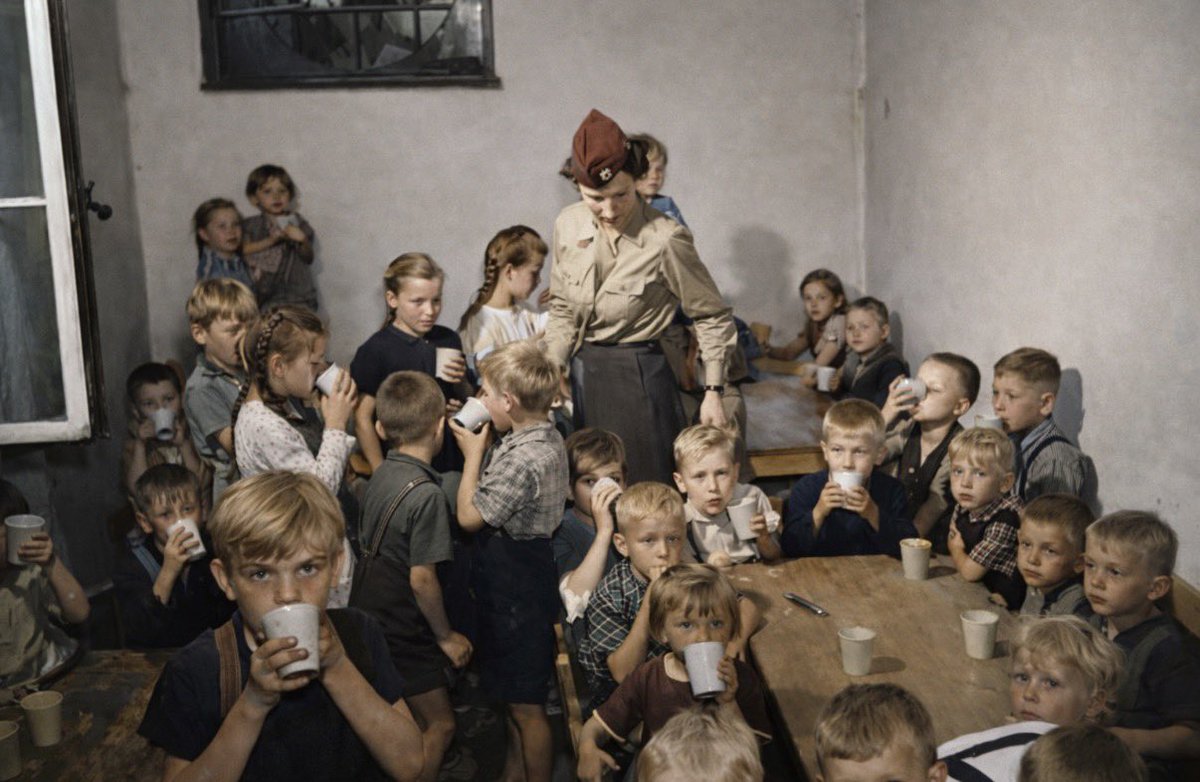
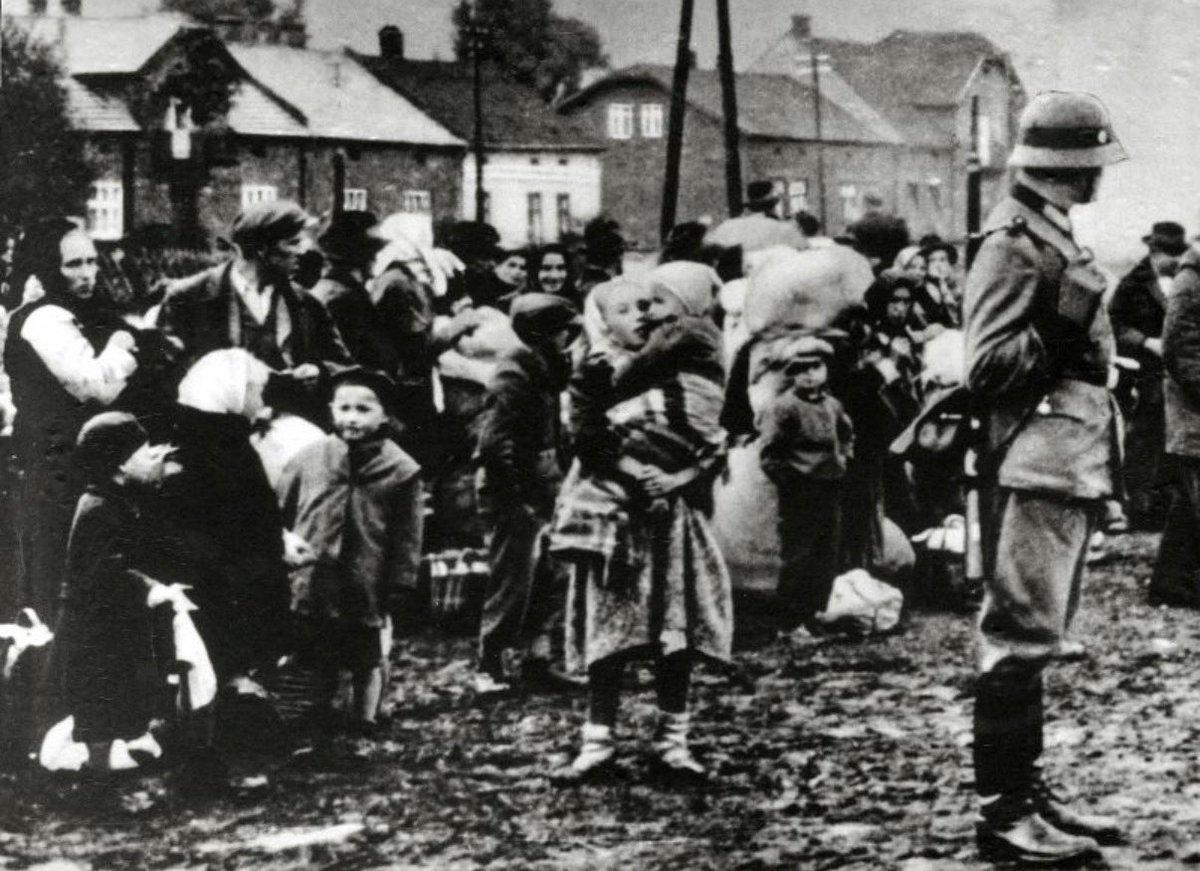
Stolen Childhood: The Polish Children of World War II: Among the most tragic victims of the German occupation of Poland were children. When Germany invaded Poland in September 1939, the war did not spare the young. Instead, children were drawn into one of the most brutal systems of persecution and social engineering ever created. For many Polish families, the war began with sudden separation. Fathers were arrested or executed, mothers were deported to forced labor, and children were left to survive in a world that had collapsed around them. Thousands became orphans almost overnight. Schools were closed, childhood routines vanished, and the security of family life was replaced by fear and uncertainty. In some regions the terror took on an even darker form. In the Zamość region of southeastern Poland, the German authorities launched a program of ethnic cleansing intended to make space for German settlers. Polish villages were emptied, families were expelled from their homes, and children were taken from their parents. Many were sent to camps, forced labor sites, or orphanages where their identities were erased. Others faced a different fate. Nazi racial policies targeted certain Polish children who were considered racially valuable. These children were kidnapped and taken to Germany, where they were forced into the Germanization program. Their names were changed, their language forbidden, and their past deliberately erased. Many never saw their parents again. Thousands of Polish children also passed through the gates of concentration camps. Some were imprisoned alongside their parents, others were born inside the camps themselves. Hunger, disease, and violence surrounded them daily. Few survived. Yet despite the suffering, many children endured. Some survived in orphanages or with relatives. Others were hidden by strangers or members of the resistance. After the war, many of these children grew into adults carrying memories that were too painful to fully express. The story of Polish children during the war is often overshadowed by larger narratives of battles and political decisions, but the destruction of childhood was one of the occupation’s most devastating consequences. Behind every statistic was a child who lost a home, a family, or an identity.
Edward Reid tweet mediaEdward Reid tweet mediaEdward Reid tweet mediaEdward Reid tweet media
English
7
316
798
5.9K
Edward Reid
Edward Reid@ReidEdwardII·
@Wikaariela Sadly, this is true. A massive amount of misinformation and manipulation exists.
English
0
0
6
90
Yolanda Kras
Yolanda Kras@Wikaariela·
@ReidEdwardII Lies about Poland and Poles during World War II have been gaining momentum in recent years. Both Germans and Jews brazenly attribute German crimes against Jews to Poles. And the world believes it. Young people don't know the true history at all.
English
2
4
14
175