Sabitlenmiş Tweet

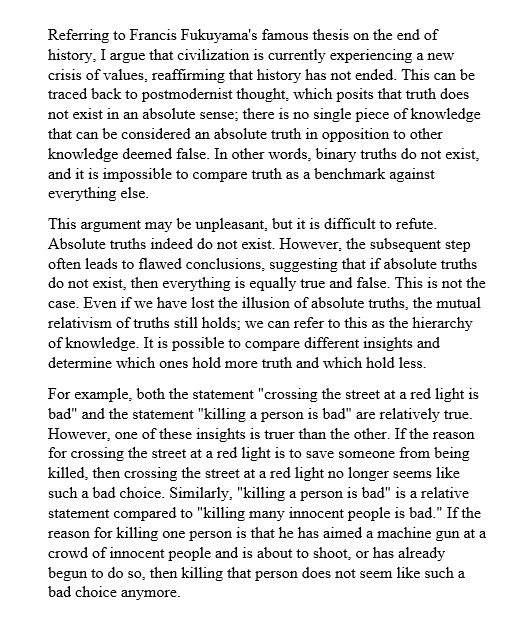
Some conceptual thoughts on the status of truths in contemporary world, my very basic starting point for developing a scientific model of the world.
This is a translation of the same text published earlier in Latvian.
English
Reinis Lazda
24.1K posts
@ReinisLazda
Fundamental psychology, organizational psychology, social psychology - perhaps in that order. Also some general scientific and political issues. Europe, Latvia






Prime Minister Viktor Orbán has just called to congratulate us on our victory.







Like an appreciation of progress, reading and literacy are among the things that are good but cognitively unnatural. That is, they go against our evolved nature. We didn’t evolve with print; it was a recent invention. Reading, for many of us, has become so second nature that we just assume it’s the most natural way of getting information. But what we’ve seen, especially in the last 10 years, when video has become so cheap because of the cloud computing revolution and the broadband revolution, is that a lot of people, unlike us, much prefer to listen and watch than to read. You just see this: when I go to Google and ask a basic question about how to unstick my printer or solve a problem, I get like five videos. And I just want a paragraph that would solve it. I don’t want to see Seth saying, “Hi, welcome to my show. If you like it, subscribe and give it a like.” So just help me solve the problem. But clearly there’s something unusual about me, because people are going for the video. And the massive availability of video—of TikTok, of YouTube—means that people may not be getting the practice or putting in the effort into literacy, which we have reason to believe was one of the drivers of the Flynn effect and of cognitive sophistication in general. @HumanProgress