Reserve 🌐

7.3K posts

Reserve 🌐 banner
Reserve 🌐

Reserve 🌐

@reserveprotocol

CoinMarketCap, Kraken & Bloomberg use Reserve to power their DTFs (Decentralized Token Folios): entire crypto portfolios in 1 token. Reserve is powered by $RSR

Onchain Katılım Mayıs 2018
905 Takip Edilen139.2K Takipçiler
Reserve 🌐
Reserve 🌐@reserveprotocol·
@0xJMG The physics of how it’ll play out will depend on actions taken by Aave and KelpDAO, and we’re trying not to speculate on what those might be Pausing issuance for eUSD and USD3 is entirely out of abundance of caution x.com/aave/status/20…
Aave@aave

Update on rsETH incident: rsETH reserves have been paused across Ethereum Core, Arbitrum, Base, Mantle, and Linea. This was done with the objective of recovering additional funds as the recovery plans progress. We will keep the community updated on the next steps as the efforts continue.

English
0
0
1
121
0xJMG
0xJMG@0xJMG·
@reserveprotocol Just not quite clear on the contagion mechanics. physics of how it works > judgement of how it might playout
English
2
0
1
73
Reserve 🌐
Reserve 🌐@reserveprotocol·
The ABC Labs team is monitoring the Kelp DAO exploit carefully. It appears very unlikely that any Reserve DTF holders will be affected. RSR stakers on USD3 and eUSD could end up performing their function of first-loss capital to protect DTF holders in the event that Aave V3 USDC collateral ends up exposed to bad debt. This is seen as unlikely by many, but cannot yet be ruled out. More info: Yesterday, Kelp DAO's LayerZero bridge implementation was exploited, allowing an attacker to withdraw 116,500 rsETH, worth approximately $292 million, from the ETH L1 bridge contract, leaving their bridged rsETH tokens less than 100% collateralized. The attacker deposited rsETH into onchain lending markets, including Aave on mainnet, and borrowed WETH. At the moment, those borrow positions are still collateralized, but the collateral is rsETH. So the question is: will rsETH on mainnet be devalued? If so, it appears it would take a 15.5-18.5% haircut. But the attack was on the bridge, not the base protocol; the rsETH circulating on mainnet are still themselves fully backed by restaked ETH. So Kelp DAO may choose to treat the mainnet rsETH tokens as they usually would, and only subject the bridged token holders to the loss. If rsETH on mainnet is devalued in an effort to socialize the losses across bridged and non-bridged rsETH holders, the collateral the attacker deposited on Aave would lose around 15.5-18.5% of its value, generating bad debt. There are further questions in this scenario around how Aave's backstop capital mechanisms would be deployed and whether losses would make it to lenders. If Aave lenders took losses, this would affect the Aave V3 USDC collateral within USD3 and eUSD. However, our understanding is that the impact would be small, such that RSR overcollateralization would more than cover the loss. According to the Aave spokesperson, rsETH on mainnet is fully backed and will not take a haircut at all. See: x.com/aave/status/20… If their analysis is correct, our understanding is that USD3 and eUSD bear no exposure at all. Out of an abundance of caution, minting and rebalancing of eUSD and USD3, as well as un-staking of RSR from those two RTokens, have been temporarily paused. Redemption remains available to any who wish to redeem, but to receive the benefit of RSR's overcollateralization in the event it is needed, holders would need to continue holding. ETH+ and bsdETH do not contain any rsETH as collateral and are not exposed. Markets may see stress and reduced liquidity as the ecosystem reacts. We will continue to monitor for secondary impacts of the situation.
English
22
17
85
10.6K
Reserve 🌐
Reserve 🌐@reserveprotocol·
@0xJMG It’s actually much smaller of a concern... largely depends on if rsETH price moves too quickly to not be able to liquidate against USDC efficiently. Highly unlikely but technically possible.
English
1
0
6
154
0xJMG
0xJMG@0xJMG·
Brain twister. If I understand correctly, the risk is rsETH mainnet may take a haircut which may cause Aave V3 USDC collateral depositors to take a haircut which devalues the USDC collateral in USD3 and eUSD? Can you say more about the mechanics that occur in between? Glad it’s unlikely. Hope you will elaborate.
English
1
0
4
204
Reserve 🌐
Reserve 🌐@reserveprotocol·
We continue to monitor the rsETH incident and any potential ramifications for the Reserve ecosystem. In the absence of meaningful new intel, USD3 and eUSD minting and rebalancing, and RSR un-staking, remain paused. We’ll share further updates and take appropriate actions once there is more clarity.
Reserve 🌐@reserveprotocol

Update on the potential impact of the rsETH incident on the Reserve ecosystem: Based on analysis of potential Aave bad debt outcomes by the @LlamaRisk team, it continues to appear unlikely that any RToken collateral will be affected, and thus unlikely that RSR stakers will be impacted at all. The LlamaRisk team simulated both scenarios for distributing losses across rsETH holders and found that in both scenarios, no bad debt would exist for USDC positions on Aave's Ethereum L1 instance, which is the only known potential exposure for Reserve assets. This simulation is based on assumptions, including the assumption that rsETH would retain at least 84.89% of its value according to the oracles Aave depends on. The LlamaRisk team notes in their post: "This report has been prepared using publicly available information and on-chain data at the time of writing, which may be incomplete or subject to change. The analyses, scenarios, and figures presented are based on assumptions and modeling choices that may not reflect actual outcomes. Differences between assumed and realized conditions, including market behavior, protocol actions, and third-party decisions, may result in materially different results." You can review their full report here: governance.aave.com/t/rseth-incide… For now, USD3 and eUSD minting, rebalancing, and RSR un-staking remain paused while we wait for full clarity.

English
7
11
74
6.1K
Reserve 🌐 retweetledi
Davide Alba
Davide Alba@davide_will·
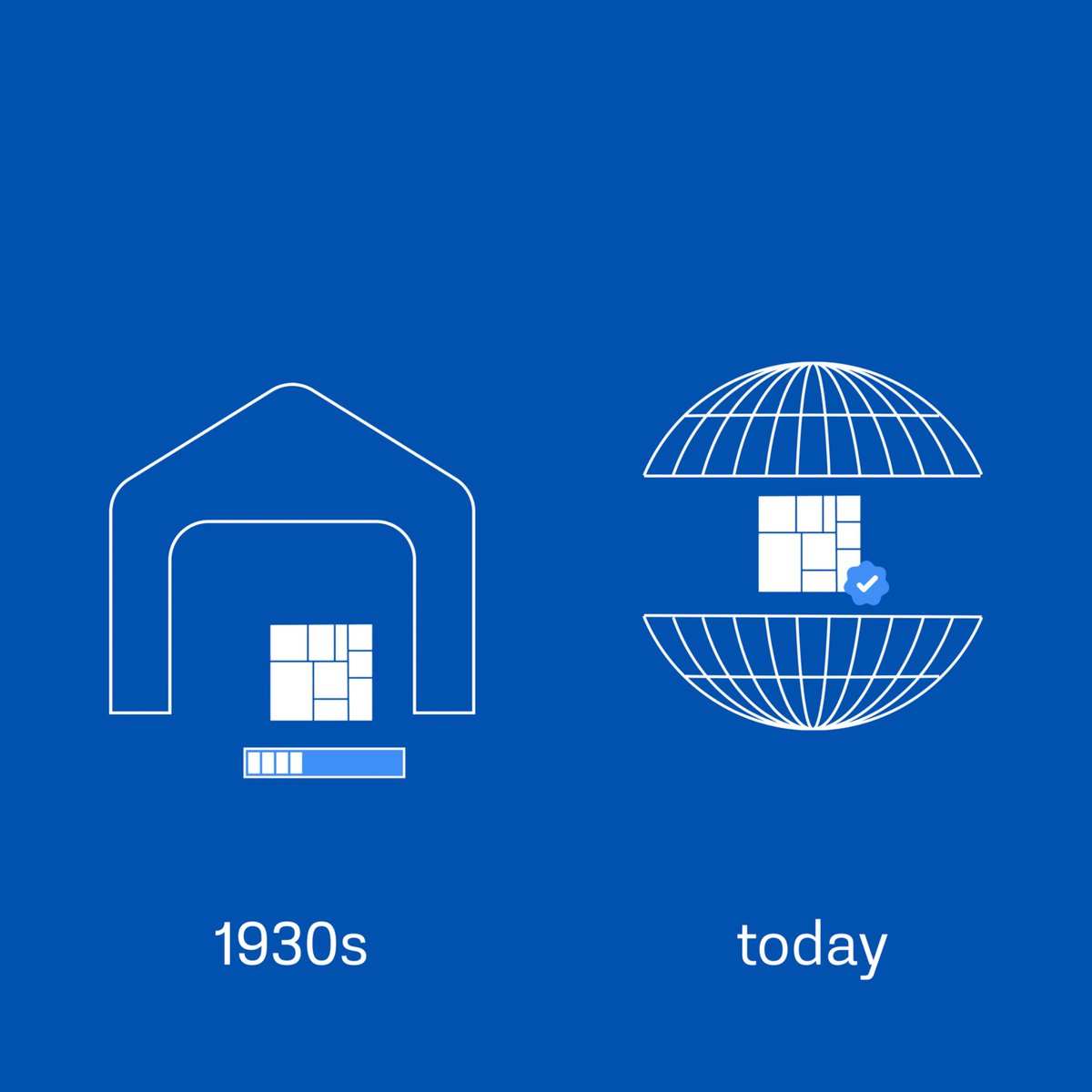
The core idea behind Reserve is almost 100 years old. It failed back then for one reason: you needed a physical warehouse. A digital warehouse is built different. 🗣️ Lawrence H. White at Monetarium 2: “Going back to the late 19th century, people were worried about instability in the purchasing power of gold under a gold standard. Even though the long term trend was good, there were short periods of volatility. An economist named Alfred Marshall said, if the relative price of gold is changing as a result of supply discoveries or demand shocks – and in his day the biggest demand shock was Germany decides to leave the silver standard and join the gold standard – we can diminish the impact of that on the purchasing power of gold by redefining our monetary unit. The pound would not be defined just in terms of gold, but so much gold plus so much silver. (…) So you've got two metals defining your unit of account. That’s a kind of gateway into having a whole bundle of commodities define the unit of account.” “A commodity reserve currency is an idea that became popular in the Great Depression, but was kind of rediscovered when the problem was not collapsing demand, but rather the need for a way to get the money supply to grow. That's what the original idea of the commodity reserve currency was. But the reverse problem of excessive inflation – and so linking the dollar or whatever the unit of account is called to a basket of commodities – would be a way of preventing excessive inflation. Our friend Hayek from 30 years before denationalization of money saw some merits in this kind of proposal. It had the benefits of a gold standard in taking the regulation of the quantity of money out of the hands of a committee of central bankers. It is, in a sense, putting it into the market because anybody could bring commodities to the warehouse and get money. Anybody could bring money to the warehouse and get commodities. But the proposals in the 30s and 40s were for physical warehouses filled with physical commodities.” “We don’t need to do that today. We could accomplish pretty much the same thing with a portfolio of tokenized commodities.”
Davide Alba tweet media
English
5
13
48
3.2K
Reserve 🌐
Reserve 🌐@reserveprotocol·
Update on the potential impact of the rsETH incident on the Reserve ecosystem: Based on analysis of potential Aave bad debt outcomes by the @LlamaRisk team, it continues to appear unlikely that any RToken collateral will be affected, and thus unlikely that RSR stakers will be impacted at all. The LlamaRisk team simulated both scenarios for distributing losses across rsETH holders and found that in both scenarios, no bad debt would exist for USDC positions on Aave's Ethereum L1 instance, which is the only known potential exposure for Reserve assets. This simulation is based on assumptions, including the assumption that rsETH would retain at least 84.89% of its value according to the oracles Aave depends on. The LlamaRisk team notes in their post: "This report has been prepared using publicly available information and on-chain data at the time of writing, which may be incomplete or subject to change. The analyses, scenarios, and figures presented are based on assumptions and modeling choices that may not reflect actual outcomes. Differences between assumed and realized conditions, including market behavior, protocol actions, and third-party decisions, may result in materially different results." You can review their full report here: governance.aave.com/t/rseth-incide… For now, USD3 and eUSD minting, rebalancing, and RSR un-staking remain paused while we wait for full clarity.
Reserve 🌐@reserveprotocol

The ABC Labs team is monitoring the Kelp DAO exploit carefully. It appears very unlikely that any Reserve DTF holders will be affected. RSR stakers on USD3 and eUSD could end up performing their function of first-loss capital to protect DTF holders in the event that Aave V3 USDC collateral ends up exposed to bad debt. This is seen as unlikely by many, but cannot yet be ruled out. More info: Yesterday, Kelp DAO's LayerZero bridge implementation was exploited, allowing an attacker to withdraw 116,500 rsETH, worth approximately $292 million, from the ETH L1 bridge contract, leaving their bridged rsETH tokens less than 100% collateralized. The attacker deposited rsETH into onchain lending markets, including Aave on mainnet, and borrowed WETH. At the moment, those borrow positions are still collateralized, but the collateral is rsETH. So the question is: will rsETH on mainnet be devalued? If so, it appears it would take a 15.5-18.5% haircut. But the attack was on the bridge, not the base protocol; the rsETH circulating on mainnet are still themselves fully backed by restaked ETH. So Kelp DAO may choose to treat the mainnet rsETH tokens as they usually would, and only subject the bridged token holders to the loss. If rsETH on mainnet is devalued in an effort to socialize the losses across bridged and non-bridged rsETH holders, the collateral the attacker deposited on Aave would lose around 15.5-18.5% of its value, generating bad debt. There are further questions in this scenario around how Aave's backstop capital mechanisms would be deployed and whether losses would make it to lenders. If Aave lenders took losses, this would affect the Aave V3 USDC collateral within USD3 and eUSD. However, our understanding is that the impact would be small, such that RSR overcollateralization would more than cover the loss. According to the Aave spokesperson, rsETH on mainnet is fully backed and will not take a haircut at all. See: x.com/aave/status/20… If their analysis is correct, our understanding is that USD3 and eUSD bear no exposure at all. Out of an abundance of caution, minting and rebalancing of eUSD and USD3, as well as un-staking of RSR from those two RTokens, have been temporarily paused. Redemption remains available to any who wish to redeem, but to receive the benefit of RSR's overcollateralization in the event it is needed, holders would need to continue holding. ETH+ and bsdETH do not contain any rsETH as collateral and are not exposed. Markets may see stress and reduced liquidity as the ecosystem reacts. We will continue to monitor for secondary impacts of the situation.

English
3
15
79
11.4K
Reserve 🌐
Reserve 🌐@reserveprotocol·
🗣️ When the market rallies, CMC20 rallies. Crypto’s top 20 assets by market cap, rebalanced monthly, mean you’re always holding your share of the market... not last cycle’s winners. 💪 @CoinMarketCap’s $CMC20, built on Reserve ↓
English
16
30
114
5.9K
Reserve 🌐 retweetledi
AEON.XYZ
AEON.XYZ@AEON_Community·
AEON partners with @reserveprotocol to bring $RSR into real-world payments & agentic economy. With AEON, users can now spend these assets across 50M+ merchants globally from retail to dining. Together, we are connecting DeFi portfolio tokens with everyday commerce and the agentic economy. @www_aeon_xyz/aeon-partners-with-reserve-to-bring-rsr-payments-to-real-world-agentic-commerce-441122e3c36a" target="_blank" rel="nofollow noopener">medium.com/@www_aeon_xyz/…
English
25
52
116
5.2K
Reserve 🌐 retweetledi
Raphael Spannocchi
Raphael Spannocchi@raphbaph·
Tomorrow we host a space discussing what agentic on-chain fund management could look like and why @reserveprotocol DTFs make a good vehicle for agents. Would you trust an agent with your savings? What would it need to be like? Come join us! twitter.com/i/spaces/1Oxwb…
English
3
5
25
2.3K
Reserve 🌐
Reserve 🌐@reserveprotocol·
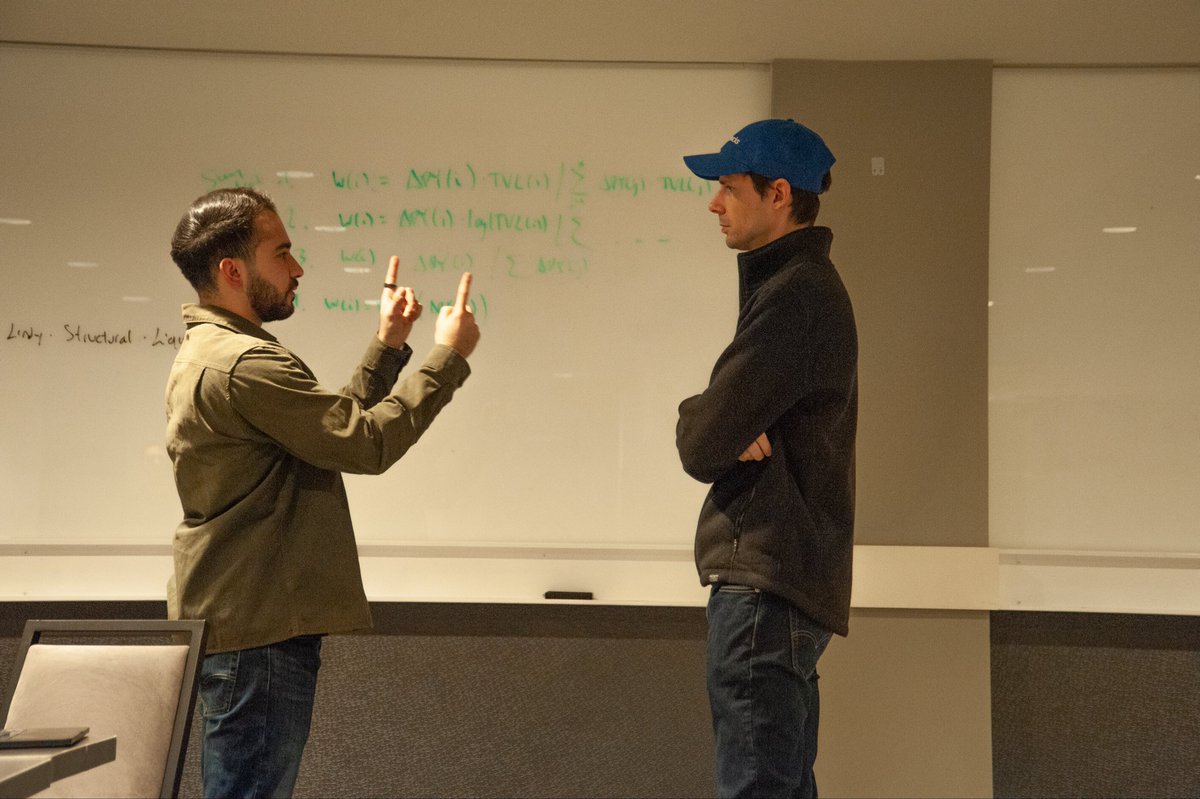
Scenes from the Reserve team onsite this week 🧠
Reserve 🌐 tweet mediaReserve 🌐 tweet mediaReserve 🌐 tweet mediaReserve 🌐 tweet media
English
22
20
123
16K