Sabitlenmiş Tweet

Dmitry
7.1K posts


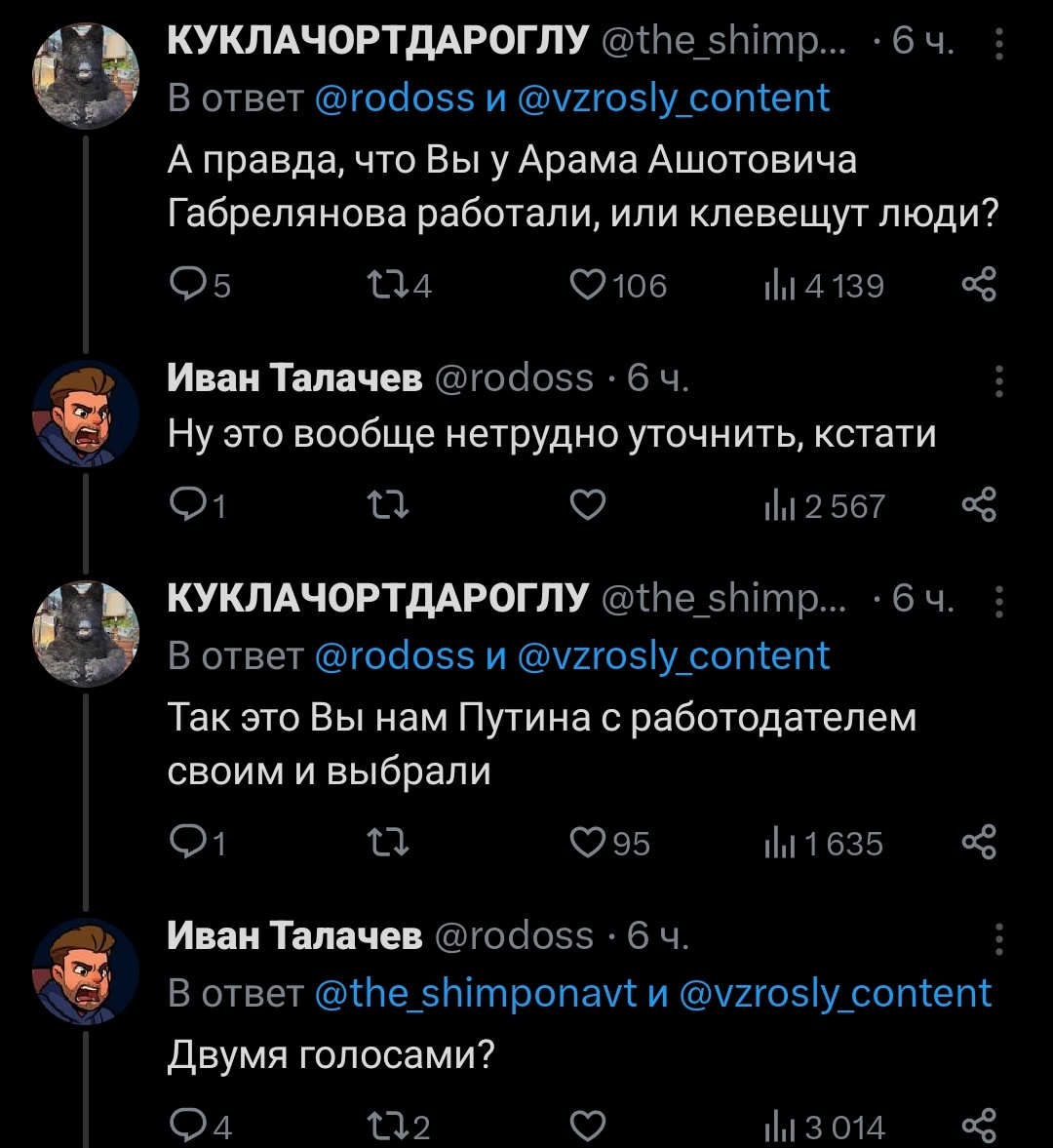
@vzrosly_content Смешно тут в реплаях пишут, что животные Путина не выбирали, люди Путина не выбирали — никто не выбирал. Ну вот и усвойте: если у вас президент в стране от сырости завелся, со временем из магазинов начнут пропадать товары, к которым привыкли вы и ваша кошечбка/собаченбка
One of my favorite feature requests ever reported: closing multiple blocks by repeating “n” in end. Like ennnnnd.

Государства вводили электронные паспорта и поражали невакцинированных в базовых правах. 27 июля 2021 года Байден прямым текстом заявил: «невакцинированные виноваты в пандемии». За эти преступления номенклатура не понесла никакого наказания. #card-33" target="_blank" rel="nofollow noopener">svtv.org/thread/2022-02…
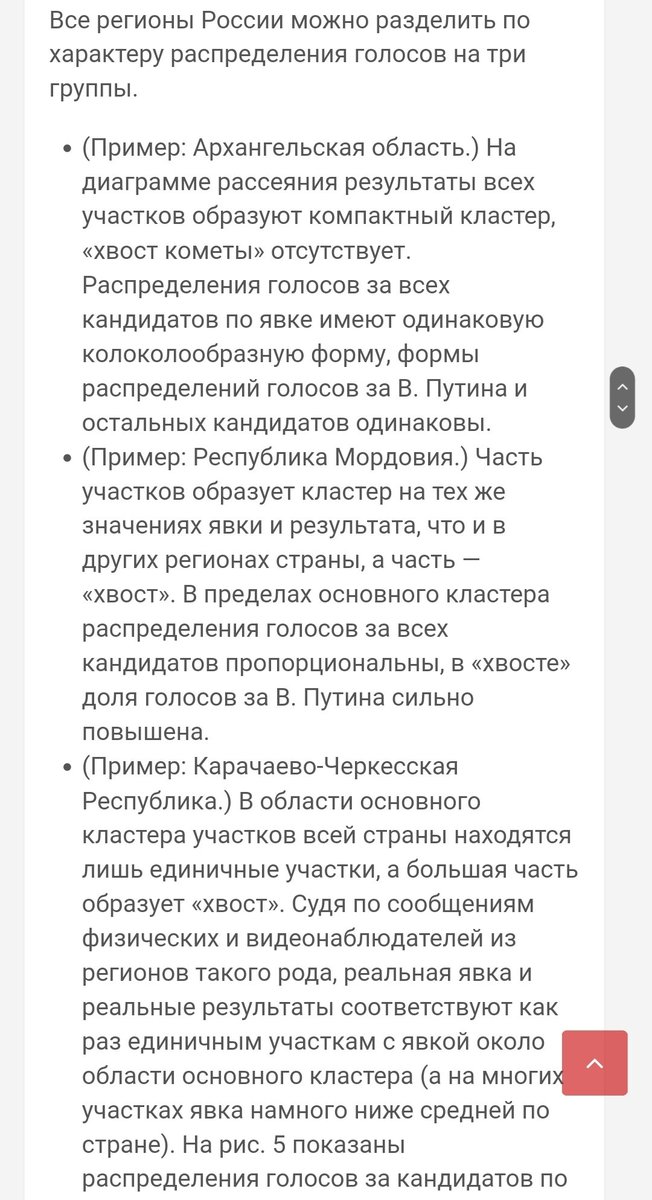
Бывший посол США в России Майкл «перезагрузка» Макфол считает, что Анатолий Борисович как мог пытался все 22 года образумить Путина и наставить его на демократический путь развития, но ничего не смог поделать. Русские, как вам за это не стыдно?

I'm afraid you totally misunderstood my point. 1. Many authors I know are more motivated by the impact of their intellectual productions than by the income it might generate through books and other publications. 2. Many of them face the following trade-off: will I give up income in exchange for increased readership by making my book free for download, or will I generate income while decreasing readership by charging for my book? (Note that offering a free download does not preclude also selling physical books). 3. The calculus is this: since the expected income has a 50% chance of being below $2000, I'm not going to drop my day job. Perhaps I should give up on what is likely to be a modest short-term income and maximize prestige and recognition instead. Prestige and recognition through intellectual impact can turn into future income (e.g. by getting a prestigious position). 4. Lots of people in the academic world have made this calculus and have offered their books for free download. Some of them simultaneously offer print version through publishers who don't mind (generally some non-profit university press). 5. Many of those people have realized that the free download, instead of reducing printed sales, actually *increases* sales. There are famous examples. 6. Academics are very familiar with the idea that you don't get paid directly for your writings. Scholarly publications (and talks) do not generate any income (in fact, they can cost money!). The income is indirect: intellectual or artistic impact is a precondition to a position in academia or industry research labs. 7. Computer scientists are also familiar with the concept. It's called open source software. You give away your software for free. Sometimes, your employer pays you to do so. Sometimes, you just want to make a name for yourself by contributing to an important project. 8. A similar phenomenon exists in music, particularly in jazz: a number of jazz musicians achieve financial stability through a teaching position at a university or conservatory. Additional income comes from performance. They get almost nothing from recordings. I'm not suggesting people shouldn't get paid for their work. In fact, I find it quite sad that most people can't live off of their creative work. If you can make a living by selling your books, music, or video games, more power to you! But I'm wondering whether the modus operandi that is prevalent in the academic world and the open source software world could not apply to other types of intellectual and artistic production. It may cause some creative productions to exist that would not otherwise see the light of day because of lack of commercial interest from publishers.