
Sabitlenmiş Tweet
Mel Winn
85.7K posts


Mel Winn
@RetroDruid
RoaR ^,...,^ to all my homies. I welcome you here to my boring bio to check out for no reason other then curiously you can. Hope you enjoy your stay. 🥳🎶✌️🫶😎
Island in the South Pacific Katılım Haziran 2009
4.2K Takip Edilen2K Takipçiler
Mel Winn retweetledi


Mel Winn retweetledi

Mel Winn retweetledi

‘Hero Complex Narcissistic Histrionic Personality Disorder’ if anyone is wondering. 🧑⚕️
Rapid Response 47@RapidResponse47
English
It only takes one rotten apple to spoil the barrel. 🍎
share.google/aimode/sfsV7Ff…
Mel Winn@RetroDruid
‘Hero Complex Narcissistic Histrionic Personality Disorder’ if anyone is wondering. 🧑⚕️
English
@realDonaldTrump you can’t buy class, style, dignity or integrity, you’re proof of that. ⚜️🚯
English
Mel Winn retweetledi

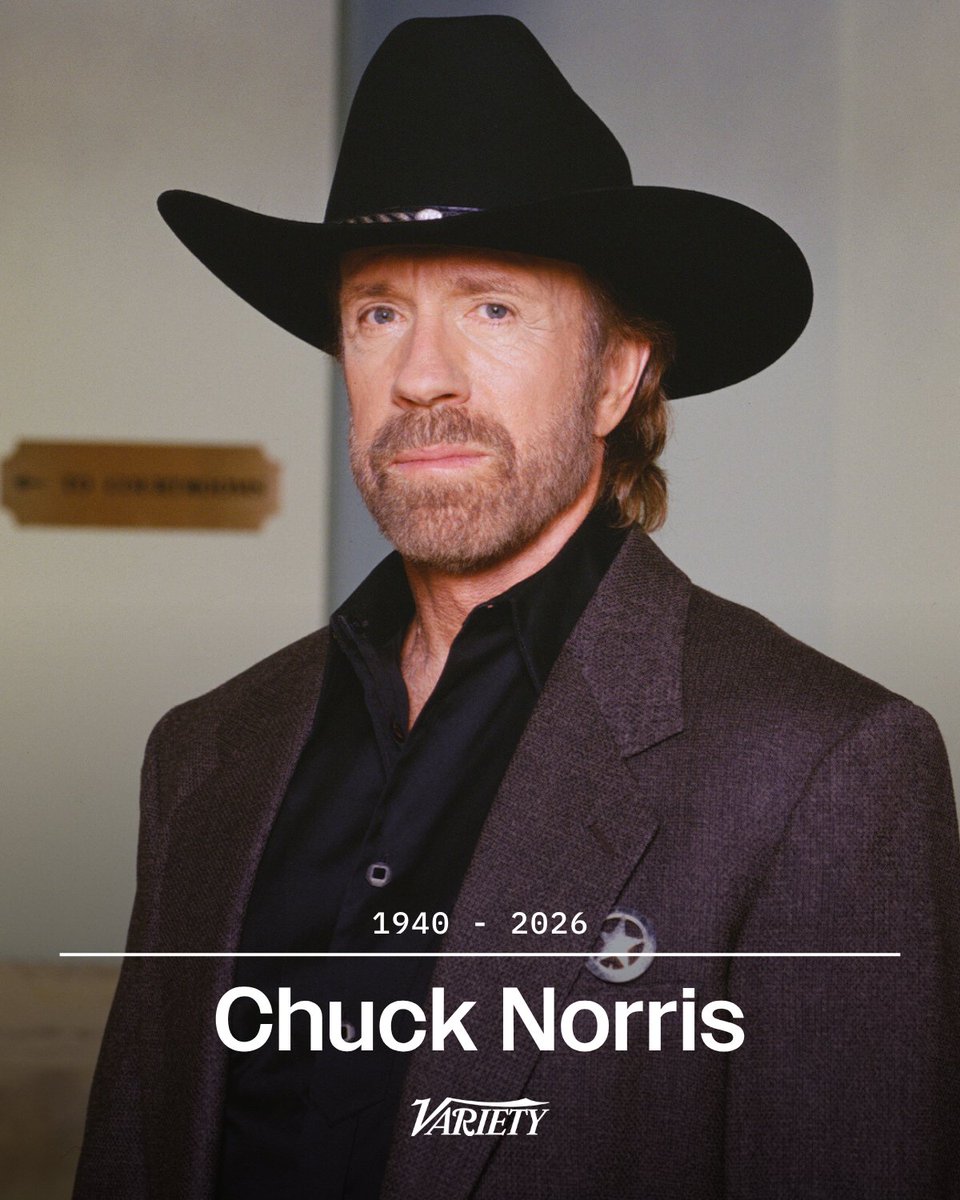
Chuck Norris, the martial arts champion who became an iconic action star and led the hit series “Walker, Texas Ranger,” has died. He was 86.
Norris was hospitalized in Hawaii on Thursday, and his family posted a statement saying he had died Friday morning:
It is with heavy hearts that our family shares the sudden passing of our beloved Chuck Norris yesterday morning. While we would like to keep the circumstances private, please know that he was surrounded by his family and was at peace.
To the world, he was a martial artist, actor, and a symbol of strength. To us, he was a devoted husband, a loving father and grandfather, an incredible brother, and the heart of our family.
He lived his life with faith, purpose, and an unwavering commitment to the people he loved. Through his work, discipline, and kindness, he inspired millions around the world and left a lasting impact on so many lives.
While our hearts are broken, we are deeply grateful for the life he lived and for the unforgettable moments we were blessed to share with him. The love and support he received from fans around the world meant so much to him, and our family is truly thankful for it. To him, you were not just fans, you were his friends.
We know many of you had heard about his recent hospitalization, and we are truly grateful for the prayers and support you sent his way.
As we grieve this loss, we kindly ask for privacy for our family during this time.
Thank you for loving him with us.
variety.com/2026/film/news…
English
Mel Winn retweetledi

Mel Winn retweetledi

A knight does not chase victory; he chases what is right.

English
Mel Winn retweetledi
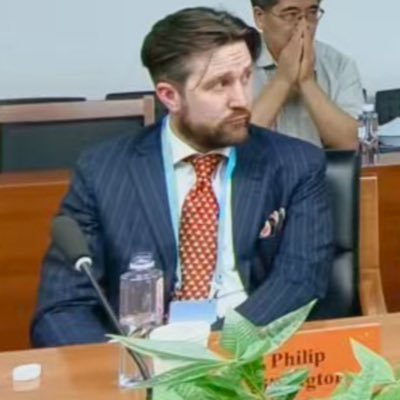
Gas facilities in Saudi Arabia. It’s over folks. We are heading into a major 1973-style energy crisis. There will likely be shortages and rationing. We will probably be moved to work-from-home - if you keep your job, of course. 🛢️📈
English
Mel Winn retweetledi

Your paracetamol is made from oil. The phenol comes from a cumene process that starts with naphtha. The naphtha comes from a refinery. The refinery’s feedstock transits the Strait of Hormuz. Ninety-nine percent of pharmaceutical feedstocks, solvents, reagents, and packaging are petrochemical-derived. The American Gas Association confirmed it. The medicine cabinet is the sixth layer of the Hormuz crisis and nobody is talking about it.
The war started with uranium. It moved to oil. Then fertiliser. Then water. Then plastic. Now medicine.
Paracetamol is 100 percent petrochemical. Phenol from cumene, converted to para-aminophenol, then acetylated. Ibuprofen is 100 percent petrochemical. Isobutylbenzene plus propionic acid derivatives. Metformin, the most prescribed diabetes drug on Earth, is 80 to 90 percent petrochemical. Dicyandiamide from natural gas derivatives. Antibiotics like amoxicillin and ciprofloxacin require methanol, acetone, and dichloromethane as solvents for extraction and crystallisation. Oncology drugs need cold-chain energy and plastic packaging. Every blister pack, every pill bottle, every syringe is PE, PP, or PET from Gulf naphtha.
India makes 40 to 47 percent of American generic medicines by volume. It imports $4.35 billion in active pharmaceutical ingredients annually, 74 percent from China. But the critical precursors, the methanol and ethylene glycol that feed Indian API synthesis, are 87.7 percent and roughly 100 percent Hormuz-dependent respectively. The Indian government has prioritised household LPG over industrial petrochemical feedstock, starving the downstream pharmaceutical chain. API costs have surged 30 percent in the last two weeks.
The typical buffer is two to three months of inventory. The war is nineteen days old. The clock started before the buffer was designed for this scenario.
A diabetic in Ohio takes metformin every morning. The dicyandiamide that becomes the active ingredient traces back through a Chinese intermediate to a natural gas derivative that originated in the Gulf. The methanol used to crystallise the compound in a Hyderabad factory was shipped from a terminal that now sits behind the same strait controlled by provincial commanders with sealed orders. The blister pack was moulded from polyethylene derived from naphtha that loaded at a facility the IRGC published satellite targeting images of yesterday.
One pill. Four petrochemical dependencies. One chokepoint.
The farmer in Iowa cannot plant corn because nitrogen costs $610. The diabetic in Ohio may not be able to fill a prescription because methanol costs whatever the strait permits. Both crises trace to the same 21 miles of water. Both are governed by the same sealed packets. Both operate on biological clocks that do not negotiate with doctrine.
Nitrogen decides whether the food grows. Methanol decides whether the medicine is synthesised. Polyethylene decides whether it reaches the shelf in a blister pack. Energy decides whether the cold chain holds for oncology and biologics. Every molecule in the pharmaceutical supply chain is now compromised by the same chokepoint that trapped the fertiliser, the gas, the plastic, and the water.
Europe said Iran is not their war. Their existing drug shortages, 400 to 1,500 medicines depending on the country, will deepen regardless. Bangladesh, Egypt, and sub-Saharan Africa depend on Indian generics for infectious disease and maternal health. The API depletion clock runs for everyone.
The strait does not distinguish between a urea molecule and a methanol molecule. Both are gated. Both are biological. And both determine whether human beings survive the next quarter.
Full analysis - open.substack.com/pub/shanakaans…

Shanaka Anslem Perera ⚡@shanaka86
Your paracetamol is 100 percent petrochemical. Phenol from the cumene process, converted to p-aminophenol, acetylated to the tablet in your bathroom cabinet. Your ibuprofen is 100 percent petrochemical. Isobutylbenzene and propionic acid derivatives. Your metformin, the most prescribed diabetes drug on Earth, is 80 to 90 percent petrochemical. Dicyandiamide from natural gas derivatives. The naphtha that makes these drugs transits the Strait of Hormuz. The strait is mined, uninsured, and unescorted. The war just reached the medicine cabinet. Nobody is covering this. Ninety-nine percent of pharmaceutical feedstocks and reagents are petrochemical-derived according to the American Gas Association. Not 50 percent. Not 70. Ninety-nine. The pills are made of oil. The same oil the same strait carries. The same naphtha that becomes polyethylene for a bread bag becomes phenol for a paracetamol tablet. When the petrochemical cracker shuts, both products vanish. The crackers are shutting. Chandra Asri declared force majeure on March 3rd. Yeochun NCC on March 4th. PCS Singapore on March 5. CNOOC-Shell Huizhou is planning shutdown of its 1.2-million-tonne facility. These are not contained within the plastics industry. They cascade into pharmaceuticals because the feedstocks are identical. India is the pressure point. Twenty percent of the world’s generic drugs. Forty percent of US generic demand. And India’s methanol supply, a key solvent in API manufacturing, has 87.7 percent exposure to the Hormuz corridor. The Indian government has prioritised household LPG over industrial petrochemical feedstock, starving downstream pharmaceutical supply chains of the naphtha derivatives they need. Indian pharma companies hold three to six months of finished product stock. The buffer exists. It is depleting at an accelerating rate as raw material pipelines empty. The Serum Institute of India, the world’s largest vaccine manufacturer supplying 40 to 50 percent of global doses in key categories, runs on the same petrochemical chain. mRNA vaccines require petrochemical-derived lipid nanoparticles and solvents. Traditional vaccines use petrochemical intermediates for adjuvants and stabilisers. Every vial is plastic. Every syringe is plastic. Every cold-chain packaging film is plastic. The force majeures that shut the crackers are not just a packaging story. They are a vaccine story. The developing world’s access to affordable antibiotics, diabetes medication, cardiovascular drugs, and childhood vaccines runs through Indian manufacturing plants that run on petrochemical feedstocks that run through a 21-mile waterway currently seeded with Iranian mines. This is the fourth domino. The first was energy. The second was fertiliser. The third was packaging. The fourth is the one that converts an economic crisis into a humanitarian one, because you can find an alternative bread wrapper. You cannot find an alternative to metformin for 537 million diabetics worldwide. You cannot find an alternative to amoxicillin for a child with pneumonia. You cannot find an alternative to the vaccines that prevent diseases we spent decades eliminating. The Fed meets tomorrow to assess inflation driven by energy, fertiliser, packaging, and now pharmaceutical inputs. All repricing through the same chokepoint. Four dominoes. One strait. And the fourth, the medicine, is the one the market has not priced because it does not appear on any commodity index. It appears on a doctor’s prescription. Full analysis: open.substack.com/pub/shanakaans…
English
Mel Winn retweetledi
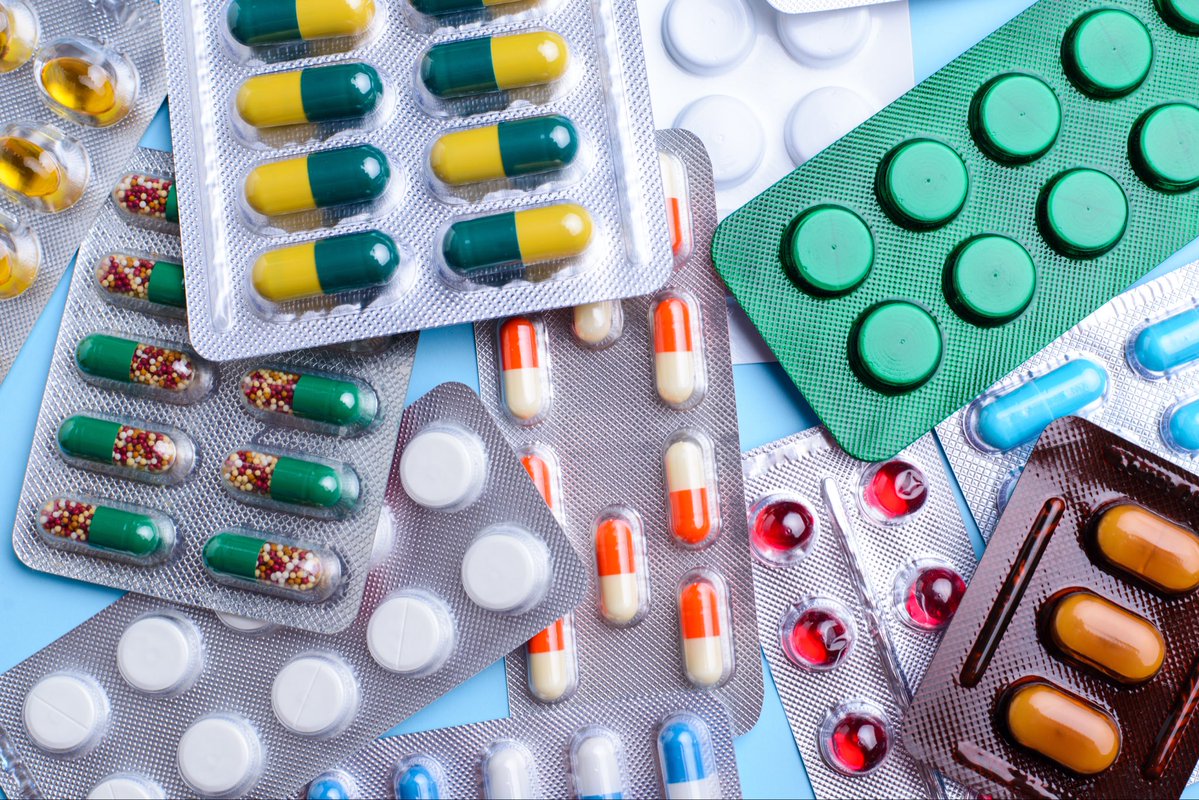
Your paracetamol is 100 percent petrochemical. Phenol from the cumene process, converted to p-aminophenol, acetylated to the tablet in your bathroom cabinet. Your ibuprofen is 100 percent petrochemical. Isobutylbenzene and propionic acid derivatives. Your metformin, the most prescribed diabetes drug on Earth, is 80 to 90 percent petrochemical. Dicyandiamide from natural gas derivatives.
The naphtha that makes these drugs transits the Strait of Hormuz. The strait is mined, uninsured, and unescorted.
The war just reached the medicine cabinet. Nobody is covering this.
Ninety-nine percent of pharmaceutical feedstocks and reagents are petrochemical-derived according to the American Gas Association. Not 50 percent. Not 70. Ninety-nine. The pills are made of oil. The same oil the same strait carries. The same naphtha that becomes polyethylene for a bread bag becomes phenol for a paracetamol tablet. When the petrochemical cracker shuts, both products vanish.
The crackers are shutting. Chandra Asri declared force majeure on March 3rd. Yeochun NCC on March 4th. PCS Singapore on March 5. CNOOC-Shell Huizhou is planning shutdown of its 1.2-million-tonne facility. These are not contained within the plastics industry. They cascade into pharmaceuticals because the feedstocks are identical.
India is the pressure point. Twenty percent of the world’s generic drugs. Forty percent of US generic demand. And India’s methanol supply, a key solvent in API manufacturing, has 87.7 percent exposure to the Hormuz corridor. The Indian government has prioritised household LPG over industrial petrochemical feedstock, starving downstream pharmaceutical supply chains of the naphtha derivatives they need. Indian pharma companies hold three to six months of finished product stock. The buffer exists. It is depleting at an accelerating rate as raw material pipelines empty.
The Serum Institute of India, the world’s largest vaccine manufacturer supplying 40 to 50 percent of global doses in key categories, runs on the same petrochemical chain. mRNA vaccines require petrochemical-derived lipid nanoparticles and solvents. Traditional vaccines use petrochemical intermediates for adjuvants and stabilisers. Every vial is plastic. Every syringe is plastic. Every cold-chain packaging film is plastic. The force majeures that shut the crackers are not just a packaging story. They are a vaccine story.
The developing world’s access to affordable antibiotics, diabetes medication, cardiovascular drugs, and childhood vaccines runs through Indian manufacturing plants that run on petrochemical feedstocks that run through a 21-mile waterway currently seeded with Iranian mines.
This is the fourth domino. The first was energy. The second was fertiliser. The third was packaging. The fourth is the one that converts an economic crisis into a humanitarian one, because you can find an alternative bread wrapper. You cannot find an alternative to metformin for 537 million diabetics worldwide. You cannot find an alternative to amoxicillin for a child with pneumonia. You cannot find an alternative to the vaccines that prevent diseases we spent decades eliminating.
The Fed meets tomorrow to assess inflation driven by energy, fertiliser, packaging, and now pharmaceutical inputs. All repricing through the same chokepoint. Four dominoes. One strait. And the fourth, the medicine, is the one the market has not priced because it does not appear on any commodity index.
It appears on a doctor’s prescription.
Full analysis: open.substack.com/pub/shanakaans…

English
Mel Winn retweetledi

Mel Winn retweetledi
