ReverseStar

20.7K posts

ReverseStar banner
ReverseStar

ReverseStar

@ReverseStar

Rau Le Creuset~ Reductionism, Mathematical platonism. Karl Popper's Principle + Bayesian Inference. Proportionality. Classical music. RAmen!

Chiyoda-ku, Tokyo Katılım Aralık 2009
2.4K Takip Edilen824 Takipçiler
Sabitlenmiş Tweet
ReverseStar
ReverseStar@ReverseStar·
人类与生俱来的贪婪本性注定了以人的主观意识来标写客观社会规则的尝试永远也不会成功。
中文
8
3
55
0
ReverseStar retweetledi
CNToWest
CNToWest@CNToWest·
突发新闻:众多反以色列的穆斯林与纽约警方发生持续冲突。 他们要求立即驱逐犹太人,要求纽约市立即实行伊斯兰教法。
中文
49
52
189
13.8K
ReverseStar retweetledi
作家崔成浩
作家崔成浩@cuichenghao·
百思不得其解。37位浙江渔民,人均出资400多万,总投资1.5亿元,建了一艘科学考察船。事出反常必有妖,这葫芦里埋的是什么药?
中文
190
20
151
56.8K
ReverseStar retweetledi
Morris
Morris@Morris_LT·
为什么你对现在的中国制度不满,但仍然有很多人支持?因为权力不只是集中在上层,而是渗透在各个细小层级之中。很多人虽然处在底层,但依然掌握着某种“微权力”。这些人往往会最大化地使用手中的权力,通过设置障碍、增加流程、为难他人,从中获取利益或满足感。这种行为在日常生活中非常常见。更关键的是,这并不只是个别人“坏”,而是一种被环境长期塑造出来的逻辑,即使自己处境不佳,也会在有限的权力范围内重复同样的做法。这是一种被“驯化”的结果。正因为如此,一部分人既在承受这种体系,也在局部维持它,并从中获得一定好处,于是对现状产生支持。制度也就因此在微观层面不断被延续。
中文
20
23
183
11.3K
ReverseStar retweetledi
李老师不是你老师
李老师不是你老师@whyyoutouzhele·
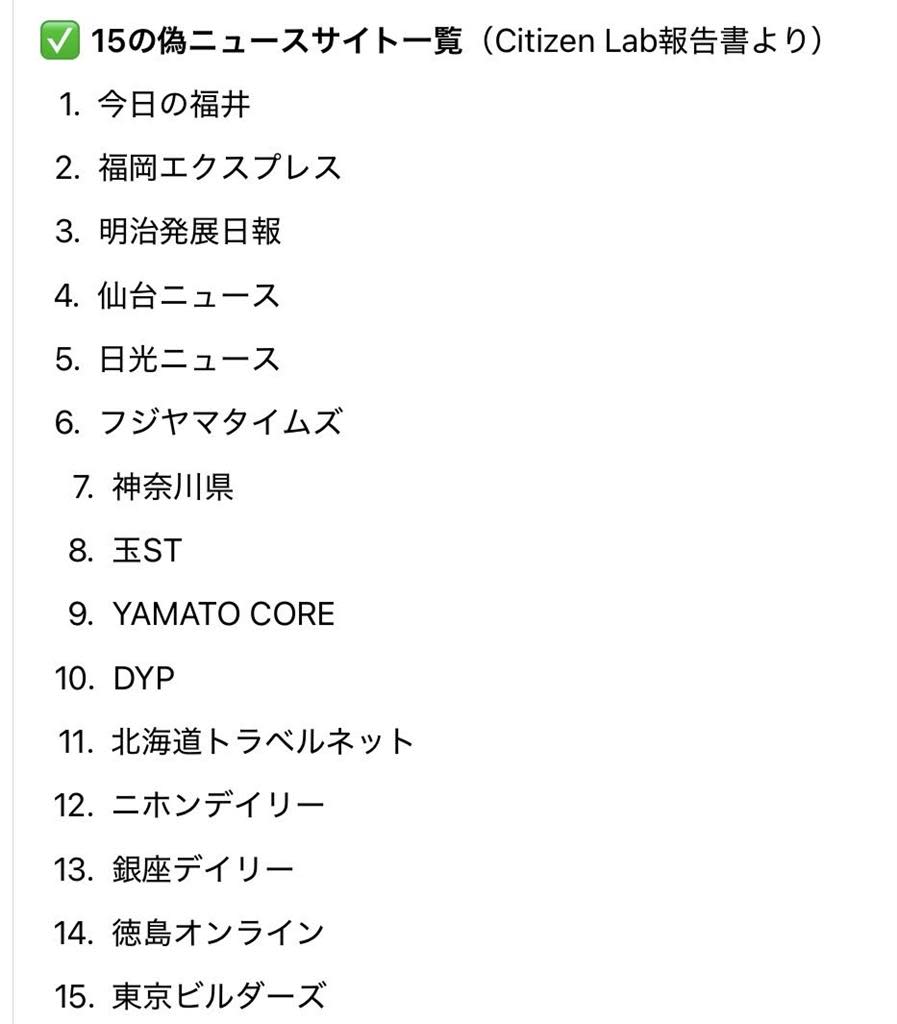
“中国「纸墙行动」渗透日本!15间假新闻网站曝光” 5月3日,台媒报道:加拿大「公民实验室」(Citizen Lab)早前发布的报告披露,中国在一个名为“纸墙”的行动里,炮制了至少123个看起来很像正规地方的新闻网站,散布亲中虚假信息,攻击批评中国政府的人。 这些网站分布在欧洲、亚洲以及中南美洲的30个国家。 据日媒《产经新闻》稍早报导,其中15个以日文书写的假媒体网站目前仍在运作。 例如:富士山时刻(Fujiyama Times)、日光新闻、仙台新闻、福冈快递(Fukuoka Express)、德岛Online等;尽管名称看似亲民,但网站内容实际上充斥着来自中国官媒的转载文章。
李老师不是你老师 tweet media李老师不是你老师 tweet media
中文
429
181
1.1K
92.7K
ReverseStar retweetledi
Russ Greene
Russ Greene@GreenPlusAnE·
Only 11% of Chinese live on >$30 a day. Only 13% of Americans live on <$30 a day. But Josh here thinks China is a better model than America.
Russ Greene tweet media
English
255
259
1.8K
126.5K
ReverseStar retweetledi
The General
The General@1776General_·
This is the result of a mass invasion.
The General tweet media
English
217
1.2K
4.6K
42.4K
ReverseStar retweetledi
Truth Bridge
Truth Bridge@TruthBridgeV·
今天,又一位来自丹麦🇩🇰的北非穆斯林女性穆斯林难民呼吁她的穆斯林同胞进行伊斯兰圣战,她还声称要彻底接管丹麦,要赶走和消灭所有异教徒。 可她当初在丹麦🇩🇰移民局申请庇护的一个重要理由是她在原籍国被穆斯林丈夫长期虐待,后来她还通过家庭团聚方式把曾经虐待她的丈夫接到了丹麦一起生活。 所以还是那句话,这些穆斯林女性堪比毒蛇,千万不要有任何同情,否则她们会要你们的命,殴洲的惨状就是最好的证明!
中文
92
367
941
17.8K
ReverseStar retweetledi
以色列战争(Israel wars)
以色列战争(Israel wars)@Israelwaronhama·
小知识: 为什么中国最近频频出现小初中女生被性侵后自杀? 中国四川昨天又一起女初中生被官员性侵后跳楼死亡,本星期曝光的有4起,无数没见光。 原因: 中国县市级换届在即,“破处”预兆着从付处提升到正处级,或从处级往上升,或者从科级升入处级。 宁可信其有,不可信其无, 大量中共官员破处忙。
中文
62
112
521
71.1K
ReverseStar retweetledi
たきぃ
たきぃ@LovebikeGT·
実家の庭で撮影😌
たきぃ tweet media
日本語
25
609
10.3K
93.1K
ReverseStar retweetledi
Dr. Maalouf ‏
Dr. Maalouf ‏@realMaalouf·
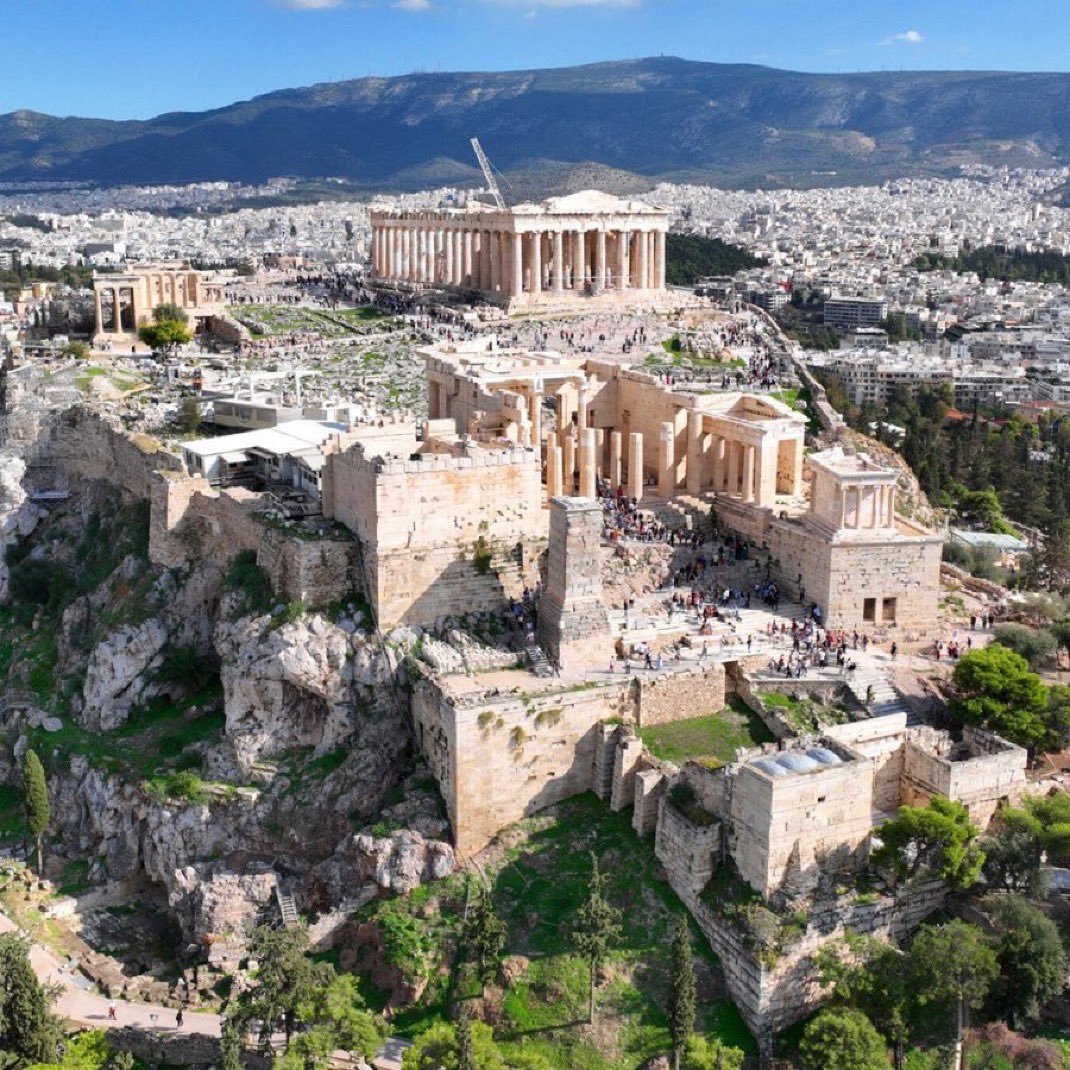
Greece announced that it will close 60 mosques across the country and deport those who continue to illegally build Islamic religious spaces. Greece is fighting against the Islamization of Europe. Do you support it? 🇬🇷
Dr. Maalouf ‏ tweet media
English
4K
15.5K
70.5K
518.8K
ReverseStar retweetledi
李老师不是你老师
李老师不是你老师@whyyoutouzhele·
“鸟儿在歌唱” 5月4日,陕西。一名外卖小哥在送餐途中一边骑车,一边情绪崩溃地大声呐喊:“我刚才取消订单不是已经报备了吗?还扣我服务分!我是狗还是傻逼?中国不是解放了吗?你们还把人当狗用啊!”
中文
62
40
558
81.1K
ReverseStar retweetledi
Bubble🫧🩵
Bubble🫧🩵@0xPaomo·
别说,还挺像
中文
558
185
3.8K
633.9K
ReverseStar
ReverseStar@ReverseStar·
@KKaWSB 事实观测的积累,总结出规律。缺乏底层原理的理解,但是智能意识会强行试图解释(预测器需求基底的本能),这时就会诞生各种神鬼怪异之说。
中文
0
0
3
1.4K
KK.aWSB
KK.aWSB@KKaWSB·
1990年代初,巴拉圭的农村面临一个棘手的问题。 国家的电力公司想给偏远山区的村庄通电。 工程师们做了详细的规划,预算也批下来了。 但有一个细节让他们头疼。 按照规范,电线杆之间的距离必须严格保持在50米左右,太近浪费材料,太远电线会下垂。 可巴拉圭东部的山区地形极其复杂。 森林、河流、悬崖、湿地交错分布。 工程师们带着精密的测量仪器进山,做出了完美的施工图。 每一根电线杆的位置都用GPS精确定位。 每一个角度都经过计算。 施工队按图施工,电线杆笔直地立起来,绵延几十公里。 但通电仪式举行后不到三个月,问题就开始出现。 雨季来了。 某些区域的电线杆开始倾斜。 有些直接被山洪冲走。 有些电线被倒下的树砸断。 电力公司不得不一次又一次地派维修队进山。 成本飙升。 而当地的农民呢? 他们看着工程师们手忙脚乱地维修,脸上没有任何意外的表情。 一位老农走到工程总监面前,平静地说: "我们当初就告诉过你们,那几个地方不能立杆子。" 工程师愣住了。 他翻看记录,确实,施工初期有几位村民跑来劝阻过工人。 但他们用的是当地的瓜拉尼语,工人没怎么听懂。 而且他们给出的理由听起来非常迷信: "那里有山神。" "那里夜里会哭。" "那里走过的人都会回头看。" 工程师当时没把这些话当回事。 那些电线杆全部按图纸立了起来。 而那些位置,恰好就是后来被山洪冲走、被泥石流掩埋、被树砸断的地方。 一位人类学家后来对这件事进行了详细研究。 他发现,瓜拉尼族的"禁忌之地",几乎完美地对应着地质学上的灾害易发区。 那些被认为"有山神"的山坡,是滑坡频发地。 那些"夜里会哭"的洼地,是雨季会变成临时河道的地方。 那些"走过会回头"的山口,是落石危险区。 这些禁忌不是迷信。 它们是几百年来无数次灾难积累下来的集体记忆。 当一场山体滑坡掩埋了一个家庭,活下来的村民会告诉子孙:那个山坡不能去。 时间久了,事实慢慢被神话包裹起来。 但神话保护了真正重要的信息——这里危险,离它远点。 而现代工程师带着所有最先进的设备进山,却忽略了一个最古老的数据库:当地人的口传知识。 他们的GPS精确到厘米,但读不懂语言。 他们的地质勘探深达地下,但听不进村民的劝告。 电力公司最终不得不重新规划路线。 新的方案花了更多钱,绕了更多路。 但他们做了一件以前从没做过的事——施工前,先请几位老人沿着规划路线走一遍。 老人指出"不能去"的地方,工程师就避开。 新建的线路至今运行平稳。 🖊️这就是发展经济学中越来越被重视的"传统知识价值"。 我们以为科学的进步意味着可以丢掉前人那些"不科学"的说法。 但很多看起来像迷信的东西,实际上是经过几个世纪验证的经验数据。 它们用故事的形式保存下来,不是因为编故事的人愚昧,而是因为故事比公式更容易被传给下一代。 最自信的现代化,往往输给一句"我们老一辈人说过"。
中文
24
21
131
33K
ReverseStar retweetledi
To be, or not to be
To be, or not to be@not_2b_or_2b·
这位同学警惕性强,值得表扬! 😂
To be, or not to be tweet media
中文
104
14
491
14.9K
ReverseStar retweetledi
Iggie🚁
Iggie🚁@Kenntnis22·
连小猫都知道给喜欢的人送礼物😊
中文
20
10
309
12.3K
ReverseStar retweetledi
唐华斑竹🦅
唐华斑竹🦅@uniswap12·
OpenAI总裁当庭认罪!自曝零元购300亿,马斯克这回真要赢了? 太炸裂了!刚刚,OpenAI总裁Brockman当庭承认:自己投入0美元,持有OpenAI营利部门300亿美元股份(马斯克捐了3800万,得到的是0)。更炸的是,Brockman和奥特曼都悄悄持有Cerebras个人股份。Gary Marcus直言,这是马斯克最接近赢的一次。 就在刚刚,OpenAI总裁Greg Brockman「认罪」了? 他当庭承认,自己从未投入一分钱,却套出了价值300亿美元的股权。 这个消息,不仅惊呆了法庭上所有人,也让所有网友震惊。 听到这个劲爆消息,纽约大学学者马库斯判断:我认为马斯克第一次真的有机会赢了。 庭审现场,马斯克的代理律师神情自若,他拿着Brockman自己的日记和邮件,优雅地进行着一场「现场活剐」。 最令全场震惊的一幕发生了。 当律师问及Brockman在OpenAI营利性实体的持股时,对话如下。 问:「你在这一营利性公司中拥有所有权权益,对吗?」 Brockman: 「是的,准确。」 问:「而为了获得这些权益,你投入的现金是0美元。对吗?」Brockman(迟疑后): 「也是准确的。」 问: 「你在这家营利性实体的股权,以今天的估值计算,超过了200亿美元,对吗?」 Brockman:「是的。」 问: 「事实上,它可能更接近300亿美元。对吗?」 Brockman: 「我想这可能是真的。是的。」 这个数字在法庭内回荡时,旁听席上响起了一阵细微的骚动。 要知道,马斯克作为OpenAI最早的资助者,先后捐赠了超过3800万美元现金,提供了早期的办公场所,甚至亲手挖来了顶尖人才。 但在今天的OpenAI里,马斯克的个人占股是零。 不仅如此,Brockman还不得不承认了一个尴尬的事实:他曾在早期筹款中利用马斯克的名字来背书,甚至曾口头承诺捐款10万美元,但实际上,这笔钱他从未兑现。 这正是马斯克指控的核心:不当得利。 按照加利福尼亚州的慈善信托法,非营利组织的受托人应该领取薪水,而不是瓜分慈善资产。 马斯克的逻辑很简单:我捐款是为了做一个造福人类的公器,结果你们把公器偷偷拆了,把里面的零件装进了自己的口袋,还给自己贴上了300亿美元的标签。 Cerebras:一笔200亿的自我交易 如果说300亿股份是这场庭审的第一颗炸弹,Cerebras就是第二颗。庭审中披露的关于Cerebras公司的关联交易,直接触及了法律红线。 马斯克的律师翻出了一份陈年旧账。 2017年,Brockman在担任OpenAI受托人期间,私下购买了AI芯片初创公司Cerebras的股份。与此同时,奥特曼也对该公司进行了个人投资。 然而,在接下来的时间里,Brockman开始疯狂在OpenAI内部游说,促使OpenAI与Cerebras达成交易。 具体时间线如下。 2025年12月: OpenAI签署了一份向Cerebras支付100亿美元的订单,并额外提供了10亿美元的贷款。 2026年2月: 凭借OpenAI的巨额订单,Cerebras的估值从80亿美元飙升至230亿美元,翻了近三倍。 2026年4月: OpenAI将订单追加到了200亿美元。 现在: Cerebras正式提交IPO申请,估值冲向266亿美元。 法庭上的对话如下。 问:当你在讨论OpenAI和Cerebras之间的金融交易时,你实际上是Cerebras的股东,对吗?Brockman:「讨论期间和作为Cerebras投资者之间存在一些重叠。是的。」问:你能指出一封告知马斯克你持有Cerebras股份的邮件吗?在你推动OpenAI和Cerebras做交易的同时?Brockman:「我不认为存在这样的邮件。」问:聊天记录呢?Brockman:「没有。」问:短信呢?Brockman:「没有。」问:然而如果OpenAI和Cerebras之间有交易,你个人会从中获利Brockman:「我想是的,但这不是我当时考虑的事情。」 加州慈善信托法对此有个专门的名字:自我交易。这种自我交易在法律上是极其致命的。 作为非营利组织的负责人,他们利用慈善资金去扶持自己个人投资的公司,从而实现个人财富的指数级增长。 这已经不仅仅是「背离初衷」的问题,而是涉嫌严重的职业道德违规和利益冲突。 这场审判,本质上是两种硅谷价值观的终极对撞。 一种是马斯克代表的「旧约理想主义」: 承诺就是承诺,契约不可违背。 一种是奥特曼代表的「实用扩张主义」: 技术迭代太快,生存才是第一位。为了实现AGI,任何法律结构的微调和利益分配的改变都是合理的。 而加州法律可能更倾向于前者。 在加州,慈善资产受严格保护。如果你建立了一个慈善机构,然后决定把它变成私人公司,你必须经过极其复杂的评估,并将资产价值全额回馈给公众。 如果马斯克赢了,会发生什么? 首先,OpenAI可能被迫开源——这是马斯克一直以来的诉求。 第二,微软的投资可能面临风险。马斯克要求撤销与微软的独家授权协议。如果法庭支持这一请求,OpenAI的估值将瞬间坍塌。 第三,OpenAI营利性部门的利润可能被强行划拨回非营利母体,Brockman那300亿美元的「零成本股权」可能化为泡影。 最后,这一判决将成为判例,警告所有AI初创公司:你不能打着慈善的幌子融资,再打着商业的幌子收割。 但如果OpenAI赢了,那意味着硅谷的「野蛮生长」逻辑再次获得全胜——只要你能做出改变世界的技术,那所有最初的诺言,都可以在成功的金光下被掩盖。 OpenAI CEO Pleads Guilty in Court! Admits to Buying $30 Billion Worth of Shares for Zero Investment – ​​Is Musk Really Going to Win This Time? This is explosive! Just now, OpenAI CEO Greg Brockman admitted in court that he invested zero dollars to acquire $30 billion worth of shares in OpenAI's for-profit division (Musk donated $38 million, receiving nothing in return). Even more shocking is that Brockman and Altman both secretly hold personal shares in Cerebras. Gary Marcus stated that this is Musk's closest chance to win. Just now, OpenAI CEO Greg Brockman "pleaded guilty"? He admitted in court that he never invested a single penny, yet acquired $30 billion worth of equity. This news not only stunned everyone in the courtroom but also shocked netizens. Upon hearing this bombshell news, NYU scholar Marcus judged: "I think Musk has finally had a real chance to win this time." In court, Musk's lawyer remained composed, elegantly conducting a "live dissection" of Brockman's diaries and emails. The most shocking scene unfolded. When the lawyer questioned Brockman about his stake in OpenAI's for-profit entities, the dialogue went as follows: Q: "You own an equity interest in this for-profit company, right?" Brockman: "Yes, exactly." Q: "And to acquire these interests, you invested $0 in cash. Right?" Brockman (after hesitation): "Also, exactly." Q: "Your equity in this for-profit entity, valued at over $20 billion today, is that right?" Brockman: "Yes." Q: "In fact, it's probably closer to $30 billion. Right?" Brockman: "I think that's probably true. Yes." As this figure echoed in the courtroom, a subtle commotion arose in the audience. It's important to understand that Musk, as one of OpenAI's earliest funders, donated over $38 million in cash, provided early office space, and even personally recruited top talent. However, in OpenAI today, Musk's personal equity stake is zero. Furthermore, Brockman had to admit an embarrassing fact: he used Musk's name to endorse the company during early fundraising, even verbally promising to donate $100,000, which he never actually did. This is the core of Musk's accusation: unjust enrichment. Under California's charitable trust law, trustees of non-profit organizations should receive salaries, not divide charitable assets. Musk's logic is simple: I donated to create a public instrument that benefits humanity, but you secretly dismantled the instrument, pocketed its parts, and labeled yourselves with a $30 billion tag. Cerebras: A $20 Billion Self-Deal If the $30 billion stake was the first bombshell in this trial, Cerebras was the second. The related-party transactions involving Cerebras disclosed during the trial directly crossed legal red lines. Musk's lawyers unearthed an old case. In 2017, while serving as a trustee for OpenAI, Brockman privately purchased shares in the AI ​​chip startup Cerebras. At the same time, Altman also made a personal investment in the company. However, in the following period, Brockman began aggressively lobbying within OpenAI, persuading OpenAI to reach a deal with Cerebras. The specific timeline is as follows: December 2025: OpenAI signed a $10 billion order with Cerebras and provided an additional $1 billion loan. February 2026: Thanks to OpenAI's massive order, Cerebras' valuation soared from $8 billion to $23 billion, nearly tripling. April 2026: OpenAI increased the order to $20 billion. Now: Cerebras has officially filed for an IPO, with its valuation approaching $26.6 billion. The courtroom dialogue is as follows: Q: When you were discussing the financial transaction between OpenAI and Cerebras, you were actually a Cerebras shareholder, right? Brockman: "There was some overlap between the discussions and being a Cerebras investor. Yes." Q: Can you point to an email informing Musk that you held Cerebras shares while you were pushing for the OpenAI and Cerebras deal? Brockman: "I don't think there were any such emails." Q: What about chat logs? Brockman: "No." Q: What about text messages? Brockman: "No." Q: However, if there was a transaction between OpenAI and Cerebras, you personally profited from it. Brockman: "I think so, but that wasn't what I was thinking at the time." California charitable trust law has a specific name for this: self-dealing. This kind of self-dealing is extremely dangerous legally. As heads of nonprofit organizations, they use charitable funds to support companies they personally invest in, thereby achieving exponential growth in their personal wealth. This is no longer just a matter of "deviating from the original intention," but involves serious ethical violations and conflicts of interest. This trial is essentially an ultimate clash between two Silicon Valley values. One is the "Old Testament idealism" represented by Musk: a promise is a promise, and contracts cannot be broken. The other is the "pragmatic expansionism" represented by Altman: technology iterates too quickly, survival comes first. To achieve AGI, any minor adjustments to the legal structure and changes in the distribution of benefits are justified. California law may lean towards the former. In California, charitable assets are strictly protected. If you establish a charity and then decide to turn it into a private company, you must undergo extremely complex evaluations and return the full value of the assets to the public. What would happen if Musk wins? First, OpenAI might be forced to open source—a demand Musk has consistently made. Second, Microsoft's investment could be at risk. Musk is demanding the cancellation of the exclusive licensing agreement with Microsoft. If the court supports this request, OpenAI's valuation will collapse instantly. Third, OpenAI's profits from its for-profit divisions may be forcibly reassigned to its non-profit parent company, potentially jeopardizing Brockman's $30 billion "zero-cost equity." Finally, this ruling will serve as a precedent, warning all AI startups: you cannot raise funds under the guise of charity and then reap profits under the guise of business. However, if OpenAI wins, it means that Silicon Valley's "wild growth" logic has once again triumphed—as long as you can create world-changing technology, all initial promises can be overshadowed by the glitter of success. @elonmusk @gdb #OpenAI
唐华斑竹🦅 tweet media
中文
60
198
710
101.8K