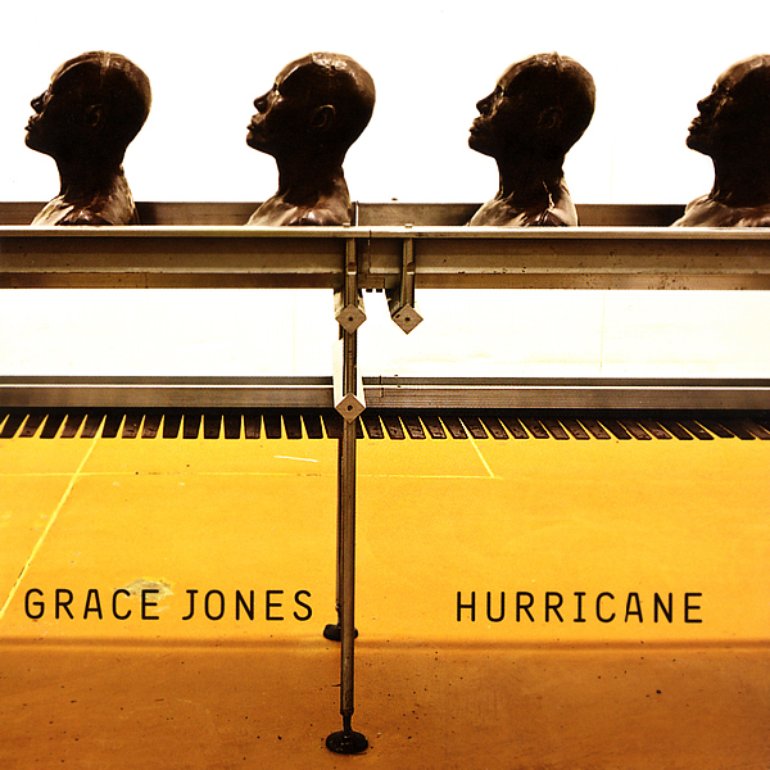
I have to recommend this fantastic album to people who aren't familiar with Grace Jones. “Hurricane” mixes trip hop, industrial, art pop, and dub wonderfully to sound bold and inventive. To me, this is her masterpiece that should be more discussed.
Untold Courage: Exploring the complex legacies of apartheid through a 4-part documentary #Echobox=1778830889" target="_blank" rel="nofollow noopener">dailymaverick.co.za/article/2026-0…
Your dog likely loves you more than anything — and science finally proves it.
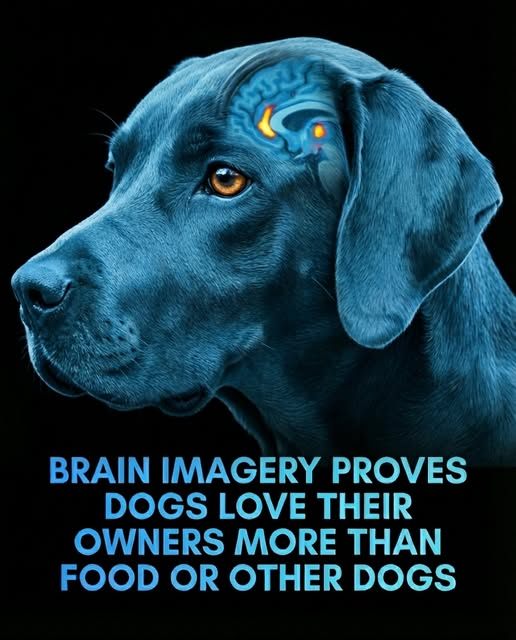
A new brain-imaging study has provided scientific proof of what most dog owners have always suspected: many dogs love their humans even more than they love food.
Published in Social Cognitive and Affective Neuroscience, the research led by Emory University neuroscientist Gregory Berns used fMRI scans to watch how dogs’ brains lit up in response to different rewards. Dogs were first trained to associate one toy with food and another with enthusiastic praise from their owner.
The findings were striking: while a few dogs leaned toward treats and some showed no clear favorite, a remarkable four out of the fifteen participants consistently chose praise over food—even when both were offered at the same time. For those dogs, the neural reward centers activated more strongly for their owner’s happy voice than for the promise of a snack.
This builds on earlier work from the same lab showing that dogs’ brains respond more powerfully to their owner’s scent than to the scent of any other person or dog.
The message is clear: for a significant number of dogs, the bond with their human isn’t just about getting fed. They genuinely crave our affection and approval, which means praise can be every bit as motivating (and far healthier) than treats when it comes to training and strengthening that special relationship.