
Richard W Friesen retweetledi

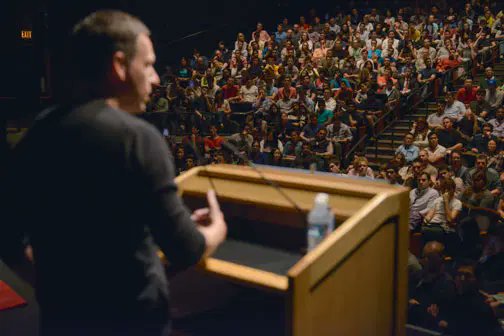
Peter thiel asked a room of stanford students one question that made most of them quietly stop typing.
He asked them what important truth do very few people agree with you on.
Then he said the reason most of them could not answer it was the same reason their careers would be average.
His name is Peter Thiel, and he has funded more zero to one companies than almost anyone alive.
Here is what he said, and why it changes how you should be thinking about your work right now.
He said the most valuable thing a person can own in the next decade is not a skill, not a network, and not capital. It is a real contrarian belief that turns out to be true.
For most of history, being right about things everyone else was also right about was enough to build a good career. In the world that is arriving, consensus knowledge is free. Anyone can ask a model and get the answer the smart people would have given. The only thing that compounds is being correctly early on something the room thinks is wrong.
His framework for testing your contrarian belief is brutally simple. He calls it the three layer test.
The first layer is whether your belief is actually contrarian. Most people fail here instantly. They think they have a contrarian view, but when they say it out loud, half the room nods. If your belief is one a smart person at a dinner party would agree with after thinking for ten seconds, it is not contrarian. It is just slightly under the surface consensus.
The second layer is whether your belief is specific enough to act on. Saying education is broken is not contrarian, it is a t-shirt. Saying a specific category of credential will collapse in a specific industry within a specific window is something you can build a company around. Most people stop at the t-shirt and wonder why they never compound.
The third layer is the one almost everyone skips. Are you actually willing to look stupid for it. Thiel said the number one predictor of which of his students went on to build something important was not intelligence. It was tolerance for being publicly wrong-sounding for years before being right.
He said the students who held their contrarian belief privately, waiting for it to be socially safe to say, almost always watched someone else build the thing they had quietly believed in for a decade.
The people who are actually winning right now are not the ones with the most knowledge.
They are the ones who picked one uncomfortable truth, said it out loud before it was safe, and stayed there long enough for the world to catch up.
English