@syndrome22q1 @catturd2 @GuntherEagleman @karolineleavitt @atensnut @lindayaX @dbongino @bennyjohnson @alphafox @MrBeast Merry Christmas Justin
Eesti
Rita Oladele
24 posts






It was exciting to launch Nigeria’s Second National Action Plan on Antimicrobial Resistance (#AMR) and the National Genomic Surveillance Strategy, alongside my senior colleague, former Minister of Health, Professor Onyebuchi Chukwu, and my current colleagues, the Honorable Ministers of Agriculture and Environment, Honorable Dr. Amos Magaji, Chair of the House Committee on Tertiary Health, the Permanent Secretary of the Ministry of Health, and the Director-General of the Nigeria Centre for Disease Control, Dr. Jide Idris. Several of our partners were also present, including WHO, FAO, USAID, and many more. Their presence highlights our collective commitment to advancing Nigeria’s health security, a key pillar of President Bola Ahmed Tinubu’s @officialABAT #RenewedHope Agenda for improving the health of all Nigerians. These two critical documents are pivotal to the Nigeria Health Sector Renewal Investment Initiative (#NHSRII), which focuses on building a resilient healthcare system, strengthening governance, and securing better health outcomes and health security. By addressing both current and future threats, these strategies position Nigeria as a leader in health security across Africa and globally. Both the AMR National Action Plan and the National Genomic Surveillance Strategy are closely interconnected. The integration of genomic surveillance with our AMR efforts will strengthen our capacity to monitor bacterial pathogens and detect emerging threats before they spread widely. This synergy will enhance Nigeria’s role in the global fight against AMR while simultaneously improving our overall public health security. AMR presents an urgent global challenge, contributing to 4.7 million deaths in 2021 alone. Nigeria’s Second National Action Plan on AMR was developed through extensive collaboration and adopts a One Health approach, integrating human, animal, and environmental health. Given that 67% of antimicrobial use occurs in the animal sector, this plan is crucial for curbing AMR and promoting responsible antimicrobial use across all sectors. Support from mechanisms like the #PandemicFund will be essential in financing these efforts and ensuring that Nigeria is equipped to combat AMR effectively. The National Genomic Surveillance Strategy is equally vital. Genomic technologies will revolutionize the way we detect, monitor, and respond to infectious diseases. By integrating genomics into our AMR surveillance systems, we will enhance our ability to track pathogens, anticipate future health threats, and advance precision medicine and public health interventions. Looking forward, Nigeria is positioning itself to host a high-level ministerial program on AMR within the next two years. We are in discussions to bring global leaders together in Nigeria to further advance our collective efforts in combating AMR. This will bolster efforts to enhance health security on the continent and beyond. We appreciate the hard work of numerous experts who led deep stakeholder engagement to develop these strategic documents. We also acknowledge the invaluable contributions of our development partners, including the World Health Organization @WHO, the Food and Agriculture Organization @FAO, @USAID, DRASA Health Trust @drasatrust, and the Clinton Health Access Initiative @CHAI_health. Thank you all. The real work begins tomorrow, and with the commitment of all stakeholders, I am confident that we will make significant strides in building a healthier, safer Nigeria—a Nigeria that plays its part in African and global health security.





Are you interested in #antifungal resistance and host- #pathogen interactions? Fully funded #PhD position available in my lab in collaboration with @NclFungalGroup and @ellielou_uk to understand how old #Candida #albicans avoids killing by antifungal drugs and neutrophils.




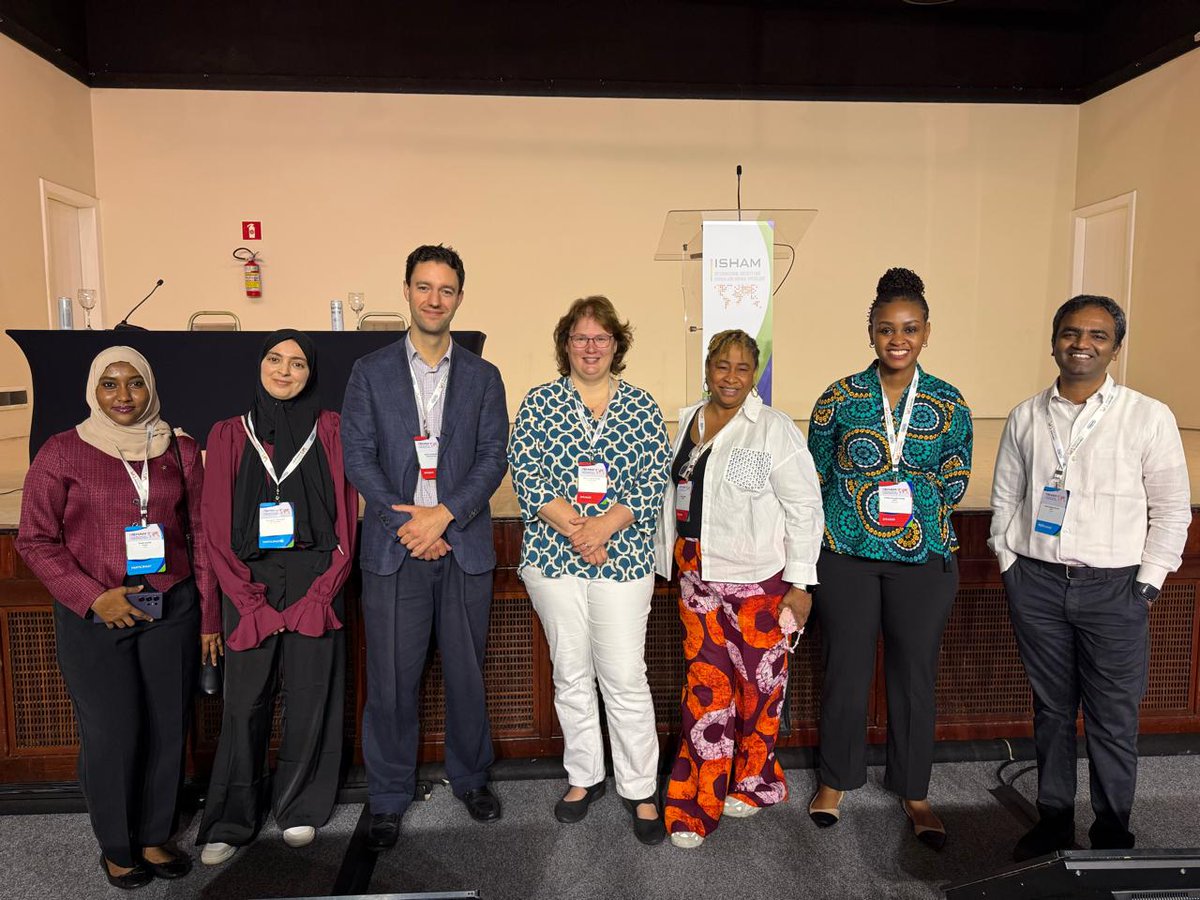
Yesterday, representatives from Ethiopia, India, Kenya, Senegal, Sudan, Nigeria & Uganda shared challenges of managing #mycetoma in a two-day Expert Meeting in 🇰🇪. Diagnosis & treatment is challenging & cases often under reported. They called for increased advocacy & new tools.