RKHobo
461 posts


RKHobo retweetledi

RKHobo retweetledi

Funniest man alive. My man @Shawn_Farash
Shawn Farash@Shawn_Farash
TRUMP CONFIRMS THE EXISTENCE OF ALIENS!
English
RKHobo retweetledi

I completely agree with everything he says. The elected Republicans are spineless cowards. Just take a listen and tell me if you agree. 🤬🤬
English

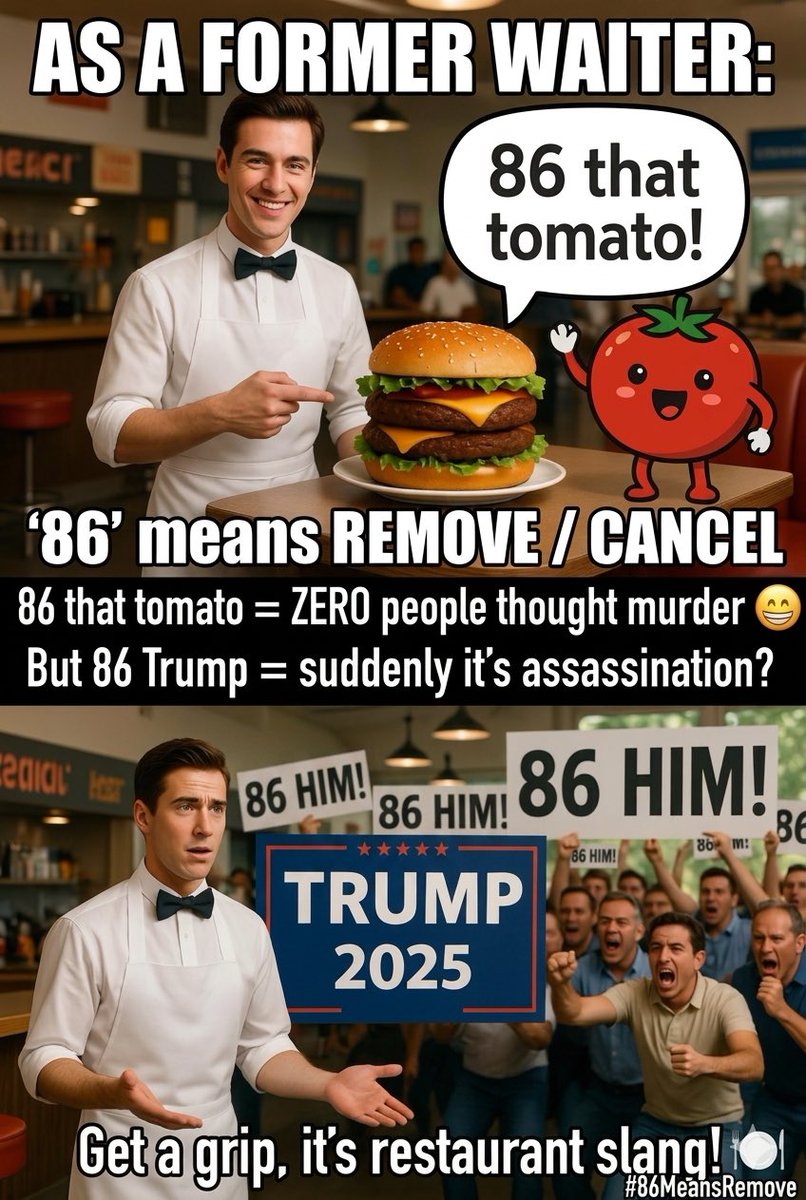

“Threatening the life of the President of the United States will never be tolerated by the Department of Justice.” -Acting Attorney General Todd Blanche
English
@_rockytop_biker Yup, already on the 'second motorcycle' and married when this 'tune' came out....lol... still riding strong. Kids are getting ready to retire now. All is good!
English

This Day in United States History 🇺🇸🇺🇸🇺🇸
On April 28, 1974, major U.S. newspaper headlines included: "MITCHELL AND STANS ACQUITTED ON ALL COUNTS" - with the New York Times writing: "After closing arguments on April 25, the case went to a jury of nine men and three women. They deliberated 26 hours over four days (including a chaotic early phase of yelling and small-group debates). At 12:57 p.m. on Sunday, April 28, forewoman Sybil Kucharski (a 21-year-old Westchester bank teller who had postponed her wedding) delivered the verdict in a firm voice: “Not guilty”—18 times total (covering all counts against both defendants." (These charges stemmed from Mitchell and Stans funneling $200,000 into President Nixon's reelection campaign. The donation came from financier, Richard Vesco, who was not charged.)
In the world of music, Paul McCartney and Wings were seeing success with their album, Band on the Run. Released in the U.S. in November 1973, their song, of the same name, was trending on this day in 1974. Band on the Run would reach #1 on the Billboard Hot 100.
Enjoy a Friday afternoon ride with ever lovable Grey Beard Biker. The weather was unseasonably warm, with beautiful skies. Volume UP! 🔼⏫ 😎🎶
Band On The Run ~ Paul McCartney & Wings 🎶🎶🎶
Stuck inside these four walls
Sent inside forever
Never seeing no one
Nice again like you, mama
You, mama
You
If I ever get out of here
Thought of giving it all away
To a registered charity
All I need is a pint a day
If I ever get outta here
(If we ever get outta here)
Well, the rain exploded with a mighty crash
As we fell into the sun
And the first one said to the second one there
"I hope you're having fun"
Band on the run
Band on the run
And the jailer man and sailor Sam
Were searching everyone
For the band on the run
For the band on the run
The band on the run
The band on the run
English

RKHobo retweetledi

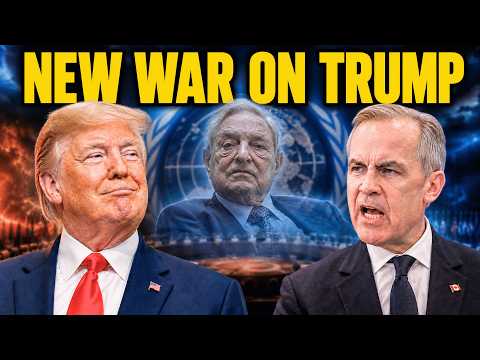
𝐀 𝐁𝐑𝐈𝐓𝐈𝐒𝐇 𝐍𝐄𝐖𝐒 𝐇𝐎𝐒𝐓 𝐉𝐔𝐒𝐓 𝐄𝐗𝐏𝐋𝐀𝐈𝐍𝐄𝐃 𝐓𝐑𝐔𝐌𝐏’𝐒 𝐒𝐓𝐑𝐀𝐓𝐄𝐆𝐘 𝐁𝐄𝐓𝐓𝐄𝐑 𝐓𝐇𝐀𝐍 𝐀𝐍𝐘𝐎𝐍𝐄 𝐈𝐍 𝐀𝐌𝐄𝐑𝐈𝐂𝐀𝐍 𝐌𝐄𝐃𝐈𝐀 — 𝐀𝐍𝐃 𝐇𝐄’𝐒 𝐓𝐄𝐑𝐑𝐈𝐅𝐈𝐄𝐃 𝐎𝐅 𝐖𝐇𝐀𝐓 𝐈𝐓 𝐌𝐄𝐀𝐍𝐒 𝐅𝐎𝐑 𝐄𝐔𝐑𝐎𝐏𝐄
GB News’ Alex Armstrong laid out the geopolitical map that American media refuses to draw: this war isn’t about toppling Iran. It’s about 𝐫𝐞𝐬𝐡𝐚𝐩𝐢𝐧𝐠 𝐭𝐡𝐞 𝐠𝐥𝐨𝐛𝐚𝐥 𝐨𝐫𝐝𝐞𝐫 — and America is winning on every front.
Start with oil. The Strait of Hormuz carries 𝟒𝟓% 𝐨𝐟 𝐂𝐡𝐢𝐧𝐚’𝐬 𝐨𝐢𝐥 𝐬𝐮𝐩𝐩𝐥𝐲. Trump effectively captured Venezuela’s oil supply in January. As Armstrong put it: “𝘓𝘰𝘰𝘬 𝘸𝘩𝘰’𝘴 𝘨𝘰𝘵 𝘵𝘩𝘦 𝘶𝘱𝘱𝘦𝘳 𝘩𝘢𝘯𝘥 𝘢𝘭𝘭 𝘰𝘧 𝘢 𝘴𝘶𝘥𝘥𝘦𝘯. 𝘈𝘮𝘦𝘳𝘪𝘤𝘢 𝘪𝘴 𝘯𝘰𝘸 𝘤𝘰𝘯𝘵𝘳𝘰𝘭𝘭𝘪𝘯𝘨 𝘵𝘩𝘦 𝘷𝘢𝘴𝘵 𝘴𝘸𝘢𝘵𝘩𝘦𝘴 𝘰𝘧 𝘰𝘪𝘭 𝘵𝘩𝘢𝘵 𝘊𝘩𝘪𝘯𝘢 𝘯𝘦𝘦𝘥𝘴.” China is in the middle of a tariff negotiation with Trump — and suddenly its entire energy supply depends on American goodwill.
Then Europe. With Russian energy off the table and domestic energy hollowed out by the “𝘭𝘦𝘧𝘵𝘪𝘴𝘵 𝘰𝘣𝘴𝘦𝘴𝘴𝘪𝘰𝘯 𝘸𝘪𝘵𝘩 𝘯𝘦𝘵 𝘻𝘦𝘳𝘰,” Europe is becoming 𝐰𝐡𝐨𝐥𝐥𝐲 𝐝𝐞𝐩𝐞𝐧𝐝𝐞𝐧𝐭 𝐨𝐧 𝐀𝐦𝐞𝐫𝐢𝐜𝐚𝐧 𝐨𝐢𝐥 𝐚𝐧𝐝 𝐠𝐚𝐬. Armstrong: “𝘛𝘩𝘦𝘺 𝘸𝘪𝘭𝘭 𝘥𝘪𝘤𝘵𝘢𝘵𝘦 𝘵𝘦𝘳𝘮𝘴 𝘢𝘯𝘥 𝘶𝘴𝘦 𝘦𝘯𝘦𝘳𝘨𝘺 𝘢𝘴 𝘭𝘦𝘷𝘦𝘳𝘢𝘨𝘦, 𝘯𝘰𝘵 𝘫𝘶𝘴𝘵 𝘦𝘤𝘰𝘯𝘰𝘮𝘪𝘤𝘢𝘭𝘭𝘺, 𝘣𝘶𝘵 𝘨𝘦𝘰𝘱𝘰𝘭𝘪𝘵𝘪𝘤𝘢𝘭𝘭𝘺 𝘵𝘰𝘰.”
Armstrong connected the dots to what the Pentagon calls 𝐆𝐫𝐞𝐚𝐭𝐞𝐫 𝐍𝐨𝐫𝐭𝐡 𝐀𝐦𝐞𝐫𝐢𝐜𝐚 — Greenland through the Panama Canal, the entire Western Hemisphere secured as a self-sufficient American economic and security zone. “𝘕𝘰 𝘮𝘰𝘳𝘦 𝘨𝘭𝘰𝘣𝘢𝘭 𝘱𝘰𝘭𝘪𝘤𝘪𝘯𝘨, 𝘯𝘰 𝘮𝘰𝘳𝘦 𝘦𝘯𝘥𝘭𝘦𝘴𝘴 𝘧𝘰𝘳𝘦𝘪𝘨𝘯 𝘤𝘰𝘮𝘮𝘪𝘵𝘮𝘦𝘯𝘵𝘴, 𝘫𝘶𝘴𝘵 𝘢 𝘧𝘰𝘳𝘵𝘪𝘧𝘪𝘦𝘥, 𝘳𝘦𝘴𝘰𝘶𝘳𝘤𝘦-𝘳𝘪𝘤𝘩 𝘱𝘰𝘸𝘦𝘳 𝘣𝘢𝘴𝘦 𝘵𝘩𝘢𝘵 𝘰𝘵𝘩𝘦𝘳𝘴 𝘩𝘢𝘷𝘦 𝘯𝘰 𝘤𝘩𝘰𝘪𝘤𝘦 𝘣𝘶𝘵 𝘵𝘰 𝘳𝘦𝘭𝘺 𝘰𝘯. 𝘛𝘩𝘢𝘵 𝘪𝘴 𝘵𝘩𝘦 𝘯𝘦𝘸 𝘈𝘮𝘦𝘳𝘪𝘤𝘢.”
The most striking part was his warning for Britain: “𝘞𝘦 𝘩𝘢𝘷𝘦 𝘯𝘰 𝘦𝘯𝘦𝘳𝘨𝘺 𝘴𝘦𝘤𝘶𝘳𝘪𝘵𝘺. 𝘞𝘦 𝘪𝘮𝘱𝘰𝘳𝘵 𝘢𝘳𝘰𝘶𝘯𝘥 60% 𝘰𝘧 𝘰𝘶𝘳 𝘧𝘰𝘰𝘥. 𝘞𝘦 𝘩𝘢𝘷𝘦 𝘯𝘰 𝘮𝘢𝘫𝘰𝘳 𝘪𝘯𝘥𝘶𝘴𝘵𝘳𝘺. 𝘖𝘶𝘳 𝘮𝘪𝘭𝘪𝘵𝘢𝘳𝘺 𝘪𝘴 𝘥𝘦𝘤𝘪𝘮𝘢𝘵𝘦𝘥.” He described Britain heading toward 𝐚 𝐝𝐚𝐫𝐤 𝐚𝐠𝐞 𝐧𝐨𝐭 𝐬𝐞𝐞𝐧 𝐢𝐧 𝐨𝐯𝐞𝐫 𝟏,𝟎𝟎𝟎 𝐲𝐞𝐚𝐫𝐬 as America withdraws from its traditional role.
When a foreign ally’s own news anchors are publicly acknowledging that Trump’s strategy is working — even as it leaves them behind — that tells you everything about who has the leverage.
𝐓𝐡𝐞 𝐫𝐞𝐬𝐭 𝐨𝐟 𝐭𝐡𝐞 𝐰𝐨𝐫𝐥𝐝 𝐬𝐞𝐞𝐬 𝐰𝐡𝐚𝐭 𝐀𝐦𝐞𝐫𝐢𝐜𝐚𝐧 𝐦𝐞𝐝𝐢𝐚 𝐰𝐨𝐧’𝐭 𝐚𝐝𝐦𝐢𝐭: 𝐓𝐫𝐮𝐦𝐩 𝐢𝐬𝐧’𝐭 𝐬𝐭𝐚𝐫𝐭𝐢𝐧𝐠 𝐜𝐡𝐚𝐨𝐬. 𝐇𝐞’𝐬 𝐛𝐮𝐢𝐥𝐝𝐢𝐧𝐠 𝐚 𝐟𝐨𝐫𝐭𝐫𝐞𝐬𝐬.
English
He thinks Donald Trump is a Master Strategist. You have to admit Trump has shown a lot of success!
English
@UnitedCanucks26 Trudeau (SENIOR) Liberal rag... always was a poor excuse for nothing but wiping Left Wing Asses. We need a TRUE Canadian flag we all can look to and be proud!
English

Where are all the millions of Canadians on Twitter? Let me see you! Flood the comments with our beautiful Canada flag 🇨🇦. Follow me as I advocate for Canada. Algorithm give me more Canadians in my feed. 🍁
English
RKHobo retweetledi