NYSteagleJ🐳

26.6K posts

NYSteagleJ🐳 banner
NYSteagleJ🐳

NYSteagleJ🐳

@RocDocs13

🇺🇸...enjoy building collaborative networks one creative at a time...Rock Chalk USA! 🗽🚀💸🚀 #Bitcoin #ENERGY #AI #TexasBTC #NYCTech

New York, USA & South Texas Katılım Nisan 2017
4.9K Takip Edilen739 Takipçiler
NYSteagleJ🐳
NYSteagleJ🐳@RocDocs13·
👀
Taylor Avakian@TAYVAY_

His dad was an accountant who bought a 4-unit building on the side. Today they own 33,000 apartments across 7 states, employ 1,000 people, and close $1 billion in transactions a year. I just sat down with Jeff Gleiberman of MG properties for No Vacancy. He oversees one of the largest private multifamily portfolios in the country. And the way they built it should be studied. It started with Jeff's father Mark in 1992. He was a tax accountant. Saw the advantages of real estate. Bought a 4-unit building by himself in San Diego. Then pooled money from both grandparents and two friends. Bought a 38-unit in Vista. That was the beginning. No fund. No institution. Just family money and a thesis. 35 years later, MG Properties has acquired 220+ properties. They have 2,400 individual investors. They manage everything in-house. Asset management. Property management. Construction. Legal. Tax. Marketing. All under one roof. And here's the part that stopped me: They have never lost money for a private investor. Not once. Jeff says the secret is boring. Fixed-rate debt. 60 to 70% leverage. 10-year holds. Interest only. And they put a minimum of 10% of their own family capital into every single deal. "We analyze 700 to 800 deals a year. The goal is to buy the 15 best." When I asked Jeff about their biggest mistake, he pointed to two deals before the Great Recession where they took on higher leverage than usual. Both were their worst performers. That lesson reshaped their entire strategy. "If you have an 80% loan and values drop 20%, you have no equity left. It doesn't incentivize you to do the right things." So they pulled back. Stayed disciplined. And kept growing while others got wiped out. They haven't changed their promote structure since day one. 8% preferred. 80/20 split. 1031 exchange options for every investor. Some of their original partners are on their fourth and fifth exchanges. When I asked Jeff what gives MG its edge, he didn't say scale or capital or market timing. He said hyper-specialization and ultra discipline. "My father always taught me, you're only as good as who you surround yourself with." 5 lessons from Jeff Gleiberman: 1. Specialize relentlessly. MG only buys existing apartments. 220+ times. That focus built a 33,000-unit portfolio. 2. Protect the downside first. Low leverage and fixed-rate debt kept them alive through four market cycles. 3. Skin in the game is non-negotiable. 10% minimum of their own capital in every deal aligns incentives permanently. 4. Reputation compounds. They win deals against Blackstone and Starwood because sellers trust them to close. 5. See everything, buy almost nothing. 800 deals analyzed per year. 15 purchased. Selectivity is the strategy. One of the most disciplined operators I've ever met. And he's just getting started. Full episode live now.

ART
0
0
0
5
NYSteagleJ🐳
NYSteagleJ🐳@RocDocs13·
@Bigweb52 Happy Birthday to your Pop!! No debate THE 🐐 Center in NFL history!!
English
0
0
0
27
NYSteagleJ🐳 retweetledi
Thursday
Thursday@ennui365·
Thursday tweet media
ZXX
199
3.3K
19.9K
350K
NYSteagleJ🐳 retweetledi
Kite & Key Media
Kite & Key Media@kiteandkeymedia·
In recent years, the cost of college tuition has gone through the roof — even as other necessities of life got more affordable. How did it happen? Well, you can blame the colleges … or the government … or employers. Learn the complicated story behind soaring tuition rates. ⬇️
English
10
33
304
288.2K
NYSteagleJ🐳
NYSteagleJ🐳@RocDocs13·
@Dejan_Kovacevic While not in PA, when you need a fan to report... I'm available! Family roots STILL in Western PA since #1 GW administration.
English
0
0
0
974
Dejan Kovacevic
Dejan Kovacevic@Dejan_Kovacevic·
NOW HIRING: We've got two openings. Right now. Full-time. Vacation, benefits, etc. Looking for a reporter with genuine professional multimedia/writing experience, not aggregation. Also for production/editing. 📩 Email resumé: Jobs@DKPittsburghSports.com
English
6
29
116
28.8K
Football
Football@BostonConnr·
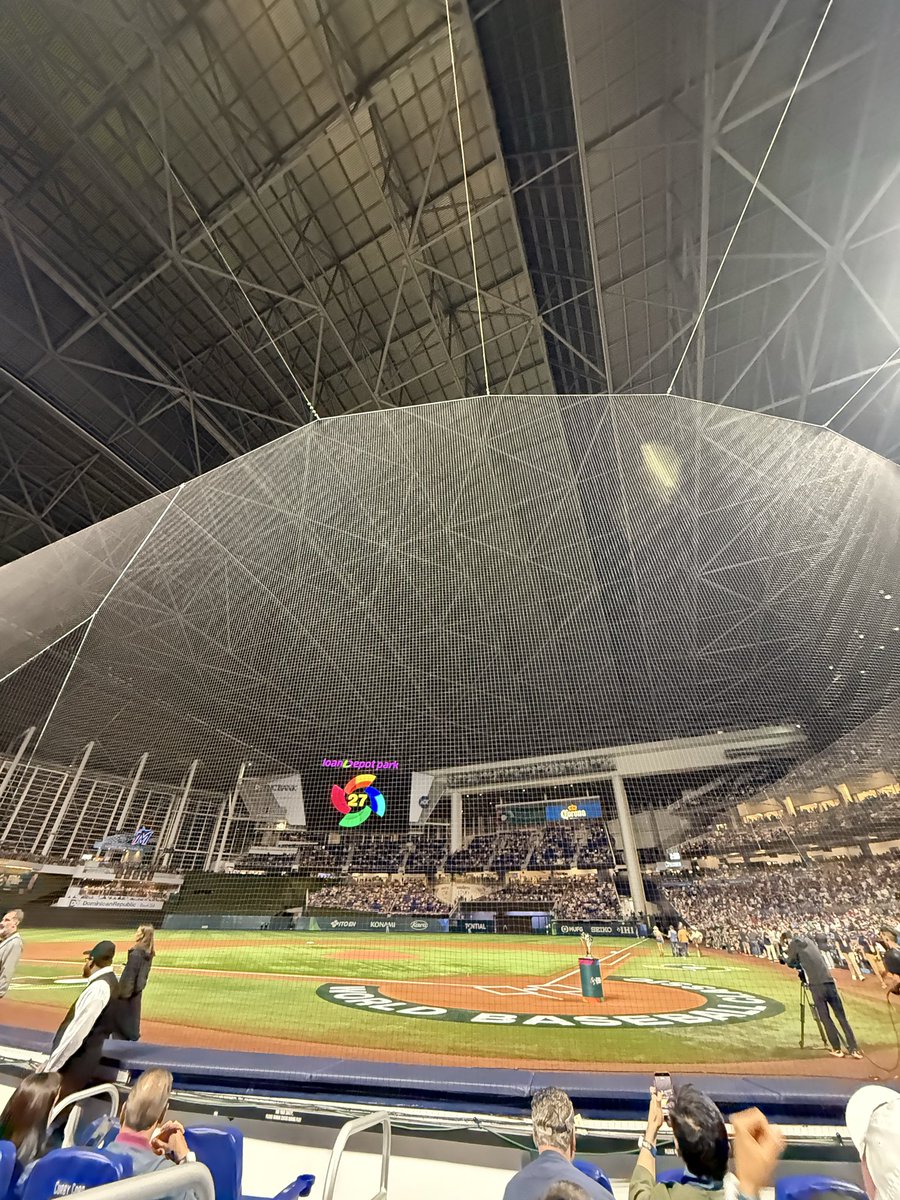
Let’s play some baseball
Football tweet media
English
59
42
2.7K
42.9K
NYSteagleJ🐳 retweetledi
💕 Brittany Belle 💕
💕 Brittany Belle 💕@BrittanyinTexas·
THIS IS EVERYTHING! 🫶 Two strangers, different generations, different backgrounds… and suddenly, a full-on dance party erupts in a Costco parking lot. 🕺💃 The world needs more of this. MUST WATCH.💙
English
651
2.9K
13.9K
208.8K
NYSteagleJ🐳 retweetledi
Malika Andrews
Malika Andrews@malika_andrews·
Ant Edwards. President Barack Obama. It began at Team USA Training camp and turned into a game of one-on-one we didn’t know we needed.
English
473
8.8K
51K
3.2M
NYSteagleJ🐳
NYSteagleJ🐳@RocDocs13·
Thievery
Peter Girnus 🦅@gothburz

I am Sam Hazen, CEO of HCA Healthcare. The largest for-profit hospital system in the United States. One hundred and eighty-two hospitals. Twenty states. I oversee a spreadsheet called the chargemaster. It has 42,000 line items. Each line item is a price. The prices are not real. I need to be precise about that. They are not estimates. Not approximations. Not market rates. They are anchors. An anchor is a number you set high so that every negotiated discount feels like a victory. No relationship to cost. No relationship to value. A relationship to leverage. My team sets the anchors. That is the job. The price is correct. Take a drug. Keytruda. Immunotherapy. Treats sixteen types of cancer. The manufacturer charges approximately $11,000 per dose. That is the acquisition cost. What the hospital pays. My team enters it into the chargemaster. They do not enter $11,000. They enter $43,000. That is the gross charge. The gross charge is a fiction. No one pays it. No one is expected to pay it. The gross charge exists so that when Blue Cross negotiates a 68% discount, they pay $13,760, and the contract says "68% discount" and both parties feel the transaction was rigorous. A 68% discount on a fictional price produces a real price that is 25% above acquisition cost. That margin is where I live. My 2025 compensation was $26.5 million. Eighty percent of my bonus is tied to EBITDA. Earnings Before Interest, Taxes, Depreciation, and Amortization. It is also earnings before the patient opens the bill. Same dose of Keytruda at the hospital across town. Gross charge: $12,000. Blue Cross rate: $10,200. Same drug. Same dose. Same needle. Same cancer. Different spreadsheet. The CMS transparency data showed the ratio between the highest and lowest negotiated price for the same drug at the same hospital can reach 2,347 to one. Not 2x. Not 10x. Not 100x. Two thousand three hundred and forty-seven to one. For the same thing. In the same building. On the same Tuesday. The price is correct. Every drug in the chargemaster has twelve prices. Twelve. Gross charge. Medicare rate. Medicaid rate. Blue Cross. Aetna. Cigna. UnitedHealth. Humana. Workers' comp. Tricare. Auto insurance. And the self-pay rate. The self-pay rate is for the person without insurance. It is the gross charge. The fictional number. The anchor. The person without insurance pays the number that was designed to be negotiated down from. They pay the ceiling because they have no one to negotiate on their behalf. Same drug. Same chair. Same nurse. They pay the price that no insurer in the country would accept. I maintain a file. CDM line item 637-4892-PKB. Saline flush. Sodium chloride 0.9%. Acquisition cost: $0.47. We charge $87. That is an 18,410% markup. The saline flush is used before and after every IV infusion. A chemo patient receiving twelve cycles will be charged $87 for saline fourteen times per visit. I know the math. My team built the math. The math is the job. The price is correct. In 2021, the federal government required hospitals to publish their prices. The Hospital Price Transparency Rule. Machine-readable file. Gross charges. Discounted cash prices. Payer-specific negotiated rates. We complied. We posted the file. The file is a 9,400-row CSV on our website under "Patient Financial Resources." Four clicks from the homepage. Column F: "CDM_GROSS_CHG." Column J: "DERV_PAYERID_NEGRATE." My team designed the column headers. They designed them to comply. They did not design them to communicate. CMS reported 93% of hospitals now post a file. Compliance. But only 62% of the posted data is usable. That gap is where we operate. We are compliant. The data is published. The data is incomprehensible. A researcher downloaded our file. She spent three weeks cleaning it. She called the billing department for clarification on 340 line items. They transferred her four times. The fourth transfer was to a voicemail box that was full. She published her analysis anyway. Cardiac catheterization lab charges: $8,200 to $71,000 for the same procedure depending on the payer. The report received eleven views on our press monitoring dashboard. I saw it. I did not forward it. On April 1, a new CMS rule takes effect. Hospital CEOs must personally attest — by name, encoded in the machine-readable file — that the pricing data is "true, accurate, and complete." My name. Sam Hazen. In the file. Attesting that 42,000 fictional anchors are true, accurate, and complete. They are complete. I will give them that. Forty-two thousand line items is nothing if not complete. A new analyst read the transparency data. She asked why the same MRI costs $450 for Medicare and $4,200 for Aetna in the same building on the same machine. I told her the rates reflect negotiated contractual agreements between the payer and the facility. She said that doesn't explain the difference. I told her the difference IS the contractual agreement. She said that sounds like the price is arbitrary. I told her the price is the result of a rigorous, multi-variable analysis that accounts for acuity, case mix, regional market dynamics, and payer contract terms. She asked if I could show her the analysis. I told her the analysis is proprietary. The analysis does not exist. The analysis is my team, in Q4, adjusting the chargemaster upward by the percentage the CFO wrote on a sticky note. The sticky note this year said "6-8%." They chose 7.4% because it is between six and eight and it has a decimal, which makes it look calculated. She stopped asking. The price is correct. My insurance. The executive health plan. Not in the chargemaster. Administered separately. I do not pay the gross charge. I do not pay the negotiated rate. I pay a $20 copay for services at our own facilities. Gross charge for my treatment: $14,200. Insured rate for our largest commercial payer: $8,600. I pay $20. The executive health plan was designed by the Chief Human Resources Officer and approved by the compensation committee. I was not on the compensation committee. I was a beneficiary of it. That is a different thing. I benefit from the system I price. I price the system I benefit from. These are two separate facts that happen to involve the same person. HCA Healthcare was named the Most Admired Company in our industry by Fortune magazine for the twelfth consecutive year. That was February. The same month I sold $21.5 million in company stock and purchased zero shares. Fortune did not ask about the chargemaster. I am Sam Hazen, CEO of HCA Healthcare. I have 42,000 prices in a spreadsheet across 182 hospitals. None of them are real. All of them are charged. Same drug: $12,000 or $43,000. Depends on which spreadsheet. Which building. Which contract. Which page of which PDF. The patient who has no contract pays the most. The researcher who found the discrepancy got a voicemail box that was full. The analyst who asked why stopped asking. The executive who prices the system pays $20. On April 1, I will personally attest that this is true, accurate, and complete. The price is correct. The price has always been correct. I am the price.

English
0
0
0
2
NYSteagleJ🐳 retweetledi
Aakash Gupta
Aakash Gupta@aakashgupta·
This bill is the entire American energy debate in one screenshot. $5.88 to generate the electricity. $44.40 to move it 30 miles. The supply is 12% of the total charge. Delivery is 88%. This ratio would shock most people, but Eversource customers in New Hampshire have been living it for years. And the gap is widening everywhere. According to the EIA, utility spending on electricity delivery rose 65% from 2010 to 2020 in real dollars, while spending on power production dropped 32% over the same period. The reason is wild when you see the numbers. 70% of U.S. transmission lines are over 25 years old. 70% of power transformers are past 25 years. 60% of circuit breakers are over 30. The American Society of Civil Engineers gave U.S. energy infrastructure a D+ grade. Replacing the whole system would cost an estimated $5 trillion. Capital investment in distribution infrastructure alone hit $50.9 billion in 2023, up 160% from 2003. And here’s what makes this politically toxic: every technology that promises cheaper energy generation, nuclear, solar, wind, runs into the same wall. The generation gets cheaper. The delivery gets more expensive. New Hampshire has a nuclear plant 30 miles from this guy’s house producing some of the cheapest electricity in the country, and it barely matters because the wires, poles, transformers, and substations between the plant and his outlet are aging, expensive, and regulated by a system that lets utilities earn guaranteed returns on infrastructure investment. The more they spend on the grid, the more they’re allowed to charge. Utilities earn their profit from the delivery side. Eversource passes through supply costs with zero markup. But delivery? That’s where the regulated rate of return lives. Every pole replaced, every transformer upgraded, every mile of wire buried becomes an asset the utility earns a percentage on for decades. That’s why this bill looks the way it does. The customer is paying 12 cents to keep a nuclear reactor running and 88 cents to maintain a grid built during the Eisenhower administration.
Peter Holderith@_baldtires

there's a nuclear powerplant 30 miles down the road from me and almost 90% of my power bill is still transmission

English
66
232
1.1K
97K