Roger von Oech

12.7K posts

Roger von Oech banner
Roger von Oech

Roger von Oech

@RogervonOech

Author of the #1 iOS app Creative Whack Pack https://t.co/IaRvxofCDr and creativity classic “A Whack on the Side of the Head” https://t.co/WDMYJ3wBrr + Ball of Whacks.

Near Palo Alto, California Katılım Mart 2007
308 Takip Edilen2.5K Takipçiler
Sabitlenmiş Tweet
Roger von Oech
Roger von Oech@RogervonOech·
Announcing my newest product: CREATIVE WHACKS Deluxe Edition, an illustrated deck of 100 strategies to provoke your creativity. “Business brilliance.” — USA/Today CREATIVE WHACKS is a richly expanded, enlarged, and revised edition of the classic Creative Whack Pack card deck. Amazon link for more information: a.co/d/ezpTahv This edition has 60% more #creativity strategies (100). Also, the cards are 30% larger allowing bigger illustrations. RECOMMENDED FOR: innovators, artists, engineers, designers, writers, teachers, students, coaches, and anyone trying to spark their thinking. Check it out!
Roger von Oech tweet media
English
2
1
7
1.5K
Roger von Oech
Roger von Oech@RogervonOech·
Happy 341st birthday today to #JSBach (1685-1750) the greatest composer of all time!
Roger von Oech tweet media
English
0
0
0
25
Braden Keith
Braden Keith@Braden_Keith·
Calvin sent this to me while googling for graphic inspo and we probably shouldn’t put it on SwimSwam but I couldn’t not post it.
Braden Keith tweet media
English
1
0
42
2.7K
Roger von Oech
Roger von Oech@RogervonOech·
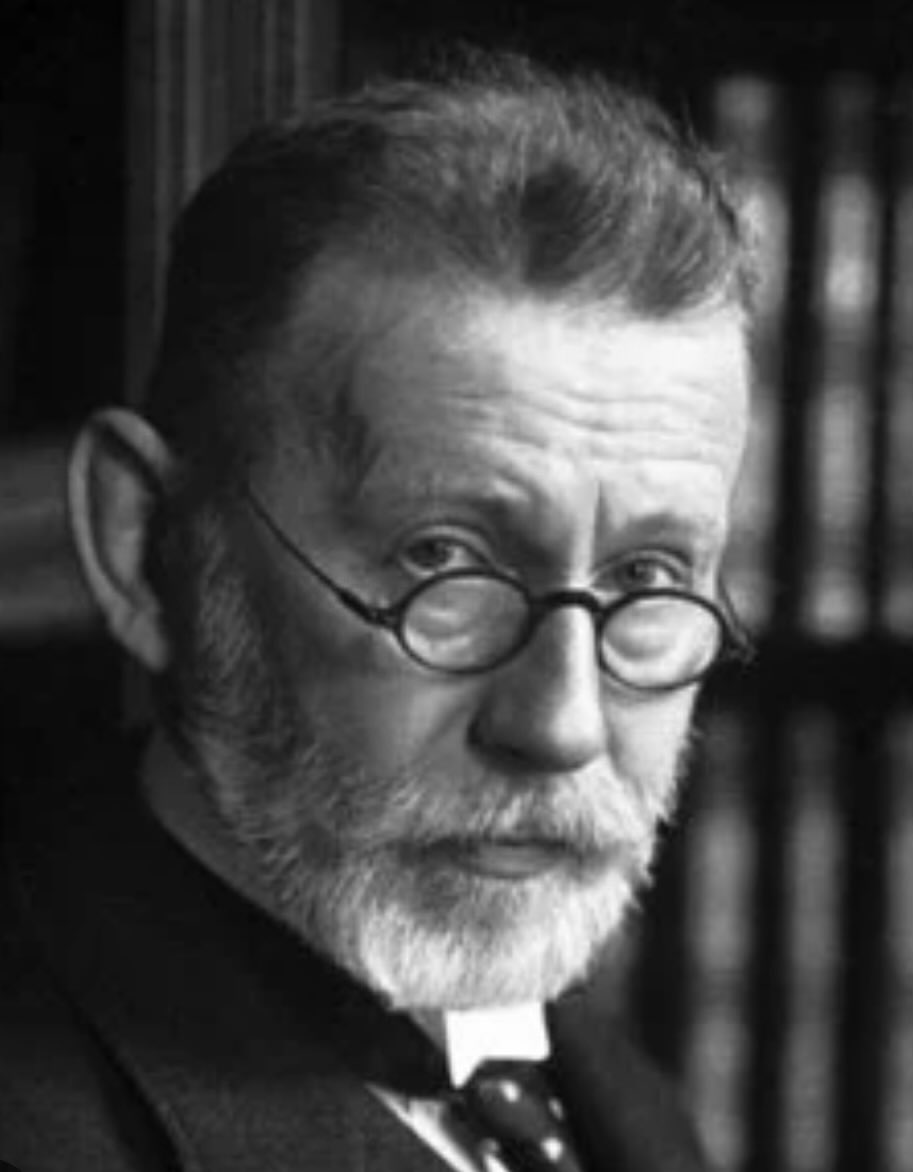
I met Paul Ehrlich at a Stanford event 15 years ago and chatted with him for 10 minutes. He smiled broadly when I told him I watched him on the Johnny Carson Show in the late 1960s. When I told him that my favorite #PaulEhrlich with that name was the great German biochemist (1854-1915 — pictured here) who won the Nobel Prize for Medicine (1908) for a cure for syphillis, he frowned and walked away.
Roger von Oech tweet media
English
1
0
2
100
Roger von Oech
Roger von Oech@RogervonOech·
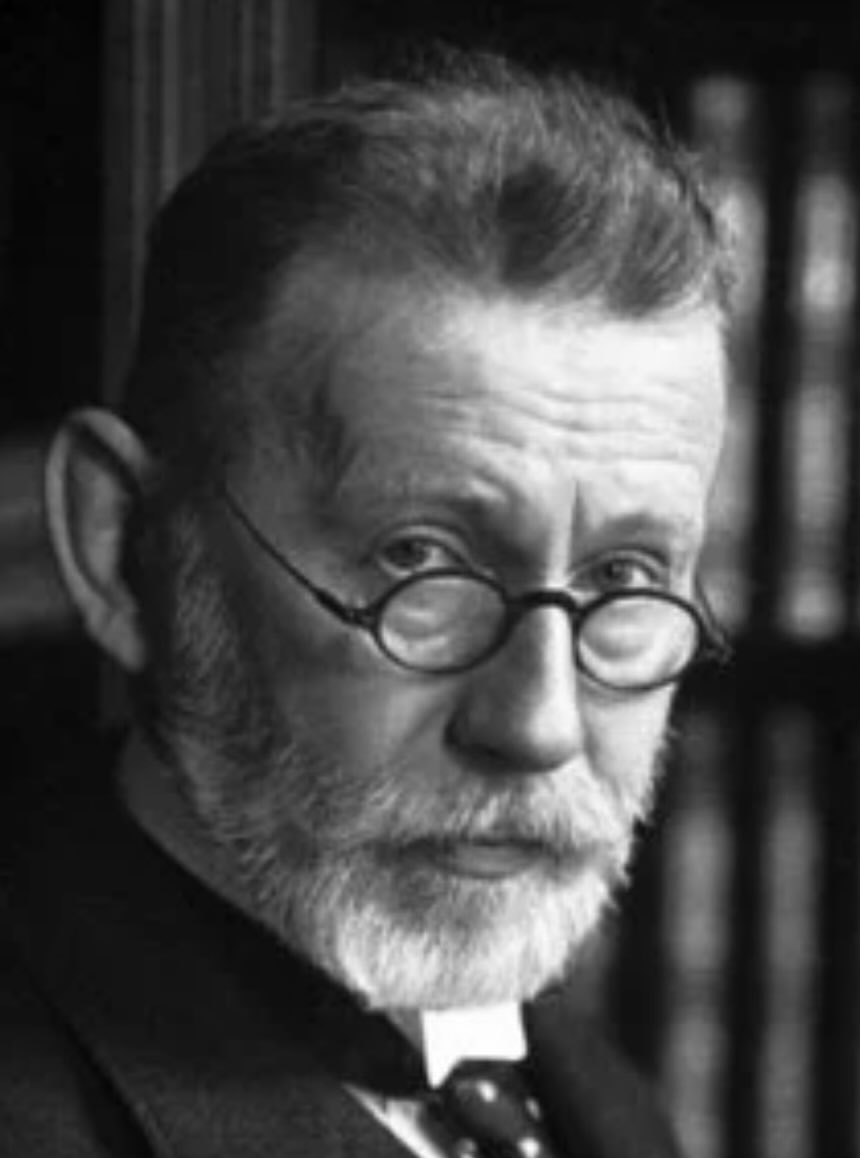
I met Paul Ehrlich at a Stanford event 15 years ago and chatted with him for 10 minutes. He smiled broadly when I told him I watched him on the Johnny Carson Show in the late 1960s. When I told him that my favorite #PaulEhrlich with that name was the great German biochemist (1854-1915) who won the Nobel Prize for Medicine (1908) for a cure for syphillis, he frowned and walked away.
Roger von Oech tweet media
English
0
1
8
809
Ross Douthat
Ross Douthat@DouthatNYT·
Reading Paul Ehrlich's late-1960s writings as a late-1990s teenager while doing a high school project on population trends was a formative intellectual experience for all the reasons @RichardHanania describes in this thread: x.com/RichardHanania…
Richard Hanania@RichardHanania

Paul Ehrlich has passed away, and I wanted to see whether he was as bad as his quotes and short clips suggest. Surely, there might be some nuance or careful thought in his worldview. Nobody is that purely evil. So I picked up The Population Bomb and started reading. It turns out, he's even worse than you think! I’m putting together a thread below. Quotes taken out of context don't get at the degree to which he is consistently evil and misanthropic. He had an entire system that he pursued in which human life was constantly denigrated and devalued, with an eye toward elimination. You’re left wondering what you’re even reducing human population for, since every form of life seems to be not worth living. Some people are racist and just hate poor and brown people. Some hate the rich. Paul Ehrlich doesn't discriminate. He wants you not to exist if he can get away with it. But if he can't stop you from living, he wants you to have a much worse quality of life. Ehrlich has a plan for both advanced and poor countries. He has blueprints for entire regions of the globe. Humans do not have agency in Ehrlich’s world. They’re simple consumers of resources, with no ability to create, better their circumstances, or exert individual agency to make the world a better place, except to the extent that they ensure fellow humans no longer exist. You might find all of this depressing. But I’ve found reading Ehrlich invigorating. It is a reminder of how much evil there is in the world. Recall that Ehrlich was not some guy in his room putting out diatribes. He was a professor at Stanford, a highly decorated scientist, and one of the most prominent public intellectuals of his generation. While reading Ehrlich today, know that he has intellectual descendants in the form of degrowthers and other environmental extremists, along with anti-capitalists who don’t understand the basis of prosperity and prioritize redistributing wealth over all else.


English
12
26
275
76K
Roger von Oech
Roger von Oech@RogervonOech·
@walterkirn Your ceasing to do “America This Week” came at a very opportune time for you: IMAGINE IF you had to do twice a week takes on the current war against the Mullah-IRGC regime! Now you get to sit back and watch it happen.
Roger von Oech tweet media
English
1
0
3
582
Walter Kirn
Walter Kirn@walterkirn·
The more time I've spent off X editing my book, the less eager I am to come back. It really takes time to orient oneself here. What a wilderness. At first glance it all seems fake.
English
152
33
1.3K
30.1K
Roger von Oech
Roger von Oech@RogervonOech·
Spooky results. @armano
Nav Toor@heynavtoor

🚨BREAKING: MIT hooked people up to brain scanners while they used ChatGPT. What they found should concern every single person reading this. ChatGPT users showed 55% weaker brain connectivity than people who didn't use it. Not after years. After just four months. Here's how they tested it. 54 people were split into three groups: one used ChatGPT to write essays, one used Google, and one used nothing but their own brain. They wore EEG monitors that tracked their brain activity in real time across four sessions over four months. The brain-only group built the strongest, most widespread neural networks. Google users were in the middle. ChatGPT users had the weakest brains in the room. Every time. Then the memory test hit. Participants were asked to recall what they'd just written minutes earlier. 83% of ChatGPT users couldn't quote a single line from their own essay. They wrote it. They couldn't remember it. The words passed through them like they were never there. It gets worse. In the final session, ChatGPT users were told to write without AI. Their brains were measurably weaker than people who never used AI at all. 78% still couldn't recall their own writing. The damage didn't go away when the tool was removed. Meanwhile, brain-only users who tried ChatGPT for the first time? Their brains lit up. They wrote better prompts. They retained more. Their brains were already strong enough to use AI as a tool instead of a crutch. The researchers also found that every ChatGPT essay on the same topic looked almost identical. More facts, more dates, more names. But less original thinking. Everyone using ChatGPT produced the same generic output while believing it was their own. MIT gave this a name: cognitive debt. Like financial debt, you borrow convenience now and pay with your thinking ability later. Except there's no way to pay it back. The question isn't whether ChatGPT is useful. It's whether the price is your ability to think without it.

English
1
0
2
214
Tickle
Tickle@Chuck_Tickle·
@heygurisingh @grok does this hold true for chat GPT business version as well?
English
4
0
0
9.1K
Guri Singh
Guri Singh@heygurisingh·
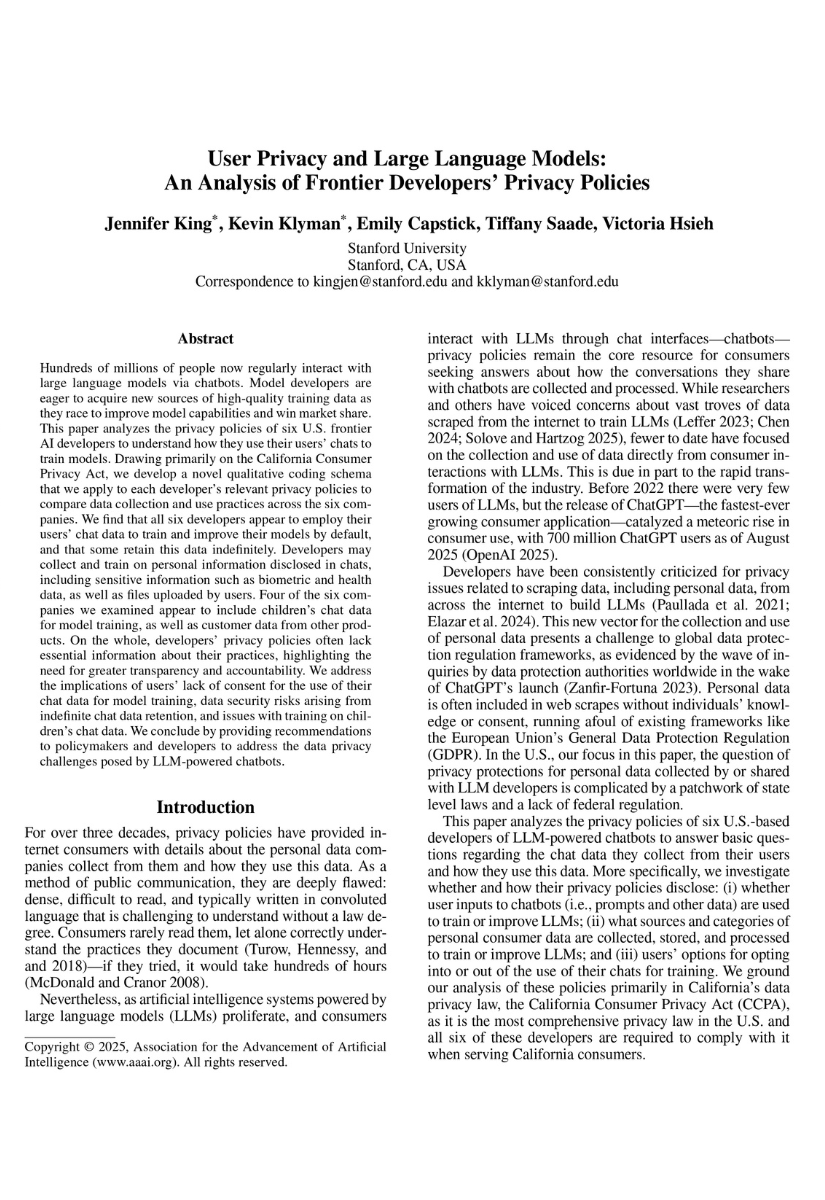
🚨 Stanford just analyzed the privacy policies of the six biggest AI companies in America. Amazon. Anthropic. Google. Meta. Microsoft. OpenAI. All six use your conversations to train their models. By default. Without meaningfully asking. Here's what the paper actually found. The researchers at Stanford HAI examined 28 privacy documents across these six companies not just the main privacy policy, but every linked subpolicy, FAQ, and guidance page accessible from the chat interfaces. They evaluated all of them against the California Consumer Privacy Act, the most comprehensive privacy law in the United States. The results are worse than you think. Every single company collects your chat data and feeds it back into model training by default. Some retain your conversations indefinitely. There is no expiration. No auto-delete. Your data just sits there, forever, feeding future versions of the model. Some of these companies let human employees read your chat transcripts as part of the training process. Not anonymized summaries. Your actual conversations. But here's where it gets genuinely dangerous. For companies like Google, Meta, Microsoft, and Amazon companies that also run search engines, social media platforms, e-commerce sites, and cloud services your AI conversations don't stay inside the chatbot. They get merged with everything else those companies already know about you. Your search history. Your purchase data. Your social media activity. Your uploaded files. The researchers describe a realistic scenario that should make you pause: You ask an AI chatbot for heart-healthy dinner recipes. The model infers you may have a cardiovascular condition. That classification flows through the company's broader ecosystem. You start seeing ads for medications. The information reaches insurance databases. The effects compound over time. You shared a dinner question. The system built a health profile. It gets worse when you look at children's data. Four of the six companies appear to include children's chat data in their model training. Google announced it would train on teenager data with opt-in consent. Anthropic says it doesn't collect children's data but doesn't verify ages. Microsoft says it collects data from users under 18 but claims not to use it for training. Children cannot legally consent to this. Most parents don't know it's happening. The opt-out mechanisms are a maze. Some companies offer opt-outs. Some don't. The ones that do bury the option deep inside settings pages that most users will never find. The privacy policies themselves are written in dense legal language that researchers people whose job is reading these documents found difficult to interpret. And here's the structural problem nobody is addressing. There is no comprehensive federal privacy law in the United States governing how AI companies handle chat data. The patchwork of state laws leaves massive gaps. The researchers specifically call for three things: mandatory federal regulation, affirmative opt-in (not opt-out) for model training, and automatic filtering of personal information from chat inputs before they ever reach a training pipeline. None of those exist today. The uncomfortable truth is this: every time you type something into ChatGPT, Gemini, Claude, Meta AI, Copilot, or Alexa, you are contributing to a training dataset. Your medical questions. Your relationship problems. Your financial details. Your uploaded documents. You are not the customer. You are the curriculum. And the companies doing this have made it as hard as possible for you to stop.
Guri Singh tweet media
English
329
3.9K
8.6K
1.7M
Nedra Weinreich
Nedra Weinreich@Nedra·
@RogervonOech Optimistic! The missiles are annoying but nowhere near the volume we expected. And we're closer than ever to a more peaceful world. Thanks for your good wishes!
English
1
0
1
15
Nedra Weinreich
Nedra Weinreich@Nedra·
Coming back online from Shabbat and trying to catch up with the news. Jerusalem seems to be fine. And looks like we're doing quite well overall. Hopefully this will be over quickly and successfully so we won't have to go through this again.
English
2
0
1
79
Isaac Seliger
Isaac Seliger@SeligerGrants·
@walterkirn Too bad. You guys reminded me of Bruno Ganz & Otto Sandler in the great Wim Wenders 1987 film "Wings of Desire." Two angels gazing from the top of a skyscraper as you watch and opine on the foibles of mortals below. Now, you've become mortal.
English
1
0
15
691
Walter Kirn
Walter Kirn@walterkirn·
I didn't intend to end America This Week, suffice it to say. I'm sorry if that is the impression left by a confusing situation. I've had the time of my life doing the show and hold my friend Matt Taibbi in the highest esteem as one of the greatest journalists of our era. Truth.
English
404
100
2.7K
154.5K
Roger von Oech
Roger von Oech@RogervonOech·
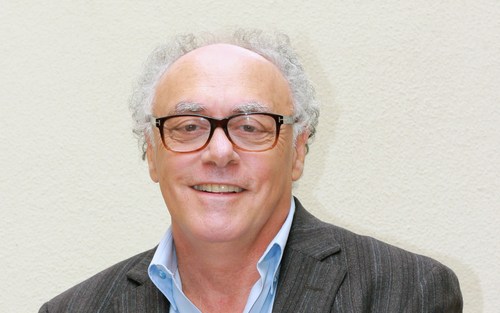
Big fan here, Walter. I wish you continued success in your various ventures. I often thought how much time and energy it took to prepare and participate actively in two 2-hour long shows a week (as well as do the reading). From what I can glean from your X-feed, your other pursuits will benefit greatly from this break. Good luck!
Roger von Oech tweet media
English
0
0
13
1.1K
Walter Kirn
Walter Kirn@walterkirn·
See you down the road before too long.
English
59
9
711
32.4K
Roger von Oech
Roger von Oech@RogervonOech·
@walterkirn Some basic wisdom: “Every right idea eventually becomes the wrong idea.” Fun while it lasted. It’ll be interesting to see where WK ends up.
English
1
0
11
454
Roger von Oech
Roger von Oech@RogervonOech·
@WSJ @JoannaStern Gonna miss your WSJ stuff: you brought so many things to life! I look forward to Joanna 3.0! You’re a very creative individual.
Roger von Oech tweet media
English
0
0
2
243
Roger von Oech
Roger von Oech@RogervonOech·
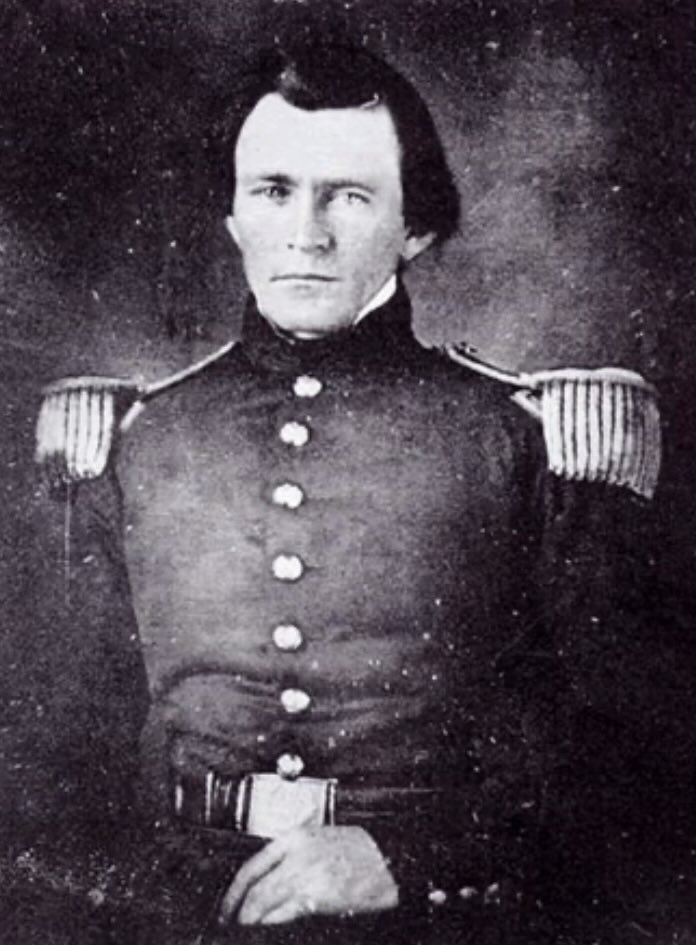
@walterkirn @LiverightPub Good for you! Grant’s memoirs are a wonderful read. He’s a surprisingly good writer. I also recommend Ron Chernow’s “Grant.” (Pictured, the young officer Grant.)
Roger von Oech tweet media
English
1
1
11
560
Walter Kirn
Walter Kirn@walterkirn·
After some research, I've decided that this is the edition of Grant's memoirs with which I'll address my ignorance of the great man's great book. @LiverightPub The Annotated Memoirs of Ulysses S. Grant (The Annotated Books) a.co/d/0i7IlKQH
English
51
25
321
13.8K
Roger von Oech
Roger von Oech@RogervonOech·
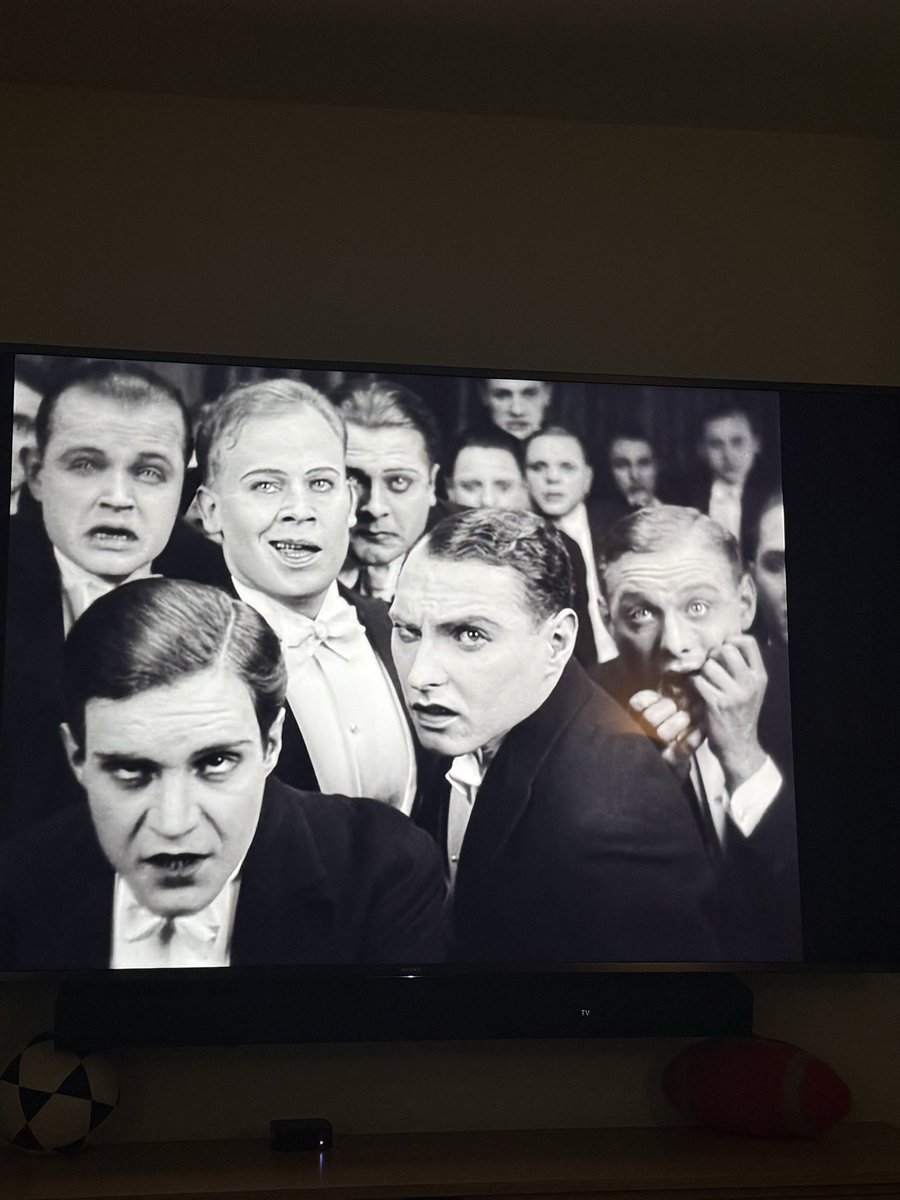
This was one of @walterkirn’s very best episodes. Matt started to go “wobbly” at the 1:03.00 mark and stayed there until 1:37.00 and finished by saying “understanding this situation is above my pay grade.” Matt should listen to the entire Walter Hudson piece for clarification. Thanks to both Matt and Walt for their discussion of this topic. Good luck, guys!
Roger von Oech tweet media
English
0
0
2
409
Matt Taibbi
Matt Taibbi@mtaibbi·
America This Week, Jan 30, 2026: “Marriage Advice From Matt and Walter, and Minnesota” On the self-annihilating trend, plus the unexpected relevance of Brave New World racket.news/p/america-this…
Matt Taibbi tweet media
English
38
22
138
50K
Roger von Oech
Roger von Oech@RogervonOech·
Walter: regarding Monday’s ATW. I’m reminded of Margaret Thatcher’s comment to George HW Bush in August 1990 after Saddam Hussein occupied Kuwait and Bush hesitated to threaten force: “Don’t go WOBBLY on us, George.” — Your addressing addressing Matt was similar: “Don’t go WOBBLY on us, Matt.” — Well done!
English
0
0
3
360
Roger von Oech
Roger von Oech@RogervonOech·
Roger von Oech@RogervonOech

#ScottAdams passed away this morning at age 68. I read his Dilbert comic occasionally in the 1990 and 2000s. But starting in 2015, I tuned into his “Coffee With Scott Adams” at least once a week. I watched his final farewell program yesterday — it was a sad yet somehow an upbeat broadcast. What a mind he had, and also as he might put it “an incredible skill stack.” Scott made a difference many people’s lives. Hail and farewell, Scott!

QME
0
1
28
1.1K
Walter Kirn
Walter Kirn@walterkirn·
Scott Adams never lost the ability to surprise me with his ideas and observations. He could comment on the same event or situation everyone else was looking at and reveal a new angle or a whole new world. My brain grew every time I heard his voice. What a loss. What a figure.
English
236
1.2K
13.6K
157.7K
Roger von Oech
Roger von Oech@RogervonOech·
#ScottAdams passed away this morning at age 68. I read his Dilbert comic occasionally in the 1990 and 2000s. But starting in 2015, I tuned into his “Coffee With Scott Adams” at least once a week. I watched his final farewell program yesterday — it was a sad yet somehow an upbeat broadcast. What a mind he had, and also as he might put it “an incredible skill stack.” Scott made a difference many people’s lives. Hail and farewell, Scott!
Roger von Oech tweet media
English
1
10
54
2.3K