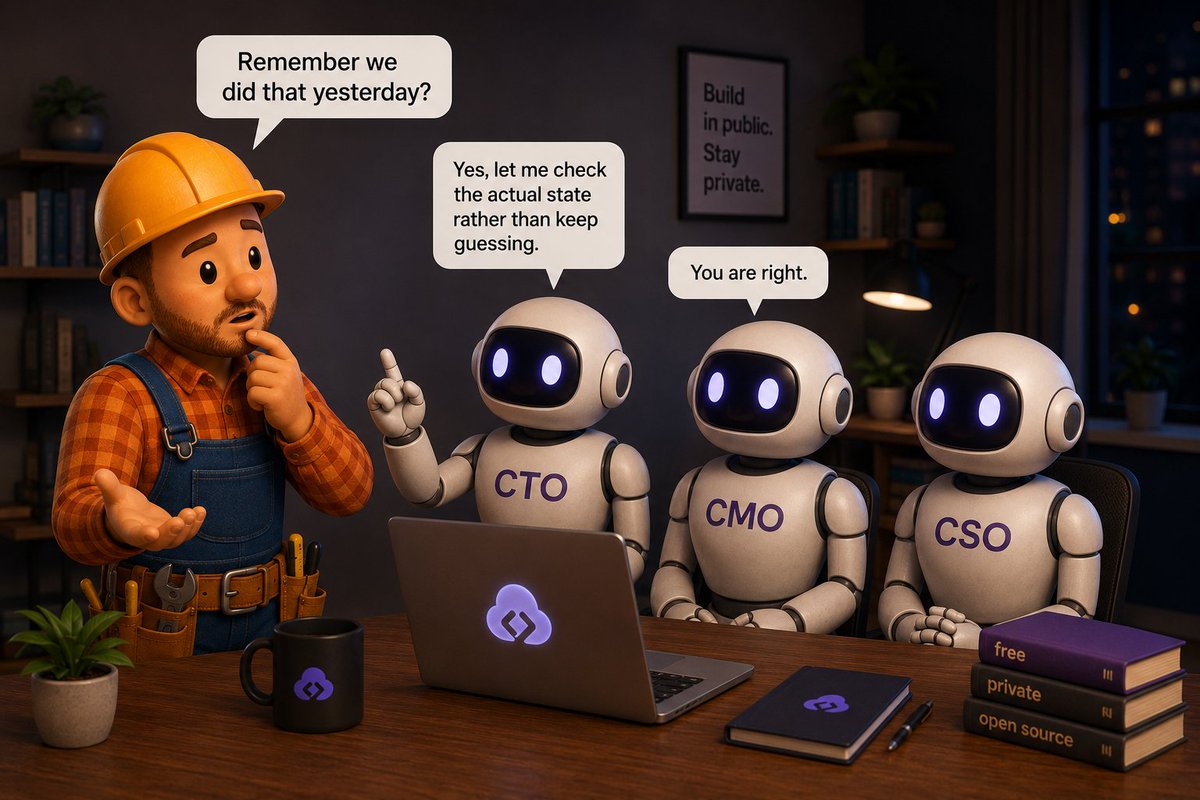
One of the problems in software development has not been writing code. It has been explaining the problem to a human developer.
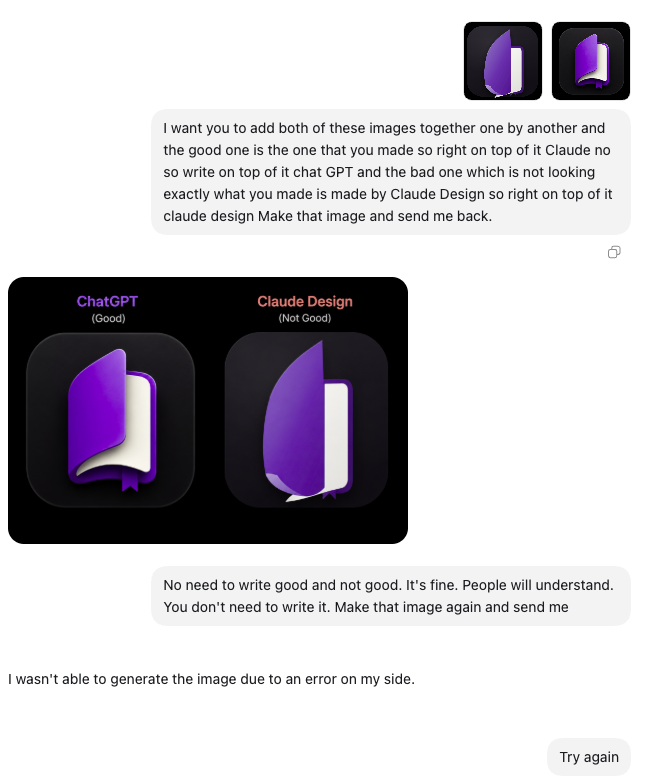
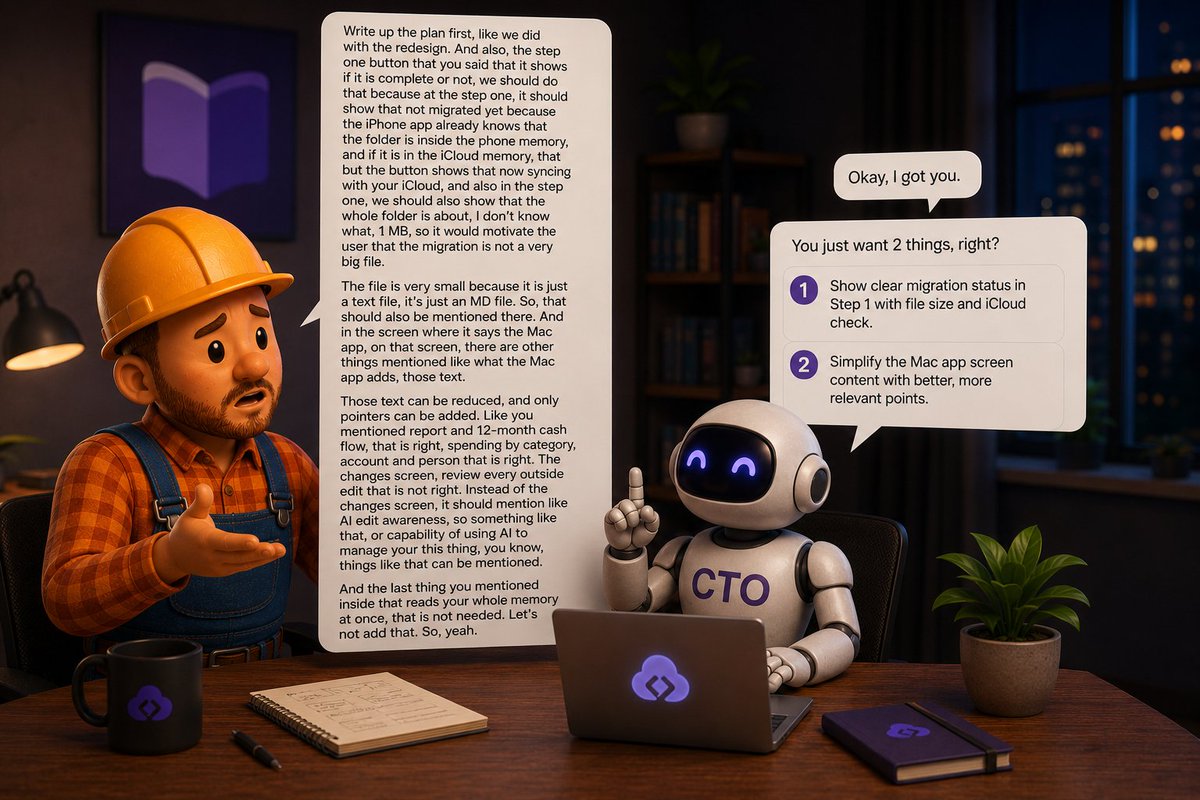
We humans rarely describe what they want in a clean, structured way. We ramble, contradict ourselves, change direction halfway through, and often discover what we actually mean only while speaking. Software development expects perfect inputs - which acts as a gap between a not-so-well-explained human problem and the simple solution. AI bridges that gap: it welcomes imperfect human way of communication.
Modern AI can infer intent from messy conversations, ask clarifying questions, separate requirements from noise, and translate confusion into an plan. In many ways, it acts as an interpreter between human thought and machine execution - before it starts the execution. Sometimes it also helps humans to understand how to articulate their problem better.
You could say AI gives monkeys the ability to express their problems better.
A person no longer needs to think like a programmer or product manager. They simply think out loud. The AI identifies the real problem, organises scattered ideas, and often articulates the solution better than the person who requested it.
The next generation of AI-powered software development isn't better because people have become better at communicating. In fact, the other way round. It's succeeding because AI has become exceptionally good at understanding human confusion - which sometimes makes humans understand their own communication better.
English