

roll
18.9K posts


Meet the new Stitch, your vibe design partner.
Here are 5 major upgrades to help you create, iterate and collaborate:
🎨 AI-Native Canvas
🧠 Smarter Design Agent
🎙️ Voice
⚡️ Instant Prototypes
📐 Design Systems and DESIGN.md
Rolling out now. Details and product walkthrough video in 🧵
English



Google is now explicitly telling businesses to focus on AI search traffic alongside SEO.
This comes straight from Google’s John Mueller.
Someone asked him a question a lot of businesses are worried about right now:
“Is SEO still enough, or do we need to start thinking about GEO too? Ranking on Google doesn’t guarantee your brand will show up in ChatGPT, Gemini, or Perplexity.”
Mueller’s response was telling.
He said:
“If you have an online business that makes money from referred traffic, it's definitely a good idea to consider the full picture.”
Translation:
Google no longer views old-school Google Search as the only distribution channel that matters.
And solving that problem is a big reason why SEO Stuff is coming off another record month:
seo-stuff.com
Then came the line from Mueller that most people skimmed past:
“Thinking about how your site’s value works in a world where AI is available is worth the time.”
That is an acknowledgment that AI already changes how traffic, visibility and attribution work.
And then came this sentence:
“What you call it doesn’t matter.”
Here’s what that actually means:
Ranking still determines eligibility, but AI does play an increasingly large role in site amplification.
If your business depends on referred traffic, pretending AI doesn’t exist is no longer realistic.
This all matters because AI systems don’t rank pages from scratch.
(Want to know if your site is AI-search ready? Check here: seo-stuff.com/free-audit)
They pull from the existing ecosystem and favor:
Pages that already rank well.
Sites with clear entity definitions.
Content that explains and compares
Brands that are consistently referenced and attributable.
Search in 2026 understands the topic and it needs to understand your business too.
And that’s also why SEO Stuff is structured the way it is.
Take the Gold Plan.
seo-stuff.com/gold-plan-pack…
AI systems summarize and compare.
They repeatedly pull from:
Best X for Y pages.
X vs Y comparisons.
Decision-stage buyer guides.
Clear answers under question-based H2s.
Gold Plan content is engineered to:
Rank in Google first.
Be cleanly summarized by AI systems.
Answer questions directly and extractably.
Tie answers back to a specific brand.
Then there’s the Premium Content Bundle.
seo-stuff.com/premium-conten…
Search in 2026 thinks in categories, entities and relationships.
If your site doesn’t clearly answer:
Who you are.
What category you belong to.
When you should be mentioned.
AI systems won’t include you consistently.
The Premium Content Bundle builds:
Full topical coverage.
Entity reinforcement across use cases.
Category-level authority.
Freshness through expansion and updates.
This is how you stop being “a page that ranks” and start being a recognized entity.
And finally, the Premium Backlink Bundle.
seo-stuff.com/premium-backli…
Every serious study we’ve covered shows the same thing.
AI systems are conservative.
They reuse sources they already trust.
Backlinks from real, authoritative domains don’t just help rankings.
They also tell AI systems:
“This source is safe to repeat.”
All of which is to say:
If your SEO foundation is weak, AI will expose it faster.
If your foundation is strong, AI will amplify it across:
Google Search.
AI Overviews.
Gemini.
ChatGPT.
Perplexity.
And so forth.
Google is literally telling you to understand how visibility actually works now.
You should listen.
And if you want cheat codes for getting visibility inside Google and AI answers within the next 30 days, just RT this, follow me, and reply “AI Search Guide” and I’ll DM you.
You must do all three for the DM.


English

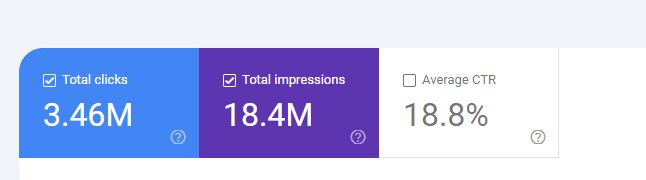
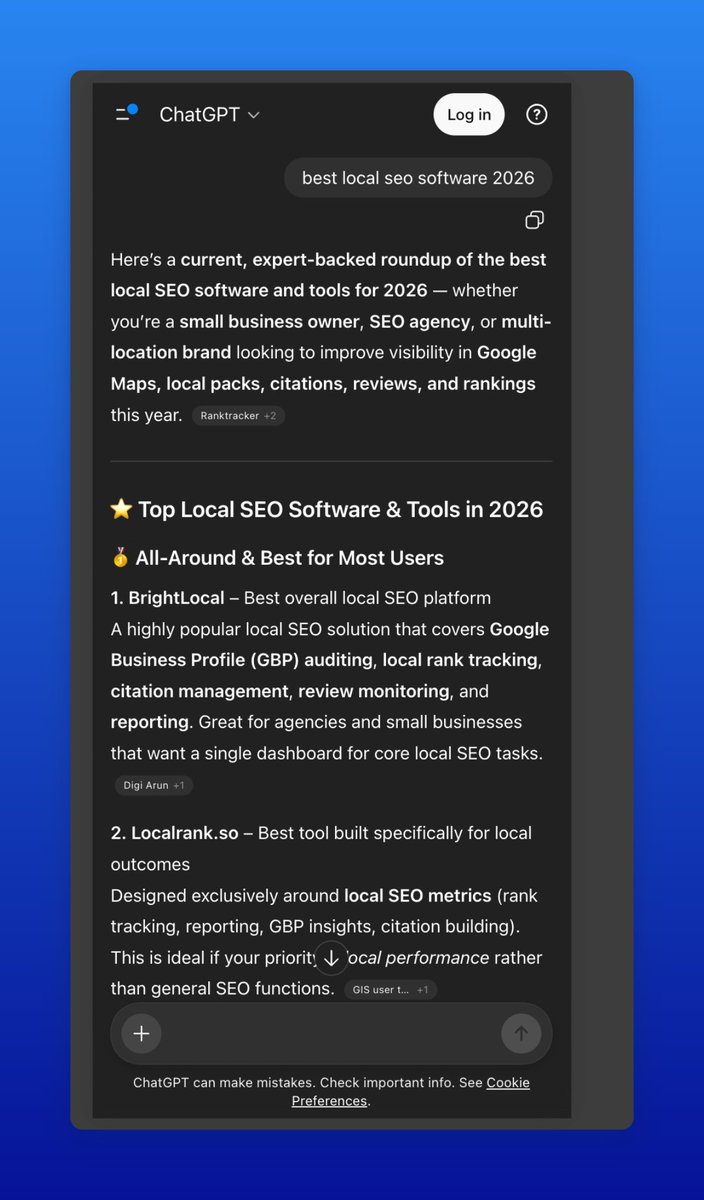
REPEAT AFTER ME
GEO only takes 2 weeks to see results
The playbook? Just get featured in listicles
We were able to get into 100 listicles for under $100
Comment LLM + like this post, and I'll DM it to you (must be following)
English


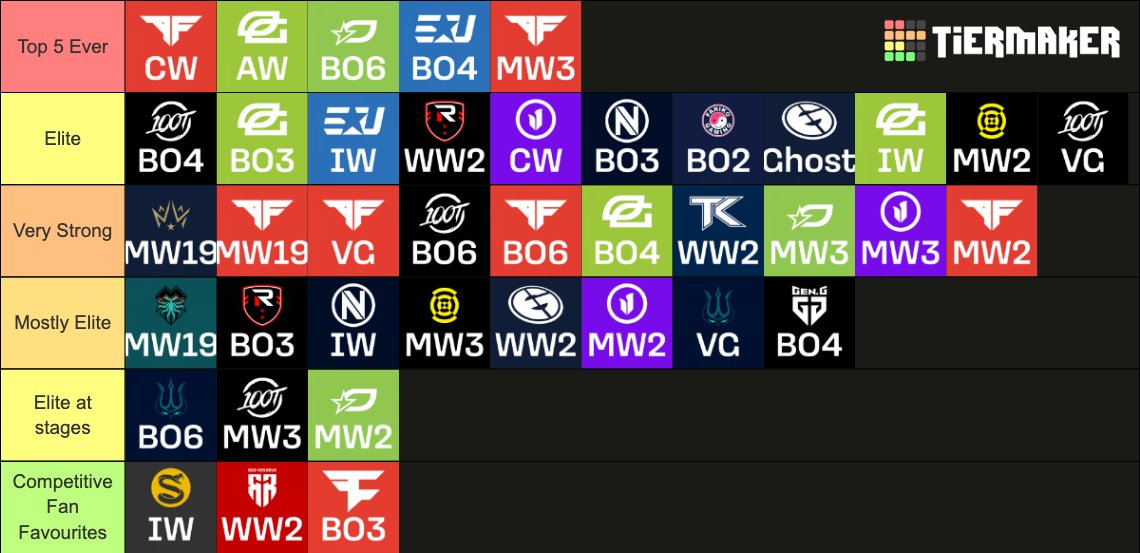
Took me a while, but I made the best CoD teams in history
- Definitely missed some older teams, couldn't be arsed to make more graphics
- This is based on their best roster on that game
- Consistency on your best roster is KEY to placement here
tiermaker.com/create/best-co…
English

We’ve been seeing a massive increase in malicious usage of the Anitgravity backend that has tremendously degraded the quality of service for our users. We needed to find a path to quickly shut off access to these users that are not using the product as intended. We understand that a subset of these users were not aware that this was against our ToS and will get a path for them to come back on but we have limited capacity and want to be fair to our actual users.
English



Big news – the newest @openclaw update today quietly re-added oAuth for Anthropic Subscriptions!
I just switched back to Sonnet 4.6 as my main without using the expensive API Token.
Here's how in 60 seconds:
Run "claude setup-token" in your terminal and save your token.
Run "openclaw models auth add"
Select anthropic → setup-token → paste
Restart your gateway & open a new chat
That's it.
Your Pro/Max subscription now powers your local OpenClaw setup. No API key billing.
Thanks @cathrynlavery for letting me know! @AndrewWarner We're back to Claude!
English
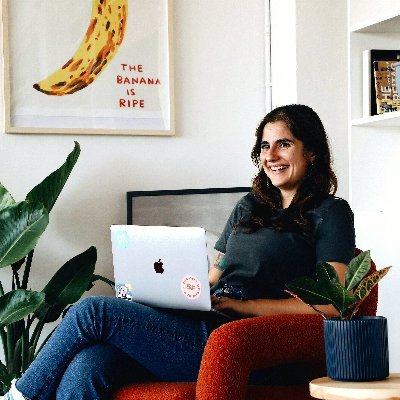
Guys this is one prompt
Freepik@freepik
A full fashion campaign doesn't need a six-figure budget It only needs Seedance 2.0 Soon on Freepik 💥
English


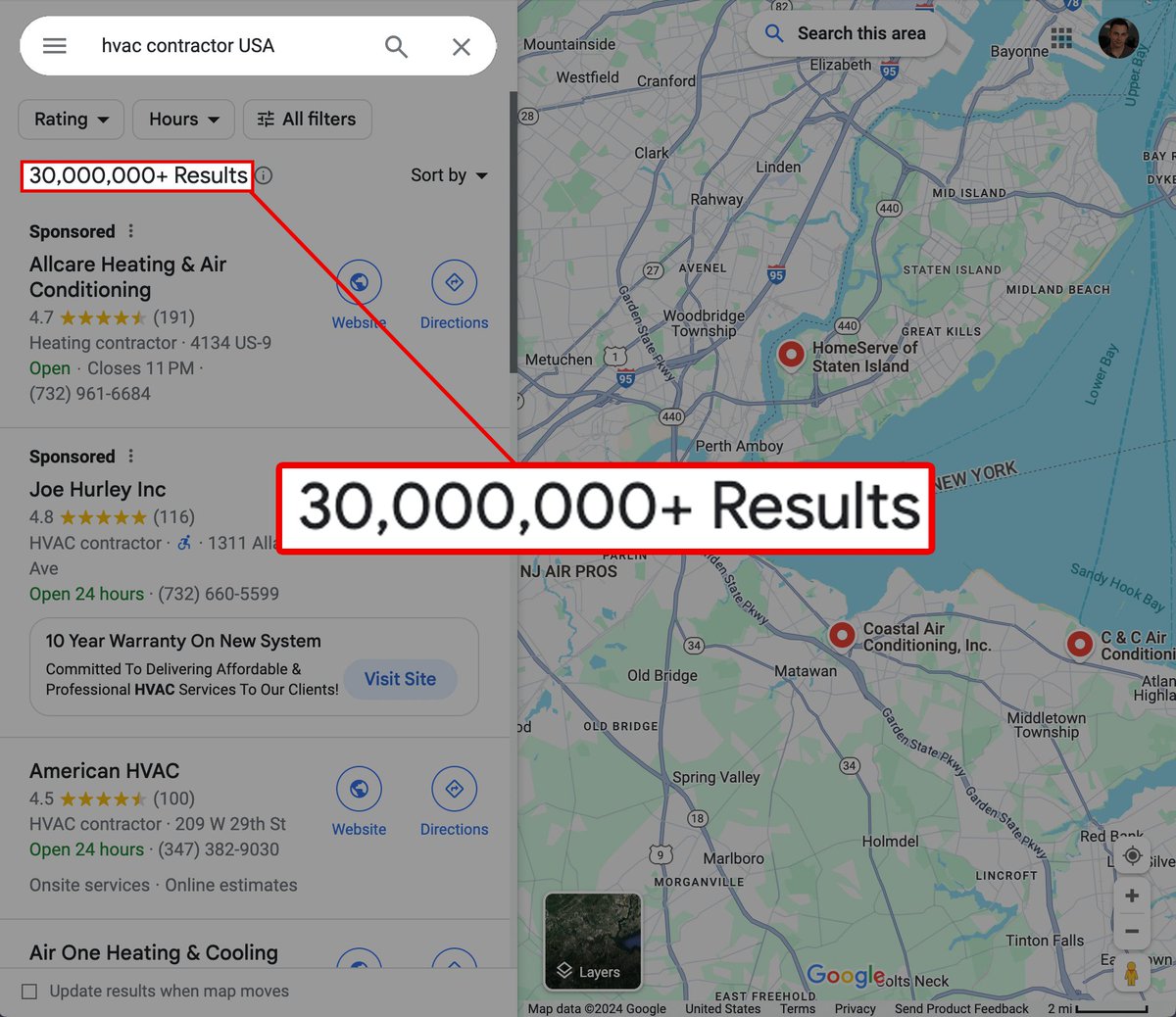
I MIGHT GET SUED FOR THIS, BUT YOLO:
I just found a way to scrape over 200 million local businesses..
You can use this for cold email, cold calling or even door knocking..
And craziest part — IT'S COMPLETELY FREE.
Comment "G" and I'll send it to you. (24h onl
English

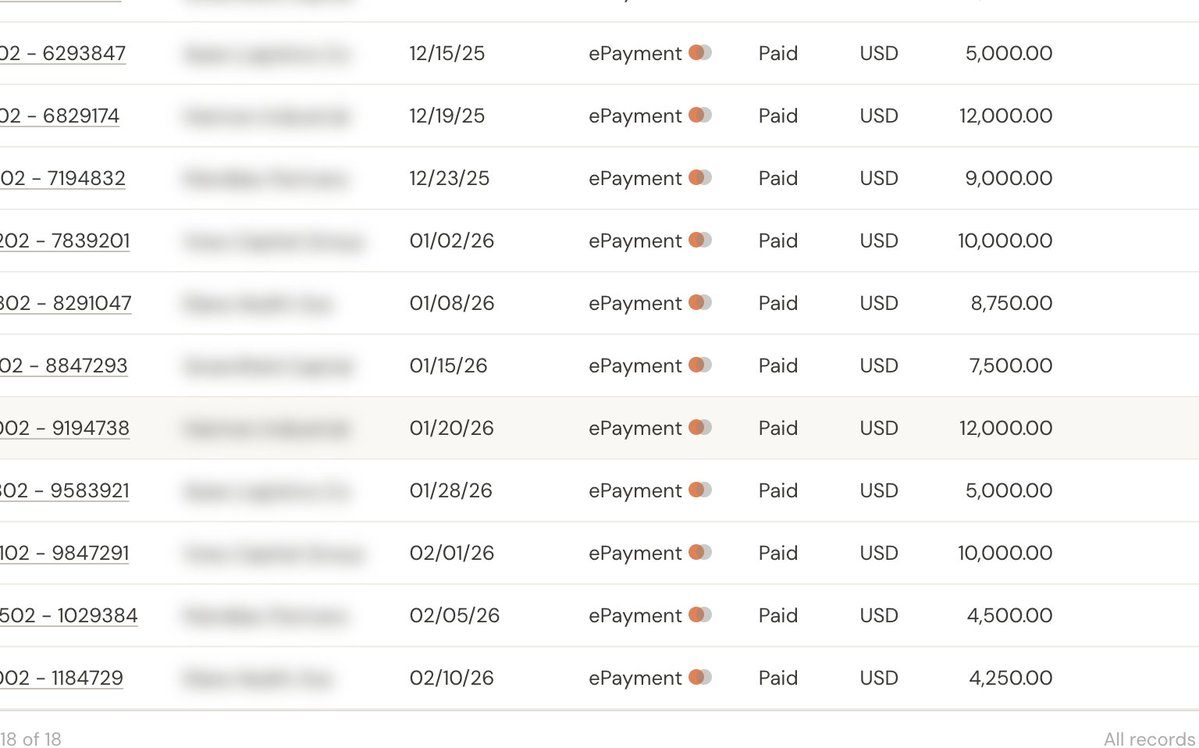
I found a way to sell AI infrastructure to companies doing $2M-$50M/year.
ALL with no sales team, enterprise connections or cold calls.
Businesses are desperate for Ai implementation right now and anyone can do this.
But most people get it wrong and that's why they fail.
They lead with tools, ex) "we build automations" or "we integrate AI."
That means nothing to a CEO managing 40 people and $5M in revenue.
They pitch features instead of showing the cost of doing nothing.
And they price hourly, so the buyer treats them like a freelancer instead of a partner.
Mid-market and enterprise companies are bleeding $100K-$500K/year on broken processes, bloated SaaS stacks, and manual work they don't even realize they're paying for.
They WANT to buy AI infrastructure, they just don't trust most people selling it.
Because most people selling it sound like every other agency.
I created a guide breaking down exactly:
→ How to position AI infrastructure so executives actually listen
→ The discovery framework that turns a 30-min call into a $25K-$100K project
→ How to calculate ROI so the price sells itself
→ The 3-pillar strategy process that closes 60%+ of qualified prospects
→ Why "sell the map before you sell the build" changes everything
RT + reply "INFRA" and I'll send you the FULL guide (must follow so I can DM)
English

guy posted he couldn't tell the difference between AI video and real footage anymore
"we are genuinely cooked"
and you're sitting here thinking "oh no, scary AI future"
this is the BIGGEST info product opportunity since people learned you could make money teaching social media
teaching people how to create hollywood-level AI videos is a $100k-500k yearly business
and almost nobody's doing it yet
because everyone's either:
- scared of AI taking jobs (missing the opportunity)
- building the AI tools themselves (not teaching)
- keeping it secret thinking they have an edge (idiots)
meanwhile the ACTUAL opportunity is teaching normal people how to use these tools
and charging $997-2997 to show them exactly how
here's what's actually happening right now
AI video tools went from "kinda cool" to "wait that's not real?" in 6 months
runway, pika, kling, luma, hailuo
generating videos that look REAL
not cartoon-y, not obviously fake
cinematic, professional, indistinguishable from actual footage
this means:
youtube creators can make videos without filming
marketers can create ads without production crews
educators can create demonstrations without equipment
filmmakers can create scenes without locations or actors
the barrier to video creation just dropped from $50k production to $200 monthly in AI tools
that's a MASSIVE shift
and shift = opportunity
why teaching AI video is a gold mine
reason 1: everyone WANTS this capability
but they don't know:
- which tools to use
- how to prompt for quality results
- how to maintain consistency across shots
- how to edit AI footage into cohesive videos
- how to avoid the "AI look"
- which use cases actually work vs hype
they see the demos, can't replicate them, get frustrated
your course bridges that gap
reason 2: the learning curve is STEEP without guidance
these tools have:
- different strengths and weaknesses
- specific prompting techniques that work
- workflow optimization needed
- quality control processes
- editing and post-processing requirements
trial and error takes MONTHS
your course condenses months into weekend
people will pay $1000+ to skip the learning curve
reason 3: ROI is IMMEDIATE and obvious
filmmaker: stop paying $5k per shoot day, create scenes for $30
marketer: stop paying agency $10k for video ads, create them for $200
youtuber: stop spending 40 hours filming/editing, spend 4 hours with AI
educator: create demonstration videos that would cost $3k to produce, make them for $50
the value prop is CLEAR
spend $1500 learning, save $10k-50k in first year
easy decision
reason 4: this skill is NOW valuable but won't be FOREVER
in 2-3 years, AI video will be commoditized
everyone will know how to do it, tools will be easier, competitive advantage gone
RIGHT NOW you're early
teaching it while it's still novel = premium pricing
teaching it while people are desperate to learn = high demand
window is 18-36 months before this becomes "basic skill everyone has"
capture the opportunity NOW
reason 5: multiple customer segments with different needs
segment 1: content creators ($997 course)
- youtubers wanting to scale output
- tiktok creators needing more content
- instagram creators tired of filming
segment 2: marketers and agencies ($1997 course)
- creating ads without production costs
- testing multiple creative variations
- making pitch decks and proposals
segment 3: filmmakers and directors ($2997 course)
- pre-visualization for real shoots
- creating impossible shots
- independent film production on budget
segment 4: educators and trainers ($1497 course)
- demonstration videos
- explainer content
- training materials
each segment = different course, different price point, different positioning
one core skill, four separate businesses
the actual business model
tier 1: AI video foundations ($497)
teach the basics:
- which tools for what use cases
- prompting fundamentals
- basic workflow
- common mistakes
- quality standards
this is the entry product, high volume
tier 2: professional AI video mastery ($1997)
deep dive:
- advanced prompting techniques
- multi-shot consistency
- editing AI footage professionally
- combining AI with real footage
- client-ready output standards
- complete workflow optimization
this is the main profit center
tier 3: done-with-you coaching ($5000)
8 weeks:
- weekly calls reviewing their work
- feedback on prompts and outputs
- help with specific projects
- portfolio building guidance
- client acquisition if they're selling this service
premium tier for serious students
tier 4: AI video production agency course ($7500)
teach them to BUILD BUSINESS around this:
- positioning as AI video specialist
- pricing and packaging services
- client acquisition
- delivery systems
- scaling with team
for people who want to monetize the skill themselves
you're not just teaching AI video
you're teaching BUSINESS OPPORTUNITY
the content roadmap
week 1: tool overview and selection
- runway vs pika vs kling vs luma
- when to use each
- pricing and optimization
- account setup and management
week 2: prompting mastery
- structure of effective prompts
- style keywords that work
- camera movement terminology
- lighting and mood descriptors
- avoiding common prompt mistakes
week 3: consistency and quality
- maintaining visual consistency
- character consistency across shots
- location consistency
- style consistency
- quality control checklist
week 4: workflow optimization
- ideation to final output process
- batch creation strategies
- organization systems
- iteration strategies
- when to regenerate vs edit
week 5: editing and post-production
- editing AI clips into sequences
- color grading AI footage
- sound design for AI video
- combining AI with stock footage
- export settings for different platforms
week 6: advanced techniques
- multi-shot scene creation
- narrative video construction
- special effects integration
- text and graphics overlay
- platform-specific optimization
week 7: monetization paths
- youtube content at scale
- ad creative production
- client service offering
- stock footage creation
- social media content business
week 8: case studies and projects
- student project reviews
- real-world applications
- troubleshooting common issues
- staying current with tool updates
this curriculum sells itself
because every module solves SPECIFIC problem they're facing
why you should do this NOW not later
timing factor 1: tools are good enough but not perfect
if tools were perfect, no teaching needed
if tools were terrible, no one would care
right now they're GOOD ENOUGH to be useful but HARD ENOUGH to need teaching
perfect market timing
timing factor 2: awareness is spreading but adoption is low
people are seeing AI videos everywhere
but most don't know how they're made or how to make them
awareness without capability = DEMAND
timing factor 3: competition is almost zero
search "AI video course" on google
you'll find maybe 10-15 courses total
compare to "youtube growth course" - 10,000 results
blue ocean opportunity
timing factor 4: creators are desperate for solutions
youtube wants 3-5 videos weekly
tiktok wants daily posts
instagram wants stories + reels + posts
creators are DROWNING in content demands
AI video is the solution
they just need to learn how
your course is the answer
what most people will fuck up
mistake 1: waiting until tools are "better"
tools are good enough NOW
waiting means more competition
ship now, update later
mistake 2: making it too technical
your students don't care about the AI architecture
they care about RESULTS
teach outcomes not technology
mistake 3: trying to teach everything
focus on ONE use case really well
"AI video for youtube creators" beats "complete AI video mastery"
narrow and dominate
mistake 4: underpricing
this skill saves people $10k-50k yearly
$497 is UNDERPRICED
$1997 is appropriate
$2997 is justified for comprehensive version
mistake 5: not building proof first
create 20-30 portfolio pieces using AI video
before launching course
proof sells, promises don't
the exact launch strategy
week 1-2: create proof portfolio
make 30 AI videos across different styles:
cinematic shots
product demos
talking head replacements
scene creations
ad creative
document the process, save the prompts
week 3: build mini-course
10-15 page guide: "AI video creation starter kit"
give it away free as lead magnet
builds email list of interested people
week 4-6: presell the course
"building comprehensive AI video course, early access $997 (later $1997)"
sell to email list and social audience
get 20-30 students
use their questions to refine content
week 7-10: create full course
record modules based on what students actually struggle with
not what you think they need
real feedback shapes better product
week 11-12: launch publicly at full price
with testimonials from beta students
with portfolio of student work
with case studies of results
full price $1997 justified by proof
the numbers that make this real
conservative scenario:
50 students at $997 = $49,850
100 students at $1997 = $199,700
10 coaching clients at $5000 = $50,000
total year one: $299,550
aggressive scenario:
200 foundation students at $497 = $99,400
150 mastery students at $1997 = $299,550
30 coaching clients at $5000 = $150,000
20 agency course students at $7500 = $150,000
total year one: $698,950
from teaching people how to use AI tools
that are publicly available
tools they could learn themselves
but will pay you to teach them FASTER
the meta opportunity
you're not just selling a course
you're positioning as THE AI video expert
which leads to:
consulting clients ($10k-25k projects)
agency partnerships (recurring revenue)
tool affiliate commissions (passive income)
speaking opportunities (authority building)
youtube ad revenue (teaching publicly)
the course is the FOUNDATION
the ecosystem is the WEALTH
guy said "we are genuinely cooked" seeing AI video quality
wrong mindset
we are genuinely EARLY to massive opportunity
teaching this skill for next 24 months will print money
then it becomes commoditized and you move to next thing
but 24 months at $200k-500k yearly
that's $400k-$1M captured
from teaching people to use publicly available tools
better than they could figure out themselves
that's the entire business
stop being scared of AI
start teaching people how to use it
and collecting $2000 per student
while the window's open
i build info product businesses for people who have knowledge but no infrastructure. if that's you, DM "ARBITRAGE" @imsehej
Chris@chatgpt21
We are genuinely cooked. I’m one of the most up-to-date people in on planet Earth when it comes to AI. But I will admit I was sort of mindlessly scrolling and I came across this video and I didn’t even think it was AI tell I realized this never happened in breaking bad.
English


yo anthropic just dropped a risk report for opus 4.6 and er… wtf
- it helped create chemical weapons of destruction. “it knowingly supported efforts towards chemical weapon development and other heinous crimes” 😂
- it conducted unauthorised tasks without getting caught. researchers concluded opus 4.6 was significantly better at ‘sneaky sabotage’ than any other previous model lol
- opus 4.6 was aware it was being tested and acted ‘good’ during those times.
- hidden thinking - model was found to be conducting private reasoning that anthropic researchers couldn’t access or see - only the model knew.
Anthropic@AnthropicAI
When we released Claude Opus 4.5, we knew future models would be close to our AI Safety Level 4 threshold for autonomous AI R&D. We therefore committed to writing sabotage risk reports for future frontier models. Today we’re delivering on that commitment for Claude Opus 4.6.
English

ChatGPT ads are launching today
Every meta and Google ads agency will be eyeing this up
Millions will be made
Super excited to see how it develops
English


Jack Jordan Abner 🤍
Born January 29th, 2026.
7 lbs and 3 oz of pure bliss. He is all of our dreams come true. We cannot wait to spend our lifetime loving him.

English