La Niña is definitely on, according to the US-based Climate Prediction Center. Just in...
“La Niña conditions are present and are expected to persist through February-April 2025 (59% chance), with a transition to ENSO-neutral likely during March-May 2025 (60% chance).”
The Guangdong-Hong Kong-Macao Greater Bay Area is considered a counterpart or rival not only to America’s Silicon Valley on the other side of the Pacific but also to the nearer Tokyo-Yokohama Metropolitan Area.
#ixzz8nHcy77NM" target="_blank" rel="nofollow noopener">business.inquirer.net/482747/chinas-…
EL NIÑO, then LA NIÑA
According to the US-based Climate Prediction Center, there is an 85% chance that El Niño will be gone within the next two and a half months (April-June).
Also, the CPC said there is a 60% chance that La Niña will develop soon after (June-August).
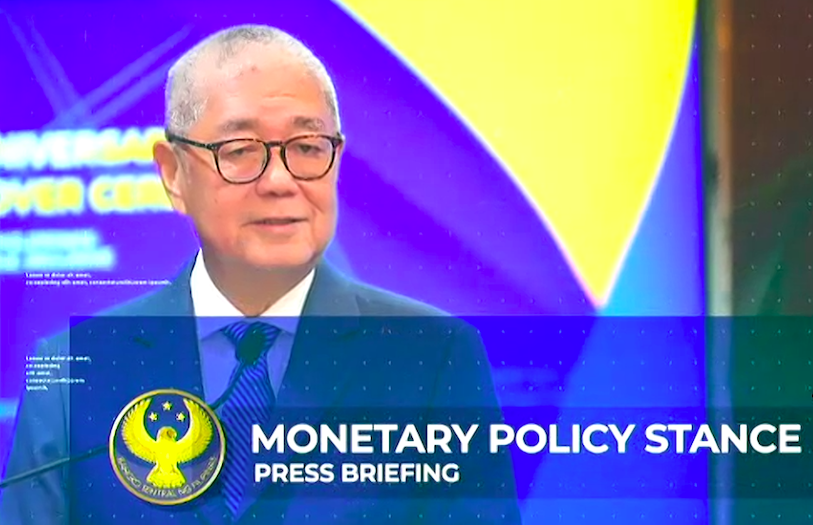
JUST IN: The Monetary Board on Thursday kept the Bangko Sentral ng Pilipinas’ key policy rate at 6.5%, while acknowledging upward pressures from higher transport charges, increased electricity rates and higher oil prices
After three months above the 56:$1 threshold, the Philippine peso-US dollar exchange rate receded below this, closing Monday trading at 55.91:$1 @InquirerBiz
The Philippine national government’s debt stock is still increasing and reached a new high of P14.35 trillion at the end of August, according to the Bureau of the Treasury
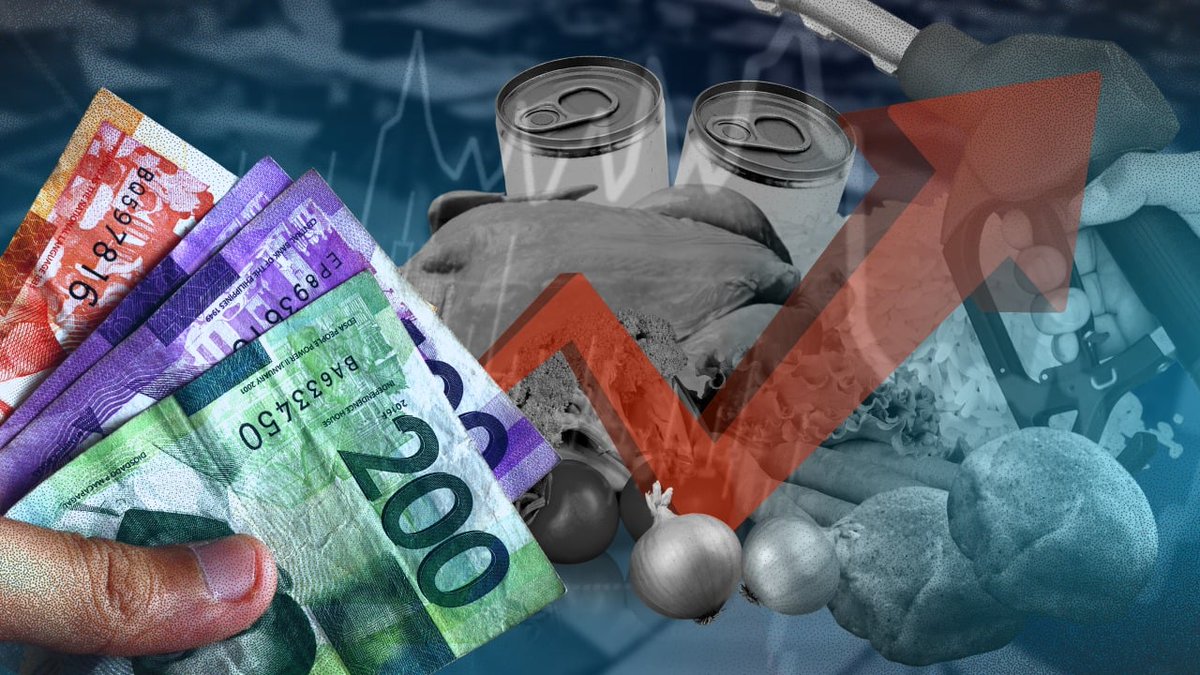
Overall inflation in the Philippines is expected to have revved up some more, to somewhere in the range of 5.3 percent to 6.1 percent in September, from 5.3 percent in August, according to the Bangko Sentral ng Pilipinas
This is the fourth MB policy meeting in a row that the benchmark rate is unchanged — after the ones held in May, June and August — and followed a similar move by the United States Federal Reserve that was announced earlier in the day
The Monetary Board on Thursday continued to keep the Bangko Sentral ng Pilipinas key policy rate at 6.25%, even if noting that the latest baseline projections show a slightly higher inflation path
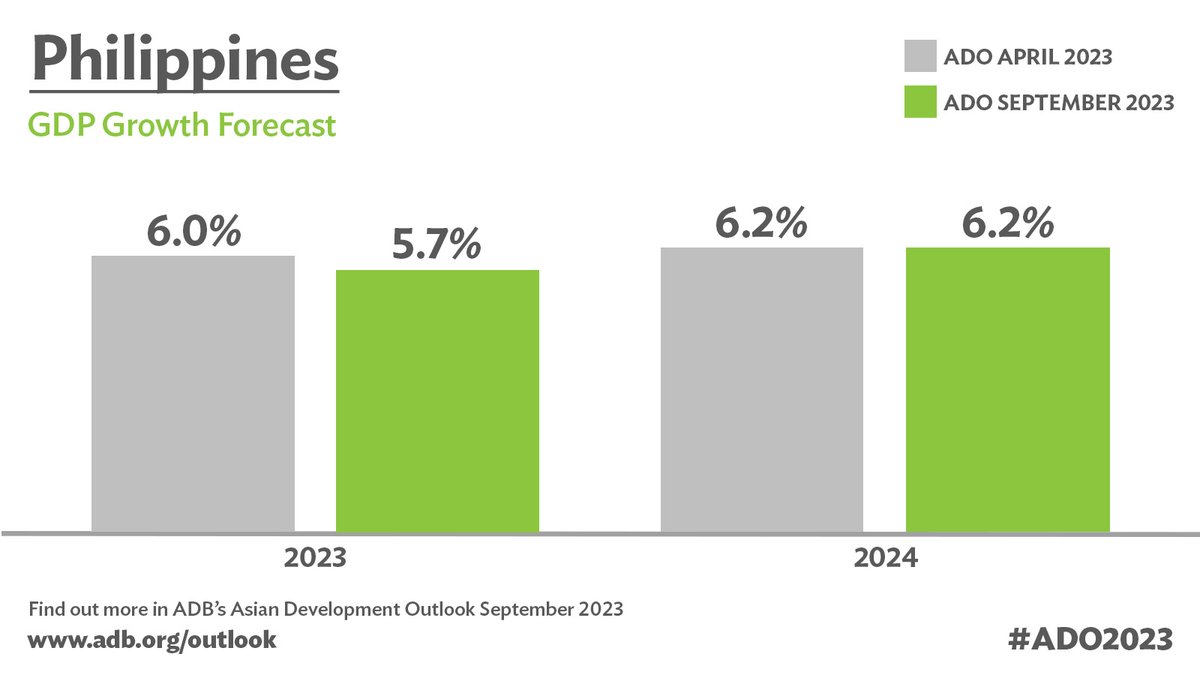
ADB said expansion of the Philippine economy in 2023 will moderate (from 7.6% in 2022) even more than previously expected because of high inflation as well as geopolitical tensions and a sharper-than-expected slowdown in major advanced economies
The Asian Development Bank revised downward its GDP growth forecast for the Philippines to 5.7% in 2023 (from the 6% forecast in April) and maintained a 6.2% outlook for 2024