

Ross MacMathúna
4.3K posts
Ross MacMathúna
@RossMacM
Father, husband, son, runner & kids GAA coach. Views expressed are personal & my own
Katılım Nisan 2012
746 Takip Edilen570 Takipçiler
Mar pháirt de Sheachtain na Gaeilge, rinne daltaí iontacha bhliain a 5 céilí le ranganna na céad bliana. Bhí atmaisféar iontach sa halla agus iad ag múineadh agus ag tabhairt faoi na rincí. Maith sibh ar fad! ☘️


CY
@movementcoachkm We have 55 kids-streamed for training & games - it has worked well-all kids are trained by same coaches; match day we try to have the same head coach with each group to build identity & consistency.Training/playing at right level works for development & we move kids up/down frequently
English
Really interesting stuff around streaming.
Changing up the game program a design along with some streaming and some mixing really needs to be explored.
John Murphy@fhsperformance
Should youth GAA players be grouped by ability? Many clubs use “streaming” — dividing players into A, B or C teams. A recent study explored how players, parents and coaches experience streaming in youth Gaelic games. Here are some of the key findings 🧵
English
@RossMacM It was interview based, not questionnaire so not really a response rate
English
Should youth GAA players be grouped by ability?
Many clubs use “streaming” — dividing players into A, B or C teams.
A recent study explored how players, parents and coaches experience streaming in youth Gaelic games.
Here are some of the key findings 🧵
English

@RossMacM I'm extremely jealous 😂
Dublin City, Ireland 🇮🇪 English
In October 1988, RTÉ relaunched its second channel as Network 2. And depending on who you talk to, they either blessed or inflicted upon us a new magazine show for young people called "Jo Maxi".
And no it wasnt actually spelled "Joe Maxi" like Dublin rhyming slang for a taxi, though I am well aware of the Mandela Effect in my line of travel, trust me!
This show aimed at teenagers aired every weeknight at 6 pm, following the end of kids programming and just before Home and Away. Sigh. Its format wasnt particularlly revolutionary (unless your only source of telly was RTE1) so it was mainly studio links, reports, music, reviews from across the country.
One thing which in hindsight seems very Irish compared to Brit and continental teen shows was the focus on live music and “Gig Guides” and the surprisingly practical job and study advice.
Presenters in the early days included Ray D’Arcy, Clíona Ní Bhuachalla, Geri Lalor, and Antoinette Dawson. To recruit presenters, RTÉ did a public search VHS tapes plus CVs. Adrian Moynes was an early producer. And just like an ill advised but inevitable midlife crisis in 1993, Jo Maxi was "reworked".
Rather than one single magazine show every weekday, the format was split into themed shows on each night. So on Monday there was Brash, an arts review show presented by Niamh Walsh.
Tuesday was a chat show called Hullabullu. Wednesday was the surprisingly useful Get a Life, focused on jobs and study. And a show which would be very advantageous to employable teens today. RTE, call me!
Thursday was Babel, a debate format, with schools debating topics. Neither as interesting or cringe as it sounded. Friday was Plastic Orange, an alternative/pop music, presented by Colin Murnane. This revamp format lasted into 1994, after which Jo Maxi was replaced in the 6 pm weekday slot by Echo Island.
Echo Island began in September 1994, initially with two episodes a week, growing to four (two in English, two in Irish) and ran until June 1999. Its worth celebrating Jo Maxi as an important and admirable showcase for emerging Irish music. Many bands got early television exposure here.
For example, Dublin bands, homegrown acts, sometimes fairly raw, were invited to perform. It acted as one of the few national platforms for youth culture (music, arts, debates) in late 80s/early 90s Ireland.
Buy the Dublin Time Machine a pint and support the DTM Book ko-fi.com/buchanandublin…

Dublin City, Ireland 🇮🇪 English

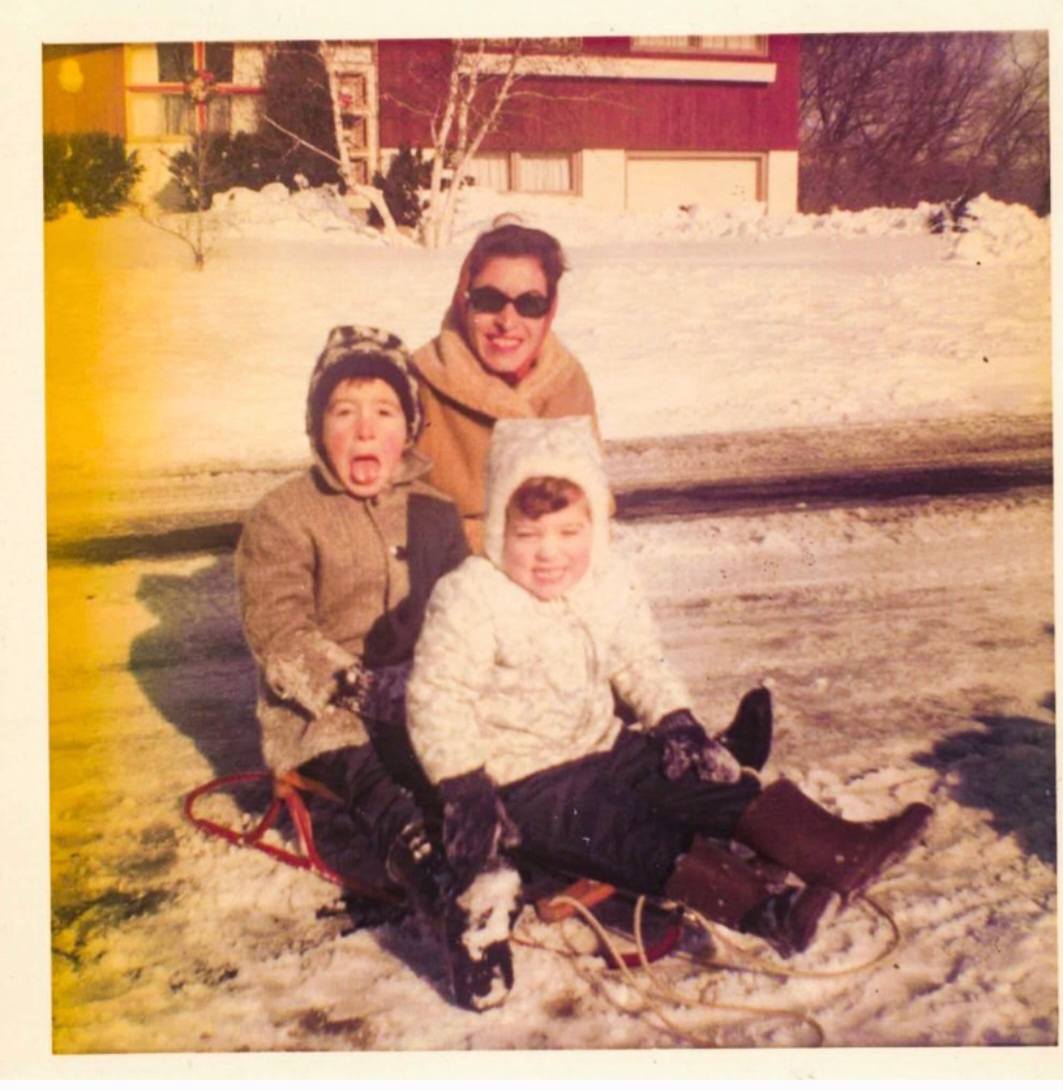
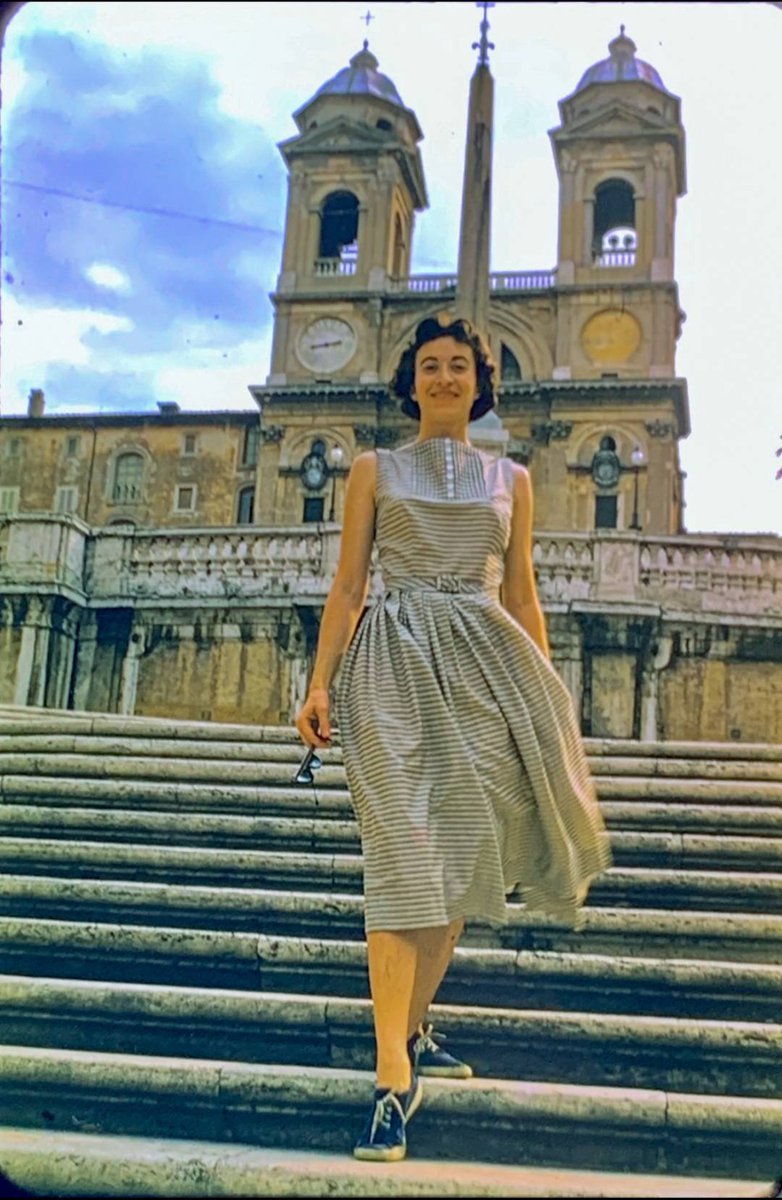
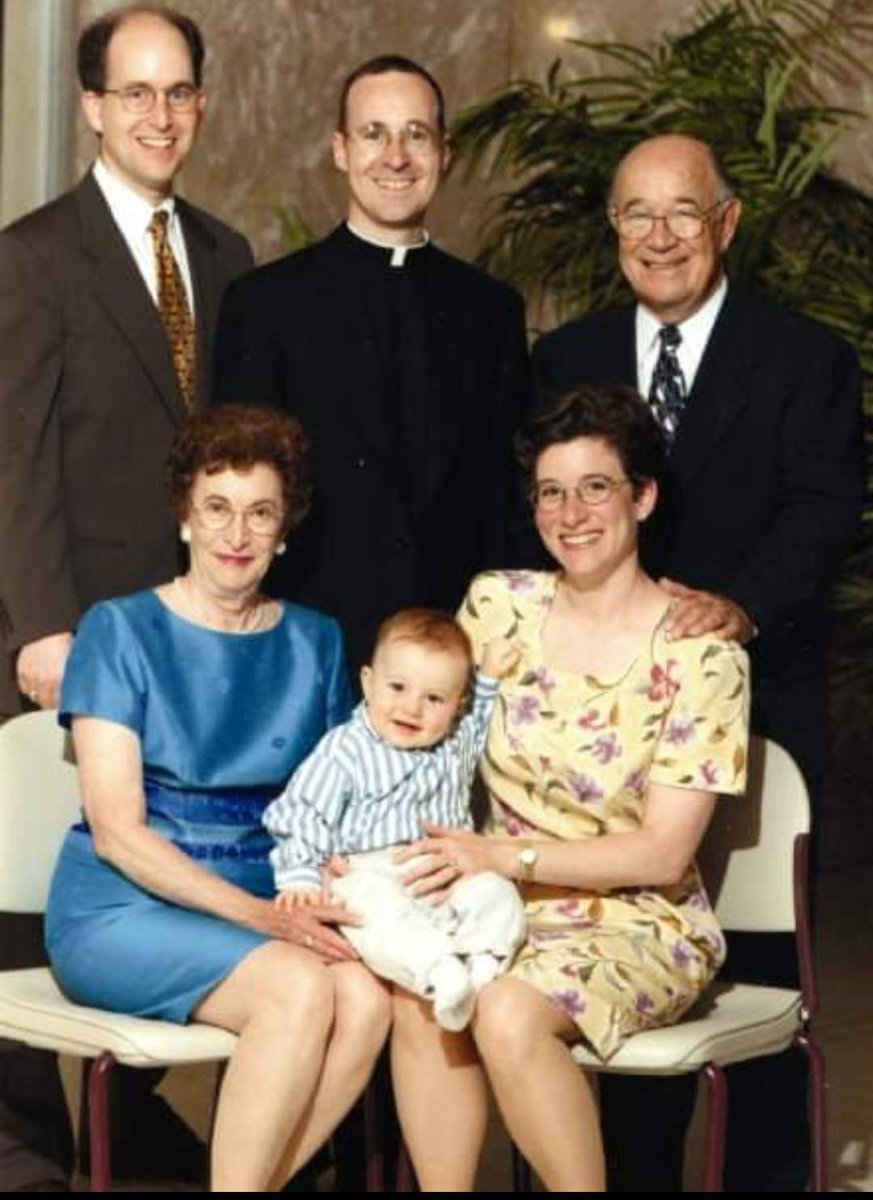
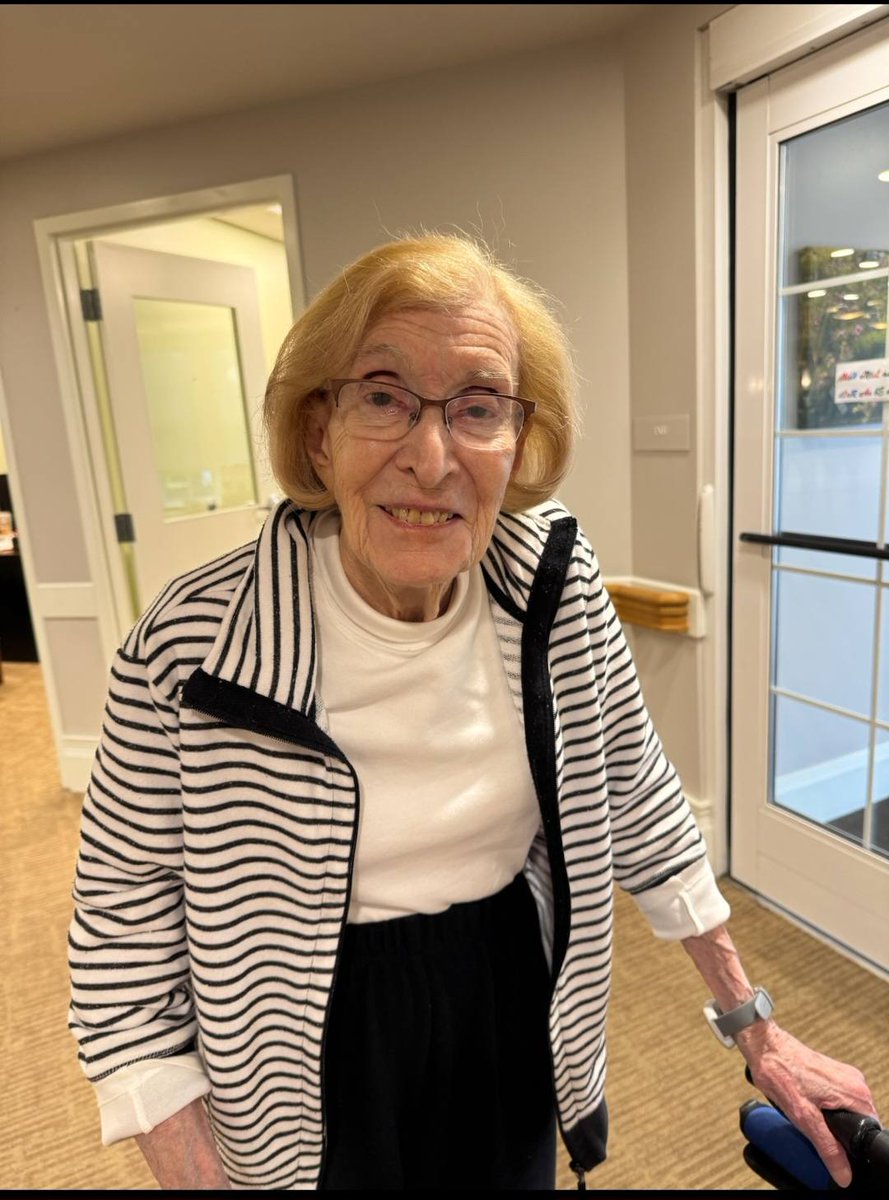
Please pray for the eternal rest of my mother, Eleanor Spano Martin, who died today at 94 in Abington, Pa. She had only recently developed pneumonia which quickly led to her death this afternoon. I can’t express in words what my sister and I are feeling, how grateful I am to God for her long life, how sad the last few days have been, how devastating it was to see her gasp for air this morning and how moving it was to see the hospice nurse rub her lips with a sponge, which made me cry when I thought about Jesus on the Cross.
Today I want to thank my sister Carolyn for being my mom’s selfless and primary caregiver, especially after she was diagnosed with thyroid cancer and then dementia; for Charles for being a wonderful son in law and for Charles and Matthew for being beloved grandsons.
A few days ago, I was terrified I would be stuck in California because of the blizzard, and I called my mom to tell her how I would do everything to get home and she said, through her oxygen mask, “Goody gumdrops.” I thank God I got home early this morning, that a kind Jesuit plowed the car out for me yesterday so that I could drive from New York to Philly at 2 AM, pray the Rosary next to her bed (“now and at the hour of our death”), anoint her with Lourdes water and, most of all, tried to thank her for everything she had done for me: from giving me life, to driving me to school, to teaching me to draw, to baking birthday cakes, to cooking dinners, to encouraging me in my studies, to dealing with the shock of my Jesuit vocation, to being friends with all my friends, to being the biggest fan of anything I wrote or said or did. She wasn’t perfect but she was my mom in every way.
The other day the First Reading was how God’s word goes out, does its work and returns to God. I kept thinking about my mom when we read it during a Mass at a friend’s house in California, especially since I was desperate to get home. Today, I kept looking at her frail body that had been through so much in the last few years—cancer, dementia, frequent falls, stitches—and saw how spent it was after it had done what God had asked it to do
Nothing I could write could describe my unbelievable sadness or my deep gratitude at being with her in her last moments, as she was with me in my first moments. It would take dozens of books.
Mom, I wish you sky-blue-pink days with your beloved mother and father, your brothers Larry and Louis, my dad, and all those who loved and knew you. Please pray for me and Carolyn. Saying goodbye to you today, and hugging you goodbye, was almost impossible, but I know we will see each other in the fullness of time. Love you, Mom.
English
Thanks for all the positive feedback I have gotten from this including Michael’s advice but I am very lucky to have very open gym instructors who are very open and I trust them #dmovement #Dingle
Michael Corcoran@MichaelC_RTE
Fantastic to hear @Evanis keep taking positive steps 💪
English
@PlayerGaelic We are playing 15v15 at under 13 in Dublin with full size pitches and adult rules - doesn’t make much sense
English

@RossMacM I’m an advocate of SSGs, with careful planning. Many are on pitches that are set up too small for representative play.
With regard to 15v15, the proposal only begins at U14.
English
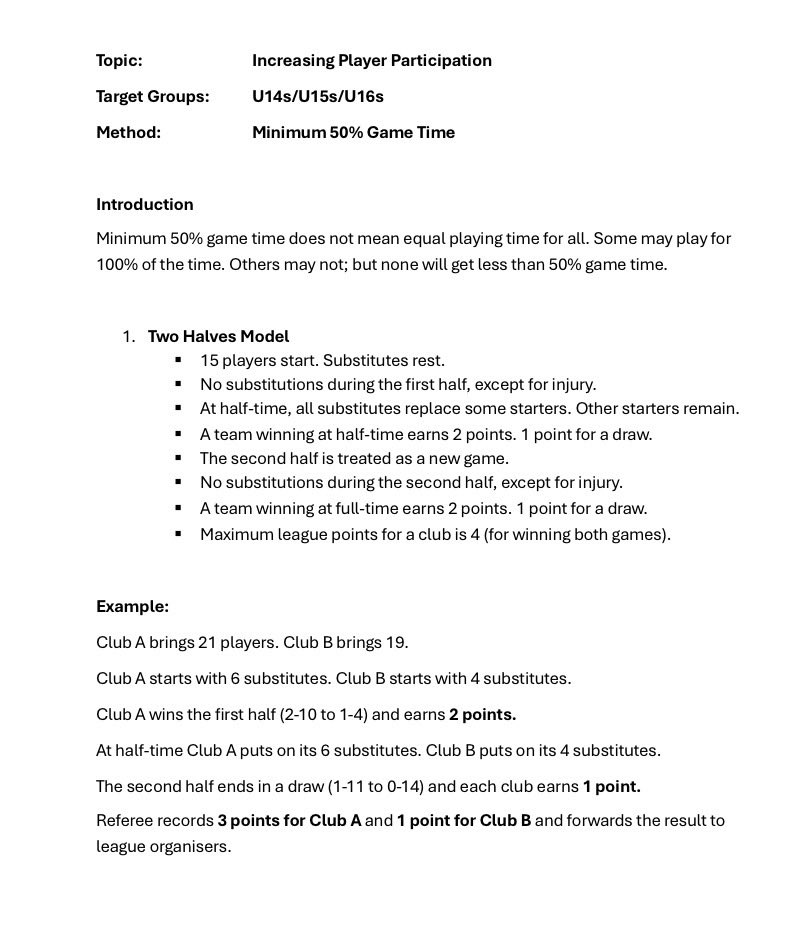
A draft:
Agree, disagree, edit…..but don’t moan!
English
Incredible stuff from Barry McNulty, Leitrim and Glencar Manor
Tommy Rooney@TomasORuanaidh
Ah lads, Barry McNulty’s six two pointers in a half of football, are finally here from Leitrim’s comeback win against London. 🔥 Five off the left, one with the right. Five from play, but the final one is a free from about 60 metres out. 🎥 @LeitrimGAA
English
@KeithMillsD7 @Kildareman2 @businessposthq That’s not the case Keith; there are 2 different things - the standard required to draw down EU payments -separate & different from the BordBia QA standards. These are higher standards -supposed to give an advantage to Irish produce & Irish farmers would receive a bonus for them
English
@Kildareman2 @businessposthq The standards are set by the EU.
English

Lucinda Creighton: Caving in to fearmongering from farmers is against the national interest businesspost.ie/analysis-opini…
English
Ross MacMathúna retweetledi

It’s time for #MatchDaySorted 🥳
📷 Follow & RT for a chance to win:
2x Tickets to Ireland v Italy match on February 14th in AVIVA
4x Pints of @Heineken_IE
2x Match Day Burger
Winner announced on Friday, February 13th!
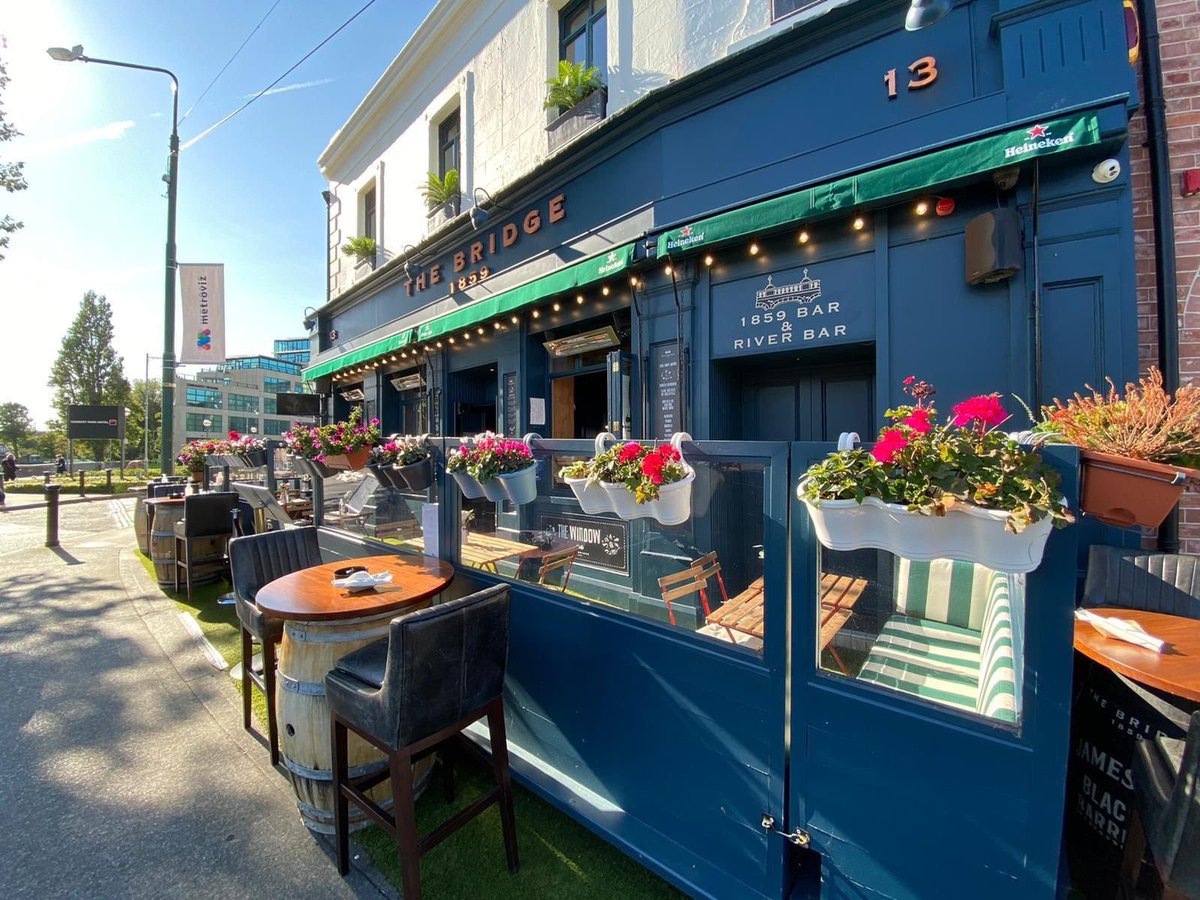
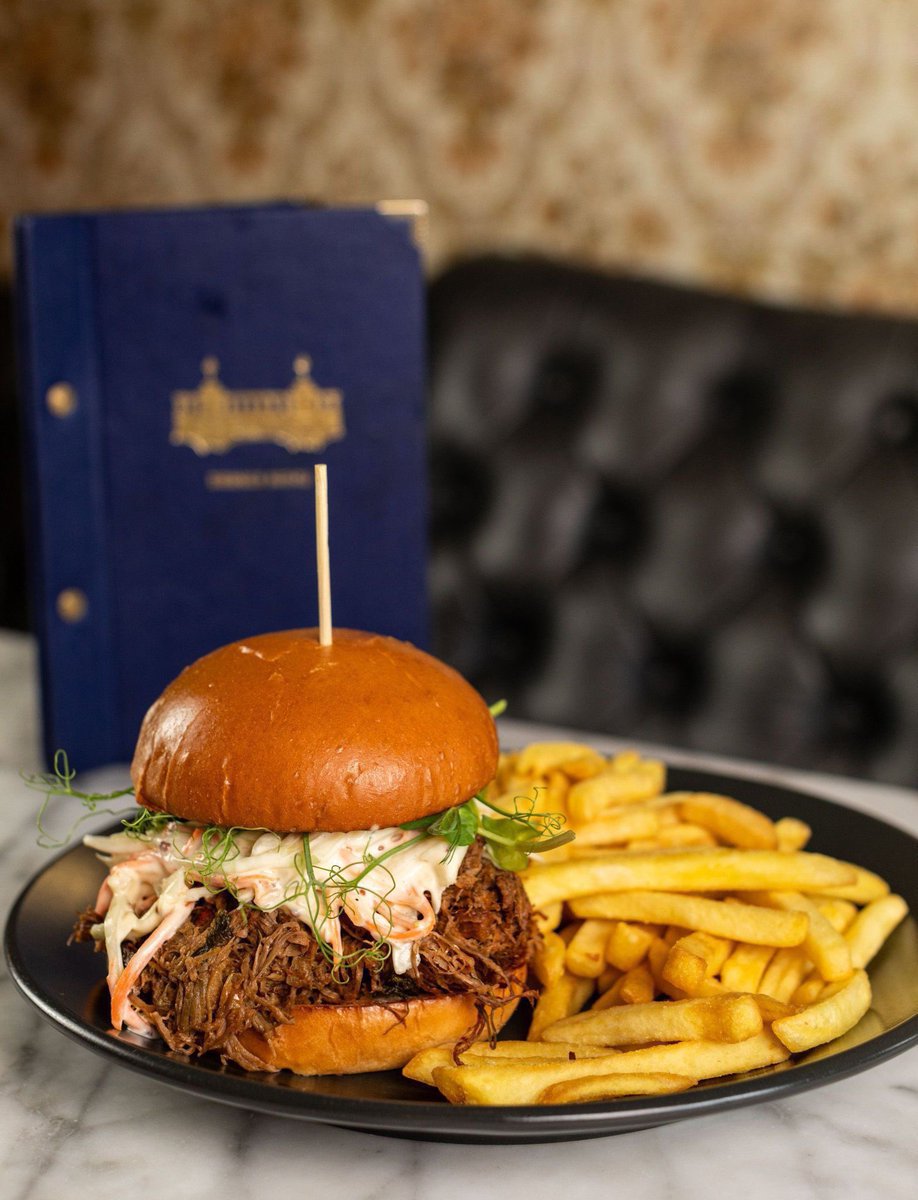
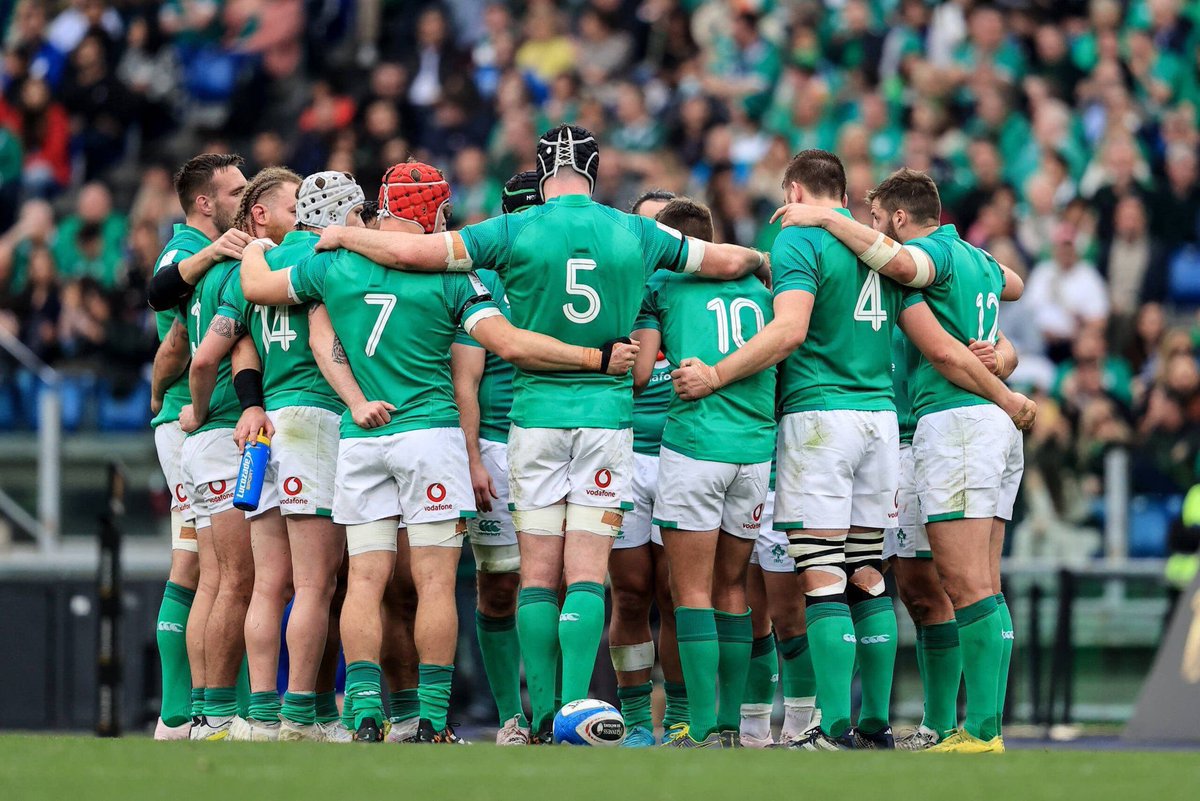

English
@RobLooseCannon I was just discussing this with my young lad in the car this evening as we sat at the traffic lights outside #themorgue in Templeogue - your explanation adds more to the falling under the tram story that I told him
English
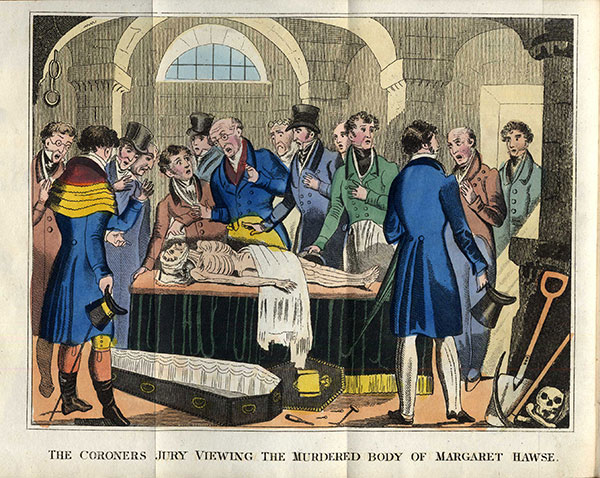
Dublin pubs functioned as morgues right up until the 20th century. This was the days before refrigerated mortuaries in hospitals or municipal body storage. And it was the law. Under the Coroner’s Act of 1846 any body found dead in suspicious, accidental, or unexplained circumstances had to be viewed by a coroner and jury before burial.
If there was no designated morgue nearby, and in most towns there was not, the body was to be brought to the nearest “suitable” building. The coldest and reasonably sterile place in almost any town was the pub cellar.
Stone-lined, underground, and designed to keep beer cool year-round. They were the logical place to slow decomposition better than any back room or cottage parlour. And publicans were legally obliged to accept the body. Refusal resulted in a fine of two pounds, a serious financial penalty at the time.
Second, publice houses had the space and access. Pubs had large rooms where juries could gather, witnesses could be examined, and the body could be formally viewed. Inquests were public affairs, and the pub was already the most public room in Ireland. The law didnt changed until the Coroners Act of 1962.
In a city like Dublin, with its docks and canals and beaches death by water was a sad reality. Drownings in the Liffey and Royal Canal, industrial accidents, market injuries and the inevitable sudden deaths in overcrowded tenements housing all required swift legal attention. Several pubs in particular became closely associated with this grim duty.
One was Hedigans, the Brian Boru in Glasnevin. Its proximity to the cemetery made it an obvious stopping point for bodies recovered from the Royal Canal or brought late for burial when cemetery gates were closed.
A more obvious place that needs no introduction was John Kavanagh’s, the Gravediggers. It functioned as a meeting place for coroners’ juries in the mid-nineteenth century.
Bodies found in the northern suburbs, particularly around Drumcondra and Phibsborough, were sometimes brought here for viewing before inquest.
A less talked about one is The City Arms on Prussia Street. Near the old Dublin Cattle Market and the dense working-class streets of Stoneybatter, the City Arms was well positioned for tragedy.
Market accidents were common, and the nearby North Union Workhouse generated a steady stream of unclaimed or unidentified dead. Contemporary accounts and coroner’s practices show the City Arms was routinely used to hold bodies awaiting identification or formal proceedings.
The practice reached its peak during the Easter Rising of 1916. With streets sealed off and turned in to warzones and hospitals overwhelmed, formal morgues were inaccessible. Bodies piled up across the city.
In the aftermath of the fighting, pubs near the GPO, North King Street, and other flashpoints were pressed into service as makeshift mortuaries. Civilians and combatants alike lay in back rooms and cellars until burials could be organised.
Republic of Slovenia 🇸🇮 English
@AnMailleach @OldeEire One also sold for 1.2m in December -
Having lived there for 10 years I suspect the 1.2m version is akin to what was in the ad whereas the other one is a much smaller offering albeit in the same estate
English

@OldeEire One sold in September for €425k, which is much less than I’d expected property inflation to be.

English

#StBrigidsday bank holiday is my favourite public holiday- it comes at an ideal time just when you need it- bookending the toughest month of the year
English
This is very cool 👇
Dudes Posting Their W’s@DudespostingWs
This is how James Bond inspired Linkin Park’s “Faint”
English
@RobLooseCannon I was there with the family maybe 18 months ago- great fun- open air bbq- everyone wet, mucky and exhilarated. Simple stuff but a cherished memory
English
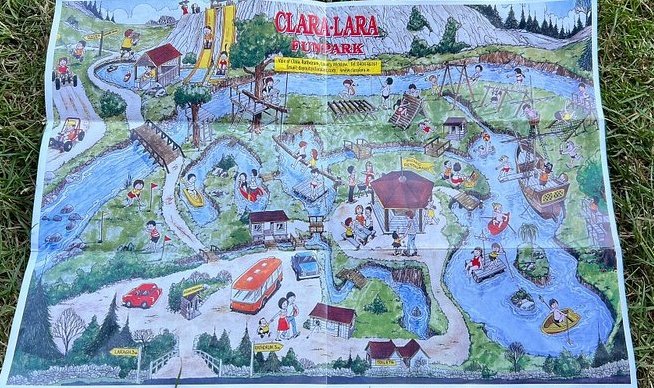
Clara Lara Funpark was a famous destination for families for decades near Laragh in Wicklow Mountains. Depending on the time of year it was either a sunny chilly muddy river playground with cold river water, rope bridges or a freezing gulag with the above attractions. And I bleedin loved it.
Clara Lara opened in 1983, founded by Peter Morphew as the Clara-Lara Trout Farm and Funpark. Named after the Vale of Clara and nearby Laragh, Morphew insisted it be “as far removed from Disneyland as possible,” and in fairness he wasnt lying. Clara Lara Funpark was "rustic and rural" all wood and mucky water and no concrete. And obviously open air....in Ireland.
From its original fourteen acres to its later expansion along the Avonmore River, Clara Lara’s attractions were what youd see on an episode of Irelands Fittest Family. All rope bridges, tarzan swings, obstacle courses and rowing boats.
But it was the Aqua Shuttle water slide, once billed as the largest in Ireland, which traumatised and delighted generations of kids by flinging them through the air in to the shockingly cold water with glee.
By the 1990s Dublin school tours and birthday parties and tenants assocaition trips made Clara Laraa rite of passage. But jaysus the weather. The park’s total dependence on weather decided whether kids got a case of sunburn or pneumonia with their broken arm and stomach bug.
Whimsical rose tinted glasses there was very real injuries and tragedies. In 1995, a girl injured at the park was awarded £10,000 in damages she never received when it emerged the park reportedly had no insurance! In 2003, Morphew was convicted of possession of child pornography and resigned as a director. So thats horrific.
Today, Clara Lara Funpark operates seasonally, and besides legally compliyng with modern health and safety considerations and insurance its largely unchanged. If only me own middle aged carcass wasnt equally unchanged too, Id be out there again having the craic.
Dublin City, Ireland 🇮🇪 English