
SMM
2.7K posts



You can see the engines intentionally initiate the spin before the seconds before the 2nd engine shuts down
SpaceX@SpaceX
Starship flip and landing burn at the end of its twelfth flight test
English
SMM retweetledi
@amenya_nelson Sensible question for a concerned citizen but the gov just does what it feels like.
English

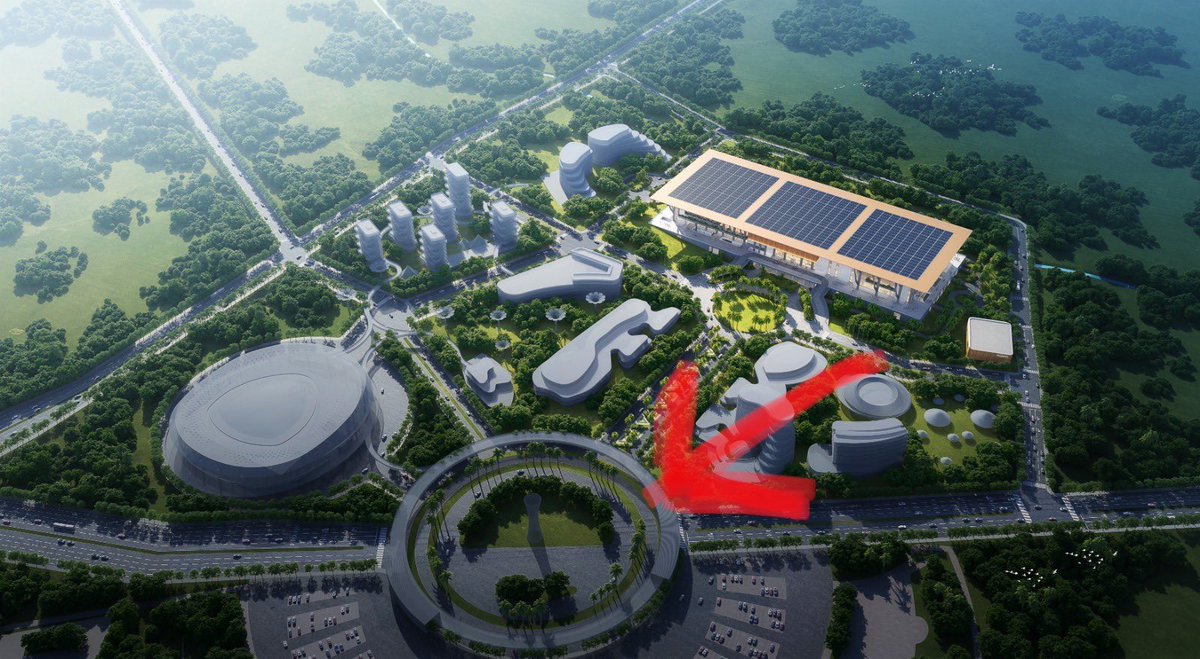
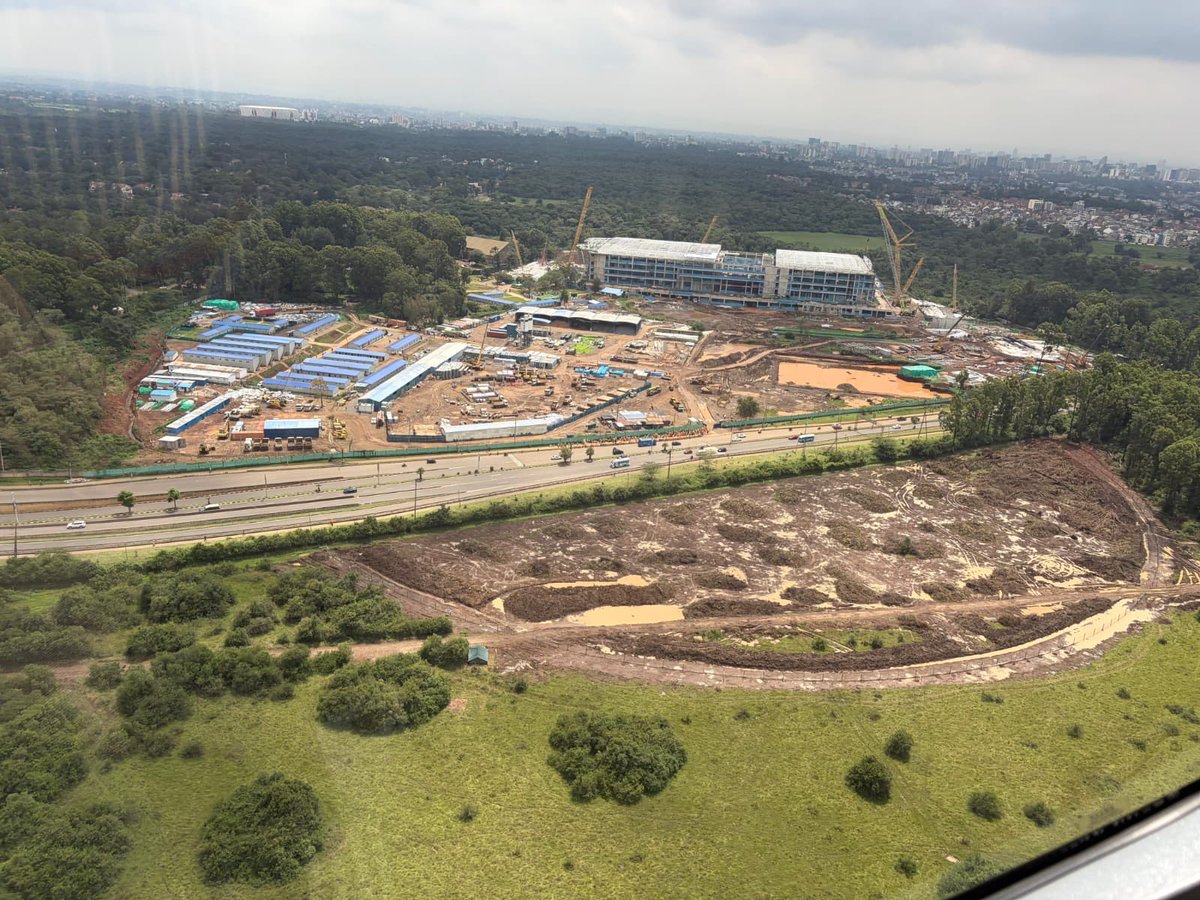

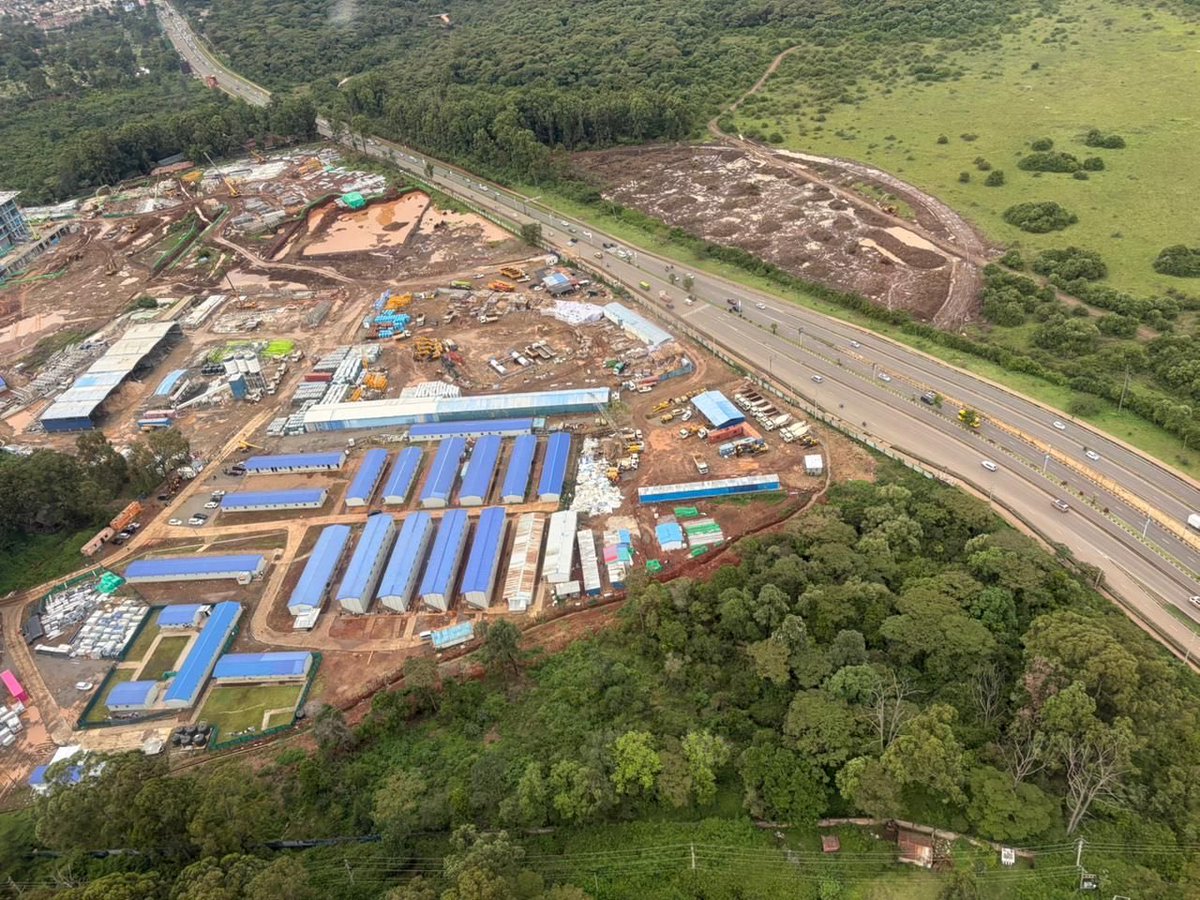
@wholemars Curious how far ahead FSD would be if it used codex or claude.
English

SMM retweetledi
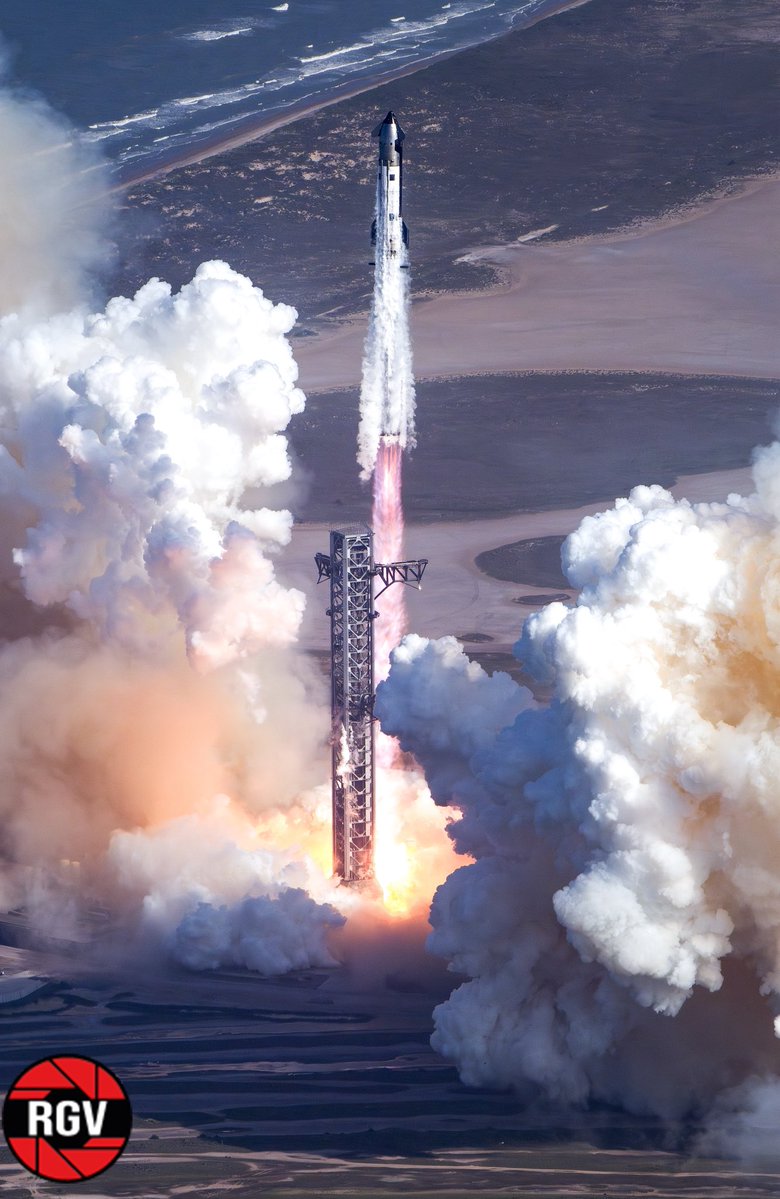
This is probably the best look at the shockwaves I’ve seen from the latest Starship flight.
Captured from a GoPro I clamped onto a proper camera to record simultaneous video. (I’ll show you the photo the better camera took in the reply)
English
SMM retweetledi
SMM retweetledi



SMM retweetledi


SMM retweetledi

SMM retweetledi
SMM retweetledi
SMM retweetledi
SMM retweetledi
Counting down to our second launch attempt, the 90-minute test window opens at 5:30 p.m. CT with live coverage starting ~30 minutes before liftoff. Weather is currently 85% favorable for flight → spacex.com/launches/stars…
English


why is everything netflix creates always in this specific shade of grey greenish blue
DiscussingFilm@DiscussingFilm
First look at Wan Shi Tong in ‘AVATAR: THE LAST AIRBENDER’ Season 2.
English
SMM retweetledi
Fram2’s Mission Commander @satofishi is set to fly aboard Starship’s first interplanetary human spaceflight mission → #first-starship-interplanetary-mission" target="_blank" rel="nofollow noopener">spacex.com/updates#first-…
English
SMM retweetledi

There’s a lot of space in space. It’s in the name. But as the number of satellites in orbit continues to grow, safety will continue to be a top priority to ensure space stays open for as many people as possible → starlink.com/space-safety
English
SMM retweetledi

The coolest "silo" in Eastern WA... is a Stage 1 rocket structure.🤘
Enjoy this footage of all the testing happening in Moses Lake, from structural qualification to engine hot fires.
English

