SDREX0
19.5K posts



SDREX0 retweetledi

SDREX0 retweetledi


SDREX0 retweetledi

SDREX0 retweetledi

SDREX0 retweetledi

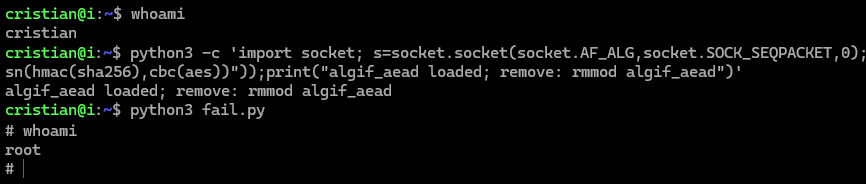
🚨🚨🚨UFFF!!! A parchear (casi) todas las distros o desactivar el módulo.
blog.segu-info.com.ar/2026/04/copy-f…
Español
SDREX0 retweetledi


SDREX0 retweetledi

SDREX0 retweetledi
SDREX0 retweetledi

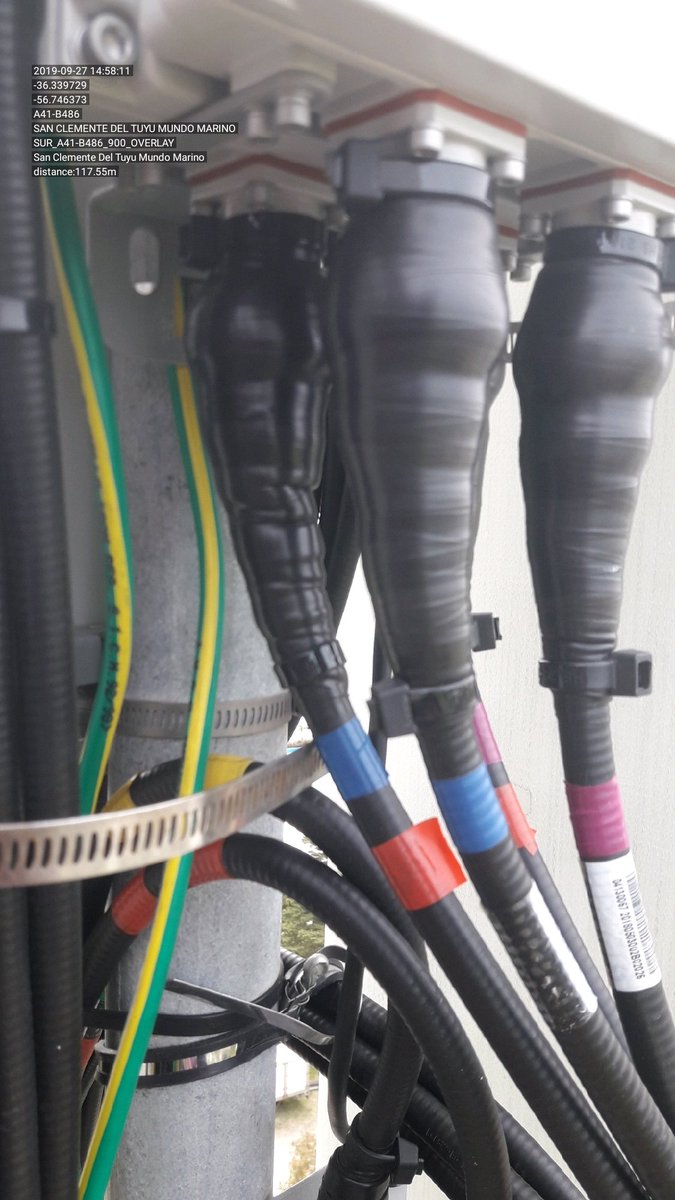
ColdShrink (vulcanizado en frío coloquialmente). Funciona, pero a la hora de reemplazar sobre el vulcanizado tradicional de conectores tiene una falencia, se tiene que desenroscar el Jumper así que no sirve para reemplazos en "caliente".. funciona si, estéticamente ok, Si.
Español
SDREX0 retweetledi


SDREX0 retweetledi
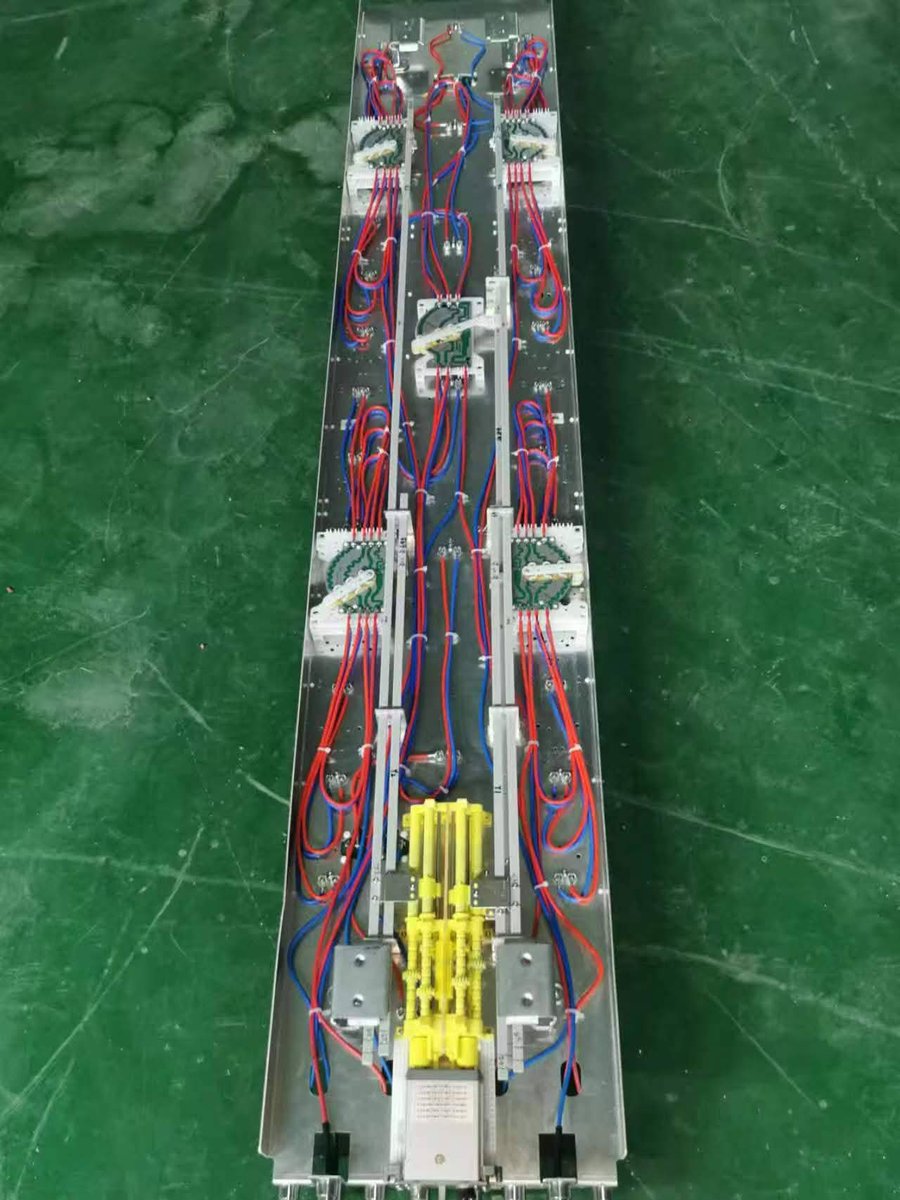
Cómo se ve un Panel por dentro?
De frente se ve la cara que "habla" con los teléfonos móviles.
Dipolos (Los elementos verdes y blancos): Esos componentes en forma de cruz o X (llamados dipolos de banda ancha) son los encargados de convertir la electricidad en ondas de radio. Están dispuestos en una configuración de doble polarización (generalmente a +45^{\circ} y -45^{\circ}), lo que ayuda a que la señal sea más estable y soporte más datos (tecnología MIMO).
Plano de tierra: La placa metálica de fondo (aluminio) sirve como reflector para dirigir toda la energía hacia adelante y evitar que la señal se pierda hacia atrás.
En la parte de atrás se ve la distribución de la señal.
Cableado de RF (Cables rojos y azules): Son cables coaxiales de alta precisión que transportan la señal de radiofrecuencia desde los conectores de entrada hasta cada grupo de dipolos.
Cambiadores de fase (Phase Shifters): Se observan varias piezas blancas con mecanismos internos. Estos permiten el "Remote Electrical Tilt" (RET).
Motor RET (La pieza amarilla y gris abajo): Ese pequeño motor permite que los ingenieros, de forma remota y sin subir a la torre, inclinen el haz de la antena hacia arriba o hacia abajo para optimizar la cobertura de la celda.
Divisores de potencia: Las pequeñas placas de circuito impreso (PCB) que distribuyen la señal equitativamente entre los diferentes elementos radiantes.


Español
SDREX0 retweetledi

Noctua publica archivos CAD 3D gratuitos para sus ventiladores y accesorios mejor valorados
blog.elhacker.net/2026/04/noctua…
Español
SDREX0 retweetledi

SDREX0 retweetledi


SDREX0 retweetledi

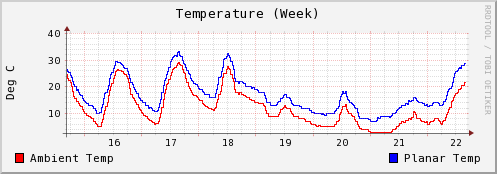
Just about 17 years ago, a couple coworkers and I decided to put a decommissioned Dell PowerEdge 2650 on the roof. Why? Because we were curious, and it was to become scrap metal. We did absolutely nothing to weatherproof it, beyond setting it on two bricks, facing it away from the prevailing wind, putting a drip loop in the cabling, and using fiber networking so we wouldn't fry anything if it got zapped. Ran Linux, plotting its own sensor data via ipmitool, and presenting it via a web page served from the box itself. We put load on it using SETI@Home. It ran for about two months up there, even surviving 6" of snow, until a really gnarly thunderstorm drove water into the SCSI backplane and it shorted out. Continued running for a few more weeks, though, until not being able to write to disk was finally too much. Did not come back from a power cycle. Its hostname was Tevye, of course.

English
SDREX0 retweetledi

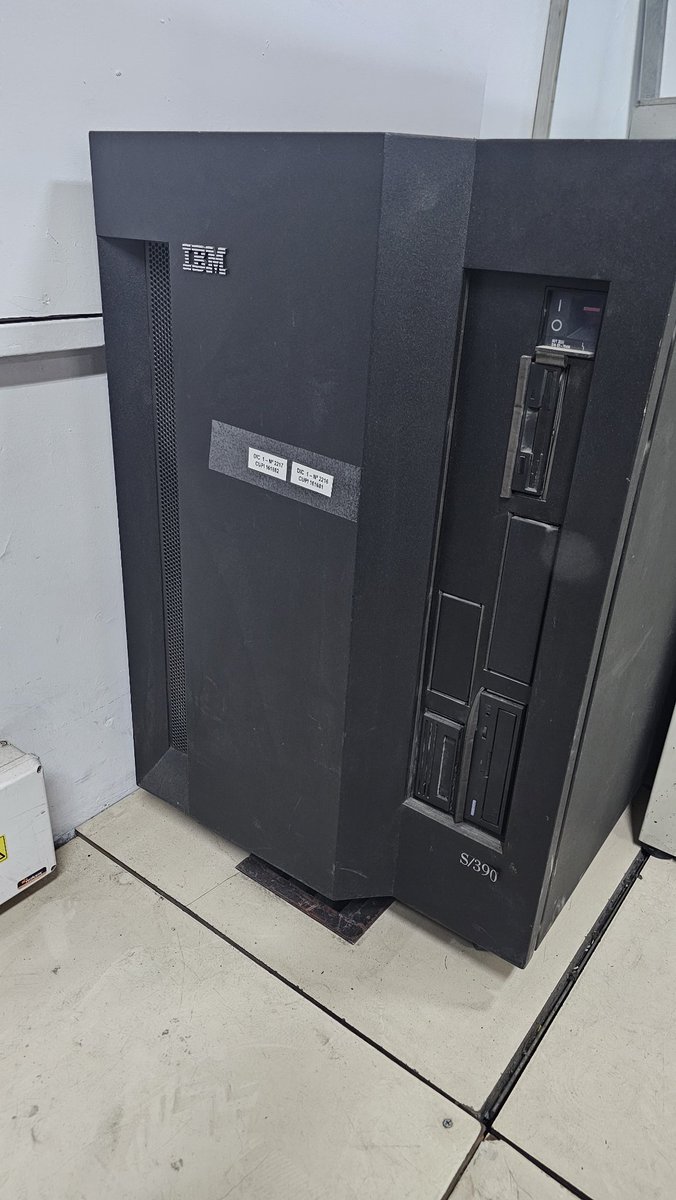
REGLA NÚMERO 1 DE LA INFORMÁTICA.
"Si funciona, NO LO TOQUES"
Español
SDREX0 retweetledi

SDREX0 retweetledi

Hacker’s intro to maritime cybersecurity: AIS communication protocol, tech details, & security flaws. 🛳️🛰️🚢၊၊||၊👩🏻💻
More details:
LinkedIn: linkedin.com/posts/dlaskov_…
Substack: it4sec.substack.com/p/hackers-intr…

English
SDREX0 retweetledi