Sanfranciscobroker

927 posts

Sanfranciscobroker banner
Sanfranciscobroker

Sanfranciscobroker

@SFdealmaker

SF Commercial & Residential Specialist — Unlocking off-market deals & luxury gems in the Bay. DM for intel & exclusives. FOLLOW ME. DRE: 018896394 🏡 💼

San Francisco, CA Katılım Temmuz 2024
231 Takip Edilen50 Takipçiler
Sabitlenmiş Tweet
Sanfranciscobroker
Sanfranciscobroker@SFdealmaker·
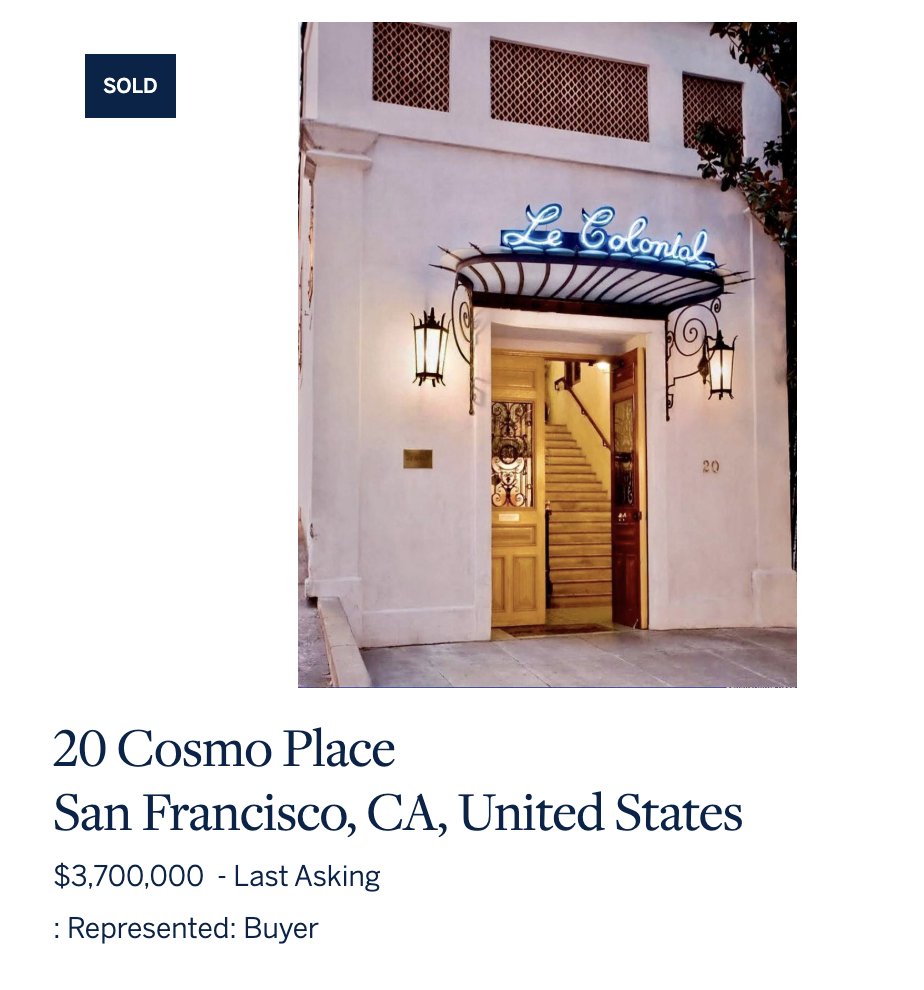
Proud of my production record over the last 15 years. Some very special transactions include: -Negotiating the purchase of 40 Cosmo Place in San Francisco—the iconic commercial building that housed the legendary Le Colonial. -The record-breaking sale of 667 Howard, a commercial property across from SFMOMA. -The hard-fought sale of 570-580 Bush, a Union Square multi-unit building over retail, secured after a grueling, multi-round campaign that tested every strategy. -Acquiring the Presidio Heights mansion at 3878 Jackson for $500K below asking. -Closing the 10-day sale of a San Francisco single-family home at 40 Dorchester Way above asking. -Outmaneuvering an all-cash offer with a financed bid to secure the coveted property at 1479 Oak Rim Drive in Hillsborough. Thank you to my clients, many of whom have become lifelong friends, for entrusting me with your commercial and residential projects. Follow and reach out. I’m here to help. #SFRealEstate #BayAreaDeals #LuxuryHomes #commercialrealestate
Sanfranciscobroker tweet mediaSanfranciscobroker tweet mediaSanfranciscobroker tweet mediaSanfranciscobroker tweet media
English
1
1
4
865
Sanfranciscobroker
Sanfranciscobroker@SFdealmaker·
San Francisco Office Leasing Surge – But Mostly Outside Downtown. As mentioned in previous posts, it will extend to Downtown and the safer and cleaner San Francisco gets the faster the recovery San Francisco’s office market is showing strong signs of recovery in early 2026, with a significant surge in leasing activity driven largely by neighborhoods rather than the traditional downtown core (Financial District).Key Highlights:Net absorption reached 1.6 million sq ft in Q1 2026, while gross leasing is on pace for nearly 3 million sq ft — the strongest quarterly figure since before the pandemic. Citywide vacancy rate dropped to 32.6% (from 34.4% in Q4 2025), and availability fell to 31.7% (from 34.2%). Shift in Demand:The traditional pattern has reversed. Before the pandemic, demand started in the core Financial District and spilled into surrounding neighborhoods when space tightened. Now, neighborhoods are driving demand and “pushing into” downtown.Top-performing neighborhoods in 2025 (by % of office stock absorbed by new leases):Jackson Square: 19% Mission Bay: 15.7% Showplace Square: 10% In comparison:South Financial District: 9.7% North Financial District: 7.9% Mission Bay stands out with very low availability (just 8.5% in Q1 2026).Why the Shift?Companies (especially tech and AI startups) now prioritize locations closer to where their San Francisco-based employees actually live, rather than focusing on East Bay commuters via BART. Founders value being in San Francisco — seen as the epicenter of the AI boom — to attract and retain talent. AI companies currently occupy 7 million sq ft in the city, supported by massive venture capital inflow ($151 billion in the quarter). Bottom Line:While downtown (Financial District) continues to lag, office demand in adjacent and emerging neighborhoods is helping improve the overall market. The preference for “presence” in San Francisco, particularly for AI-driven companies, is fueling this neighborhood-led recovery. Demand for S.F. office space surges near but not in downtown - San Francisco Business Times bizjournals.com/sanfrancisco/n… via @SFBusinessTimes #SFRealEstate #BayAreaDeals #LuxuryHomes #commercialrealestate
English
0
0
0
9
Sanfranciscobroker
Sanfranciscobroker@SFdealmaker·
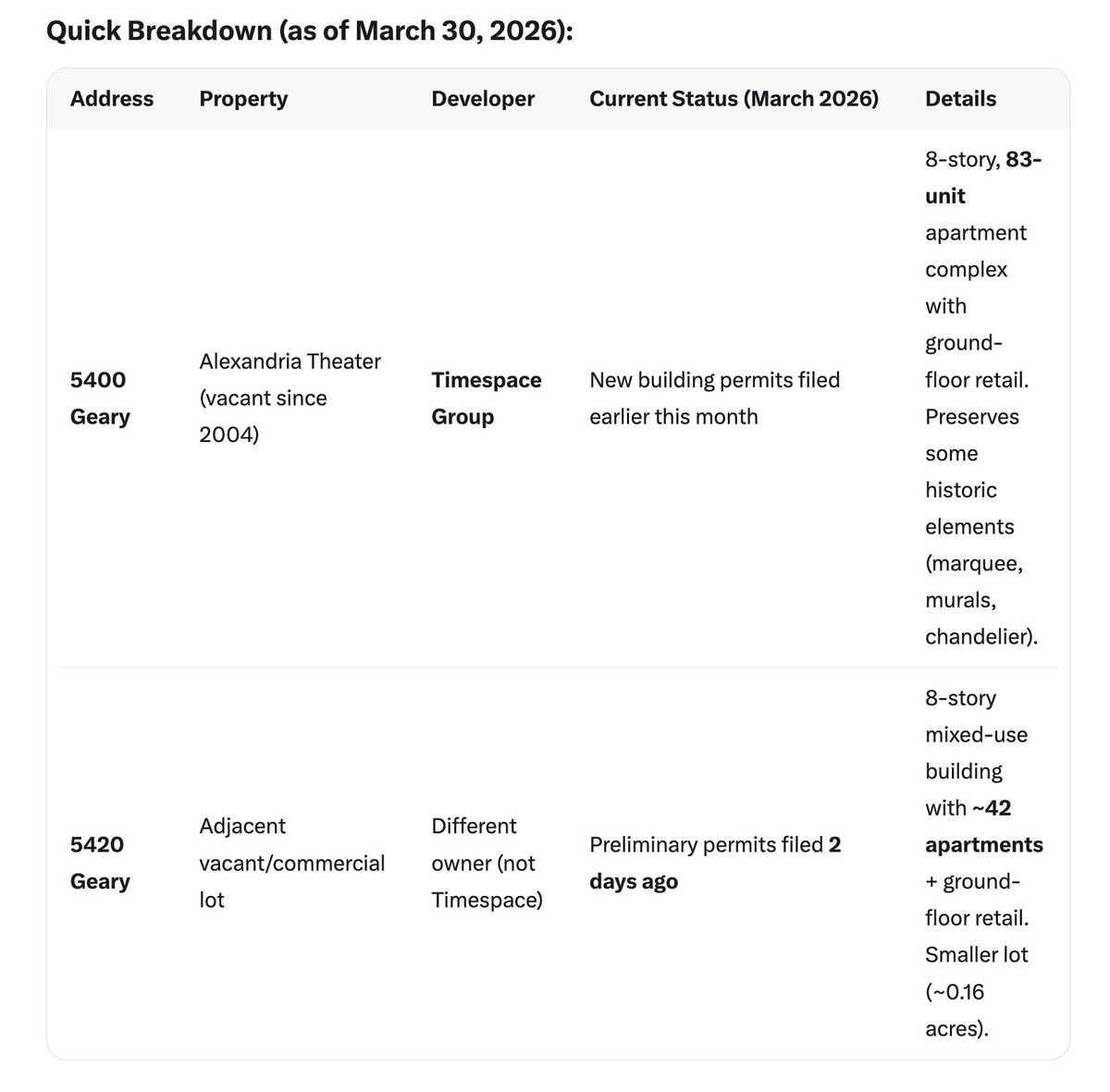
Permits were filed for two projects next to each other and not to be confused with each other: 5420 Geary is different from the Alexandria Theater (which is at 5400 Geary Blvd).They are adjacent properties — literally next door to each other on Geary Boulevard between 18th and 19th Avenue in San Francisco’s Inner Richmond District. This is a very active redevelopment zone right now — two neighboring housing projects moving forward simultaneously. Both sites are being redeveloped at roughly the same time into similar 8-story housing + retail projects, which will significantly change that block. #SFRealEstate #BayAreaDeals #LuxuryHomes #commercialrealestate
Sanfranciscobroker tweet media
English
0
0
0
9
Sanfranciscobroker
Sanfranciscobroker@SFdealmaker·
Private credit isn't just competing with banks—it's becoming a structural pillar of CRE financing, There are numerous articles pointing to the explosive growth of private credit—with the four largest alternative credit platforms nearing a combined $1.8 trillion in assets under management (AUM)—is positioning the asset class to influence commercial real estate (CRE) dynamics heading into 2026. Private Credit's Massive ScalePrivate credit has quadrupled in size over roughly seven years and now sits at around $1.7–2 trillion globally (with the U.S. forming the bulk of that). The four biggest players (likely including firms like Apollo, Ares, KKR, and Blackstone, based on recent AUM breakdowns where their credit arms are dominant) are driving much of this maturation. This scale reflects:Banks retreating from traditional lending due to regulations and risk aversion. Investors chasing higher yields in a higher-for-longer rate environment. Expansion beyond core corporate direct lending into areas like asset-based finance, special situations, and real estate debt. Projections show the overall private credit market potentially reaching $2.3–4.5 trillion by 2028–2030, with semi-liquid and evergreen structures (e.g., non-traded BDCs) growing especially fast to attract private wealth capital. Link to Real Estate Reawakening: Private credit's maturation and capital flows are setting up a "reawakening" for real estate in 2026. Here's why: Filling the bank lending gap: Banks still hold a large share of maturing CRE debt, but they're pulling back. Private credit has already stepped in aggressively—accounting for roughly 40% of new CRE loan originations by late 2025 in some estimates—and raised $51 billion in debt vehicles in 2025 (highest since 2021). This provides flexible, scaled financing for refinancings, acquisitions, and recapitalizations at more conservative loan-to-value ratios (often 60-65%). CRE debt maturities and opportunities: Over $850 billion in CRE debt is due by end-2026, with trillions more by 2030. Property values have corrected (~20% off peaks in many cases), creating entry points for lenders at attractive spreads. New CRE loans can now target total returns of 8%+ (vs. ~4% in 2022), backed by stabilizing fundamentals in many sectors (e.g., positive rent growth, improving supply/demand outside distressed offices). Capital rotation potential: As private credit faces some headwinds (e.g., redemption pressures in evergreen funds, rising defaults in parts of the portfolio, tighter spreads from competition), capital may rotate toward undervalued real estate equity or debt. Private real estate fundraising already rebounded to $172 billion in 2025 (+13% YoY), with pension funds and others showing renewed interest. In short, private credit isn't just competing with banks—it's becoming a structural pillar of CRE financing, offering borrowers speed and flexibility while giving lenders elevated income with managed risk in a post-correction environment.Outlook for 2026 and RisksBullish signals for CRE:Stabilizing cap rates. Falling or stable borrowing costs (if Fed cuts materialize). Private credit's dry powder and expertise enabling more deal flow in multifamily, industrial, data centers, and other resilient sectors. Cautions:Private credit itself could see a "reality check" from regulation, higher defaults, or investor selectivity. Not all real estate is equal—office and certain retail segments remain challenged. Competition among private lenders is intensifying, which could compress yields. For San Francisco/Northern California markets (given the source), this dynamic could be particularly relevant for office-to-resi conversions, life science, or industrial assets where capital has been sidelined but fundamentals are turning. Looks like private credit's surge is a catalyst rather than a competitor—providing the liquidity bridge that could unlock a more active real estate cycle in 2026 after years of caution. If you're active in CRE brokerage, lending, or investing in the Bay Area, this aligns with broader industry chatter about private capital stepping up where traditional sources hesitate. #SFRealEstate #BayAreaDeals #LuxuryHomes #commercialrealestate
Sanfranciscobroker tweet media
English
0
0
0
14
Sanfranciscobroker
Sanfranciscobroker@SFdealmaker·
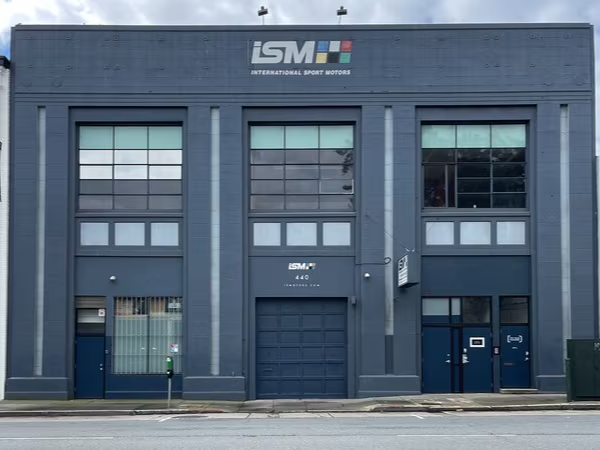
An example of the spill over effect from Mission Bay to Soma is Flux leasing 60% of 340 Bryant a 65,718 sq. ft. building. Flux intends to turn the space into a hub for other hardware-focused startups, fostering collaboration — similar to trends like Snowflake’s AI hub in Menlo Park.Broader ContextThis fits into a small but noticeable wave of AI companies leasing in San Francisco recently (e.g., Zyphra also making moves, including into Salesforce Tower). Citywide office vacancy sits around 31%, still very high, but deals like this show that well-capitalized AI/hardware firms are betting on SF and taking advantage of discounted pricing on distressed or vacant assets In late 2025 / early 2026, REALM (in partnership with Cannae Partners) acquired it for under $10 million (~$9.95M–$10M, or roughly $151–$152 PSF).The building had been empty since WeWork (its largest previous tenant) departed in 2021. WeWork later filed for bankruptcy in 2023. #SFRealEstate #BayAreaDeals #LuxuryHomes #commercialrealestate
Sanfranciscobroker tweet media
English
0
0
0
9
Sanfranciscobroker retweetledi
Andrew Jeffery
Andrew Jeffery@credealjunkie·
Think you know all 117 official San Francisco neighborhoods? I sure didn’t. Here are some new ones for me: Mint Hill Bret Harte Cayuga Fairmount Little Hollywood Cathedral Hill
Andrew Jeffery tweet media
English
55
29
407
252K
Sanfranciscobroker
Sanfranciscobroker@SFdealmaker·
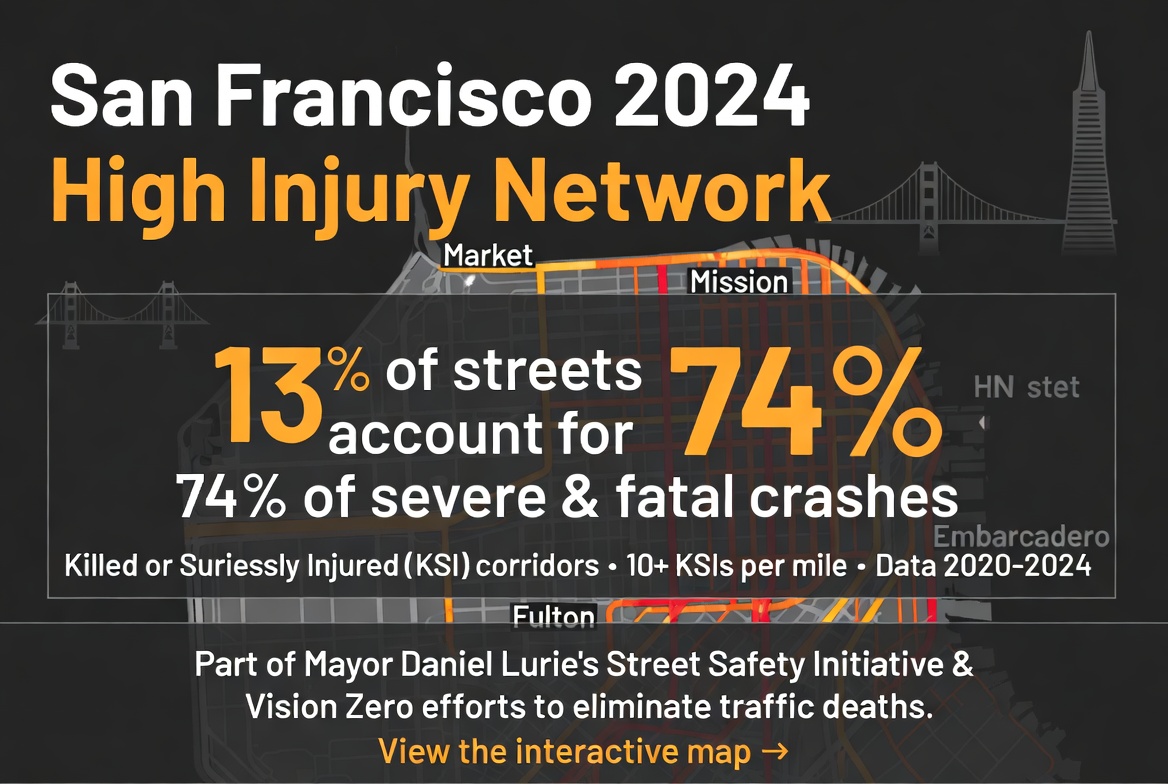
The San Francisco High Injury Network (HIN) map highlights streets where severe and fatal traffic injuries (killed or seriously injured, or KSI) are most concentrated. It is part of the city's Vision Zero efforts to eliminate traffic deaths. The latest 2024 HIN (released in March 2026) shows that about 13% of San Francisco's streets account for 74% of the city's most severe and fatal crashes. Corridors qualify if they have 10 or more KSIs per mile, based on linked data from police reports, hospital trauma records, vital records, and EMS. Official 2024 High Injury Network MapView the interactive 2024 HIN map here: data.sfgov.org/Health-and-Soc… The Vision Zero SF maps and data page also has additional resources: sfgov.maps.arcgis.com/apps/webappvie… Changes in the 2024 Update: The map uses data primarily from 2020–2024 and reflects safety improvements as well as emerging risks. Some corridors saw significant reductions in crashes after interventions (e.g., protected bike lanes, curb extensions, traffic calming):Seventh Street (between Harrison and Townsend): injury crashes down 69%. California Street (between 18th Avenue and Arguello): down 64%. Townsend Street (between Third and Eighth): total crashes down 31%. New or added high-risk segments include: Fulton Street between 4th and 7th Avenues Embarcadero between Howard Street and Pier 40 Point Lobos Avenue (between 46th Avenue and the Great Highway) Alemany Boulevard (from Mission Street to Oakdale Avenue) Lincoln Way (from 37th Avenue to the Great Highway) Octavia Boulevard and Market Street area Jackson Street in Chinatown (short stretch) Ocean/Mission and Portola Street areas (mentioned in coverage) Some short segments were removed due to safety upgrades, while others were added or adjusted. The data predates some recent speed camera and red-light camera expansions. This map helps prioritize engineering projects, enforcement (including against e-scooters), and education efforts. It was announced as part of Mayor Daniel Lurie's Street Safety Initiative. #SFRealEstate #BayAreaDeals #LuxuryHomes #commercialrealestate
Sanfranciscobroker tweet media
English
0
0
0
11