Office of the Salt Lake County Auditor retweetledi

YouTube
English
Office of the Salt Lake County Auditor
166 posts

@SLCountyAuditor
Official Twitter account of the Office of the Salt Lake County Auditor.




Just released: a performance audit of the Office of Regional Development 🧾 We identified significant opportunities to strengthen oversight of rental assistance funds 💵 and County assets 🛠️. Management agreed to all 32 recommendations ✅ and is addressing them. This is exactly why auditing matters: identify risk ⚠️, improve systems 🔧, and protect the public 🛡️. saltlakecounty.gov/globalassets/1…


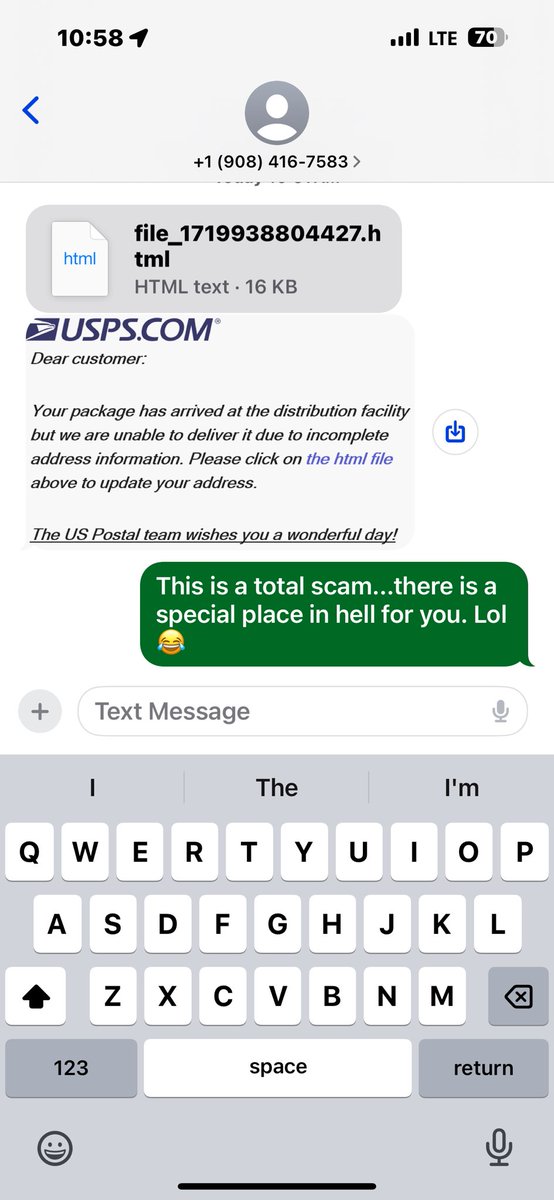
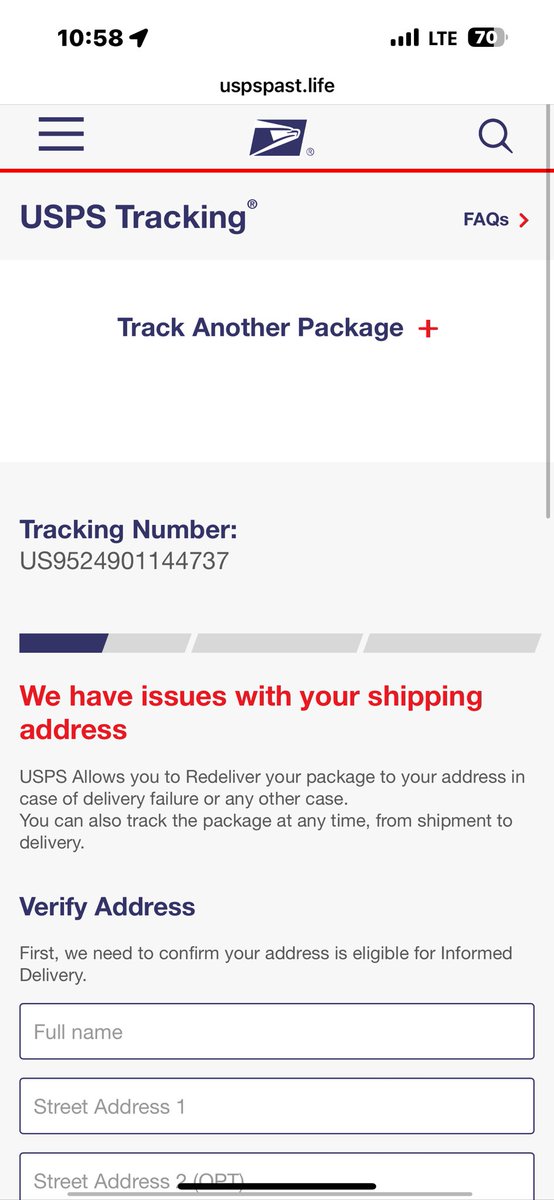
🚨 SCAM ALERT 🚨 We’ve received a tip on our fraud hotline about residents getting text messages claiming they owe outstanding parking fees or fines. These messages direct you to slcpark[.]com—a fraudulent website designed to steal your money and personal info. 📢 This is a scam! Salt Lake City officials have confirmed these texts are fake and not from the city or its parking service. ✅ What to do: •Do NOT click any links in these texts. •Do NOT provide payment or personal details. •Report the scam to local authorities. Stay alert and share this with others to prevent fraud! #ScamAlert #FraudPrevention
🚨 Fraud, Waste, and Abuse: A Non-Auditor’s Guide to Protecting Your Organization 🚨 💡 FACT: The average organization loses 5% of its revenue every year to fraud, waste, and abuse (ACFE). That’s money you can’t afford to lose—whether you’re in business, government, or non-profits. The #1 thing anyone—at any level—can do to stop fraud? ASK QUESTIONS. ❓ If something doesn’t make sense, ask why. ❓ Even if it does make sense, ask for verification. ❓ Follow up and request support for what you’re being told. Fraud thrives on trust, silence, and a lack of oversight. Simply being curious and proactive can make a massive difference. Even if you’re the “fake it till you make it” person and you are new to management, or you have been there forever…ask questions! In this thread, I’ll share easy, actionable tips to help non-auditors: ✅ Spot fraud before it becomes a problem ✅ Avoid costly waste ✅ Build a culture of accountability 📊 Fraud doesn’t need complex tools to prevent—it needs engaged people asking the right questions. Here’s what we’ll cover: 1️⃣ Building a culture that prevents fraud 2️⃣ Spotting weak points in your processes 3️⃣ Simple controls anyone can implement 4️⃣ Empowering your team to recognize red flags Let’s make your organization safer, stronger, and more transparent. Ready? Let’s dive in. 🧵👇