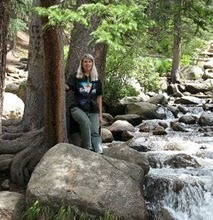
Sally White

5.8K posts

Sally White banner
Sally White

Sally White

@SLWhiteCO

Still a naturalist, local historian, and writer/reader. Appalled citizen. Trying to highlight science/nature but... No peace without justice. Amplifying.
Finger Lakes Katılım Mayıs 2011
524 Takip Edilen275 Takipçiler
Sabitlenmiş Tweet
Sally White
Sally White@SLWhiteCO·
I truly enjoy Twitter, and have learned so much. Thank you all... I'll be here, and also Instagram, same handle in case you're looking.
English
0
0
0
0
Sally White retweetledi
Basin & Range Watch
Basin & Range Watch@BasinRange·
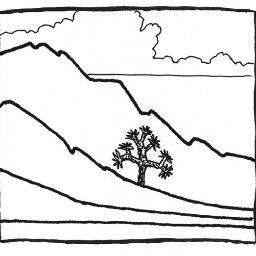
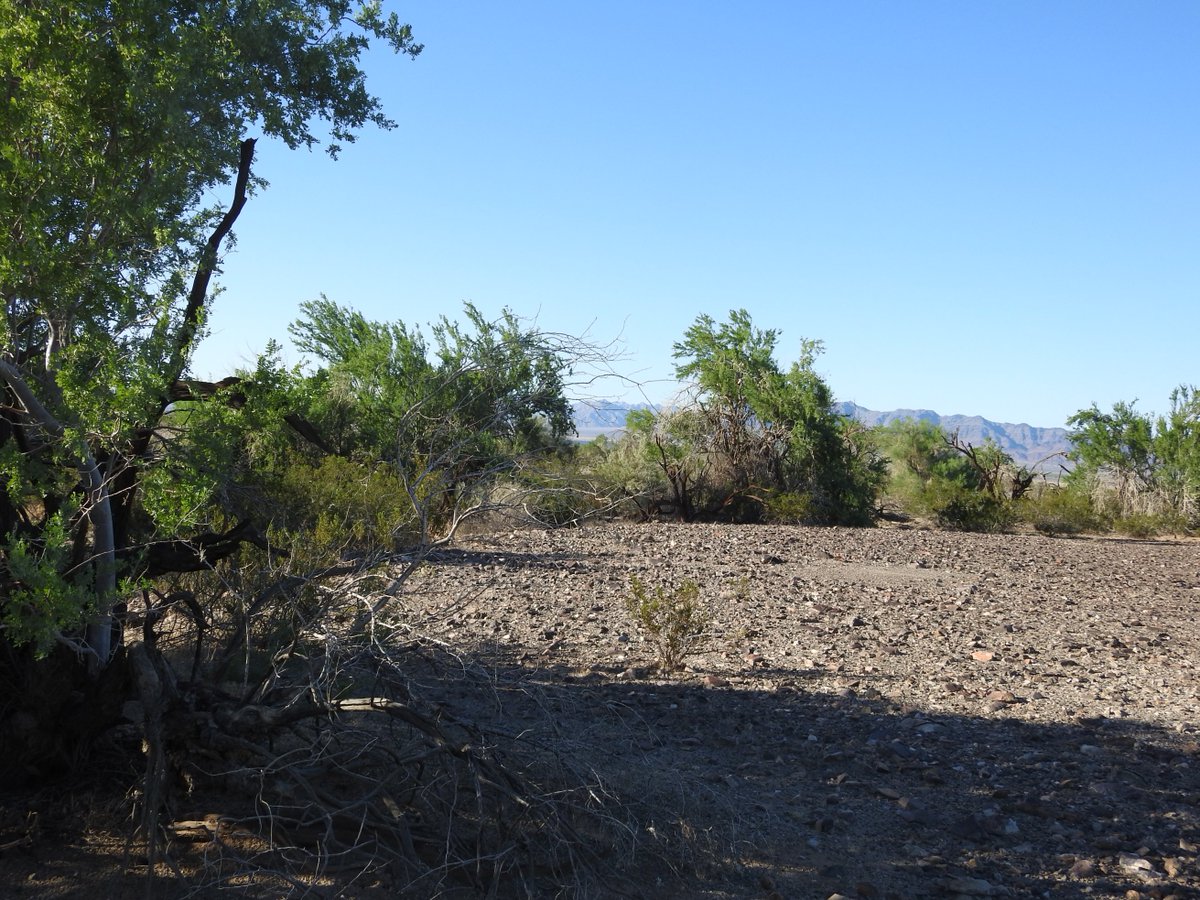
These are particularly painful before/after pics of the Oberon Solar Project near Joshua Tree National Park, CA. Ironwood trees over 1,000 years old were blocking the sun, so they got rid of TREES IN THE DESERT! Second photo by Bloomberg Law
Basin & Range Watch tweet mediaBasin & Range Watch tweet media
English
36
127
306
58K
Sally White retweetledi
Basin & Range Watch
Basin & Range Watch@BasinRange·
At the very last minute, the BLM has announced 2 virtual public meetings for the Esmeralda 7 Solar Projects to be built on 158 square miles of public land near Tonopah, Nevada. They are today at 2 pm and tomorrow at 5 pm. empsi.zoom.us/webinar/regist…
Basin & Range Watch tweet media
English
1
6
22
4.3K
Sally White retweetledi
Dinosaur Ridge
Dinosaur Ridge@DinosaurRidgeCO·
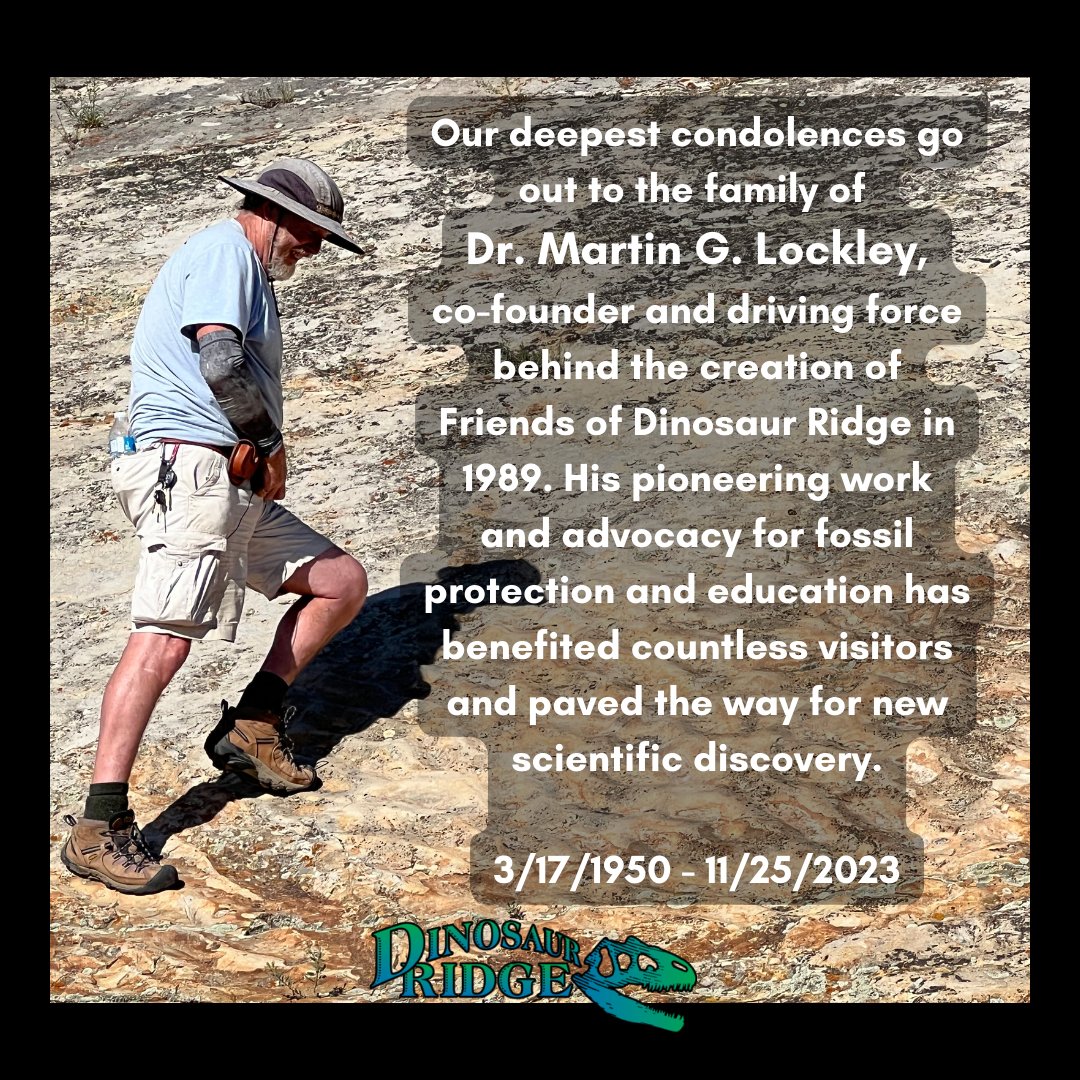
Our one-of-a-kind co-founder and tireless global dinosaur tracker passed away from an illness that allowed him to spend precious time with loved ones this year. Friends of Dinosaur Ridge owes its existence and longevity to the incomparable Dr. Martin Lockley.
Dinosaur Ridge tweet media
English
2
56
221
21.4K
Sally White retweetledi
Lawns are a grift meant to keep us subservient.
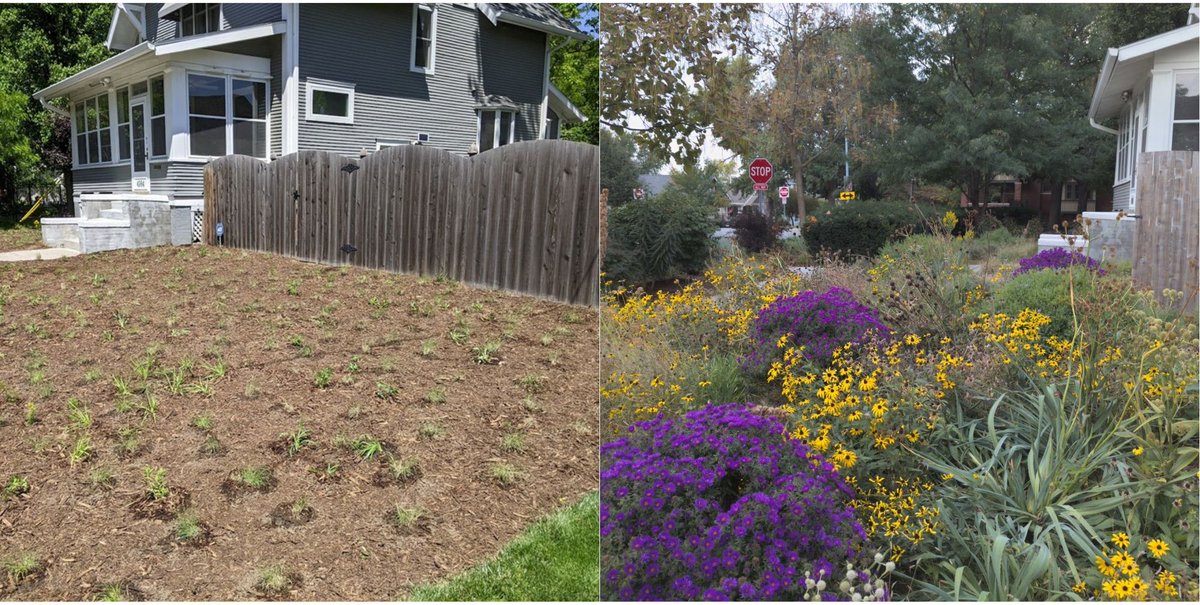
In 16 months we were able to transform this busy urban street corner into life, joy, sustainability, compassion, and purpose that benefits all life in the community. 100% native plants. Prairie up!!! monarchgard.com
Lawns are a grift meant to keep us subservient. tweet media
English
2
5
53
3.1K
Sally White retweetledi
Noticing Nature: the British microseason project
Given yesterday's destruction, what about a poem celebrating the Sycamore's resilience? Here's Wendell Berry, reflecting on a Sycamore's capacity to absorb adverse events and turn them to its purpose:
Noticing Nature: the British microseason project tweet media
English
2
5
51
2.1K
Sally White retweetledi
Meg Madden
Meg Madden@spore_stories·
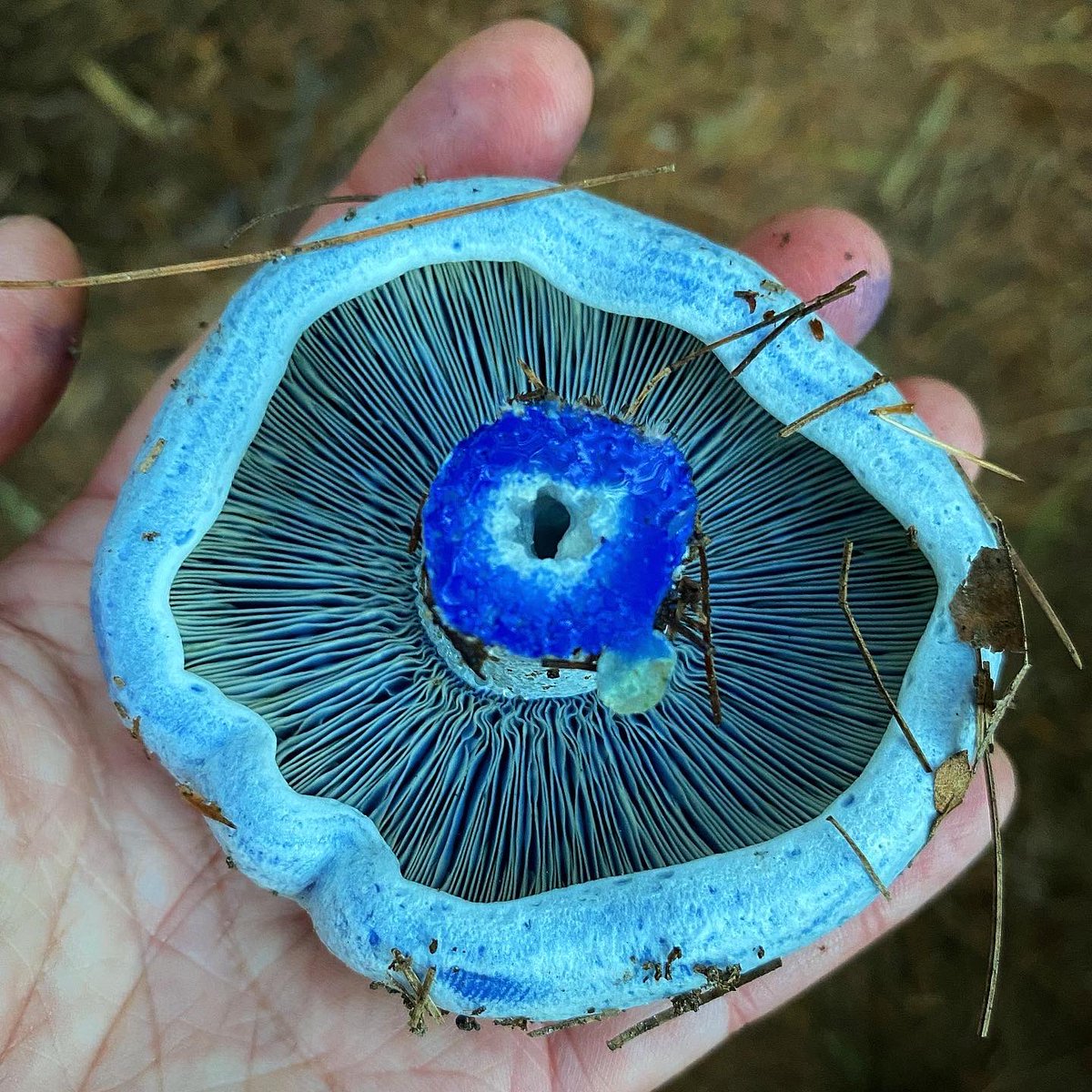
Here come the indigo milk caps! 💙🩵🧿🩵💙 These gorgeous mushrooms exude bright cobalt blue milky liquid when cut or damaged. This sticky “latex”, serves to deter the munchings of hungry critters such as slugs and snails. 🆔 Lactarius indigo #Mushroom #nature #photography
Meg Madden tweet media
English
12
71
447
19.2K
Sally White retweetledi
The Cultural Tutor
The Cultural Tutor@culturaltutor·
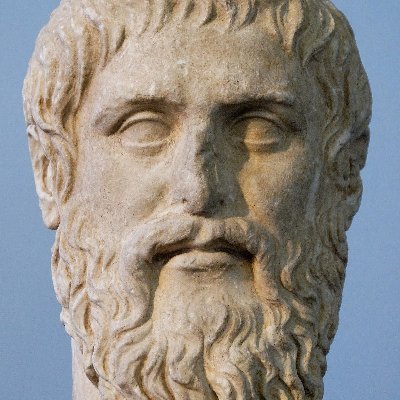
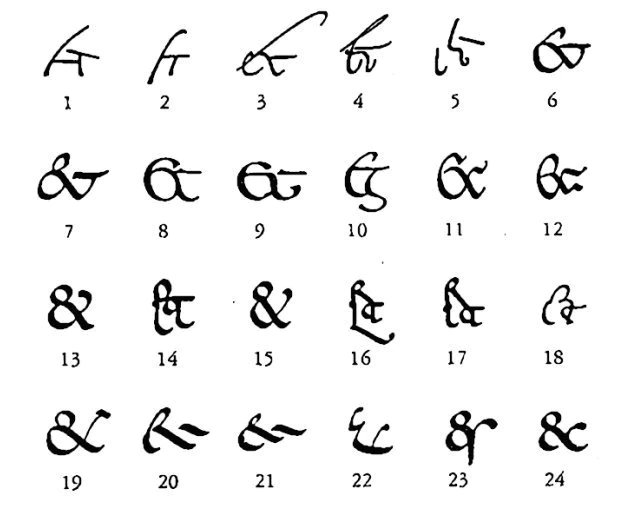
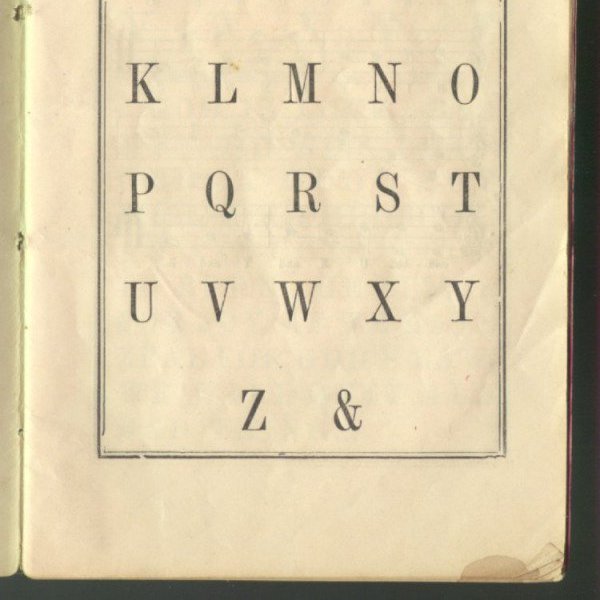
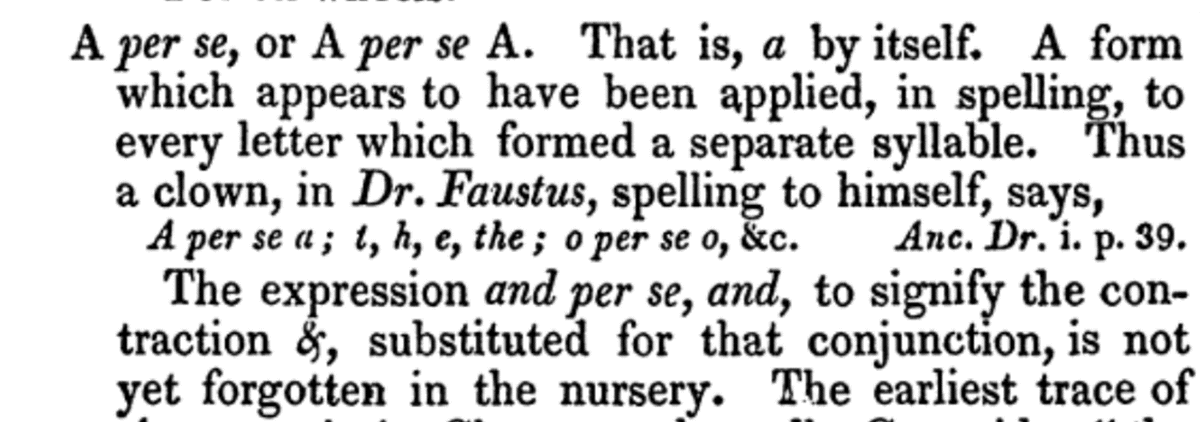
What the hell is an ampersand and why does it look like that?! The first thing you need to know is that "&" used to be the 27th letter of the alphabet... But there are three parts to this story. And the first begins over two thousand years ago in Ancient Rome with a single word: et. It's the Latin for "and". At some point Roman scribes started combining the two letters of et into a single symbol, which was the ancestor of our modern &. The earliest example of the "et" symbol is actually from graffiti in Pompeii. In any case, it did not disappear with the fall of the Roman Empire. Latin survived as the language of the Catholic Church and of scholarship in Medieval Europe. Scribes during the Dark Ages continued to use the & symbol. It evolved down the centuries, in places losing any semblance of the letters e and t whatsoever. The second part of the story is that during the 18th and 19th centuries, as education and the teaching of literacy spread, & was added to the end of the alphabet as a sort of 27th letter. On a related note, although "et cetera" is now usually just abbreviated as etc., for a long time it was instead abbreviated as "&c". The & was for et and the c for cetera. The third and final part of the story is about how the alphabet was taught to children — and how it was read out loud. As this 1822 Glossary of Words and Phrases explains, it had been normal during the Renaissance, when speaking the alphabet, to add "per se" before any letter which could also be a word on its own — "per se" means "by itself" in Latin. Take the letter A, which can also be a word of its own. When reading out the alphabet people would say "A, per se A, B, C, D, E, F, G, H, I, per se I..." and so on. O was also considered a word of its own. Which means, when people got to the end of the alphabet, with & being the 27th letter, they would say: "S, T, U, V, W, X, Y, Z, and per se &." When this old way of reading the alphabet was taught to children in the 18th century and they were reciting it aloud, they would garble "and per se " into what eventually became... ampersand. A Dic­tion­ary of Slang and Col­lo­quial Eng­lish from 1905 relates some of the many other pronunciations school children apparently came up with: "Am­persand. The sign &; am­persand. Vari­ants: Ann Passy Ann; an­pasty; an­dpassy; an­parse; aper­sie; per-se; am­passy; am-passy-ana; am­pene-and; am­pus-and; ampsyand; am­pazad; am­siam; am­pus-end; ap­perse-and; em­per­siand; am­perzed; and zumzy-zan." Well, of all the many pronunciations that might have stuck, it was "ampersand" which came to be accepted and is now the official name for &... rather than zumzy-zan. So, from hurried Roman scribes to unruly school children, that's where "&" came from.
The Cultural Tutor tweet mediaThe Cultural Tutor tweet mediaThe Cultural Tutor tweet mediaThe Cultural Tutor tweet media
English
405
4.8K
27.7K
5.6M
Sally White retweetledi
Ben Adroit
Ben Adroit@BenjaminAdroit·
Check out these leaves from the same Quercus cerris tree! 🍃 It's like trying to identify a single actor playing all the roles in a shape-shifting one-man show. In the world of paleobotany, this is our version of a plot twist! 🥲 #Paleobotany
Ben Adroit tweet media
English
5
64
370
24.5K
Sally White retweetledi
Basin & Range Watch
Basin & Range Watch@BasinRange·
We’re camping in the Heart of the Great Basin along The Loneliest Highway. Greater nighthawks swoop, sagebrush is green. Stay tuned tomorrow for live-tweeting about Solar applications waiting for Greenlink North Transmission Project #publiclands #Nevada
Basin & Range Watch tweet media
English
3
16
110
4.4K
Sally White retweetledi
British Ecological Society
British Ecological Society@BritishEcolSoc·
Moss is boss🟢💪 A comprehensive global study led by @UNSW and funded by the BES, found that mosses are both advantageous to our gardens and critically contribute to the overall health of our planet, especially when growing on the topsoil. scitechdaily.com/moss-an-unassu…
English
1
6
22
2.7K
Sally White
Sally White@SLWhiteCO·
@BNArchive "95 in the shade Hundreds collapsed in the streets and were taken to hospital, and many deaths occurred..."
English
0
0
0
4
Sally White retweetledi
Raven Baxter, Ph.D.
Raven Baxter, Ph.D.@ravenscimaven·
Time to prioritize community colleges, HBCUs, state schools, etc. I went to a community college and state schools. Schools are begging for students. If you wanna go to Harvard and they don’t want you it’s truly not the end of the world. Know that. Go where you’re valued.
English
39
419
2.5K
252.4K
Sally White retweetledi
Leif Bersweden
Leif Bersweden@LeifBersweden·
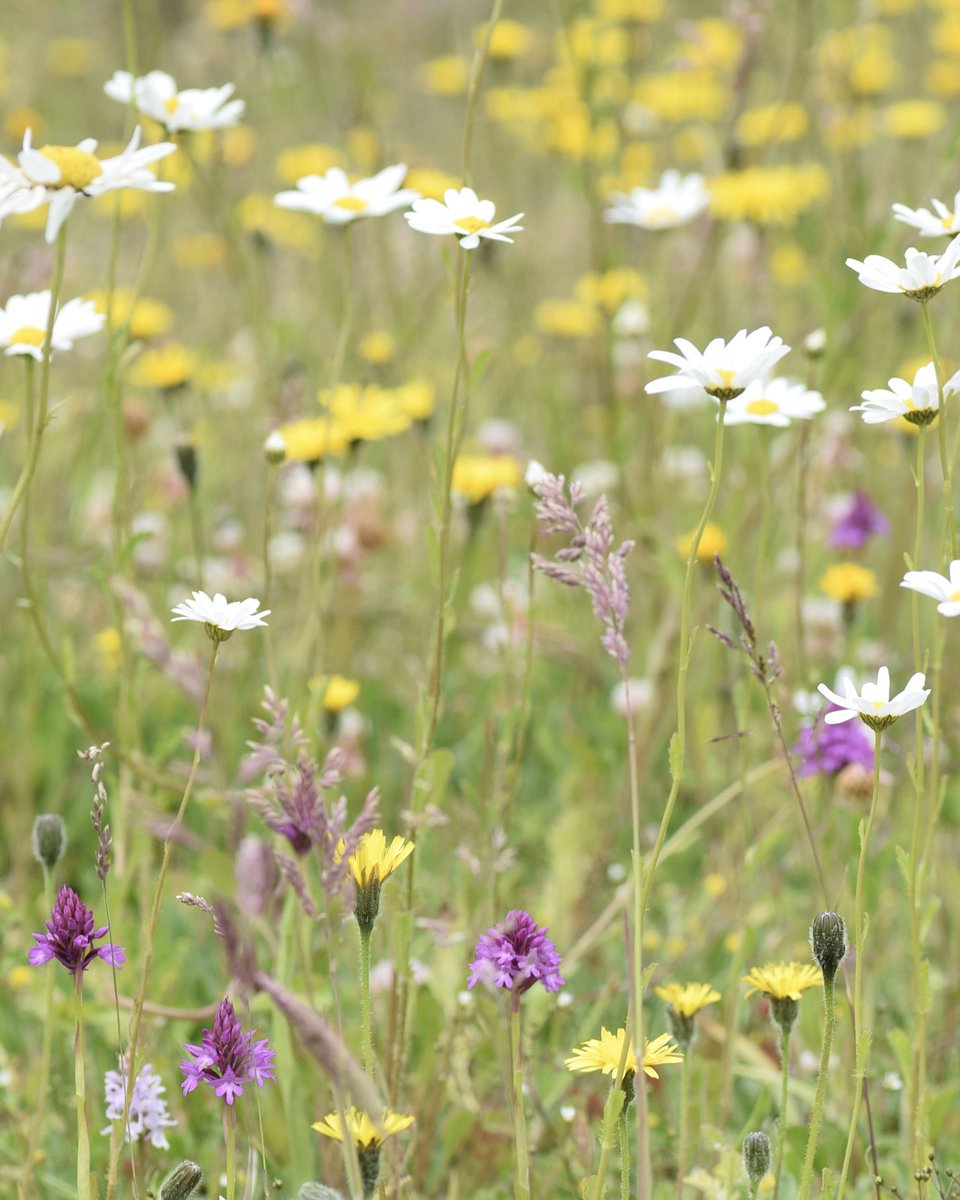
Today is #NationalMeadowsDay! 🥳 The loss of our uplifting hay meadow habitats in the UK makes my heart hurt, so I want to share with you the secret for turning your lawn into a mini wildflower meadow for *free* 👊 🧵 (1/9)
Leif Bersweden tweet media
English
44
752
3.2K
316.1K
Sally White retweetledi
Brown History Dept.
Brown History Dept.@BrownHist·
There's no better time than Juneteenth to demand reparations for African Americans — @KeishaBlain penned this opinion piece for @MSNBC considering the various ways in which the U.S. can address the history and ongoing effects of slavery. msnbc.com/opinion/msnbc-…
English
3
11
14
2.2K
Sally White retweetledi
Earthjustice
Earthjustice@Earthjustice·
This year, the Endangered Species Act (ESA) turns 50. It's widely regarded as one of the most important conservation laws in history. With over one-third of biodiversity in the U.S. at risk of disappearing, we need it now more than ever. earthjustice.org/experts/timoth…
English
66
1.4K
6.6K
231.3K