S.W. O'Connell

49.2K posts

S.W. O'Connell banner
S.W. O'Connell

S.W. O'Connell

@SWOConnell

Award-winning author of historical fiction with a dash of sci-fi. My blog, Yankee Doodle Spies, profiles the people, places & things of the Revolutionary War.
Leesburg, Virginia Katılım Aralık 2012
86.2K Takip Edilen91.9K Takipçiler
S.W. O'Connell
S.W. O'Connell@SWOConnell·
1776: Dark forces threaten the American cause! A letter shrouded in mystery arrives at Valley Forge. Amid all his troubles, General George Washington must dispatch his best intelligence officer on a mission so confidential even the commander-in-chief is not privy to it. The Reluctant Spy sends Jeremiah Creed on a mission he never expected... or wanted. The best way to learn about the struggle that changed the world. amazon.com/Reluctant-Yank…
S.W. O'Connell tweet media
English
0
0
2
343
S.W. O'Connell
S.W. O'Connell@SWOConnell·
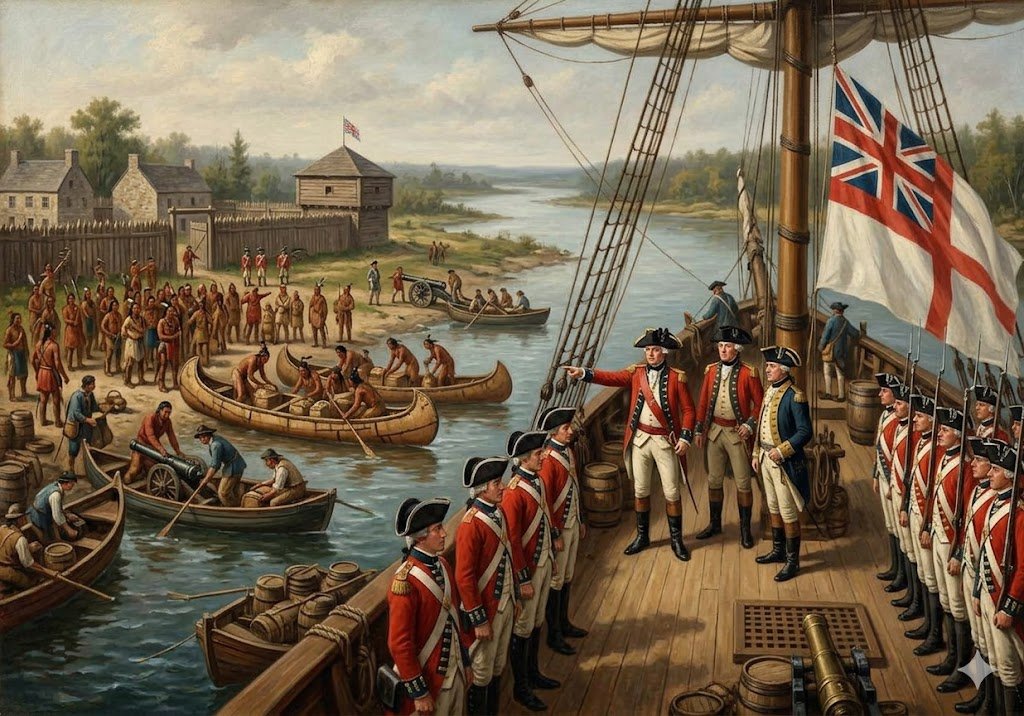
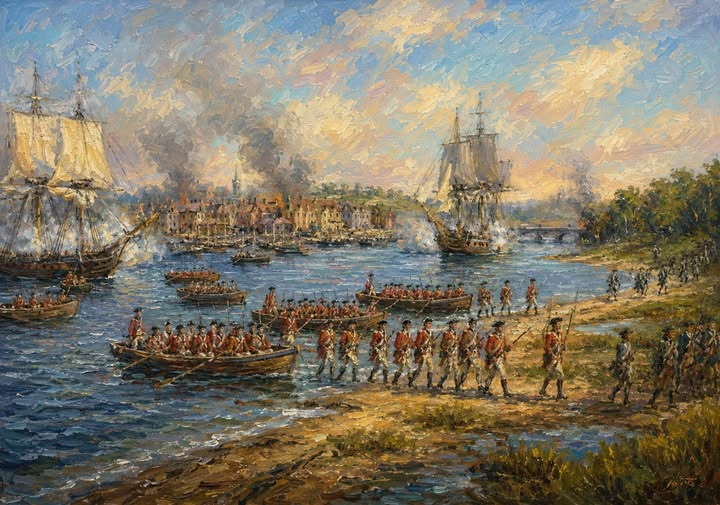
1 April 1776, Halifax, Nova Scotia. Approximately 1,200 Loyalist refugees fleeing New England arrived, mainly with General William Howe during the evacuation of Boston (March 17–April 1776). Crowded ships carried exhausted civilians and families loyal to the Crown amid the siege. This was an early wave of Loyalist migration to British North America; the total eventually reached about 30,000–40,000 to the Maritimes, mostly after 1783, with many resettling in what became New Brunswick. These refugees strained Halifax's resources before most moved on to England or other places. The April 1 date matches British fleet arrival records; the "1,200" figure appears in some Loyalist histories, though estimates vary (often including troops and civilians). The larger influx, peaking between 1783 and 1784, totaled around 30,000–40,000 to Nova Scotia, helping grow the population and establishing United Empire Loyalist communities. #RevWar #History #AmRev
S.W. O'Connell tweet media
English
0
3
18
314
S.W. O'Connell
S.W. O'Connell@SWOConnell·
31 March 1776, Braintree, Massachusetts (now Quincy). Abigail Adams wrote a well-known letter to her husband, John Adams, who was a delegate to the Second Continental Congress in Philadelphia. During discussions about independence, she urged him and Congress to "Remember the Ladies" in any new laws, advocating for more fairness toward women than their ancestors showed, warning against unchecked male power in marriage, and hinting at rebellion if women's rights were ignored. This plea highlighted early efforts for gender equality during the revolutionary era. The letter, dated March 31 (with additions through April 5), is preserved in the Adams Family Papers at the Massachusetts Historical Society and remains one of the most iconic documents in American women's history, even though John responded to it in a humorous manner. #RevWar #History #AmRev
S.W. O'Connell tweet media
English
0
4
10
250
S.W. O'Connell
S.W. O'Connell@SWOConnell·
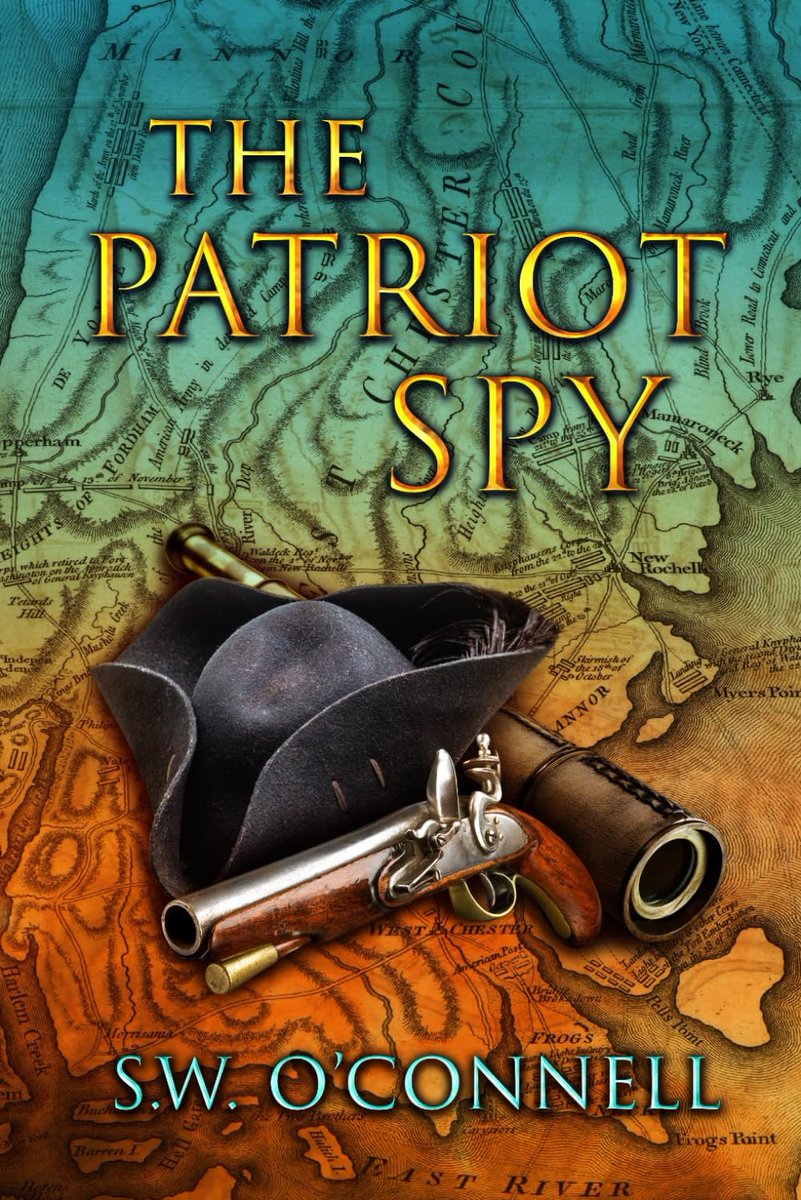
#RevWar Action & Intrigue at its best! Canada, 1777: The British plan to strike on three fronts to crush the rebellion for good. Can Lt. Jeremiah Creed infiltrate the northern British army and thwart an invasion from the north? Read The North Spy now! amazon.com/North-Spy-Yank…
S.W. O'Connell tweet media
English
0
0
1
168
S.W. O'Connell
S.W. O'Connell@SWOConnell·
31 March 1774, London. The British Parliament passed the Boston Port Act, closing Boston Harbor to all trade effective June 1 until Massachusetts repaid the East India Company for tea destroyed during the Boston Tea Party of December 16, 1773, and guaranteed orderly customs collection. This punitive measure, the first Intolerable Act, aimed to crush resistance but instead fueled widespread colonial outrage and unity. #RevWar #History #AmRev
S.W. O'Connell tweet media
English
0
4
14
372
S.W. O'Connell
S.W. O'Connell@SWOConnell·
30 March 1769, Baltimore, Maryland. Merchants in Baltimore joined the growing colonial resistance by adopting a non-importation agreement to boycott British goods until the Townshend Duties were repealed. These duties, named after Chancellor of the Exchequer Charles Townshend, stemmed from acts passed in 1767 imposing taxes on imported items like glass, lead, paper, paint, and tea to raise revenue and assert parliamentary authority. Baltimore's action followed similar pacts in Boston (1768) and Philadelphia (early 1769), pressuring British merchants through reduced trade. The boycotts contributed to Parliament's partial repeal in 1770 (except tea), heightening tensions toward revolution. #RevWar #History #AmRev
S.W. O'Connell tweet media
English
3
2
12
284
S.W. O'Connell
S.W. O'Connell@SWOConnell·
Fast-paced #RevWar Tale! #RevWar turns into a cold winter war! The Jerseys are aflame in hot winter warfare. Can Gen. George Washington outwit the British and stave off defeat in the battle for independence? Book 2 in the Yankee Doodle Spies series! amazon.com/Winter-Spy-S-W…
S.W. O'Connell tweet media
English
0
0
3
177
S.W. O'Connell
S.W. O'Connell@SWOConnell·
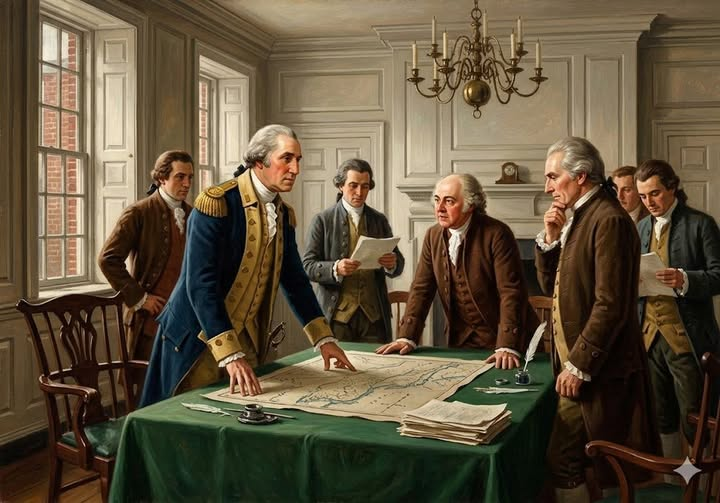
The Rev War Minute 30 March 1778, York, Pennsylvania. The Continental Congress addressed prisoner exchange policies amid the harsh winter at Valley Forge and post-Saratoga tensions. Congress authorized targeted swaps and issued instructions to facilitate releases while insisting on settling accounts and upholding American honor. General George Washington, from Valley Forge, actively corresponded with British General Sir William Howe. He supported the specific exchange of American Major General Charles Lee (captured 1776) for British Major General Richard Prescott (captured 1777), which occurred in early April 1778 after negotiations. Washington also pushed for broader, reciprocal arrangements, though congressional conditions—treating armed Loyalists as traitors rather than standard prisoners of war—complicated flexible deals and reflected growing bitterness. These steps balanced humanitarian needs with deterrence against collaboration. #RevWar #History #AmRev#RevWar #History #AmRev
S.W. O'Connell tweet media
English
0
2
10
258
S.W. O'Connell
S.W. O'Connell@SWOConnell·
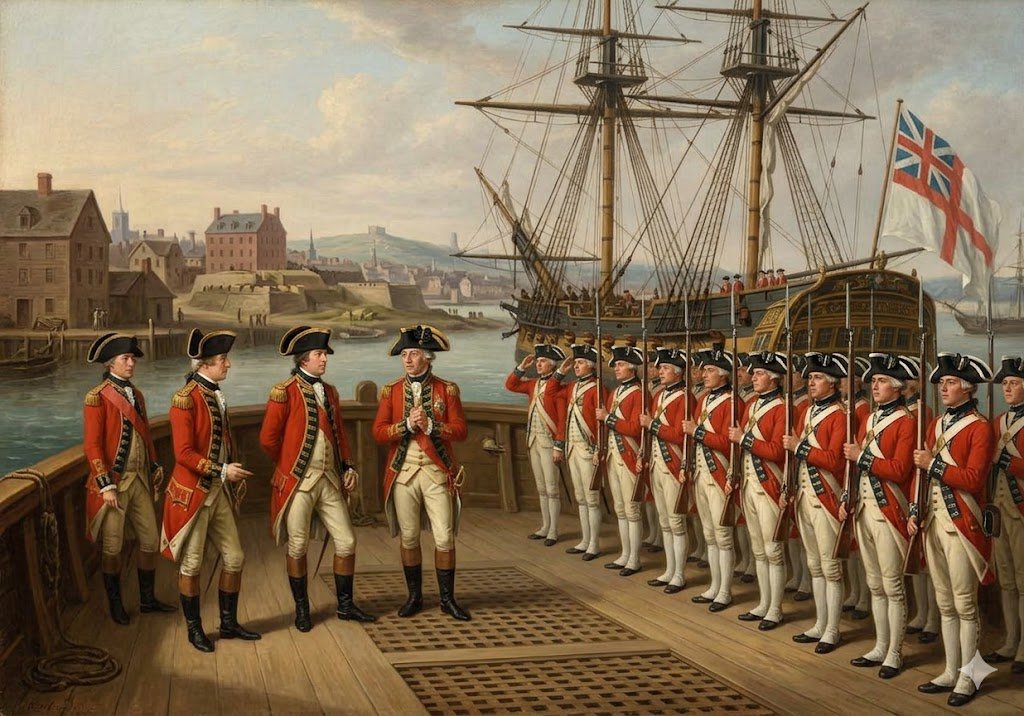
30 March 1775, Boston, Massachusetts. General Thomas Gage ordered Brigadier General Lord Hugh Percy to lead roughly 1,200 troops of the First Brigade on a planned show of force. The column marched from Boston Common toward Cambridge through Roxbury and Brookline. Alerted militias positioned two cannons at Watertown Bridge and removed the planks, but they did not resist when the British approached; the cannons were abandoned, and the troops moved on unopposed before returning. This tense display increased revolutionary tensions just weeks before Lexington and Concord. #RevWar #History #AmRev
S.W. O'Connell tweet media
English
0
9
40
1.9K
S.W. O'Connell retweetledi
S.W. O'Connell
S.W. O'Connell@SWOConnell·
22 March 1775, London. In the House of Commons, Edmund Burke delivered his famous "Speech on Conciliation with the Colonies," proposing resolutions for peace by acknowledging colonial grievances. While he strongly criticized coercive measures—including the upcoming New England Restraining Act (passed on March 30, 1775, restricting New England's trade to Britain and banning North Atlantic fishing)—he did not solely focus on that bill. Burke passionately opposed taxation without representation, defended the authority and rights of colonial assemblies, praised American liberty as grounded in English principles, and called for reconciliation through concession rather than force to prevent war. His compelling appeal highlighted the colonies' growth, commerce, and resilient spirit of freedom. #RevWar #History #AmRev
S.W. O'Connell tweet media
English
1
9
33
929
S.W. O'Connell
S.W. O'Connell@SWOConnell·
30 March 1775. London. King George III granted royal assent to the New England Restraining Act (formally the New England Trade and Fisheries Act), a punitive measure introduced by Prime Minister Lord North amid escalating colonial unrest following the Boston Tea Party and Lexington/Concord skirmishes. The act, effective July 1, 1775, restricted trade from Massachusetts, New Hampshire, Connecticut, and Rhode Island exclusively to Great Britain, Ireland, and the British West Indies, prohibiting commerce with foreign nations or other colonies. A further provision, starting July 20, banned New England vessels from the vital North Atlantic fisheries (especially the Grand Banks), crippling the region's economy and fishing industry. Enforced by naval blockade, it aimed to economically coerce rebellious New England but instead fueled unity and resentment, contributing to the Revolutionary War; the act was later superseded by the broader Prohibitory Act in December 1775. #RevWar #History #AmRev
S.W. O'Connell tweet media
English
0
7
22
710