Sagarmatha Sambaad

216 posts

Sagarmatha Sambaad banner
Sagarmatha Sambaad

Sagarmatha Sambaad

@S_Sambaad

Official account of Sagarmatha Sambaad (Everest Dialogue), a permanent global dialogue forum initiated by the Government of Nepal. #SagarmathaSambaad2025.

Kathmandu, Nepal Katılım Kasım 2019
28 Takip Edilen1.5K Takipçiler
Sabitlenmiş Tweet
Sagarmatha Sambaad
Sagarmatha Sambaad@S_Sambaad·
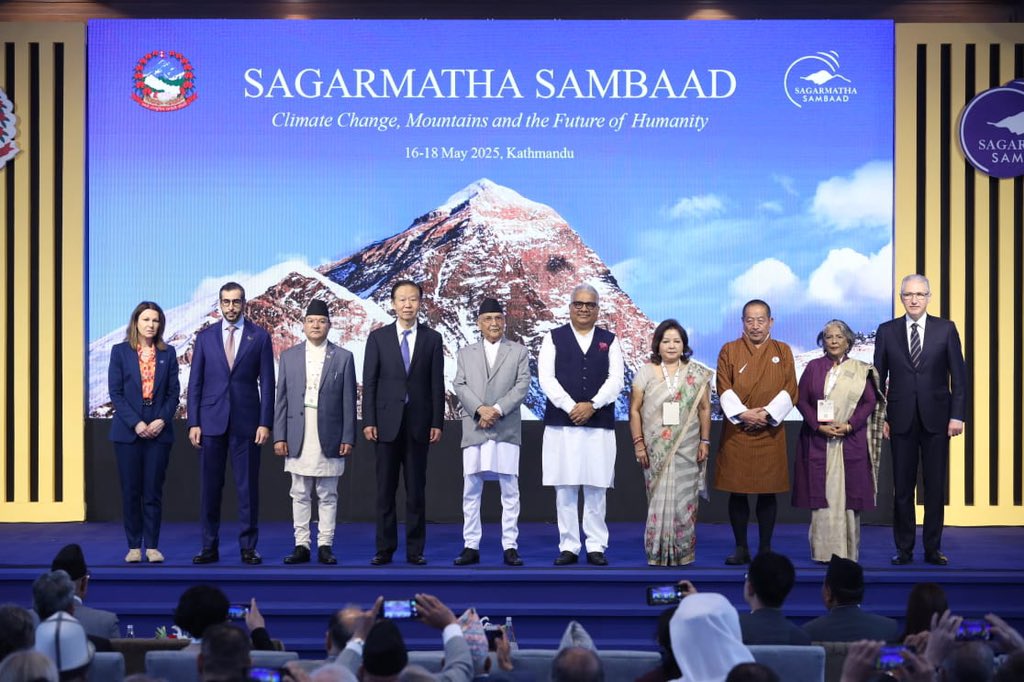
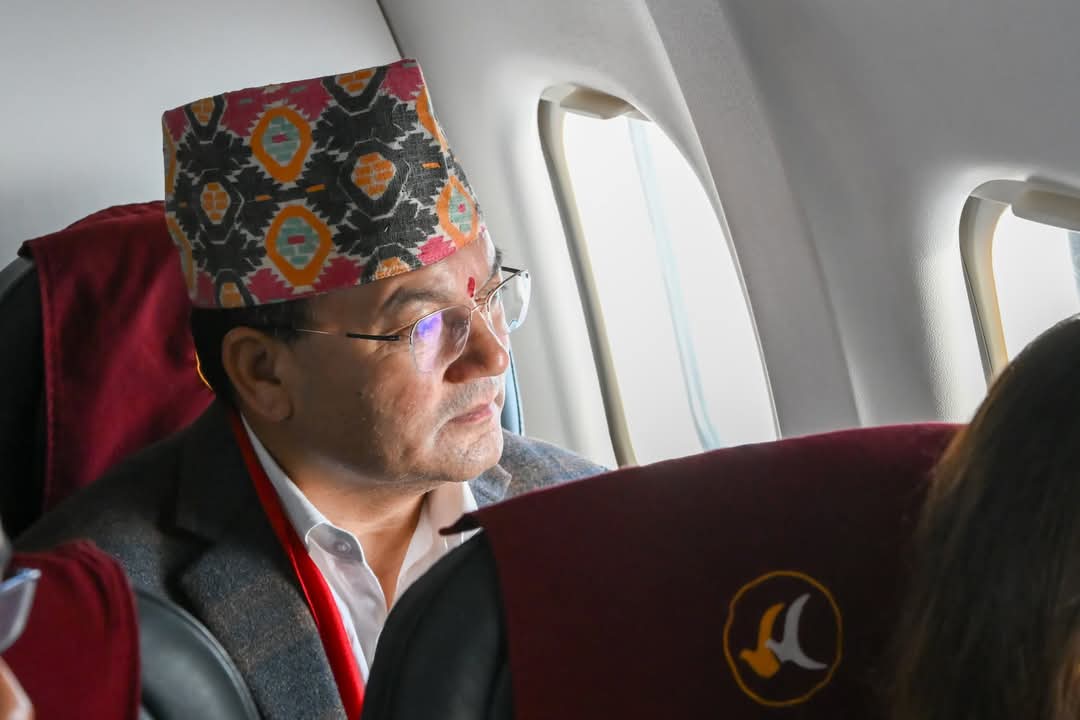
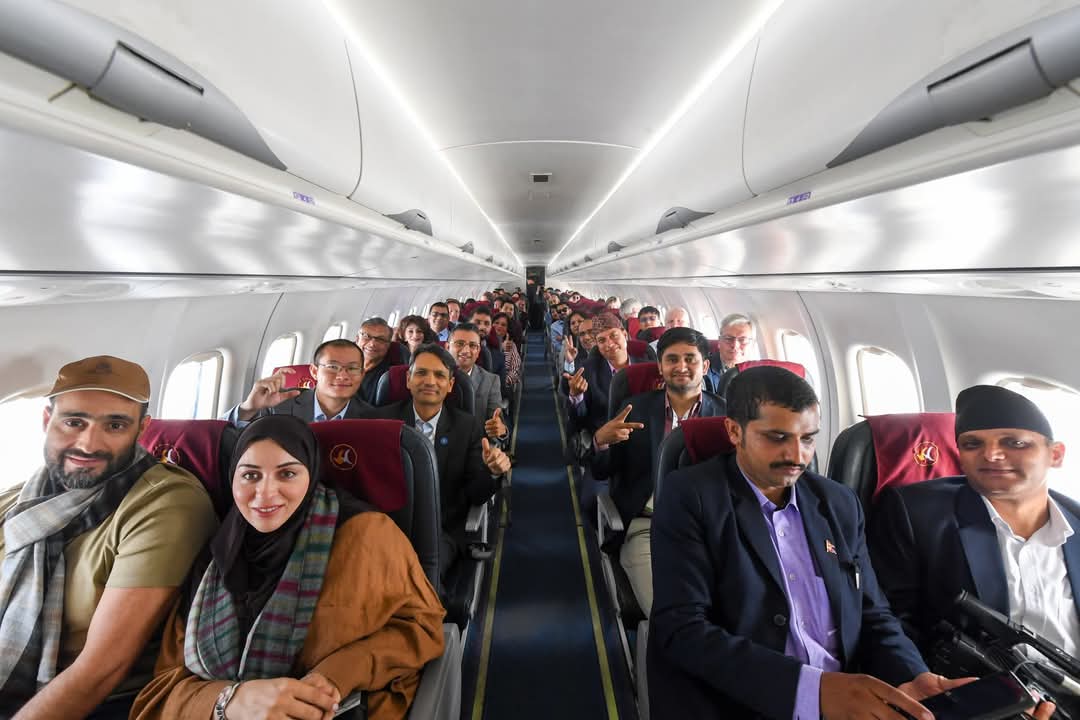
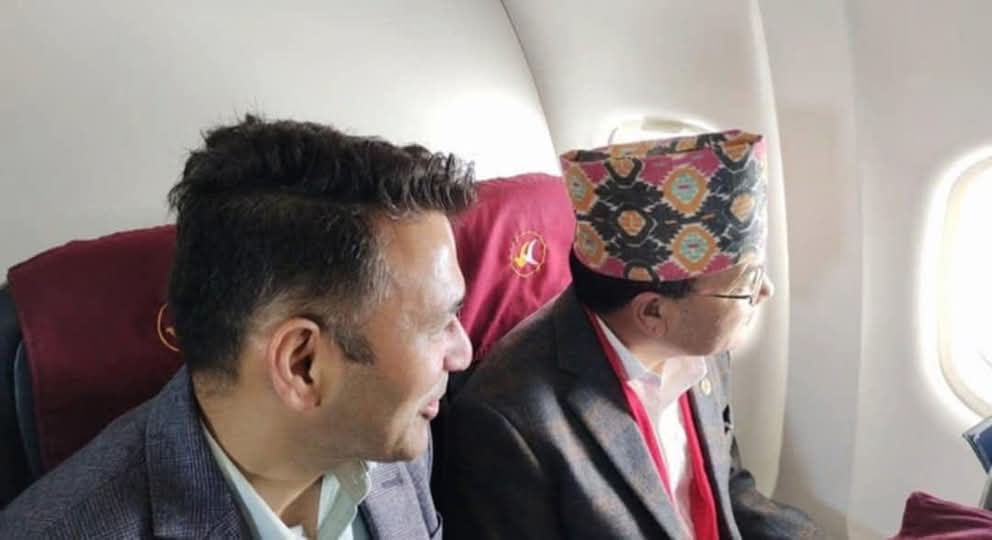
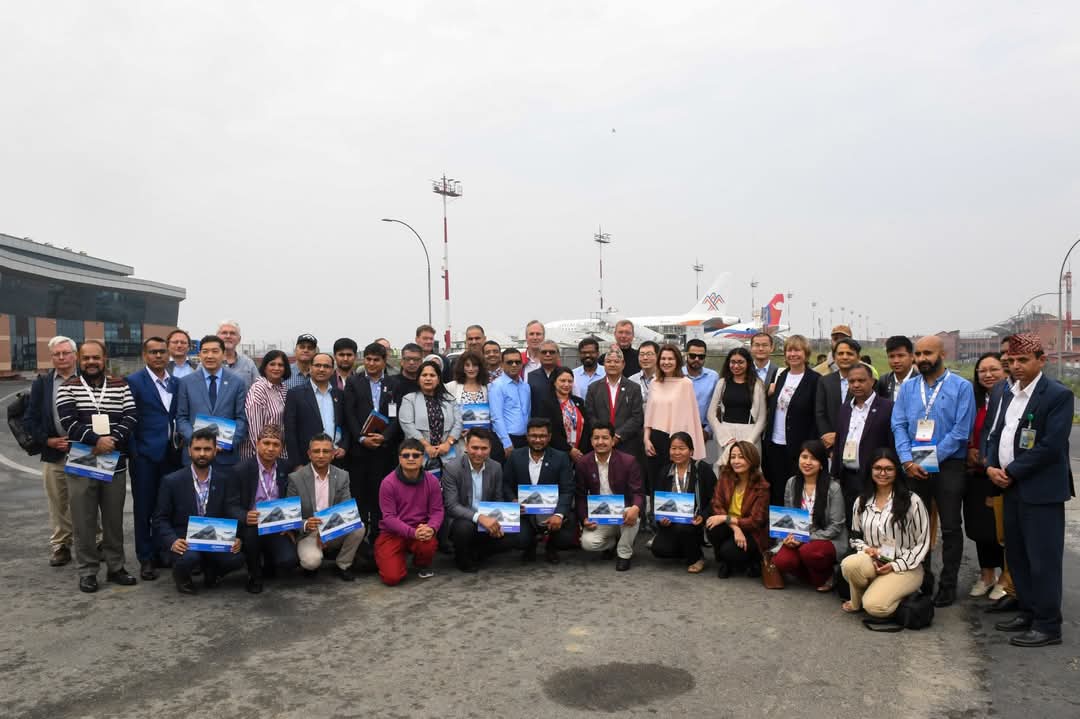
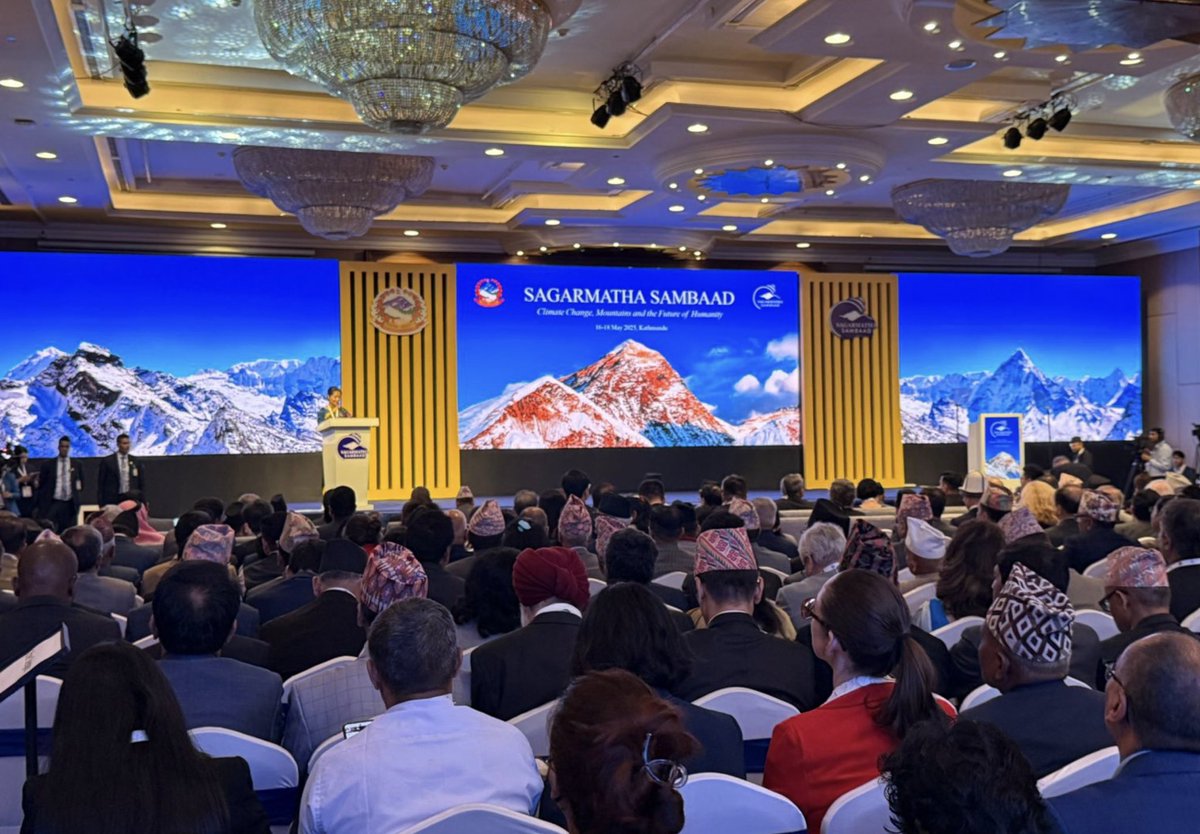
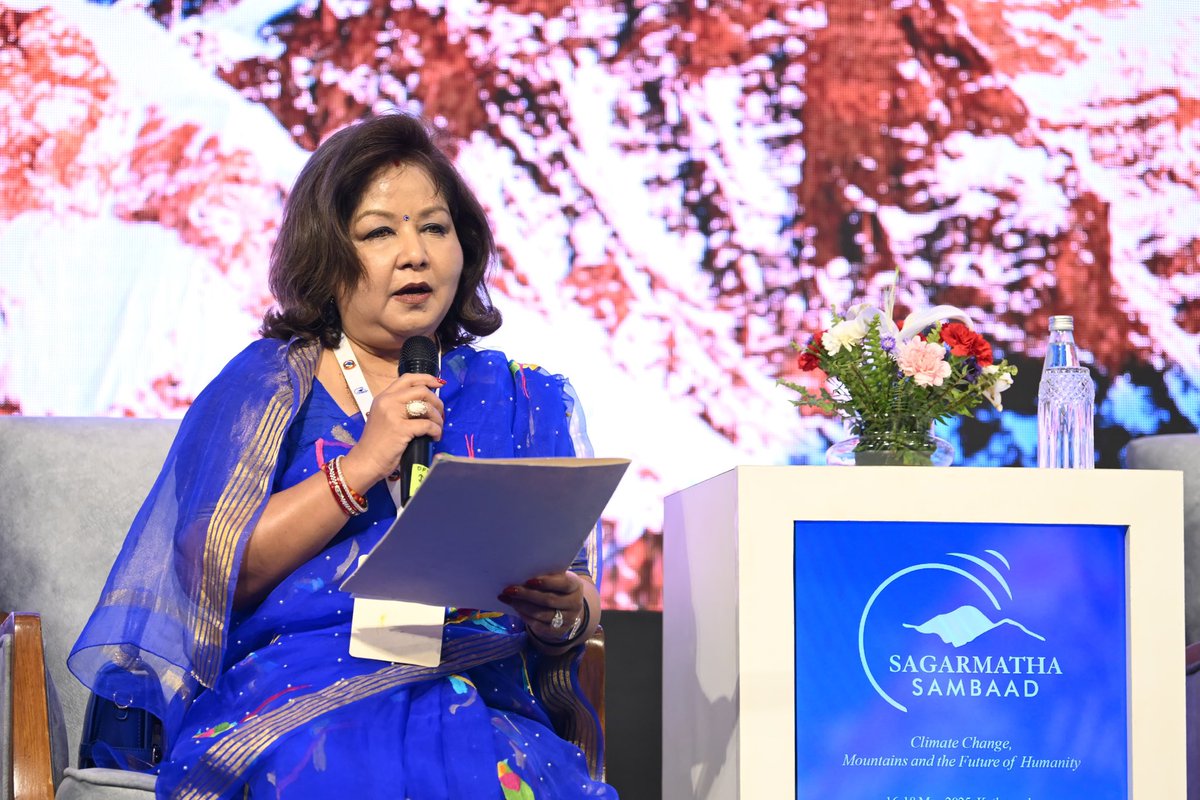
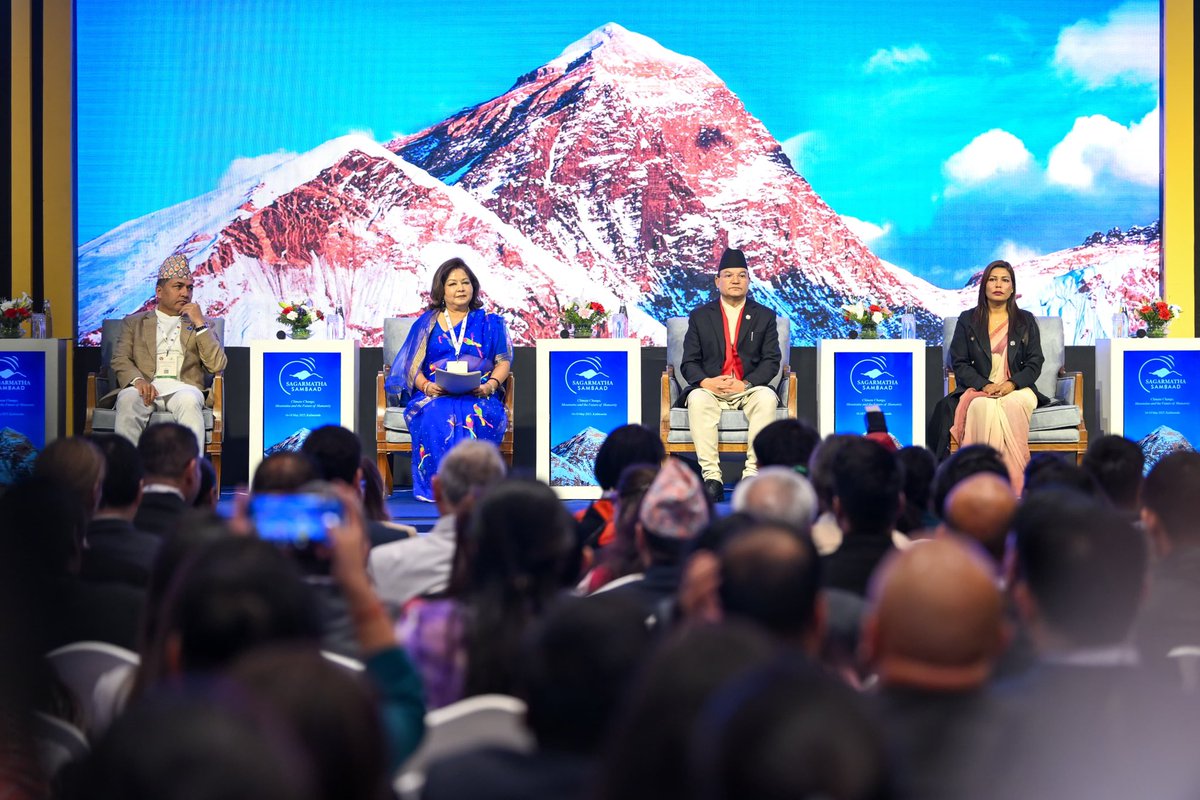
Conclusion of the First Edition of #SagarmathaSambaad 2025 Chairing the Closing Ceremony of the Sambaad, Hon. Dr. Arzu Rana Deuba @Arzuranadeuba, Minister for Foreign Affairs, described the event as a historic convergence of minds and a celebration of shared responsibility in addressing the adverse impacts of climate change. The Hon. Minister emphasized the need for enhanced and comprehensive support to vulnerable communities to achieve climate justice, noting that the message from the top of the world echoes across the globe. A highlight reel of the three-day dialogue was presented during the ceremony. The Hon. Minister also announced the issuance of the Sagarmatha Call for Action. Delivering his remarks, Chief Secretary Mr. Eaknarayan Aryal called for deeper international engagement and amplifying climate voices on the global stage. Hon. Mr. Ain Bahadur Shahi Thakuri @ain_shahi, Minister for Forests and Environment, and Hon. Ms. Rupa B.K., State Minister for Forests and Environment, were also present on the stage. The Ceremony was attended by high-level dignitaries, delegates and participants. ⸻ Earlier in the morning, a mountain flight to the Sagarmatha (Everest) region was organized to witness firsthand the impacts of climate change on the Himalayas. Beyond the breathtaking beauty of the range, the delegation observed receding glaciers, expanding glacial lakes, and barren slopes—visible signs of mounting risks to downstream communities. The flight was led by Hon. @ain_shahi and included over 35 international dignitaries and participants. ⸻ Also this morning, a special session titled “Addressing the Triple Planetary Crisis: Air Pollution, Biodiversity Loss, and Climate Change” was held. The session was chaired by Hon. Rupa B.K., State Minister for Forests and Environment, and brought together experts to discuss cross-cutting solutions for these interconnected global challenges. —— Following the Closing Ceremony, Foreign Secretary Mr. Amrit Bahadur Rai held a post-event media briefing, outlining the major discussions and outcomes of the Sambaad. A dynamic interaction followed the briefing, reflecting the strong interest and momentum generated by the dialogue. @PM_nepal_ @Arzuranadeuba @MofaNepal @ain_shahi @MOFENepal @amritrai555 @lokbchhetri
Sagarmatha Sambaad tweet mediaSagarmatha Sambaad tweet mediaSagarmatha Sambaad tweet mediaSagarmatha Sambaad tweet media
English
6
20
77
5.5K
Sagarmatha Sambaad retweetledi
Bhupender Yadav
Bhupender Yadav@byadavbjp·
Happy to have met Forests & Environment Minister of Nepal Shri Ain Bahadur Shahi Thakuri ji in Kathmandu today on the sidelines of Sagarmatha Sambaad. We held very fruitful discussions on a range of issues including energy partnership between our two sides, working together as partners in the International Big Cat Alliance, and biodiversity conservation with a focus on tiger conservation. We also discussed possibilities of cooperation on fighting forest fires in the mountainous terrains.
Bhupender Yadav tweet mediaBhupender Yadav tweet media
English
3
41
162
4.8K
Sagarmatha Sambaad retweetledi
K P Sharma Oli
K P Sharma Oli@kpsharmaoli·
Delighted to meet ambassadors from 22 European nations at once! 🇪🇺 Discussed bilateral and multilateral ties. Big thanks to MATCH - Sagarmatha Sambaad for making it happen! 🗣️ #Diplomacy #SagarmathaDialogue
K P Sharma Oli tweet media
English
55
22
199
14.6K
Sagarmatha Sambaad retweetledi
कुल रिम्स
कुल रिम्स@cooolrims·
नेपालले आयोजना गरेको सगरमाथा संवाद (जेठ २–४, २०८२) जलवायु परिवर्तन, हिमाल र मानवताको भविष्यमा केन्द्रित एक ऐतिहासिक कार्यक्रम थियो, जसले विश्वव्यापी मञ्चमा नेपालको नेतृत्व क्षमता उजागर गर्‍यो। यसका सकारात्मक पक्षहरू निम्न छन्: पहिलो, सगरमाथा संवादले जलवायु परिवर्तनको असरबाट प्रभावित हिमाली र टापु राष्ट्रहरूको साझा आवाजलाई अन्तर्राष्ट्रियकरण गर्‍यो। १७५ विदेशी प्रतिनिधिसहित ३५० सहभागीको उपस्थितिले नेपालको कूटनीतिक प्रभाव वृद्धि भयो। दोस्रो, यसले जलवायु न्याय र अनुकूलनका लागि नीति निर्माणमा नेपालको सक्रिय भूमिका स्थापित गर्‍यो, जसले दिगो विकासमा योगदान पुर्‍याउने अपेक्षा गरिएको छ। तेस्रो, हिमनदी पग्लने, बाढी र खाद्य सुरक्षाजस्ता मुद्दाहरूमा वैज्ञानिक, राजनीतिज्ञ र युवाबीच भएको छलफलले नवीन समाधानको खोजीमा सहयोग पुर्‍यायो। चौथो, नेपालको कार्बन न्यूट्रिलिटी (सन् २०४५) लक्ष्यले विश्वलाई प्रेरणा दियो, जसलाई युएनडिपीले समेत प्रशंसा गर्‍यो। यो संवादले नेपाललाई जलवायु परिवर्तनविरुद्ध नेतृत्वकर्ताको रूपमा स्थापित गर्दै क्षेत्रीय र विश्वव्यापी सहकार्यको ढोका खोल्यो। यस्ता कार्यक्रमको निरन्तरताले नेपालको अन्तर्राष्ट्रिय छवि र जलवायु संकट समाधानमा योगदान थप सुदृढ हुनेछ। #SagarmathaSambaad #SocialMediaAmbassador @S_Sambaad
कुल रिम्स tweet mediaकुल रिम्स tweet mediaकुल रिम्स tweet mediaकुल रिम्स tweet media
NE
4
22
65
7.7K
Sagarmatha Sambaad retweetledi
Ain Bahadur Shahi ( ऐन बहादुर शाही )
आज सगरमाथा संवाद को तेस्रो तथा अन्तिम दिनको सुरुवात अन्तर्राष्ट्रिय प्रतिनिधि मण्डल सँग माउन्टेन फ्लाइटबाट गर्यौं। हिमालयको अनुपम सौन्दर्यको अवलोकन सँगै जलवायु परिवर्तनका प्रत्यक्ष असरहरू पनि नजिकबाट अनुभव गर्यौं। सहभागी तथा सहयोगी सबैमा हार्दिक धन्यवाद। 🙏✈️🏔️ #SagarmathaSambaad
Ain Bahadur Shahi ( ऐन बहादुर शाही ) tweet mediaAin Bahadur Shahi ( ऐन बहादुर शाही ) tweet mediaAin Bahadur Shahi ( ऐन बहादुर शाही ) tweet mediaAin Bahadur Shahi ( ऐन बहादुर शाही ) tweet media
NE
1
5
14
911
Sagarmatha Sambaad
Sagarmatha Sambaad@S_Sambaad·
Dear friends from media,
Namaste and warm greetings. 1. Today marks the successful conclusion of the first edition of Sagarmatha Sambaad, Nepal’s permanent global dialogue platform.   2. Over the past three days, from the opening ceremony to the 12 dynamic parallel sessions to additional sessions and the roundtable on global and regional partnership, the halls of Soalteeresonated with a singular message: from the top of the world, we must rise together for the future of our planet.   3. This message was reinforced this morning with the mountain flight of dignitaries and delegates to the Himalayas, including the Mt. Sagarmatha area, to observe our receding glaciers, expanding glacier lakes and bare mountains as reminder of the dangers the climate change impacts pose in the mountains.   4. In this context, the theme of the first edition, “Climate Change, Mountains and the Future of Humanity”, was not just timely; it was necessary. As climate impacts accelerate and trust among nations is tested, we chose the first edition of the Sambaad on this pressing theme for genuine dialogue, shared vulnerability and collective responsibility.   5. We brought together voices from the highlands to the islands, from mountain communities to coastal nations, from policymakers to scientists, youth, civil society, and indigenous leaders. And what we witnessed was extraordinary: a convergence of knowledge, empathy and commitment. Let me share a few key takeaways: a. Mountains matter. They are the water towers of the world. The Sambaad emphasized that without addressing the cryosphere crisis,including the receding glaciers, climate action is incomplete. If the glaciers die, rivers die. And if rivers die, civilizations falter. b. The most affected must be at the center. From women speakers from coastal countries to youth climate activists from the Himalayas, we heard calls not for sympathy but for space, support, and solidarity. c. We need finance, technology, & above all, trust. During the sessions, many delegations and panelists highlighted about the role of Loss & Damage Fund and investments in adaptation. The Sambaad did not just focus on these matters; it called for more partnerships to answer them. d. Dialogue is a necessity. In the world that needs more dialogue and deliberation, Sagarmatha Sambaad stands as a forum for discussion towards cooperation, partnerships and collaborations. e. Solutions are within our reach. We also discussed solutions for addressing Climate Change impacts. We called for cryosphere inclusion in climate processes, regional cooperation, youth leadership, and turning dialogue into action and declarations into deliverables. Solutions are indeed in our reach and capacity. 6. Our climate diplomacy does not stop here, but rather it starts here with renewed commitments and strength. We will take the messages and take-aways: • To the Glacier Preservation Conference in Tajikistan later this month, • To the UN High-Level Political Forum in July, • To the 80th UNGA in September, and • To COP30 in Brazil. • To the regional forums • To communities and people 7. As we said in the Closing: Let the message from the top of the world echo across valleys and oceans, dialogue leads to understanding, understanding leads to action, and action leads to hope. 8. Taking this into consideration, we have issued “Sagarmatha Call for Action” incorporating views and sugestions as well as insights expressed during the Sambaad. A copy is already uploaded to our website. 9. Finally, I thank our guests, delegates, youth participants, volunteers, organizers, and of course, you, the media both present here and following us live on our channels from across the world, for helping amplify our message. We look forward to welcoming all the dignitaries and distinguished delegates, as well as all of you, again in Kathmandu in 2027 for the second edition of Sagarmatha Sambaad, with renewed purpose and deepened partnerships. Thank you. @amritrai555
English
0
1
4
472
Sagarmatha Sambaad
Sagarmatha Sambaad@S_Sambaad·
Conclusion of the First Edition of #SagarmathaSambaad 2025 Chairing the Closing Ceremony of the Sambaad, Hon. Dr. Arzu Rana Deuba @Arzuranadeuba, Minister for Foreign Affairs, described the event as a historic convergence of minds and a celebration of shared responsibility in addressing the adverse impacts of climate change. The Hon. Minister emphasized the need for enhanced and comprehensive support to vulnerable communities to achieve climate justice, noting that the message from the top of the world echoes across the globe. A highlight reel of the three-day dialogue was presented during the ceremony. The Hon. Minister also announced the issuance of the Sagarmatha Call for Action. Delivering his remarks, Chief Secretary Mr. Eaknarayan Aryal called for deeper international engagement and amplifying climate voices on the global stage. Hon. Mr. Ain Bahadur Shahi Thakuri @ain_shahi, Minister for Forests and Environment, and Hon. Ms. Rupa B.K., State Minister for Forests and Environment, were also present on the stage. The Ceremony was attended by high-level dignitaries, delegates and participants. ⸻ Earlier in the morning, a mountain flight to the Sagarmatha (Everest) region was organized to witness firsthand the impacts of climate change on the Himalayas. Beyond the breathtaking beauty of the range, the delegation observed receding glaciers, expanding glacial lakes, and barren slopes—visible signs of mounting risks to downstream communities. The flight was led by Hon. @ain_shahi and included over 35 international dignitaries and participants. ⸻ Also this morning, a special session titled “Addressing the Triple Planetary Crisis: Air Pollution, Biodiversity Loss, and Climate Change” was held. The session was chaired by Hon. Rupa B.K., State Minister for Forests and Environment, and brought together experts to discuss cross-cutting solutions for these interconnected global challenges. —— Following the Closing Ceremony, Foreign Secretary Mr. Amrit Bahadur Rai held a post-event media briefing, outlining the major discussions and outcomes of the Sambaad. A dynamic interaction followed the briefing, reflecting the strong interest and momentum generated by the dialogue. @PM_nepal_ @Arzuranadeuba @MofaNepal @ain_shahi @MOFENepal @amritrai555 @lokbchhetri
Sagarmatha Sambaad tweet mediaSagarmatha Sambaad tweet mediaSagarmatha Sambaad tweet mediaSagarmatha Sambaad tweet media
English
6
20
77
5.5K
Sagarmatha Sambaad retweetledi
Erik Solheim
Erik Solheim@ErikSolheim·
Exciting to attend the Sagarmatha Dialogue in Kathmandu 🇳🇵. Nepal is center stage in our global fight against climate change. Prime Minister Kp Sharma oli invited me to join the Sagarmatha (Mount Everest) Dialogue. The successful forum was a huge opportunity to understand better the role of the Himalayas in the global ecosystem. We also discussed the opportunities climate action give for rapid development in Nepal - hydropower and solar, green tourism and agriculture, protecting forests with support from carbon markets. The Himalayas is the Third Pole. They hold the largest concentration of glaciers outside the South and North Pole areas. These glaciers feed ten of the worlds most important rivers - Ganga, Indus, Yellow River, Mekong, Irrawaddy and more. Water from the glaciers is critical to the life of two billion people. Kudos to Nepal 🇳🇵for bringing global attention to the Himalayas!
Erik Solheim tweet mediaErik Solheim tweet mediaErik Solheim tweet media
English
7
30
235
9.4K
Sagarmatha Sambaad
Sagarmatha Sambaad@S_Sambaad·
Welcome to the Day III of the Sambaad. The Sambaad is being concluded today. A copy of the “Sagarmatha Call for Action” is uploaded to our website. Now LIVE on: 1. NTV News HD and 2. NTV Plus HD live.ntv.org.np/#/ We are also streaming live here: On YouTube: youtube.com/live/pWCUb2doq… On X: @S_Sambaad @MofaNepal On Facebook: facebook.com/share/v/1A9B4P@PM_nepal_ @Arzuranadeuba @MofaNepal @MOFENepal @ain_shahi @amritrai555 @krishnadhakal07 @lokbchhetri
English
1
1
8
834
Sagarmatha Sambaad
Sagarmatha Sambaad@S_Sambaad·
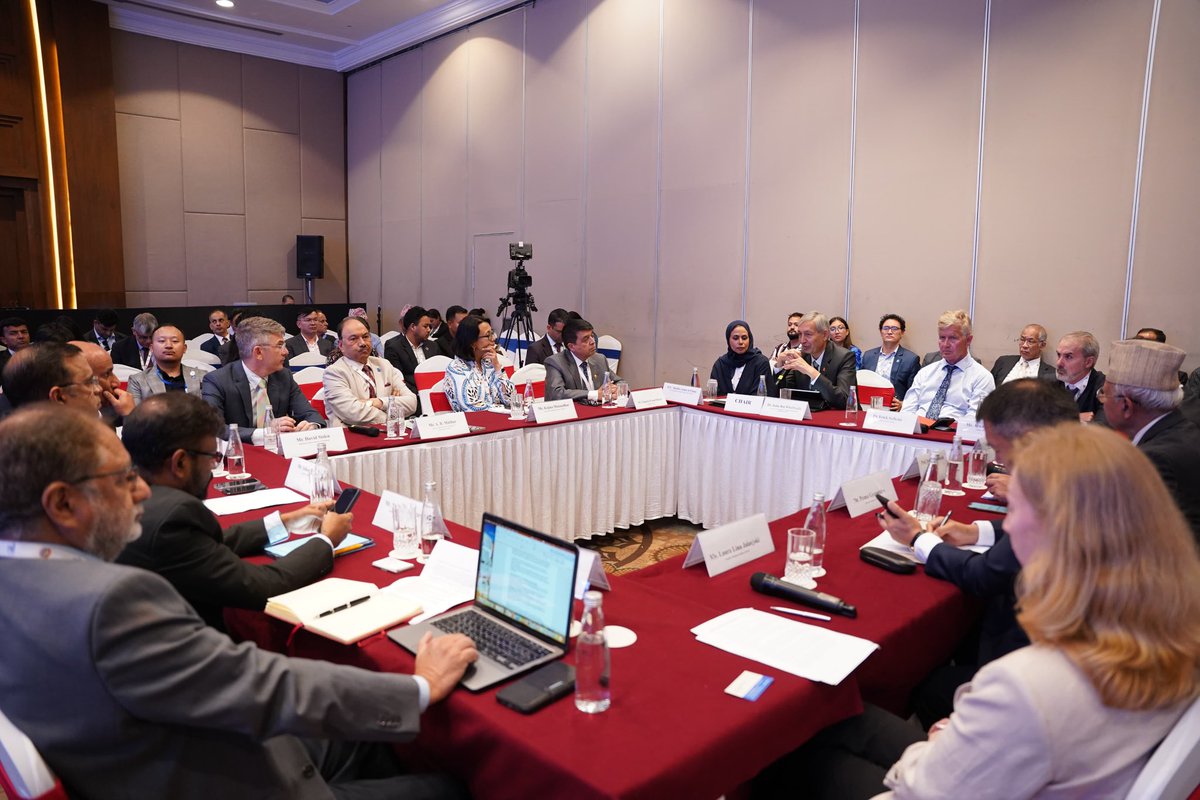
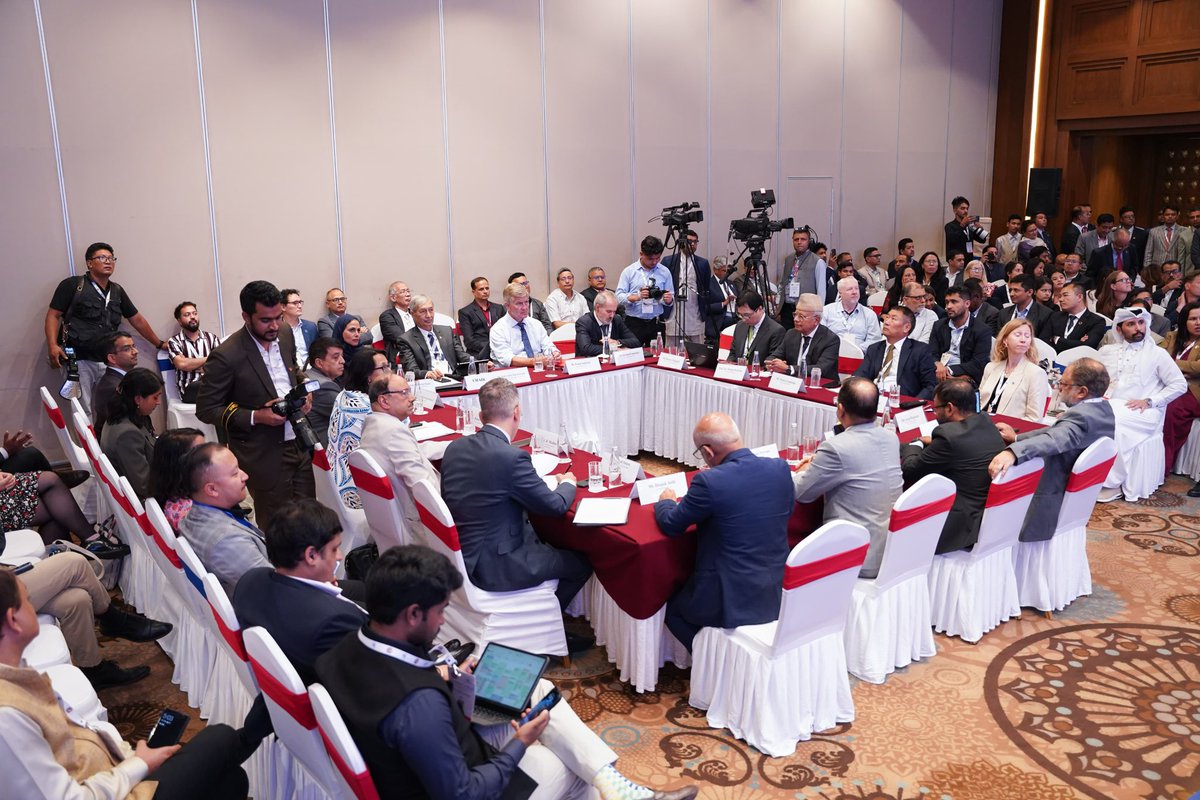
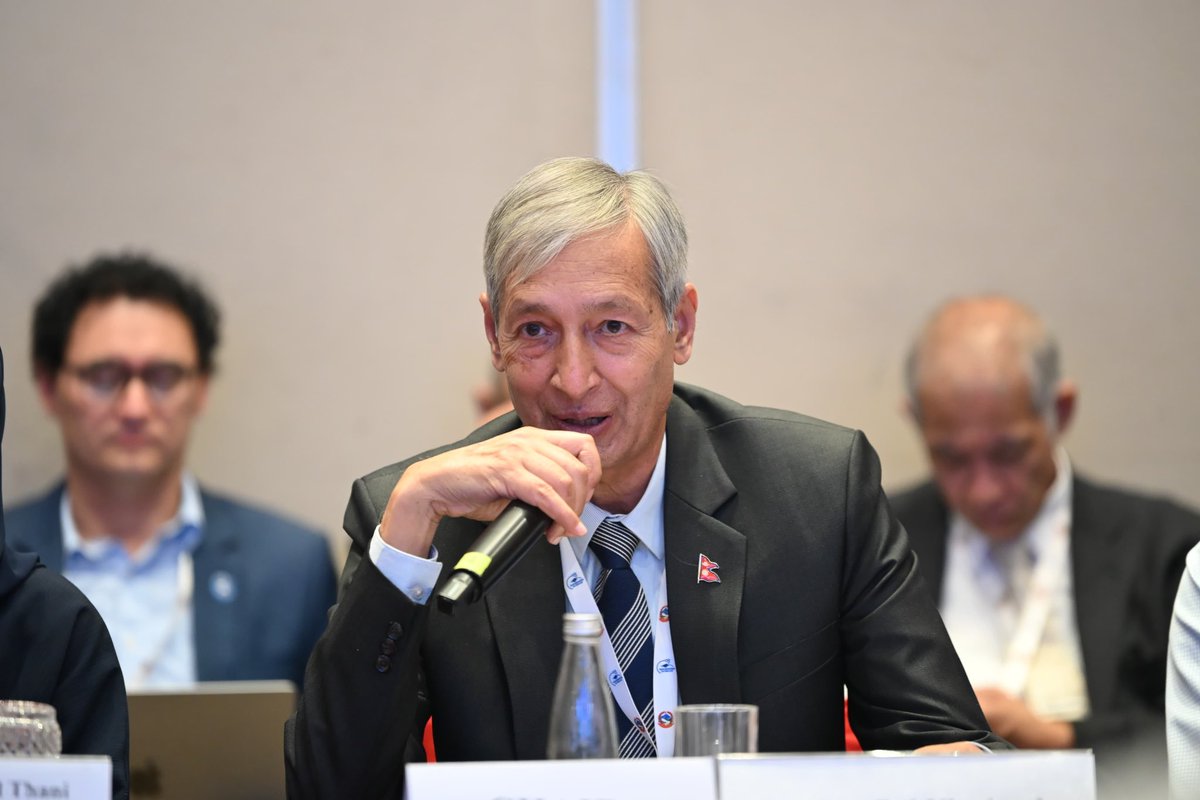
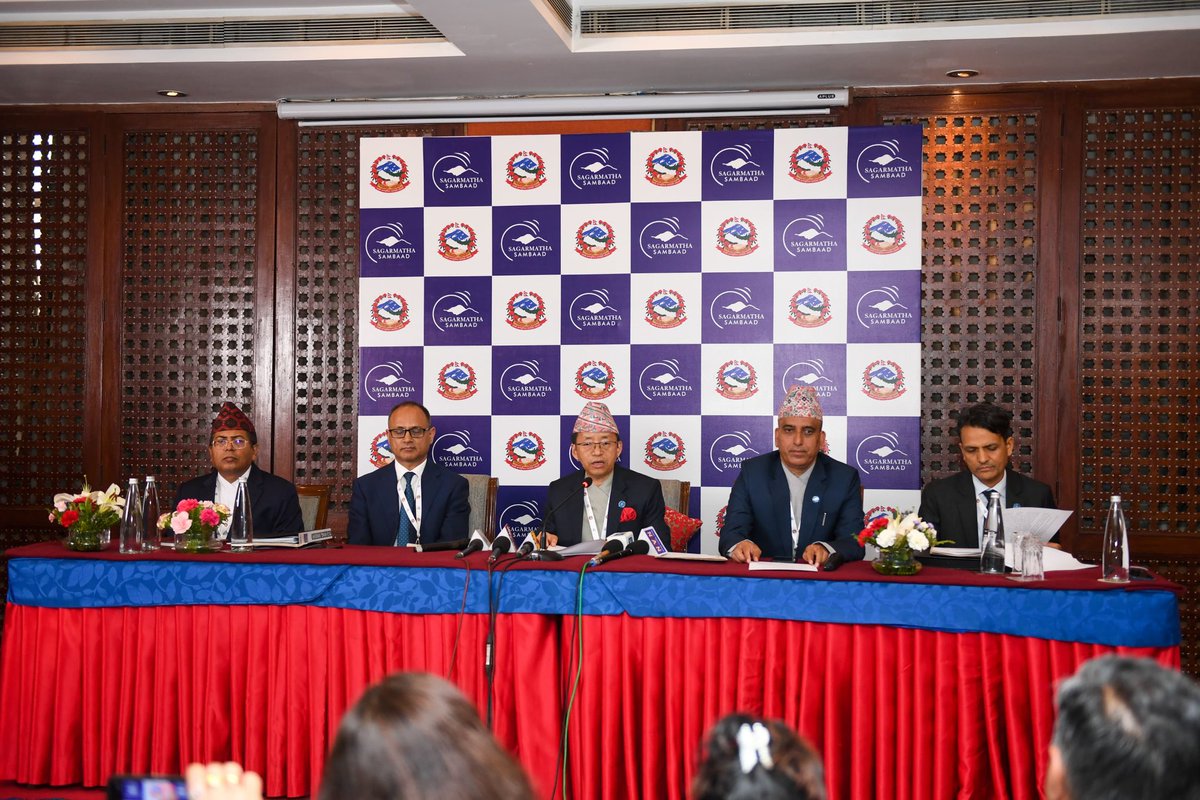
Multi-Stakeholder Roundtable on “Global and Regional Partnerships A Multi-Stakeholder Roundtable was convened today under the theme “Global and Regional Partnerships”, bringing together key voices from across the region to address climate resilience, sustainability and cooperation. The session was chaired by Dr. Yuba Raj Khatiwada, Advisor to the Prime Minister of Nepal. Dr. Erik Solheim @ErikSolheim emphasized that Nepal’s neighbors are rapidly advancing in green technologies. He highlighted Nepal’s hydropower potential as a major opportunity for producing green energy. Ms. Sheikha Asma Al Thani (Everest summiteer) spoke about climate warnings and stressed the need to recognize the value of mountain communities. Mr. Chandra Prasad Dhakal, Chairman, FCCI, called for urgent climate action to safeguard development and livelihoods. Ms. Rojina Manandhar (UNFCCC) underlined the complexity of mountain ecosystems and emphasized the need for regional and transboundary cooperation, with a holistic approach to adaptation. Mr. A. B. Mathur, Security Expert & former Secretary, Government of India, advocated for regional collaboration and nature-based solutions to strengthen climate response. Mr. David Sislen, Divisional Country Director (Maldives, Nepal, Sri Lanka), emphasized the need for building and land use codes to bolster disaster preparedness. Mr. Arnaud Cauchois, Country Director, ADB Nepal, highlighted the urgency of climate financing and investments for a resilient future. Mr. Kotaro Taniguchi, JICA, shared that JICA is mainstreaming climate change in its programs and promoting Japanese best practices in climate resilience. Prof. Dr. Madan Koirala emphasized local and regional partnerships as key to building climate resilience in the Himalayas. Dr. Pema Gyamtsho, Director General, ICIMOD, affirmed ICIMOD’s readiness to support the Government of Nepal in climate action. Ms. Laura Lina Jalasjoki, Country Representative, GGGI, called for innovative climate finance and deeper collaboration with development partners. Mr. Arup Rajauria, Founder & Chairperson, Climate Change and Co-existence Worldwide, stated that responses to climate change must be grounded in science. Mr. Aslam Perwaiz, Executive Director, ADPC, emphasized the need for localized strategies and continuity in climate resilience practices. Mr. Dipak Joshi, CEO, NTB, highlighted the role of tourism in addressing climate change, and stressed the need for capacity-building and ensuring resources reach vulnerable communities. ⸻ Additional Events: Alongside the roundtable, several key events and exhibitions also took place, including: 1.Ministerial Meeting of the Hindu Kush Himalayan Countries, 2.Nepali Organic Tea Tasting experience ⸻ @PM_nepal_ @Arzuranadeuba @ain_shahi @MofaNepal @MOFENepal @amritrai555 @lokbchhetri
Sagarmatha Sambaad tweet mediaSagarmatha Sambaad tweet mediaSagarmatha Sambaad tweet mediaSagarmatha Sambaad tweet media
English
0
10
36
1.8K
Sagarmatha Sambaad
Sagarmatha Sambaad@S_Sambaad·
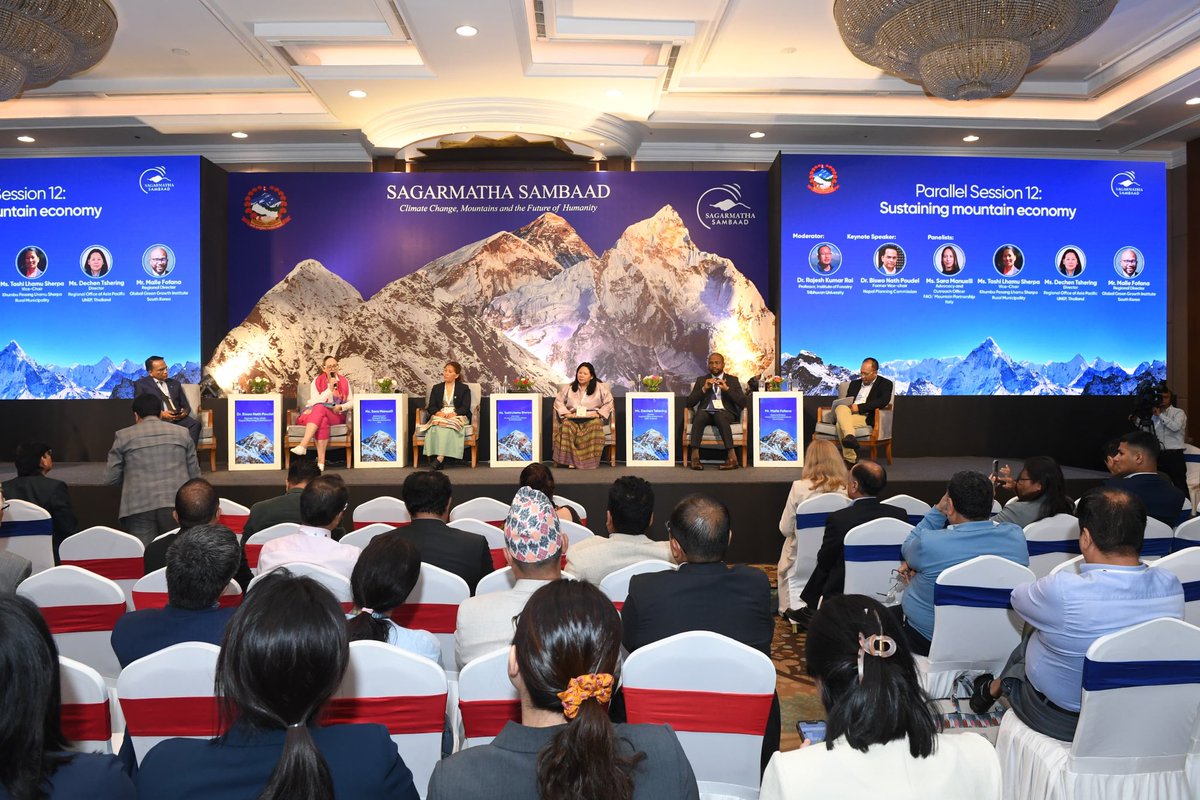
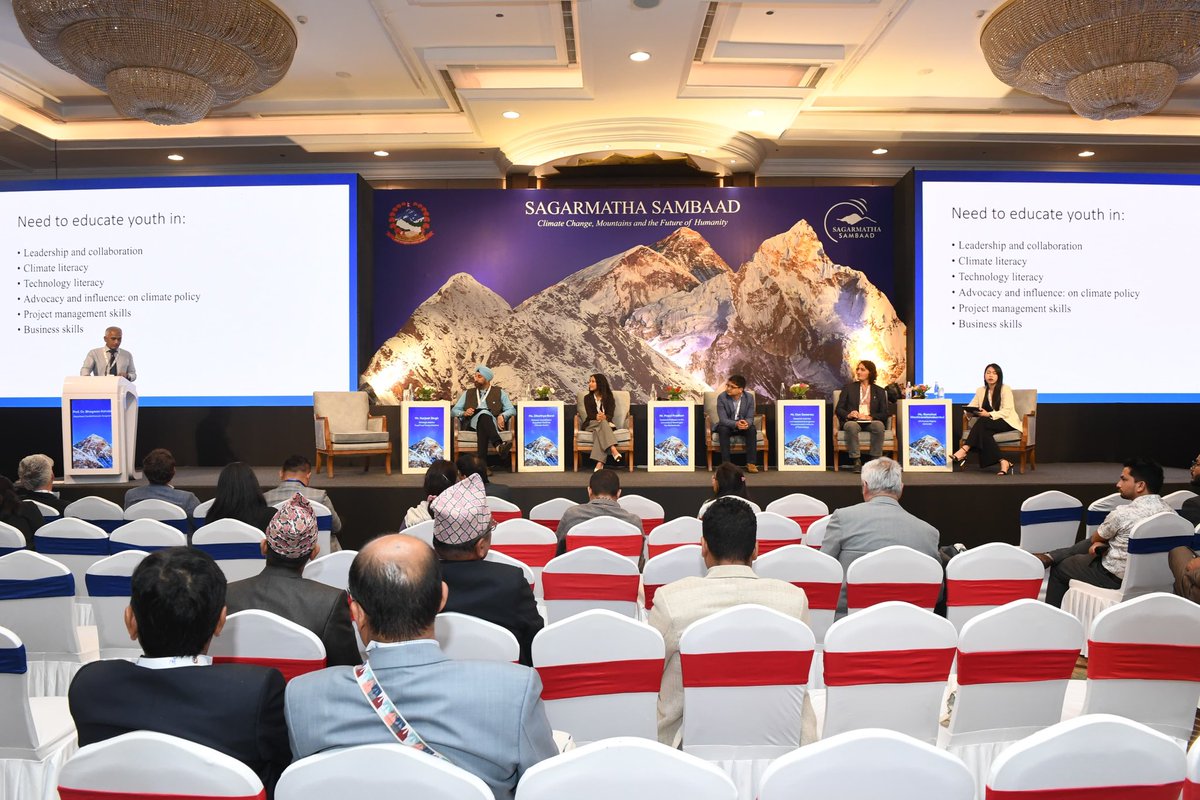
Session 12 The session entitled “Sustaining Mountain Economy” was moderated by Dr. Rajesh Kumar Rai, Professor, Institute of Forestry, TU. He shared his views on beauty and heterogeneity of Mountains. The keynote speaker Dr. Biswo Nath Poudel, Former Vice Chair of Nepal Planning Commission, shed light on the need of Data Centre and Environmental Scientists in this field. Panelist Ms. Tashi Lhamu Sherpa, Vice Chair of Khumbu Pasang Lhamu Sherpa Rural Municipality said that “Sherpas are the key brands” in the mountain context. Panelist Ms. Dechen Tshering, Director of Regional Office of Asia Pacific, UNEP of Thailand stated that people should live in simple way like the mountains. Panelist Ms. Sara Manuelli, Advocay and Outreach Officer of FAO talked on migration, access to market and participatory approach, and capacity development. ——- After completion of these 12 sessions, an additional session on unlocking youth potential in STI was organized and was moderated by Mr. Harjeet Singh, Strategic Advisor, Fossil Fuel Treaty Initiative As Keynote Speaker Professor Dr. Bhagwan Koirala, shed light on connection of climate change with non-communicable and water-borne diseases. Panelist Ms. Dikchhya Baral called for climate justice for young people and children of the mountain communities. Panelist Mr. Prajal Pradhan, Assistant Professor, highlighted goals of Sustainable Development Goals (SDGs) in the sector of innovation. Panelist Mr. Dan Sweeney emphasized on education for the transformation of life in creative and innovative ways. Panelist Ms. Romchat Wachirarattanakornkul underscored the need to focus on youth engagement in disaster-prone area. @PM_nepal_ @Arzuranadeuba @MofaNepal @amritrai555 @lokbchhetri
Sagarmatha Sambaad tweet mediaSagarmatha Sambaad tweet mediaSagarmatha Sambaad tweet mediaSagarmatha Sambaad tweet media
English
0
4
11
887
Sagarmatha Sambaad
Sagarmatha Sambaad@S_Sambaad·
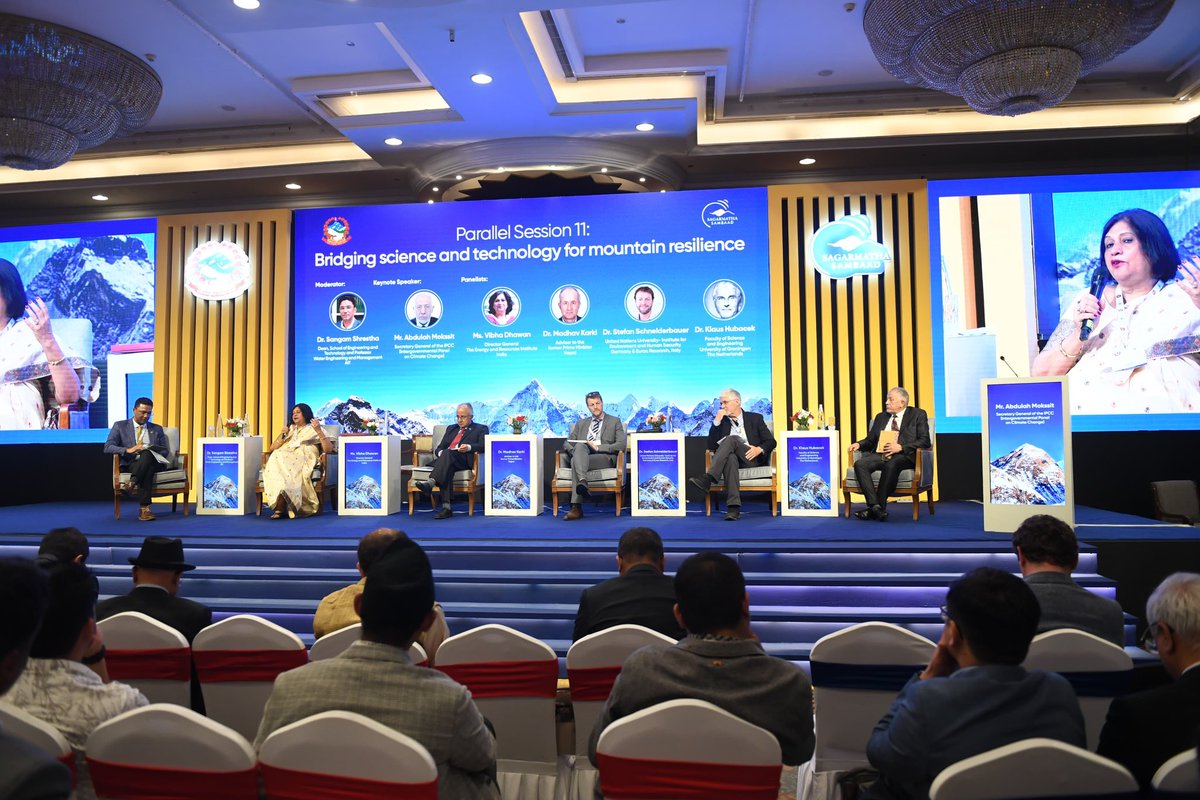
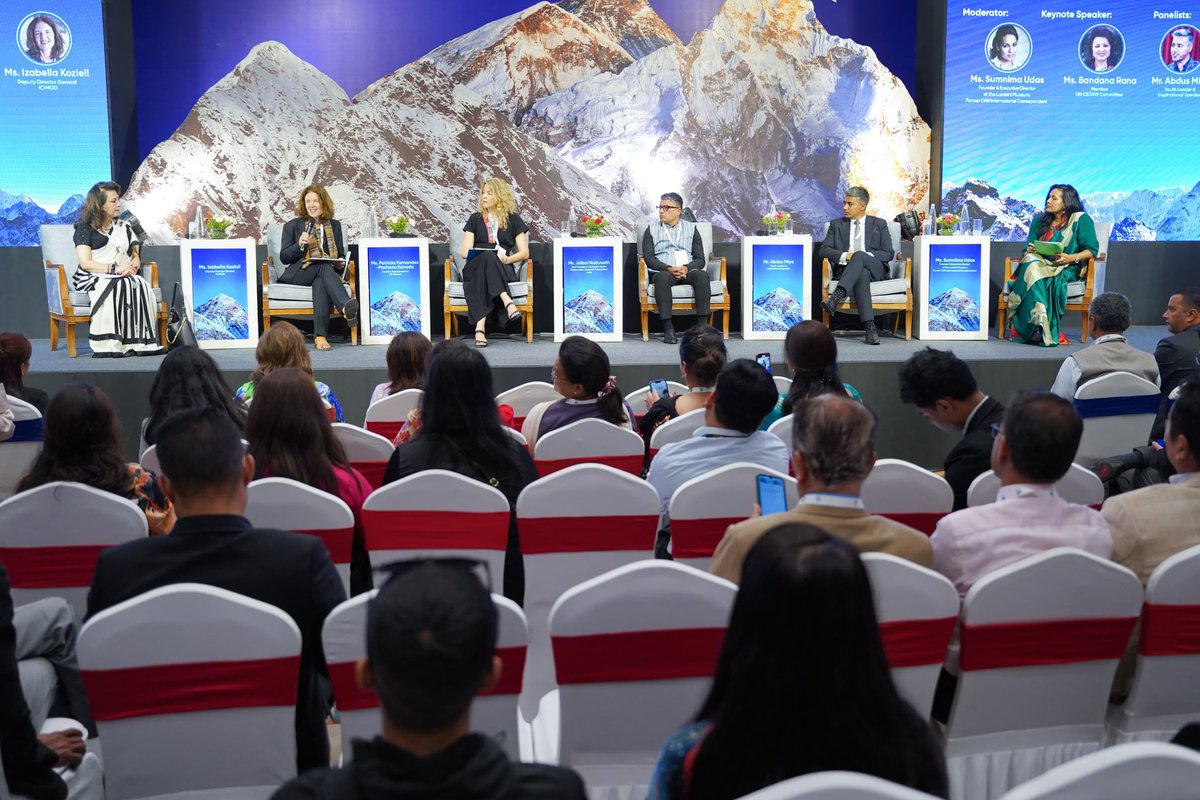
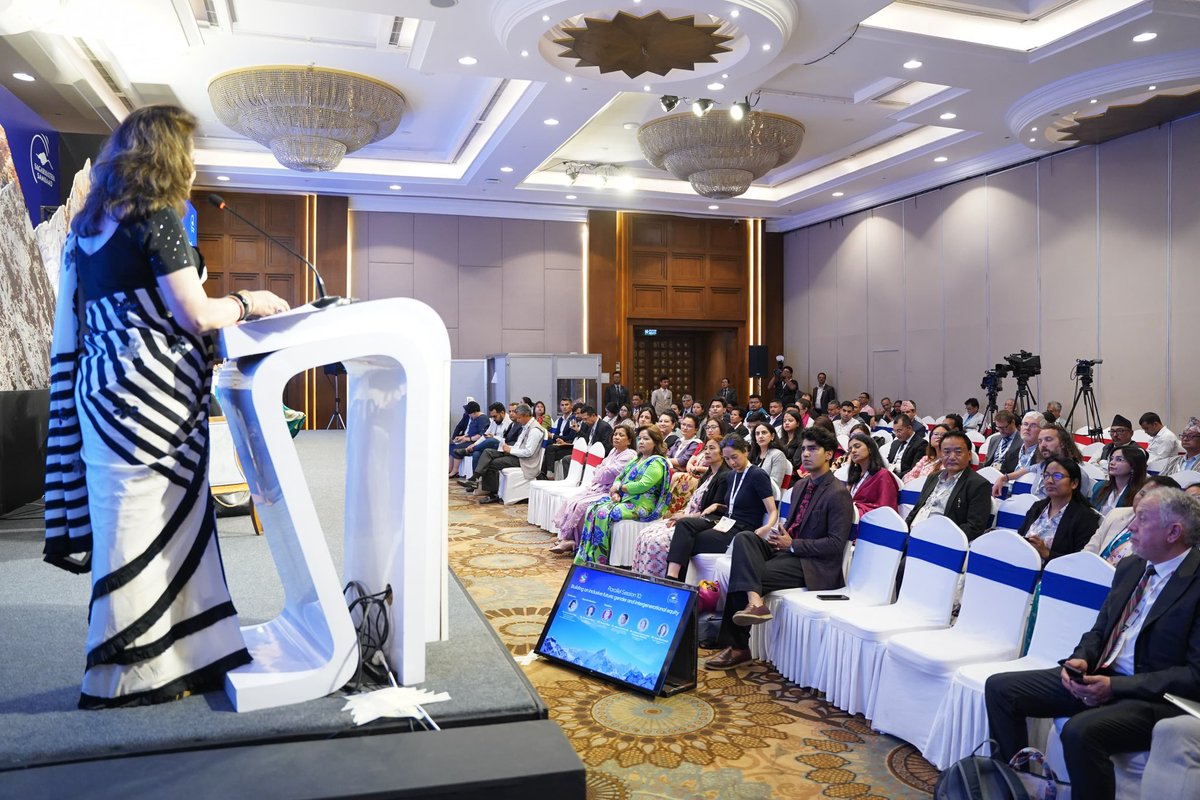
Session 10: Building an inclusive future: gender and intergenerational equity The session was moderated by Ms. Sumnima Udas, Founder & Executive Director of Lumbini Museum. Ms. Bandana Rana, Member of UN CEDAW Committee, was the keynote speaker who highlighted climate change as a cross-cutting issue. Ms. Patricia Fernandez-Pacheco Estrada, Country Representative of UN Women, Mr. Abdus Miya, Youth & Inspirational Speaker of Possible Foundation, Ms. Izabella Koziell, Deputy Director General of ICIMOD) and Mr. Jaibal Naduvath, Vice President and senior Fellow of Observation Research Foundation (ORF) of India spoke as panelists. Matters on job support, experience, wisdom, data system, local level support, disaster/ climate work-led by the NGOs/INGOs were discussed. Session 11: Bridging Science and Technology for Mountain Resilience The session was moderated by Dr. Sangam Shrestha, Dean of School of Engineering and Technology and Professor of Water Engineering and Management at the Asian Institute of Technology, Thailand, As Keynote Speaker Mr. Abdulah Mokssit, Secretary General of the IPCC, highlighted the urgency of actions on climate change and emphasized the need to adopt more adaptation practices. Panelist Ms. Dr. Vibha Dhawan, Director General, The Energy and Resources Institute (TERI), India said that integration of indigenous and modern technology is vital for mountain resilience. Panelist Dr. Klaus Hubacek, Professor of Science, Technology and Society at the University of Groningen and Chair of both IREES and ESRIG said that knowledge transfer is important for mountain resilience. Panelist Dr. Madhav Karki, Advisor to the former Prime Minister of Nepal said that indigenous knowledge is important. He also said that UN System uses the local knowledge. Dr Stefan Schneiderbauer, Head of Center for Global Mountain Safeguard Research (GLOMOS) said that availability of data is necessay and capacity building to use it is equally vital for mountain resilience. @PM_nepal_ @Arzuranadeuba @MofaNepal @MOFENepal @amritrai555 @lokbchhetri
Sagarmatha Sambaad tweet mediaSagarmatha Sambaad tweet mediaSagarmatha Sambaad tweet mediaSagarmatha Sambaad tweet media
English
0
3
12
1K
Sagarmatha Sambaad
Sagarmatha Sambaad@S_Sambaad·
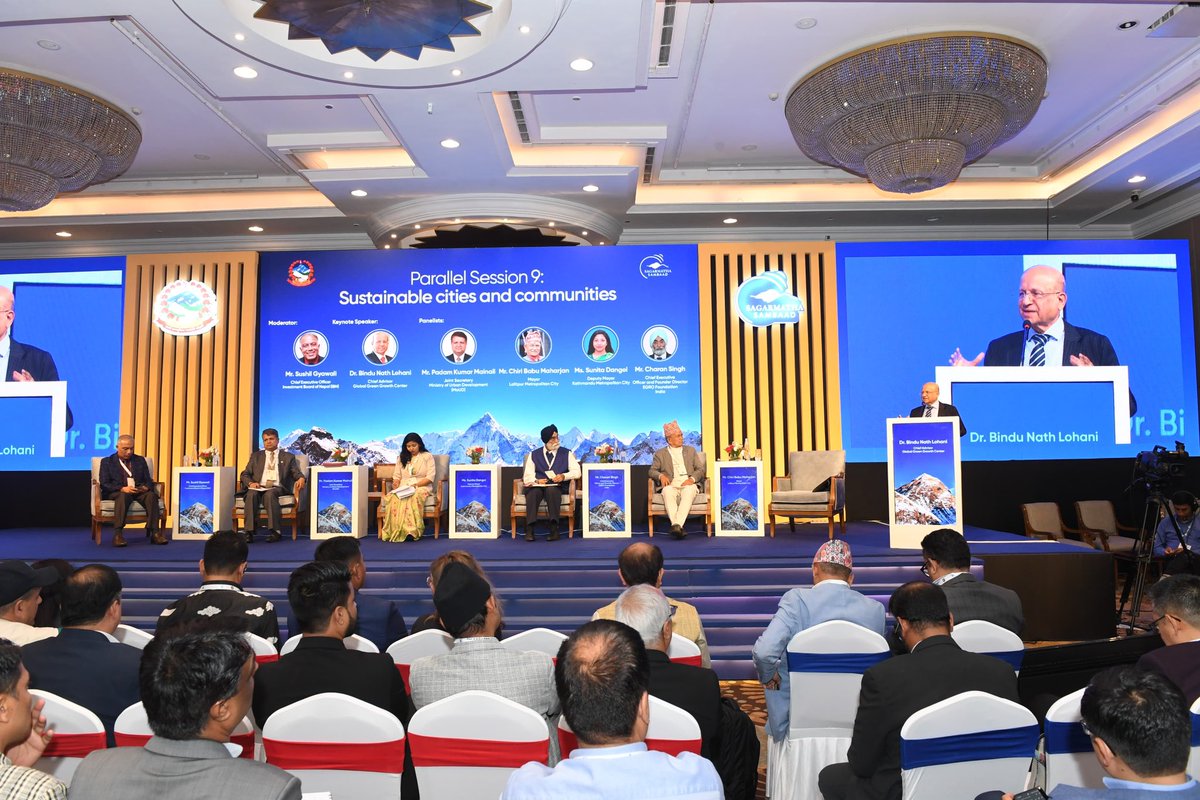
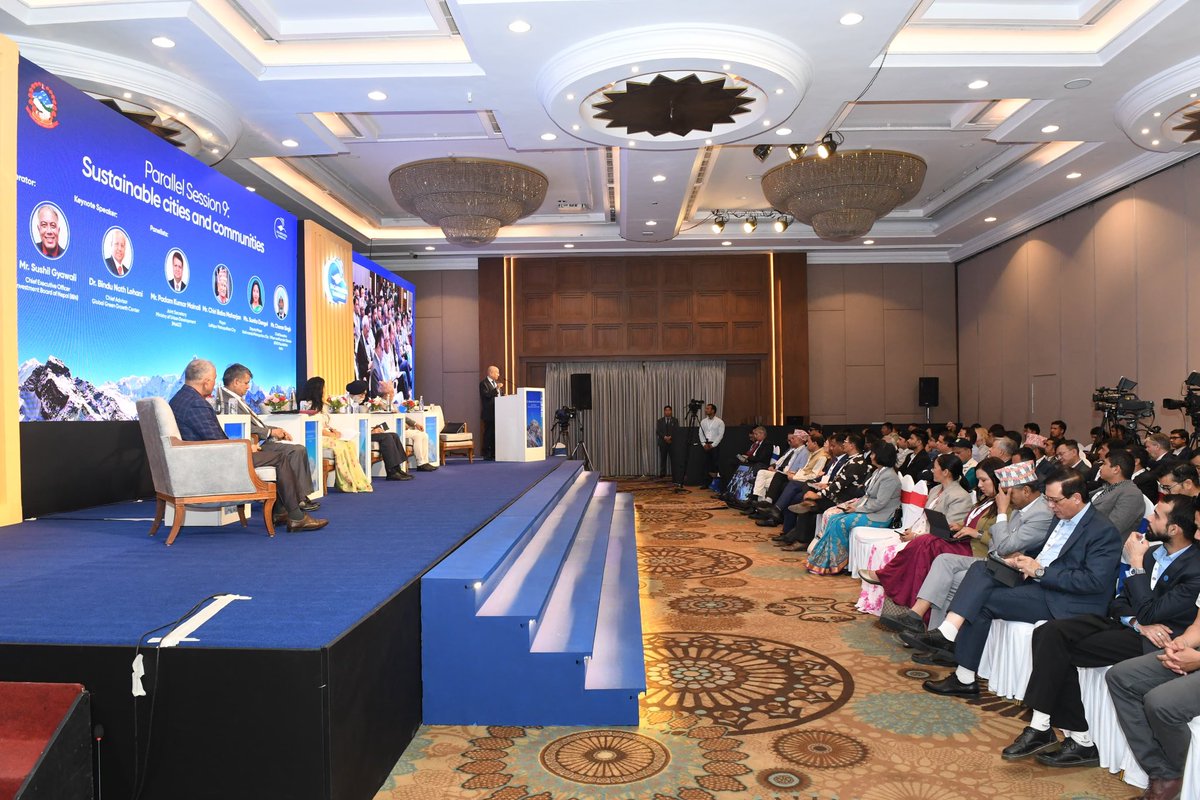
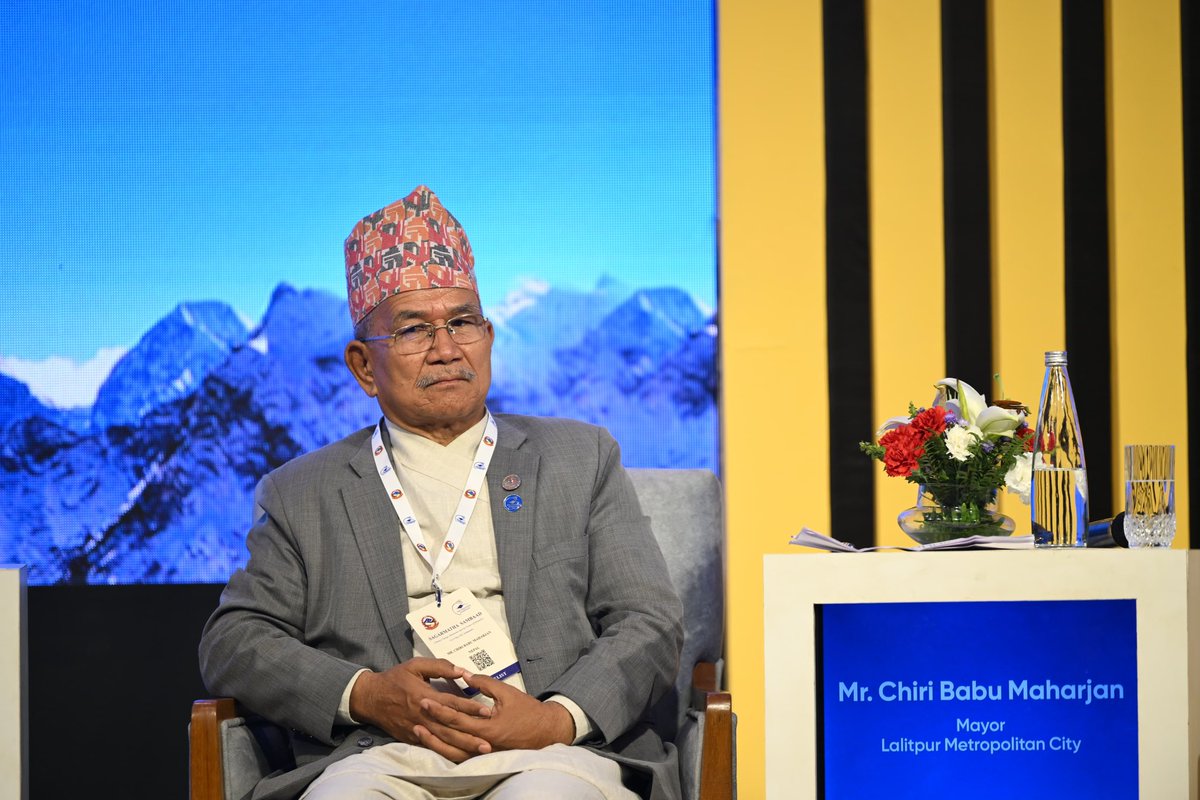
Theme 4: Climate Justice and the Future of Humanity Session 9: Sustainable cities and communities This Session was moderated by Mr. Sushil Gyawali, Chief Executive Officer, Investment Board of Nepal. As Keynote Speaker Mr. Bindu Nath Lohani, Chief Advisor, Global Green Growth Center, talked about the challenges of rapid urbanization and climate change. He emphasized the importance of climate proof and decarbonized cities. He said focussed in the utility of circular economy as a policy. Panelist Mr. Padam Kumar Mainali, Joint Secretary, Ministry of Urban Development, emphasized the importance of institutional and policy reform. Panelist Mr. Chiri Babu Maharjan, Mayor, Lalitpur Metropolitan City (LMC) said that due to climate change the cities are facing multiple challenges. He referred to September 2024 devastating rainfall in Kathmandu Valley and its consequences. He said that as an innovative approach, Lalitpur Metropolitan City launched an app, LMC alert, which offers 22 sevices to try to address problems within few minutes. Panelist Ms. Sunita Dangol, Deputy Mayor, Kathmandu Metropolitan City, said that cities are also contributors of pollution. She emphasized the importance of accessing climate finance. Mr. Charan Singh, Chief Executive Officer and Founding Director, EGRO Foundation, India, said that India is experimenting with smart cities, engaging local comminities and ensuring climate chagne to become the integral part of cities. He also encouraged green financing and the use of renewable energy sources. @PM_nepal_ @Arzuranadeuba @MofaNepal @MOFENepal @ain_shahi @amritrai555 @lokbchhetri
Sagarmatha Sambaad tweet mediaSagarmatha Sambaad tweet mediaSagarmatha Sambaad tweet mediaSagarmatha Sambaad tweet media
English
0
1
6
516
Sagarmatha Sambaad
Sagarmatha Sambaad@S_Sambaad·
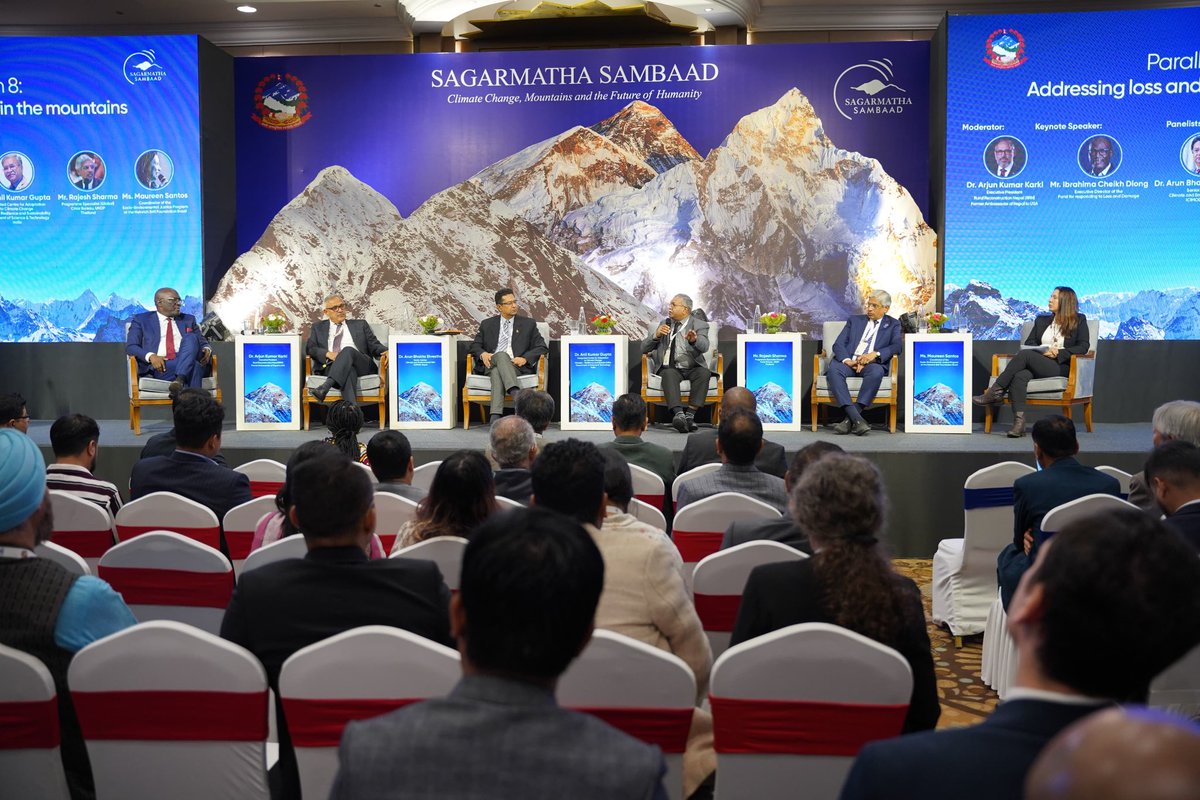
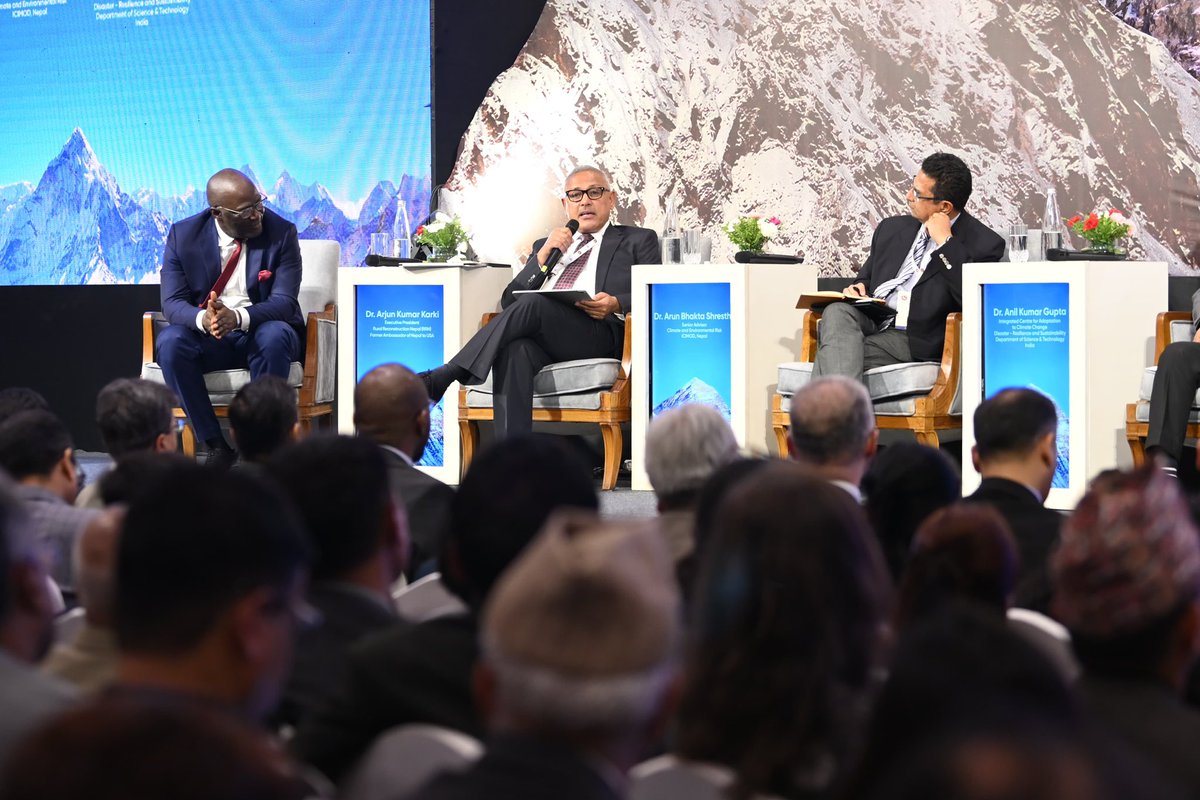
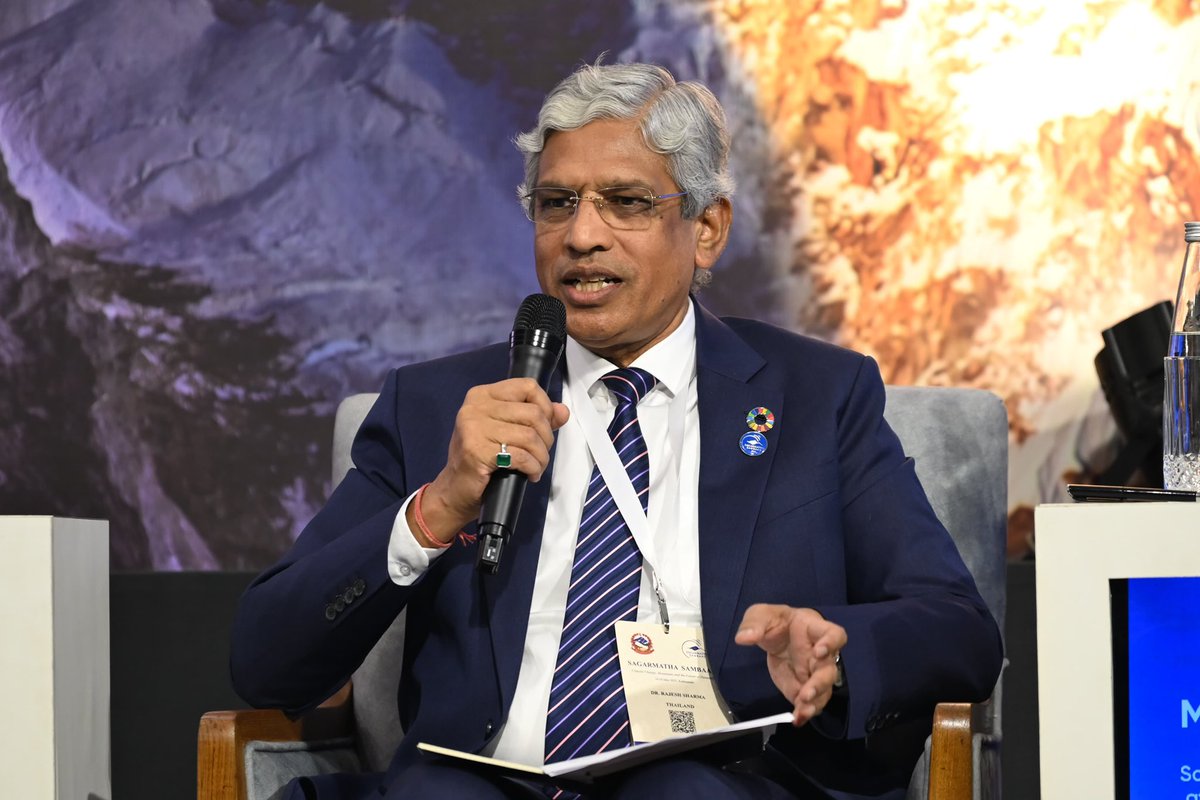
Session 8: Addressing Loss and Damage in the Mountains The session was moderated by Dr. Arjun Kumar Karki, Executive President of Rural Reconstruction Nepal, and former Nepali Ambassador to the US. The keynote speaker Mr. Ibrahima Cheikh Diong, Executive Director of Fund for responding to Loss and Damage emphasized the need to focus more on loss and damage fund. Panelist Mr. Rajesh Sharma, Programme Specialist (Global), Crisis Bureau, UNDP said that Post-Disaster Needs Assessment (PDNA) should be led by Government. He also shed light on the non-economic loss. Panelist Dr. Anil Kumar Gupta, Integrated Centre for Adaption to Climate Change of India, stated that data system is the need of the day in addressing loss and damage. Panelist Dr. Arun Bhakta Shrestha, Senior Advisor of Climate and Environmental Risk, ICIMOD, highlighted that characters of hazards for loss and damage are changing. He also emphasized the need of research and collective voice. Panelist Ms. Maureen Santos, Coordinator of the Socio-Environmental Justice at the Heinrich Böll Foundation, Brazil, shed light on the need of justice regarding climate fund. @PM_nepal_ @Arzuranadeuba @MofaNepal @MOFENepal @ain_shahi @amritrai555 @lokbchhetri
Sagarmatha Sambaad tweet mediaSagarmatha Sambaad tweet mediaSagarmatha Sambaad tweet mediaSagarmatha Sambaad tweet media
English
0
4
13
679
Sagarmatha Sambaad
Sagarmatha Sambaad@S_Sambaad·
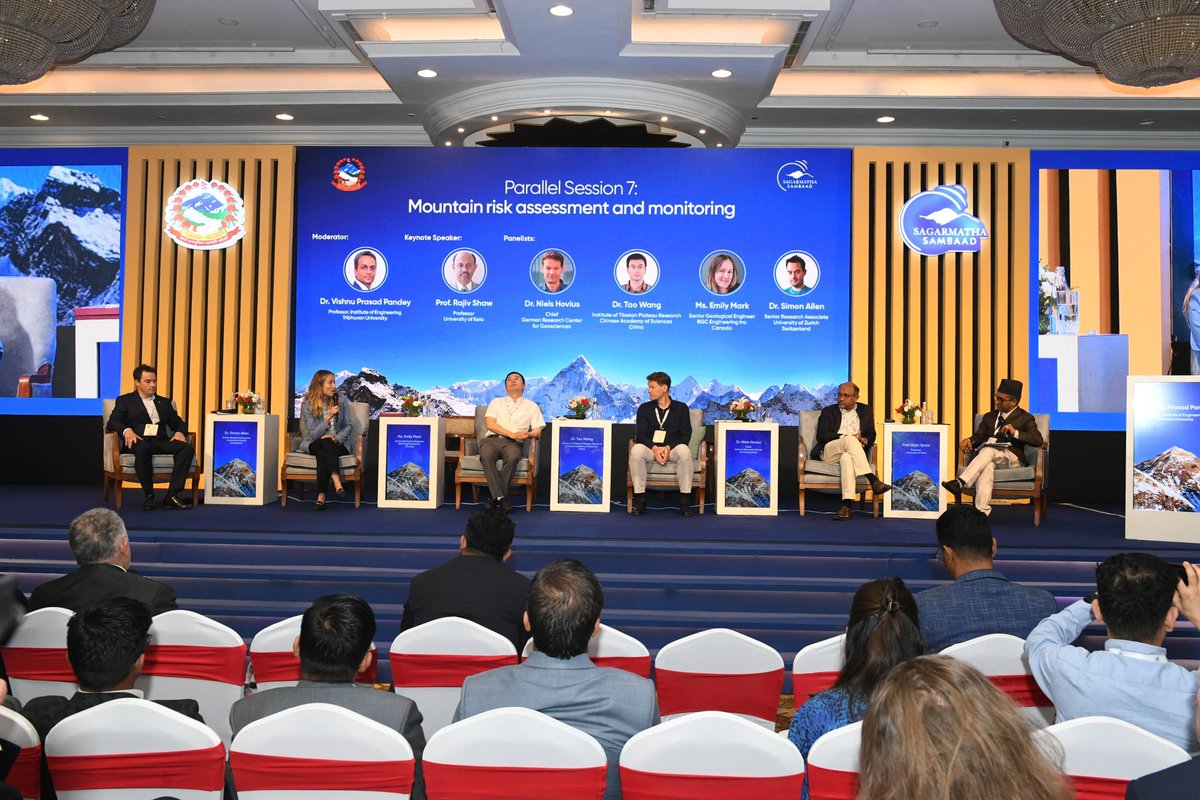
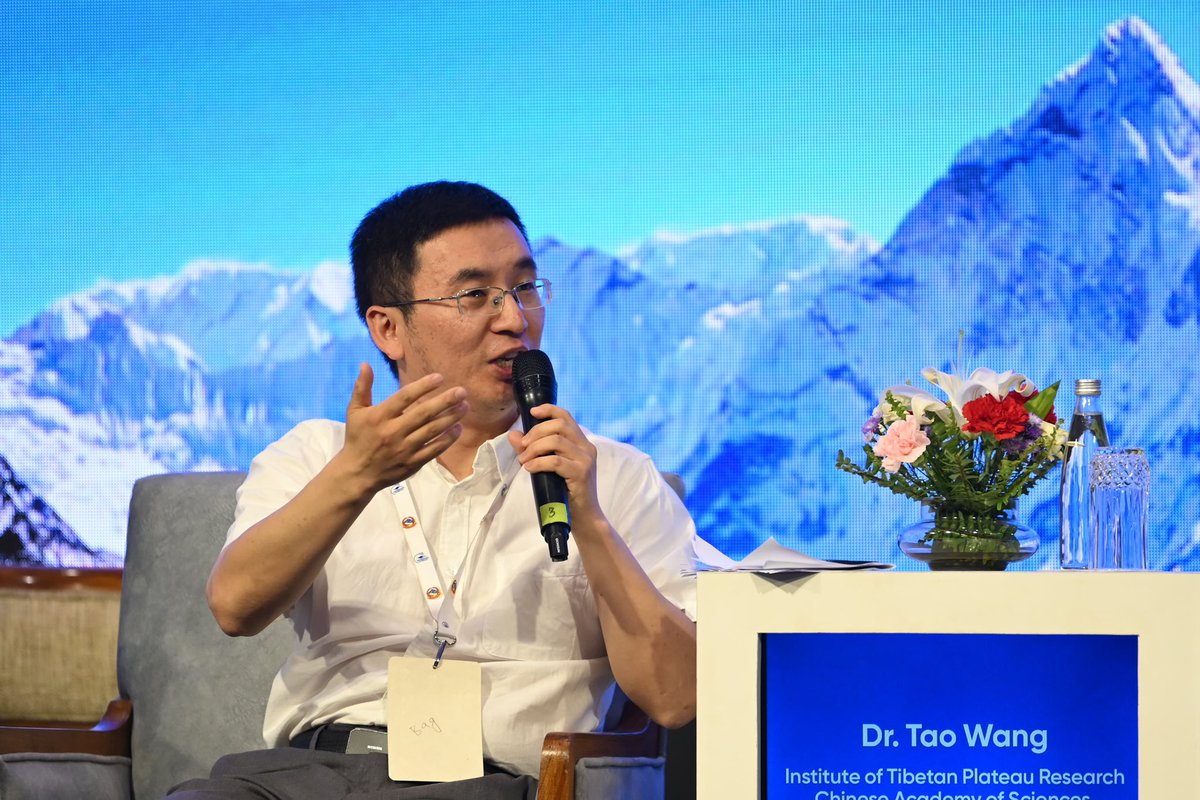
Session: 7 Theme 3: Averting, Minimizing and Addressing Loss and Damage This session entitled “Mountain risk assessment and monitoring” was moderated by Dr. Vishnu Prasad Pandey, Professor, Institute of Engineering, Tribhuwan University. As Keynote Speaker Dr. Rajiv Shaw, Professor, Universary of Keio, emphasized the importance of urban-rural linkages, futuristic tech drivenn society like Society 5.0 and policy advocacy. Panelist Dr. Niels Hovius, Chief, German Research Center for Geosciences, highlighted the important role science plays in minimizing mountain risks and hazards. Panelist Dr. Tao Wang, Institute of Tibetan Plateau Reaseach, CAS, China, said that heatwaves can also trigger the risk in the mountains regions, requiring better data integration and monitoring risks in this regard. Panelust Ms. Emily Mark, Senior Geological Engineer, BGC Engineering Inc, Canada, focussed on hazards across the mountains, local understaing and continuation of the dialogue. Panelist Dr. Simon Allen, Senior Research Associate, University of Zurich, Switzerland, emphasized on the indigenous knowledge in understanding disasters. @PM_nepal_ @Arzuranadeuba @MofaNepal @MOFENepal @ain_shahi @amritrai555 @lokbchhetri
Sagarmatha Sambaad tweet mediaSagarmatha Sambaad tweet mediaSagarmatha Sambaad tweet mediaSagarmatha Sambaad tweet media
English
0
1
5
391