Sabitlenmiş Tweet

سعد بن محمد العتيق Saad Alateeq
1.4K posts

@SaadMAtq
Criminal and Community Justice, Social Work -King Saud University. - أستاذ الخدمة الاجتماعية المساعد- عضو هيئة تدريس - جامعة الملك سعود. #Strathclyder



Last week, after a keynote at a multi-national firm, someone asked me a great question: “How do you help people feel their work actually matters?” It’s a deceptively simple question, but one every leader should sit with. According to a 2023 Harvard Business Review study, meaning ranked as the single most important factor for employees, outweighing salary, promotions, or working conditions. When people don’t see how their work matters, even the best perks fall flat. But when they do? They go further than any mandate requires. The mistake we often make is assuming that meaning trickles down from mission statements or culture decks. But meaning isn’t inherited. It’s built, reinforced, and modeled. And much of that building happens in the ordinary moments: - The way you talk to your team - The moments you celebrate - The behaviors you tolerate - The actions you choose to reward Leaders who help others feel their work matters do it with specificity. They connect effort to outcomes. They remind people: This is who you’re helping. And this is why it counts. In high-pressure environments, meaning is a psychological buffer. It lowers burnout, and it increases loyalty. We need to be needed. Work becomes meaningful when it combines earned success with service to others. If people know their work matters, they show up like it does. So the better question for leaders might be: Can the people you lead see why their work matters, and who is better off because of it?

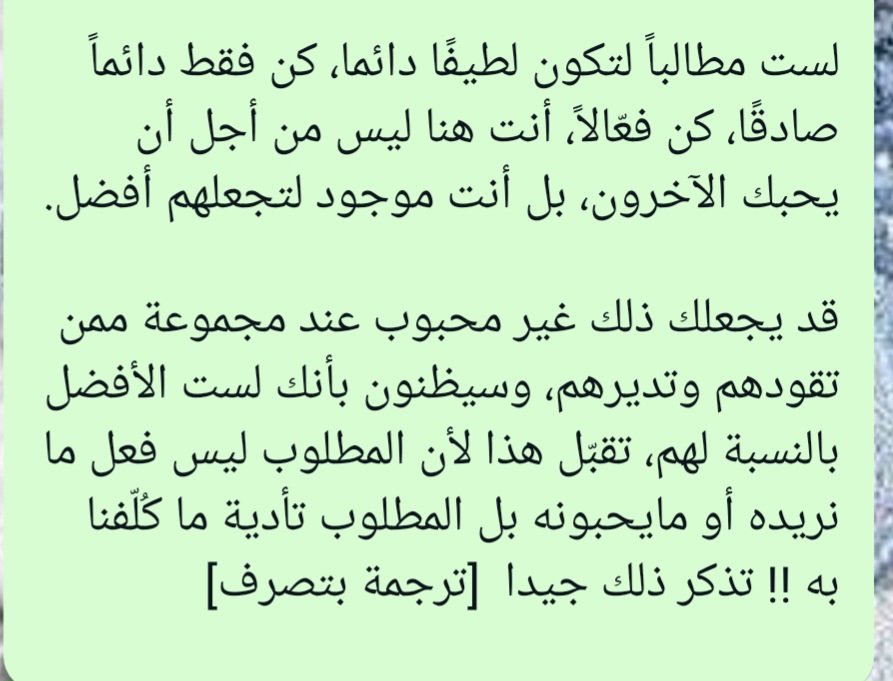


في جواب على سؤال عن ما هي العوامل التي تساهم في استمرار الطرق التقليدية في ممارسة الخدمة الاجتماعية بالرغم من التطورات الحديثة؟، أجبت: أعتقد أن ( الإرث الثقافي ) في تعليم وممارسة وتدريب الخدمة الجتماعية هو السبب الأساسي في بقاء الممارسات التقليدية قيد التنفيذ.