SafeShield

84 posts

SafeShield banner
SafeShield

SafeShield

@SafeShield_X

SafeShield Your Last Line of Defense on-chain

Katılım Haziran 2024
65 Takip Edilen19.7K Takipçiler
SafeShield
SafeShield@SafeShield_X·
Most users never notice a security system until something breaks. That’s usually the problem. This week, SafeShield completed another round of behavioral threat simulation focused on wallet permission abuse — one of the most overlooked attack paths in Web3 right now. Not every exploit starts with a hacked contract. Sometimes it starts with a single signature that looked harmless. The goal isn’t just detecting attacks faster. It’s reducing the number of dangerous actions users ever reach in the first place.
English
0
1
2
51
SafeShield
SafeShield@SafeShield_X·
Security on-chain shouldn’t start after the damage is done. SafeShield delivers real-time threat intelligence, live risk scoring, and rapid-response protection built for the Base ecosystem. A stronger on-chain future needs faster defense. #SafeShield #Base #Web3Security
English
0
0
0
57
SafeShield
SafeShield@SafeShield_X·
It rarely starts with something dramatic. Just a small flaw, quietly exposed. Then comes the scan. The automation. The spread. Different incidents, same pattern — what looks like isolated events is actually a repeatable chain. Understanding the pattern matters more than chasing the headline. #SafeShield
English
1
0
0
54
SafeShield retweetledi
Cyber Security News
Cyber Security News@The_Cyber_News·
⚠️ClickUp's Hardcoded API Key Exposes 959 Emails from Fortune 500 Giants Source: cybersecuritynews.com/clickup-hardco… A publicly accessible JavaScript file on ClickUp's homepage has been silently leaking nearly a thousand corporate and government email addresses, including employees from Fortinet, Home Depot, Tenable, Mayo Clinic, and U.S. state government workers, through a hardcoded third-party API key that was first reported in January 2025 and remains unrotated as of April 2026. The exposure was uncovered by a security researcher who visited ClickUp's homepage, inspected the page source, and found a hardcoded API key embedded directly in a JavaScript file, one that loads before any user authentication takes place. #cybersecuritynews #clickup
Cyber Security News tweet media
English
3
21
64
5K
SafeShield
SafeShield@SafeShield_X·
This week’s signal isn’t one exploit — it’s a shift. AI is now part of the attacker toolkit, automating reconnaissance and vulnerability discovery at scale. A small group just used AI to breach hundreds of millions of records across government systems. And even long-patched vulnerabilities are being reused as active entry points again. Different techniques. Same pattern: attacks are becoming automated, repeatable, and scalable. The real challenge now isn’t finding bugs. It’s keeping up with systems that exploit them faster than humans can react. itpro.com/security/ai-is… #SafeShield
English
0
0
1
92
SafeShield retweetledi
Malwarebytes
Malwarebytes@Malwarebytes·
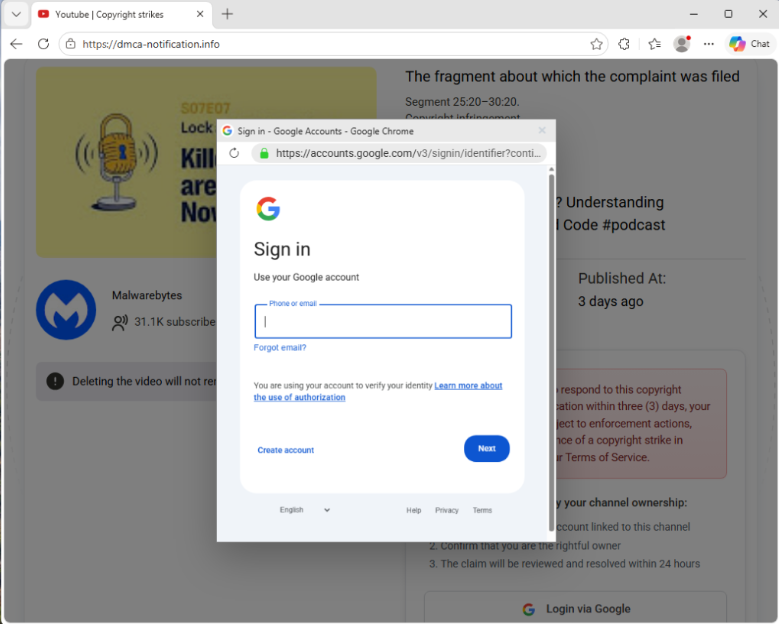
🚨 YouTube creators, beware: A new phishing scam is targeting creators by using fake copyright strike alerts in order to steal login credentials and take over YouTube accounts. malwarebytes.com/blog/threat-in…
Malwarebytes tweet media
English
29
235
649
65.4K
SafeShield retweetledi
The Hacker News
The Hacker News@TheHackersNews·
🔒 Google is tightening Android’s defenses. In Android 17 Beta 2, Advanced Protection Mode 🛡️ blocks most apps from accessing the Accessibility Services API. Malware has long abused it to read screens and steal data. 🔗 Read → thehackernews.com/2026/03/androi…
English
9
61
177
45.6K
SafeShield retweetledi
Hackademy
Hackademy@hack_ademy·
After gaining access to a system, attackers often begin by identifying which users are currently logged in. Active sessions represent authenticated identities that the system already trusts. If a privileged account is active, the attacker may be able to interact with that session or harvest credentials from its processes. In the terminal below, the attacker first confirms their own identity and then enumerates logged-in users using commands like query user and qwinsta. These commands reveal both console and remote desktop sessions currently active on the machine. By identifying which users are logged in, the attacker can determine whether administrators or high-value accounts are present. Next, the attacker inspects running processes tied to those sessions and lists network sessions established by the system. This helps confirm which accounts are actively interacting with the machine. Security logs showing recent logon events provide additional confirmation of authentication activity. Instead of attacking passwords directly, the attacker is mapping existing sessions that may already grant access to trusted identities.
Hackademy tweet media
Security Trybe@SecurityTrybe

Passwords are only one part of authentication. Once a user successfully logs in, most systems create a session that proves the user has already authenticated. That session can remain valid for minutes or hours depending on the system configuration. As long as the session exists, the server trusts the user without asking for the password again. Attackers often target sessions instead of credentials because stealing a session token is easier than cracking a password. Web browsers, memory dumps, and process inspection can all expose active authentication tokens. If an attacker obtains that token, they may be able to impersonate the user immediately. This is why many breaches happen without password guessing or brute force attacks. The attacker simply takes over an already authenticated session. From the server’s perspective, nothing unusual happened. The session is still valid, so the system continues to trust it.

English
3
138
856
55.1K
SafeShield
SafeShield@SafeShield_X·
This week’s headlines tell a familiar story. A single vulnerability turned into web-shell access. Automated tools were used to scan and compromise devices at scale. Another round of data exposures surfaced across multiple platforms. Different incidents, different targets — but the pattern is the same: attacks are becoming systematic, automated, and industrialized. The real challenge now isn’t patching one bug. It’s understanding the systems that allow these chains of events to happen. thehackernews.com/2026/02/beyond… #SafeShield
English
0
0
2
39
SafeShield
SafeShield@SafeShield_X·
A sophisticated iPhone hacking toolkit called Coruna just surfaced outside intelligence circles. It reportedly exploits 23 iOS vulnerabilities and can compromise a device simply by visiting a web page. What was once nation-state capability is now appearing in criminal campaigns. The line between cyber-warfare tools and everyday cybercrime keeps getting thinner. Security isn’t just infrastructure anymore — it’s personal. wired.com/story/coruna-i… #SafeShield
English
24
1
16
6.4K
SafeShield retweetledi
The Hacker News
The Hacker News@TheHackersNews·
🚨 A new phishing suite called "Starkiller" proxies real login pages to bypass MFA. It runs headless Chrome in Docker, loads the legitimate site, and relays everything live. Keystrokes and session tokens pass through attacker infrastructure, enabling account takeover. 🔗 How the AitM setup works → thehackernews.com/2026/03/starki…
The Hacker News tweet media
English
7
83
236
26.7K
SafeShield
SafeShield@SafeShield_X·
This week’s cyber intel isn’t one big headline — it’s many small signals showing how threats are quietly evolving. Developers’ tools can be abused for remote code execution, credential theft frameworks are widely exposed, and attacker infrastructure is being reused like shared services — not one-off hacks. thehackernews.com/2026/02/threat… In Web3, risk isn’t just about smart contract bugs — it’s about trusted workflows, tools, and configurations being weaponized at scale. Security has to be proactive, not just reactive. #SafeShield #BlockchainSecurity #Web3
English
23
1
9
6.1K
SafeShield
SafeShield@SafeShield_X·
🚨 AI-generated PowerShell malware is now targeting blockchain developers directly, exploiting trust in common dev tools. Plus, Matcha Meta confirmed a $16.8M token drain after attackers abused direct token approvals. This isn’t distant tech talk — it’s the environment your wallet lives in. Security needs to be proactive, not optional. mexc.co/en-PH/news/559… #SafeShield #BlockchainSecurity #CryptoSafety
English
38
5
28
6.9K
SafeShield retweetledi
Cyber Security News
Cyber Security News@The_Cyber_News·
🛡️ Clawdbot Gateways Exposed - Hundreds of API Keys and Private Chats Vulnerable Source: cybersecuritynews.com/clawdbot-chats… Clawdbot, the surging open-source AI agent gateway, faces escalating security concerns, with hundreds of unauthenticated instances exposed online and multiple code flaws that enable credential theft and remote code execution. Services like Shodan and Censys index HTTP fingerprints, such as favicons or specific phrases, enabling rapid discovery. Similar scans revealed over 900 exposed Gateways on port 18789, many of which were unauthenticated. #cybersecurityNews #vulnerability #Clawdbot
Cyber Security News tweet media
English
10
100
329
26.5K
SafeShield retweetledi
Cointelegraph
Cointelegraph@Cointelegraph·
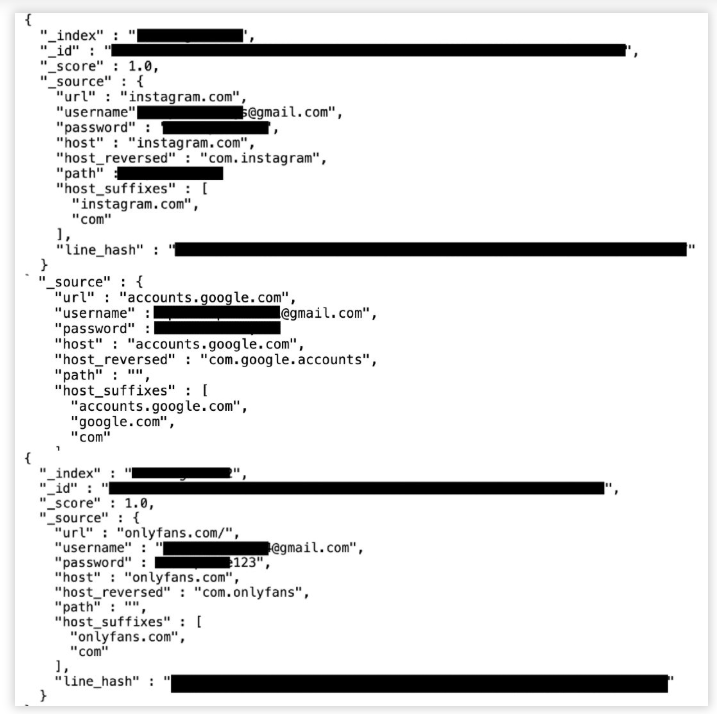
🚨 ALERT: Around 149M user credentials were exposed in a massive infostealer data dump, including roughly 420k Binance-related logins. The leak originated from malware-infected devices, not a Binance breach.
Cointelegraph tweet media
English
115
247
1.2K
297.6K
SafeShield
SafeShield@SafeShield_X·
🧩 Every Web3 user has a story. A moment you trusted the wrong link, signed the wrong transaction, or caught something just in time. We’re collecting real stories from the community — no judgments, just awareness. What’s the biggest lesson you’ve learned about staying safe on-chain? 👇 #SafeShield
English
31
1
12
7.3K
SafeShield retweetledi
Cyber Security News
Cyber Security News@The_Cyber_News·
🚨 One-Click Telegram Flaw Exposes Real IP Addresses Source: cybersecuritynews.com/one-click-tele… A stealthy flaw in Telegram’s mobile clients that lets attackers unmask users’ real IP addresses with a single click, even those hiding behind proxies. Dubbed a “one-click IP leak,” the vulnerability turns seemingly innocuous username links into potent tracking weapons. The issue hinges on Telegram’s automatic proxy validation mechanism. When users encounter a disguised proxy link, often embedded behind a username (e.g., t[.]me/proxy?server=attacker-controlled), the app pings the proxy server before adding it. #CybersecurityNews
Cyber Security News tweet media
English
13
127
508
47.2K
SafeShield
SafeShield@SafeShield_X·
🧠 Millions of dollars worth of botnets, malware attacks, and cloud exploits dominated the first round of cybersecurity incidents in 2026—a reminder that attackers never stop, even on holidays. Threats evolve silently, yet relentlessly. thehackernews.com/2026/01/weekly… In the Web3 era, risks exist not only deep within code but also at every stage of trust. Security must be proactive, not reactive. #SafeShield #BlockchainSecurity
English
30
2
10
7.4K