We know what silica exposure does. We know how to limit it. So why is the standard for miners still in limbo?
At a recent House hearing, a workers’ advocate called for the MSHA silica rule to move forward.
🔗 bit.ly/438J54x
During OSHA’s HazCom transition, the same chemical may have different classifications at the same site – creating new challenges for safety teams.
🔗 Find out how to manage the confusion: lnkd.in/eE_uweyy
The hardest part of working from home isn’t the work – it’s the quiet disconnection that creeps in over time. In remote environments, connection isn’t automatic. It has to be intentional.
🔗 Learn more: bit.ly/4tMkgpG
New York construction remains one of the most dangerous industries in the state, according to the New York Committee for Occupational Safety and Health’s annual report on construction worker deaths.
🔗 bit.ly/4dA5Kex
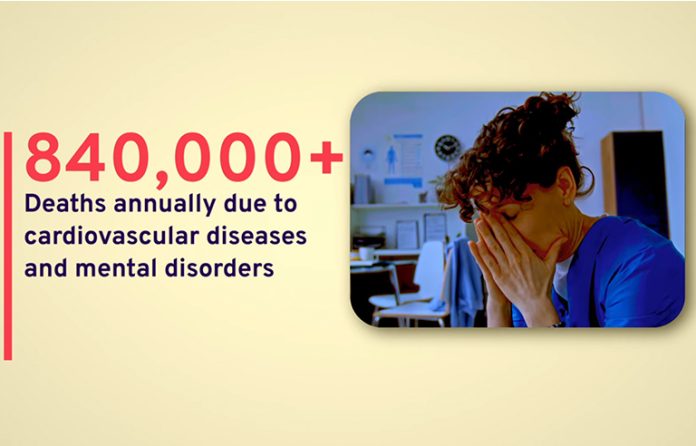
A new global report links psychosocial hazards at work to more than 800,000 early deaths each year.
That finding underscores a broader point: protecting workers means looking beyond physical hazards to how work is structured and managed every day.
🔗 bit.ly/4v4hhu1
Managing incidents is not the same as managing risk. The next free S+H webinar explores how organizations are connecting safety data to broader operational risk to improve visibility and decision-making.
🔗 Register here: bit.ly/4uqNrA0
More than 1 in 4 workers have considered quitting because of their mental health. Yet fewer than a third say they receive any mental health training or resources at work.
🔗 Read the full survey findings: bit.ly/3Pwwxk6
Follow us for more safety insights like this.
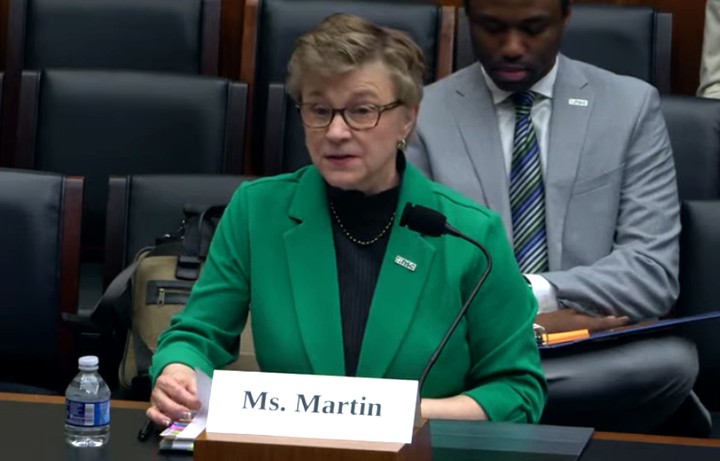
National Safety Council CEO Lorraine Martin testified before Congress this week on the future of workplace safety.
🔗 Take a closer look: bit.ly/4nsKX14
Follow us for more safety insights like this.
When organizations introduce MSD prevention technologies (like wearables, computer vision and exoskeletons), more than 80% of workers report reduced symptoms – or no negative impact.
🔗 Learn more here: bit.ly/4nLPV9D
OSHA has launched its Safety Shout-Out Challenge. The goal: recognize safe behaviors in real time – and reinforce the habits that keep people safe.
🔗 See how it works and get involved: bit.ly/3QVXdez
Workplace injury rates are going down. That’s good. But the injuries that do occur are more complex – and taking longer to heal.
What does that shift mean for your safety strategy?
🔗 bit.ly/3PlDq7A
The NSC Safety Summit kicked off this week with strong momentum and a clear message: trust drives safety performance.
🔗 Full recap from the opening session: bit.ly/3QUDkV6
We often break safety down into individual hazards. But in practice, they rarely exist in isolation.
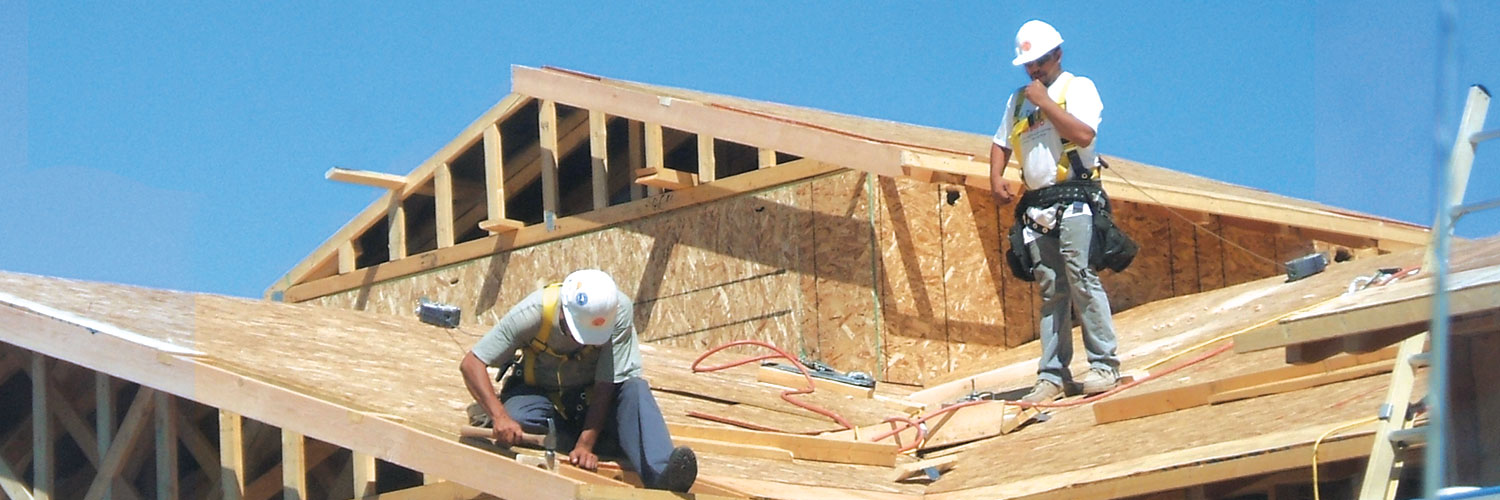
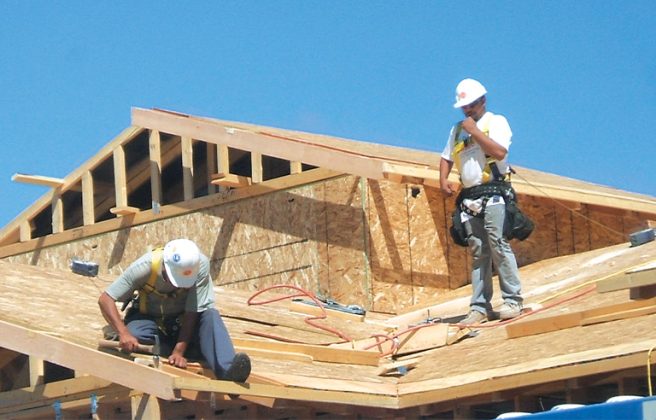
Our latest cover story explores what that means in roofing – where workers are navigating multiple hazards at the same time.
🔗 bit.ly/4wgi1NW
Safety on the jobsite doesn’t belong to one role – it belongs to everyone.
This Safety Tip highlights how workers, supervisors and organizations can work together to recognize hazards, communicate risks and prevent injuries.
🔗 bit.ly/48LqoqG
Emotional intelligence often determines whether safety rules are followed or ignored.
This feature examines why emotional intelligence is so important for safety professionals and how it shapes behavior and decision‑making across organizations.
🔗 bit.ly/4ws8GTt
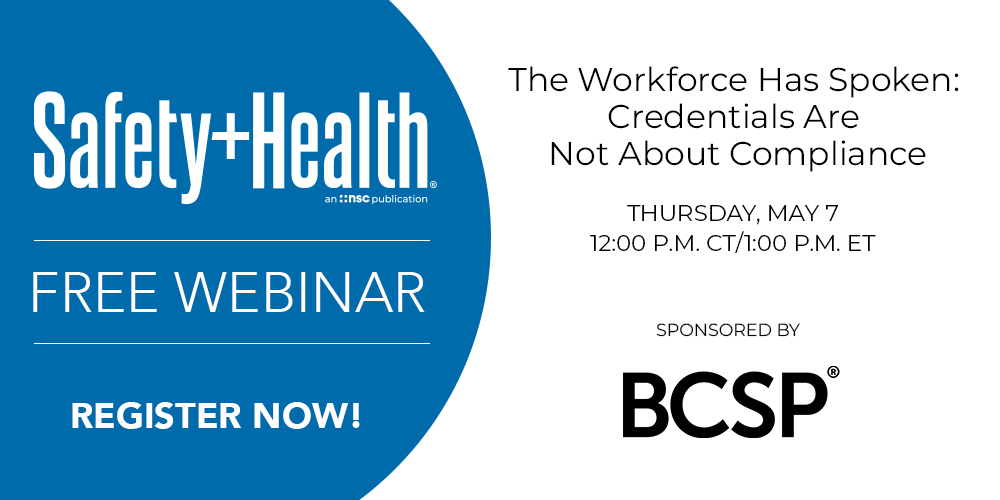
The next free S+H webinar explores what workers expect from credentials today and how organizations can move beyond check‑the‑box requirements to build meaningful capability and trust.
🔗 Register here: bit.ly/4naEO9V
The shift from paper‑based safety programs to digital systems often breaks down in predictable ways.
Learn about the most common failure points during that transition and how to address them before they derail implementation: bit.ly/4vUH0Gs
OSHA’s approach to workplace safety is broader than enforcement alone. In this Q&A, the admin of OSHA’s Dallas Region talks about compliance assistance, consultation programs and how OSHA is working to meet employers where they are in their safety journey: bit.ly/4cFTp8d