

𝗦𝗮𝗳𝗳𝗿𝗼𝗻 𝗛𝗮𝘄𝗸 🚩🦅
10.3K posts

𝗦𝗮𝗳𝗳𝗿𝗼𝗻 𝗛𝗮𝘄𝗸 🚩🦅
@SaffronHawk
Random thoughts on politics & cricket. Opinions are mine, chaos is free.
Earth Katılım Şubat 2024
1.3K Takip Edilen2.3K Takipçiler

It's easy to hate the rich. But do you have the courage to hate the poor?
English
@khanumarfa जब हाई कोर्ट ने साफ़ निर्देश दे दिए हैं कि रेजिडेंशियल सोसायटी में कुर्बानी नहीं हो सकती, तो उसका पालन करने में समस्या क्या है?
x.com/SaffronHawk/st…
𝗦𝗮𝗳𝗳𝗿𝗼𝗻 𝗛𝗮𝘄𝗸 🚩🦅@SaffronHawk
Even after the High Court clearly banned animal sacrifices in residential societies, Muslims still brought goats inside a housing society for Eid qurbani They just ignored the law and local feelings... Hindu activists didn't stay quiet, they quickly brought a pig right there to push back hard and show they're not taking it anymore
हिन्दी

रतलाम से लेकर मुंबई, बंगाल से लेकर यूपी तक,बक़रीद से पहले हर जगह से मुसलमानों को सताने की अनगिनत ख़बरें आ रही हैं।कहीं नेता नफ़रती बातें कर रहे हैं, कहीं भगवा संगठन जुलूस निकाल रहे हैं तो कहीं क़ानून के नाम पर पुलिस जेल भर रही है।
वीडियोज़ देखकर आंखें जल रही हैं,मन भारी हो रहा है
हिन्दी
In West Bengal, madrasas are now chanting Vande Mataram after Suvendu Adhikari's clear directions 🔥
English
Even after the High Court clearly banned animal sacrifices in residential societies, Muslims still brought goats inside a housing society for Eid qurbani
They just ignored the law and local feelings... Hindu activists didn't stay quiet, they quickly brought a pig right there to push back hard and show they're not taking it anymore
English
Asim Munir will eventually have to pay the price for mistaking Donald Trump's praise for a long-term strategic commitment
Aditya Raj Kaul@AdityaRajKaul
Reuters: Pakistan rejected Trump's invitation to normalize relations with Israel.
English
Not exactly a fair comparison
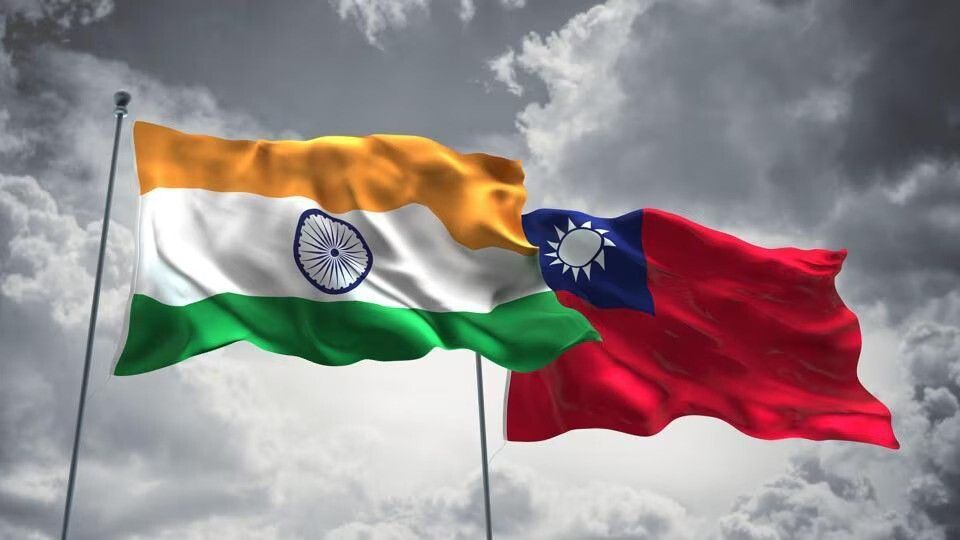
Taiwan's stock market is heavily driven by TSMC, the world's most important chipmaker which has seen massive gains because of the AI boom
India's economy is nearly five times larger and far more diversified. Stock market rankings can change quickly... Economic fundamentals don't!
Indian Tech & Infra@IndianTechGuide
🚨 Taiwan overtakes India as world's fifth-largest stock market.
English
@IndianTechGuide People are confusing stock market value with economic size
x.com/SaffronHawk/st…
𝗦𝗮𝗳𝗳𝗿𝗼𝗻 𝗛𝗮𝘄𝗸 🚩🦅@SaffronHawk
Not exactly a fair comparison Taiwan's stock market is heavily driven by TSMC, the world's most important chipmaker which has seen massive gains because of the AI boom India's economy is nearly five times larger and far more diversified. Stock market rankings can change quickly... Economic fundamentals don't!
English

🚨 Taiwan overtakes India as world's fifth-largest stock market.
English
Political commentators have framed Indian politics as BJP dominating the North while the opposition holds the rest of the country. But this data points to a different reality
BJP's biggest strength today is not just its vote share but its ability to remain competitive across vastly different regions, cultures and languages. BJP's national footprint is something no other party currently possesses 🪷
The Indian Matrix@indianmatrix
There is a notion that the BJP is a party of the Hindi heartland & by extension, the North. But numbers show otherwise. Not only is the BJP alliance ahead of the INC in the North, but it also outperforms the INC in ALL SIX ZONES of India, including the South. With the INDI Alliance disintegrating, INC stands devoid of allies, with only four state governments of its own. The BJP has 17 & the BJP alliance rules a total of 22 states & UTs across the country.
English
His account was labelled as Pakistani because the location showed South Asia, which is often used by Pakistanis pushing anti-India propaganda. Indians usually don't hide behind South Asia tag/location, so the skepticism was obvious. That said, his concern was genuine and the issue has been resolved.
English

First NEET, now CBSE. Something has gone horribly wrong in our exam system. Now you know why COCKROACHES are coming out in droves!! (And to think that the young student who raised his voice was labelled a Pakistani! Shame😡) indiatoday.in/amp/education-…
English
Kejriwal's London model in Delhi couldn't provide electricity to these families for 6 years
Free electricity for some, not even an electricity connection for others
News Arena India@NewsArenaIndia
DELHI NEWS - After 6 years of wait, 36 families in Harsh Vihar get electricity connectios, homes celebrate.
English
Mocked Shivling when in power... Talking about faith after losing power... The irony writes itself!
Saayoni Ghosh@sayani06
Faith…. Unseen but felt! 💫
English
𝗦𝗮𝗳𝗳𝗿𝗼𝗻 𝗛𝗮𝘄𝗸 🚩🦅 retweetledi
Haha... Self-proclaimed mai baaps of Bollywood are having a hard time digesting Dhurandhar's success
Abhishek@vicharabhio
Ranveer Singh is banned from the film industry after failing to comply with the terms and conditions signed with Farhan Akhtar for Don 3. His current movies will be put on hold unless he agrees to pay 45 crores loss that Farhan incured.
English