African News

2.8K posts

African News banner
African News

African News

@SaharaWire

Africa News, Alerts, Politics and Events

Africa Katılım Nisan 2025
1.3K Takip Edilen18.1K Takipçiler
Sabitlenmiş Tweet
African News
African News@SaharaWire·
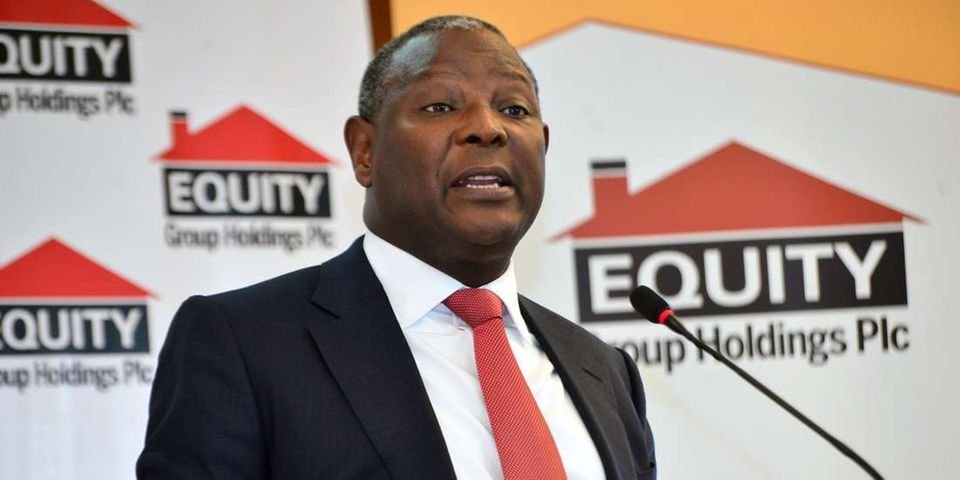
🏦⚡Equity Bank loses RWF3.5 billion (USD2.4Million) to fraud Equity Bank Rwanda has reportedly been hit by cybersecurity incident loosing the bank over $2.4million. The bank had originally lost a RWF4.7billion ($3.3 million) but about RWF1.2billion was recovered, per Taarifa Rwanda. Investigators are still working to determine the precise amount involved and how the transactions were executed. The report further alleges that at least 35 suspects are currently in custody as authorities expand the investigation. The Rwanda Investigation Bureau (RIB) is conducting forensic analysis of digital systems, financial transactions and electronic devices seized from suspects in an effort to trace how the fraudulent transactions were initiated. CEO magazine report that, the digital forensic teams are now analysing devices and financial records obtained from the suspects to establish whether they were directly involved in the scheme or whether their accounts and identities were used by the network responsible for the fraud. Last year, the bank said it had dismissed more than 1,000 employees across its operations after internal investigations uncovered widespread fraud involving staff collusion and suspicious financial transactions. At the time, CEO James Mwangi took a tough stance, warning that the institution would no longer tolerate corrupt practices within its ranks.
African News tweet media
English
3
21
61
20.8K
African News
African News@SaharaWire·
🇺🇬 ❗ General Muhoozi Kainerugaba, Uganda Military head says his country will fight on the side of Israel.
African News tweet media
English
1
2
5
1.6K
African News
African News@SaharaWire·
🚨 🇰🇪 WORLD BANK PRAISES KENYA'S SHAM EDUCATION SYSTEM There are very huge structural issues with Kenya's Competency Based Education (CBE) World Bank which was wrong for years about The Ease of Doing Business in Kenya, agreeing later that the statistics were wrong, is now praising Kenya's sham education. Basing upon CBE's fiercest critics, we list the problems with it: ❗ It is a neo-colonial, racist project rooted in World Bank policy since 1986 to limit Africans to unskilled or semi-skilled labour and suppress higher education and degrees. ❗ It deliberately introduces structural barriers (like JSS) to block university access and reduce the number of Kenyans eligible for higher learning. ❗ It changes the fundamental philosophy and psychology of education from knowledge-based to bare-minimum “competency” (TVET-style) while using deceptive “jobs and skills” rhetoric to confuse the public. ❗ It is designed to depress Kenya’s economy, prevent industrialisation and value addition, and keep the country dependent on exporting raw materials and labour. ❗ It represents ideological mind capture that promotes the idea knowledge is useless for Africans, replacing deep learning with minimal task performance and lowering overall academic standards. Of course, Kenya has often been touted as the best in Africa. It is for a reason, a country full of anti-panafricanists serves as a beacon to pursuade other African countries to abandon originality and culture. REMINDER "No one is going to give you the education you need to overthrow them. Nobody is going to teach you your true history, teach you your true heroes, if they know that knowledge will help set you free." - Assata Shakur.
African News tweet media
Kenyans.co.ke@Kenyans

Kenya ranks the highest on the World Bank’s Human Capital Index - World Bank Country Director Qimiao Fan

English
0
1
3
275
African News
African News@SaharaWire·
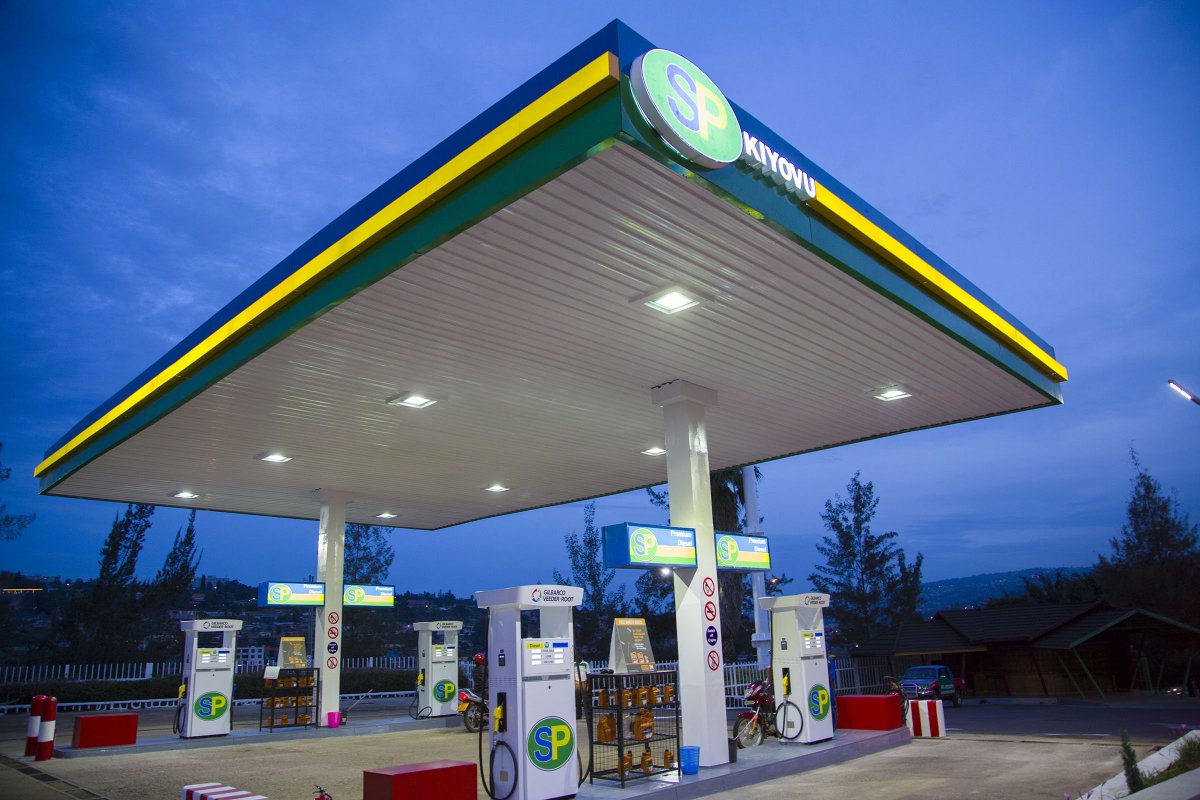
🚨 🇷🇼 Rwanda Fuel Price Adjustment amidst Iran-US/Israel war: Kigali has began adjusting fuel prices at the pump amidst escalation in the conflict in the Middle East and West Asia. The closure of the Strait of Hormuz has disrupted flow of oil affecting global oil supply. As a landlocked economy, Rwanda imports all fuel through regional ports. The government continues to monitor the situation closely, maintain strategic reserves, and implement measures to mitigate impacts on transport, food prices, and the broader cost of living. Citizens are advised to plan accordingly while authorities work to ensure economic stability.
African News tweet media
English
1
4
5
547
African News retweetledi
Mauritius Island
Mauritius Island@MauritiusGuide·
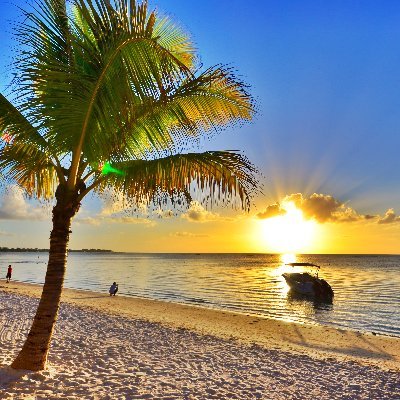
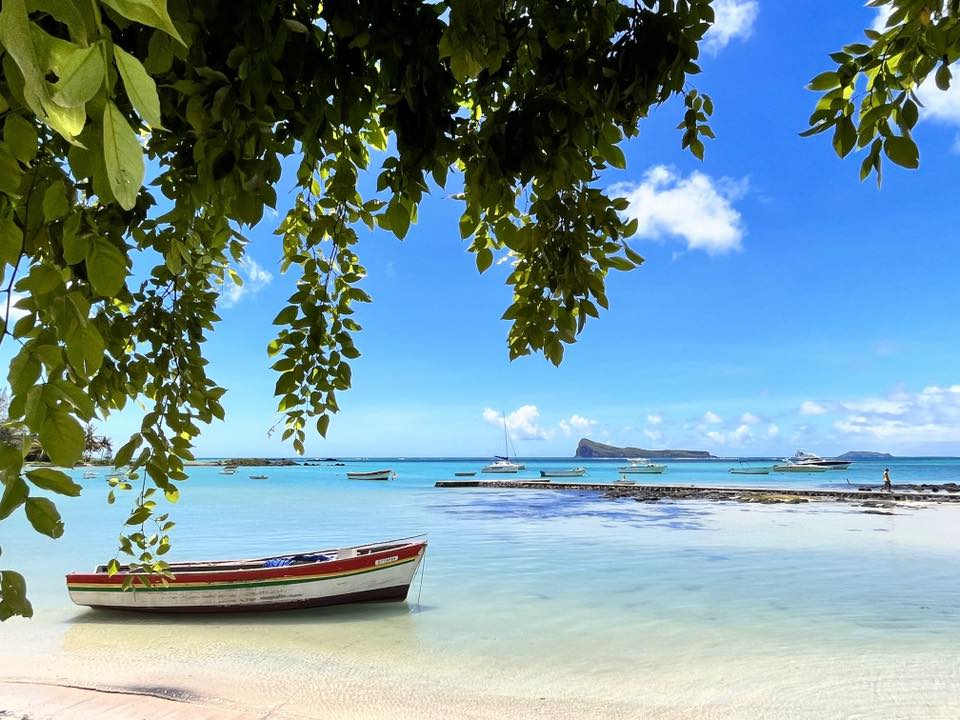
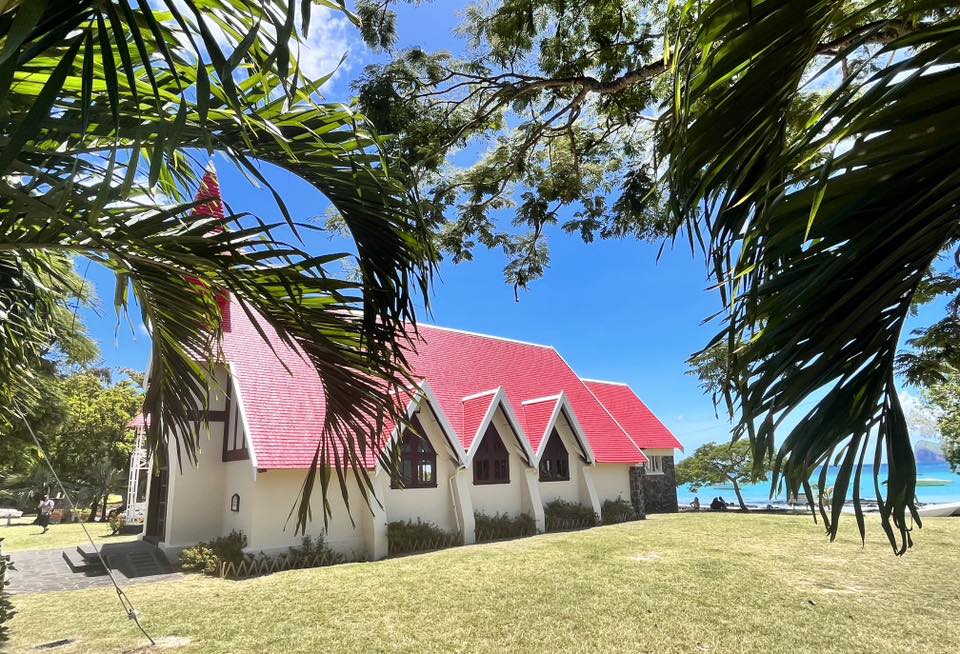
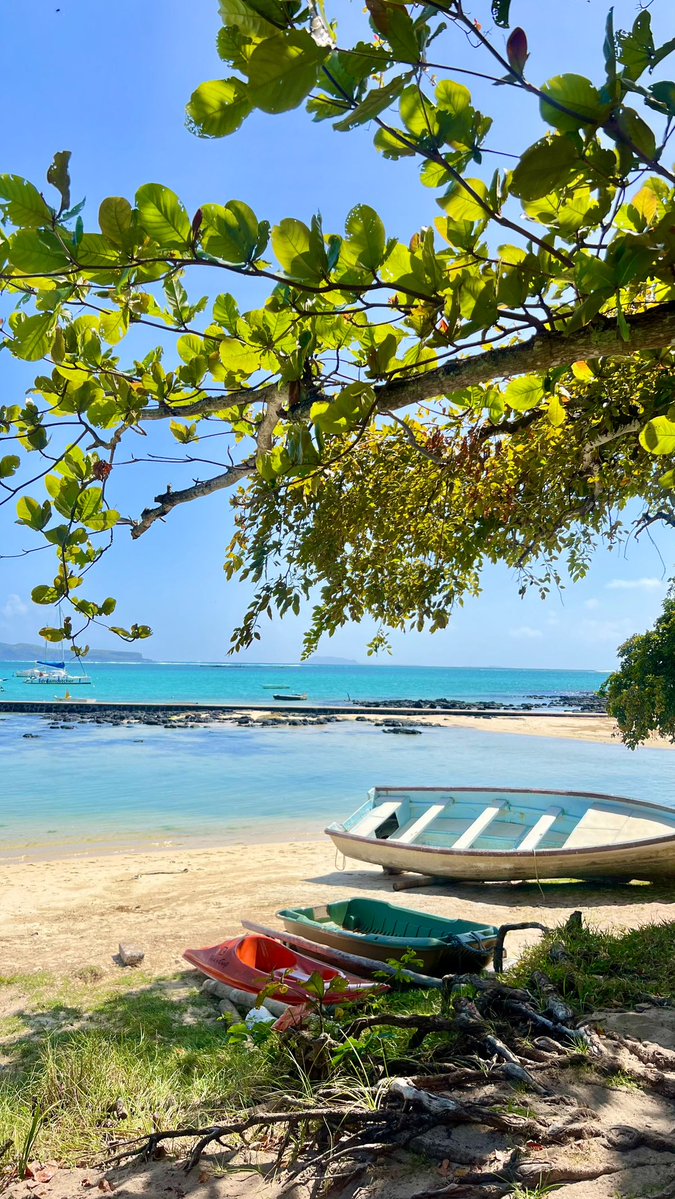
Wednesday vibes in Mauritius The North coast 😍
Mauritius Island tweet mediaMauritius Island tweet mediaMauritius Island tweet mediaMauritius Island tweet media
English
2
15
97
1.3K
African News
African News@SaharaWire·
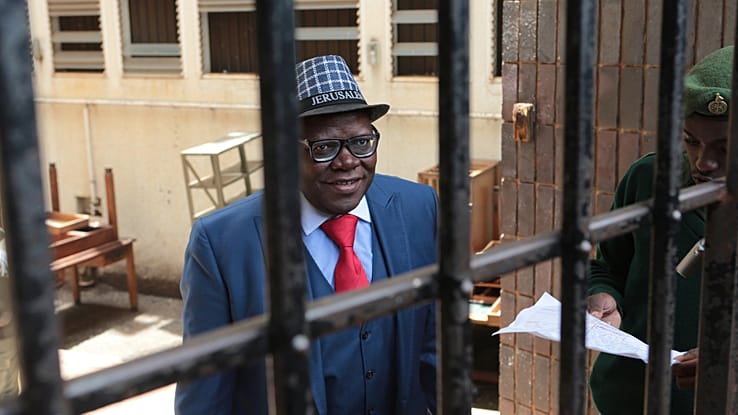
🇿🇼 Political tensions are rising in Zimbabwe. Opposition leader Tendai Biti has been granted bail after spending the weekend in detention. He was arrested near the Mozambique border alongside an activist, accused of holding a public meeting without notifying authorities. A court in Mutare released both on $500 bail, with orders to report to police every two weeks. But this case is part of a bigger story. Zimbabwe is facing growing unrest over proposed constitutional changes that could extend President Emmerson Mnangagwa’s rule beyond 2028 and shift presidential elections from a public vote to parliament.
African News tweet media
English
0
2
3
362
African News
African News@SaharaWire·
🇳🇦 🇳🇦 Namibia has rejected an application by Elon Musk-owned Starlink for a licence to provide satellite internet services in the country, dealing the company a second setback in southern Africa. The Communications Regulatory Authority of Namibia (Cran) announced the decision without giving reasons for its refusal, but noted that Starlink's Namibian subsidiary did not have local ownership. Starlink has not yet commented on the decision. It operates in about 25 African countries but has faced regulatory challenges in others, including South Africa, where ownership rules have also blocked its entry.
African News tweet media
English
1
2
4
447
African News
African News@SaharaWire·
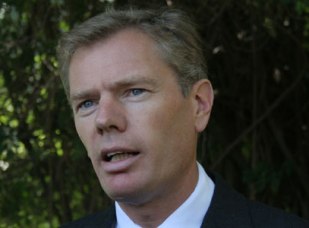
🇰🇪 ⚡ Former British High Commissioner to Kenya named new CEO of Lewa Wildlife Conservancy The Lewa Wildlife Conservancy has announced the appointment of Rob Macaire as its new Chief Executive Officer, effective 1 June 2026. Macaire, an Oxford graduate with a distinguished career spanning British diplomacy and senior executive roles in the private sector, will succeed Mike Watson, who retires on 1 August 2026 after 15 years of leadership at the helm of the UNESCO World Heritage Site conservancy. Macaire is best known in Kenya for his tenure as British High Commissioner to Nairobi, a role he held between 2008 and 2011. - KBC
African News tweet media
English
0
2
1
479
African News
African News@SaharaWire·
🇧🇫 Terrorist kill 14 soldiers in Burkina Faso.
English
0
3
5
373
African News
African News@SaharaWire·
🇬🇭❗ Ghana is calling for global support at the United Nations for a draft resolution that would recognize the transatlantic slave trade as the gravest crime against humanity. The move is aimed at strengthening ongoing conversations around reparations and historical accountability. Speaking ahead of the proposal, Ghana’s Permanent Representative, Samuel Yao Kumah, urged member states to see the resolution as a step toward acknowledging the full scale and lasting impact of one of history’s most devastating systems.
African News tweet media
English
0
2
13
479
African News
African News@SaharaWire·
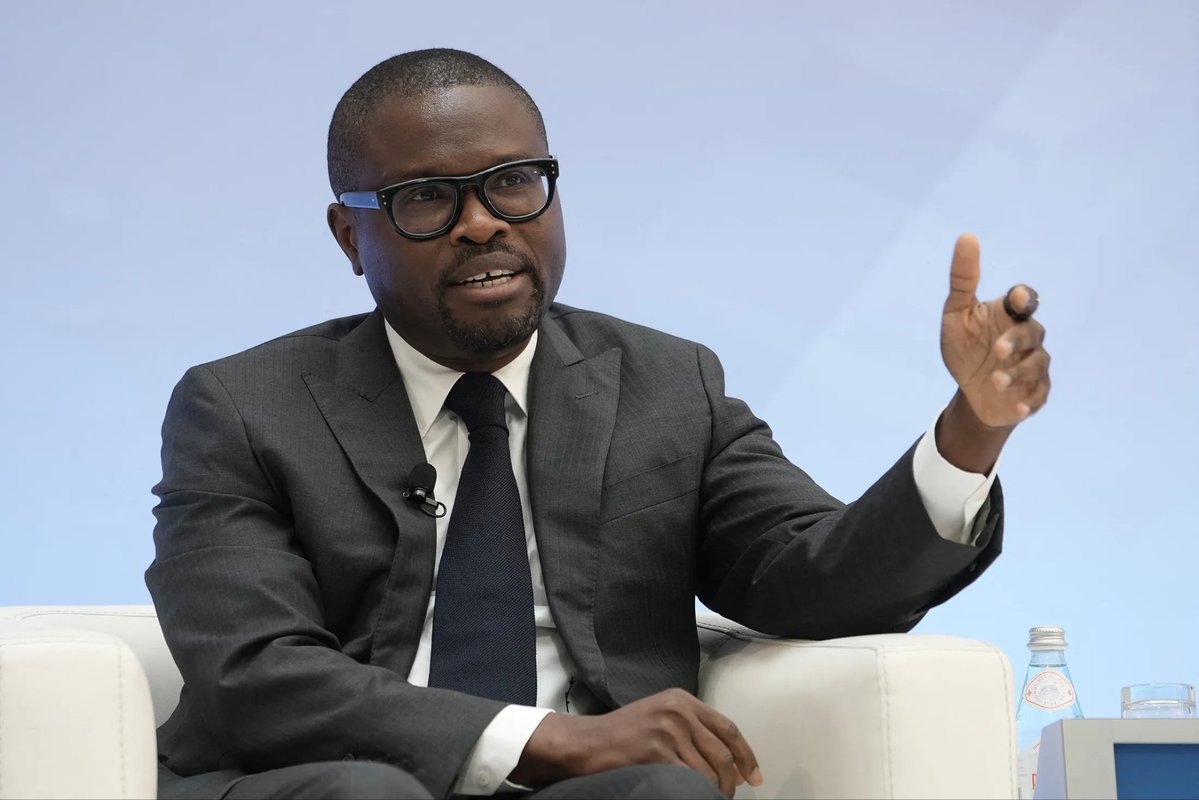
🇧🇯The 49-year Romuald Wadagni is favourite to win Benin Presidential elections. He has served as finance minister for the last 10 years, and is President Patrice Talon's designated successor. Incase yiu were wondering if he is young and therefore reformist, nope. He is deep Bretton Woods stooge that at some point worked for The World Bank.
African News tweet media
English
0
1
9
639
African News
African News@SaharaWire·
🇰🇪Flash floods in Kenya have killed at least 81 and displace thousands. Heavy rains still pound sections of the country as some northern parts experience drought.
English
1
0
5
233
African News
African News@SaharaWire·
TERRORISTS PRESSURE MALI More than 100 suspected jihadists have been freed in Mali under a deal to halt attacks on fuel convoys that had paralyzed the capital, Bamako, official and security sources told AFP on Sunday. Since September, the Al-Qaeda-affiliated Group for the Support of Islam and Muslims (JNIM) had repeatedly targeted tanker convoys, causing acute fuel shortages. A local elected official confirmed the release of “more than 100 jihadists” in exchange for “the opening of a corridor to allow convoys of tanker lorries to pass through.” - Africa News.
African News tweet media
English
0
2
4
445
African News
African News@SaharaWire·
⚡️ At least 18 African migrants who were trying to reach the French Indian Ocean island of Mayotte have drowned off the Comoros, officials and rescuers said Thursday. They were part of a group of about 50 people dropped off by smugglers in the sea some distance from shore as they tried to reach the neighbouring island. While some 30 survived, many of them could not swim. "Last night, we found eight dead. The bodies were recovered by the residents of Mitsamiouli, fishermen and authorities," interior minister Mohamed Ahamada Assoumani said. More bodies have since been found.
African News tweet media
English
1
0
2
699
African News retweetledi
The African History School
The African History School@_africanhistory·
This is Samori Toure. Samori was born in 1830. He was the son of a weaver. But by the time he was 40, he ruled an empire stretching across West Africa and for 16 years, he held the entire French colonial army at bay. How he got there tells you everything about the man he became. In 1853, his mother was seized by a rival clan. Samori had no money for a ransom so he walked into the enemy's territory and offered himself in her place. They accepted. He served his enemy for 7 years. And in those 7 years, he learned everything he needed to know: • He learned to handle firearms. • He learned military discipline. • He learned the arts of war. When he was finally freed, he left with one goal: To build something no one could ever take from him again. By 1878, he had done it. He had built an empire of 30,000 infantry and 3,000 cavalry stretching across what is now Guinea, Mali, Sierra Leone, and Côte d'Ivoire. He did it through a combination of military genius and diplomacy. Then France arrived. In 1882, French Colonel Borgnis-Desbordes marched on Samori's territory. The French troops had the most advanced weapons on earth. Samori's sofas charged in their traditional formation. It was a massacre. But Samori adapted. Within days, he had switched to guerrilla tactics: • Hit-and-run cavalry strikes. • Ambushes. • Scorched earth. He harassed the French all the way back to the Niger river. Word spread across West Africa: There was a man who could fight the French and win. Recruitment surged. But here's what made Samori truly different: His blacksmiths. He knew he couldn't rely on buying weapons forever. So he put his smiths to work on captured French rifles. And they learned to build them from scratch. By 1887, his army had a three-tier weapons system: • Elite troops with modern repeater rifles. • A second tier with bolt-action rifles, conquering new territory to the east. • A third tier with flintlocks, holding the interior. He had built an arms industry in the middle of a war. In 1891, France lost patience. Colonel Archinard marched on Samori's capital, expecting to end it in weeks. Samori didn't fight him for it. Instead, he made the most extraordinary decision in the history of African resistance: He picked up his entire empire and moved it. 120,000 people marched east, burning everything behind them so the French would inherit nothing, while simultaneously fighting a rear-guard war. And conquering new territory ahead. For 7 years, he kept this up. The French could never pin him down. He was finally captured on September 29, 1898. A French captain used information from deserters to find his camp at dawn. Samori was taken without a fight. He was 68 years old and had been at war for 16 years. The French exiled him to Gabon to a prison camp on a small island in the middle of the Ogooué River. The locals called it the "dry guillotine" because of how many prisoners died there. Samori Ture died of pneumonia on June 2, 1900, less than 2 years after his capture. Samori became a symbol of resistance across the continent. His great-grandson became Guinea's first president after independence. Author Ta-Nehisi Coates named his son Samori, and explained why in his book Between the World and Me. A man born to a weaver with nothing held the most powerful colonial army on earth at bay for 16 years. Remember his name.
The African History School tweet media
English
14
193
502
12.1K
African News retweetledi
Mwango Capital
Mwango Capital@MwangoCapital·
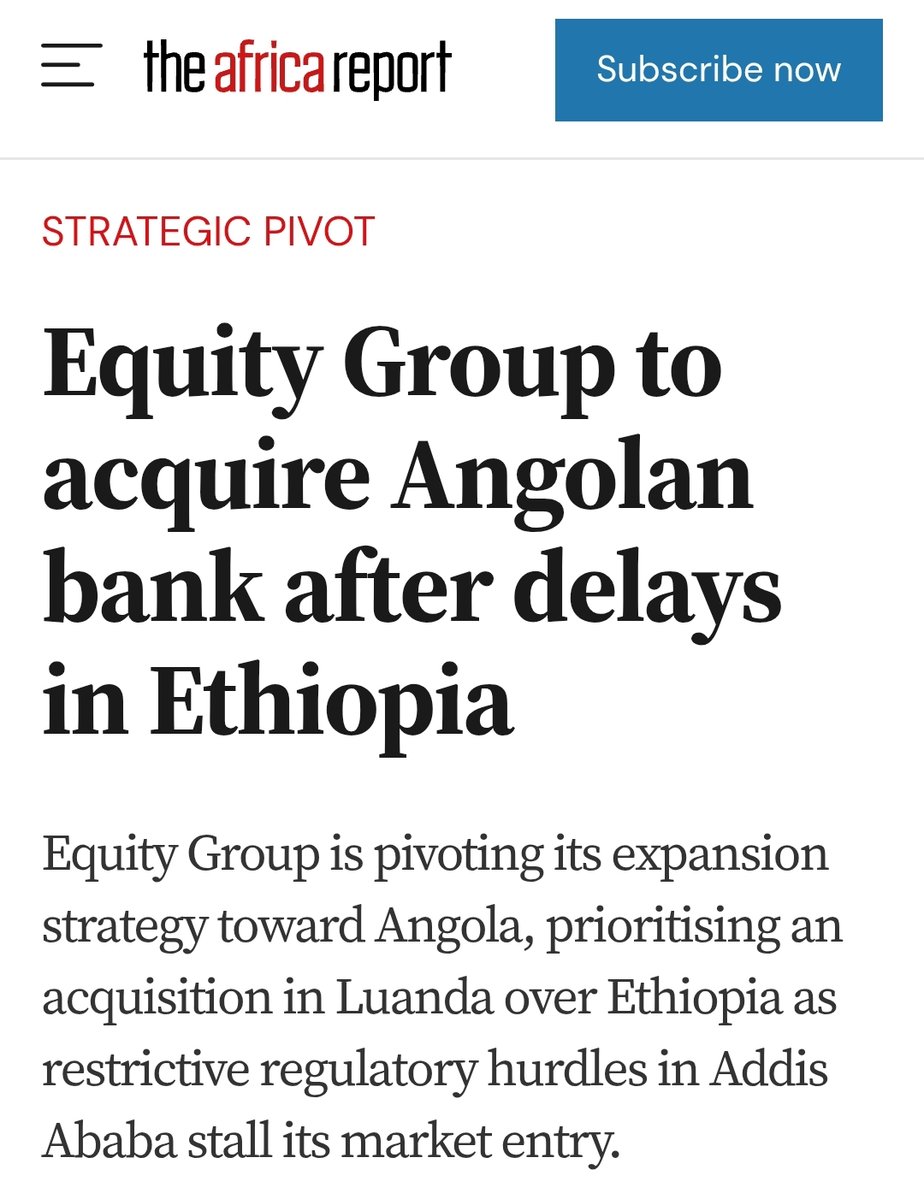
The The Africa Report article on Equity Group Holdings’s Africa strategy: —Targeting entry into Angola via a majority acquisition in a Luanda-based bank by 2026, leveraging recapitalisation-driven consolidation to access the market. —Maintaining a pipeline in Ethiopia, though ownership caps, elevated capital thresholds and regulatory friction continue to delay entry, reinforcing a pivot toward M&A-led expansion across the continent.
Mwango Capital tweet media
The Africa Report@TheAfricaReport

Equity Group to acquire Angolan bank after delays in Ethiopia l.theafricareport.com/9iW

English
4
58
144
25.8K
African News retweetledi
Nyakundi Report
Nyakundi Report@NyakundiReport·
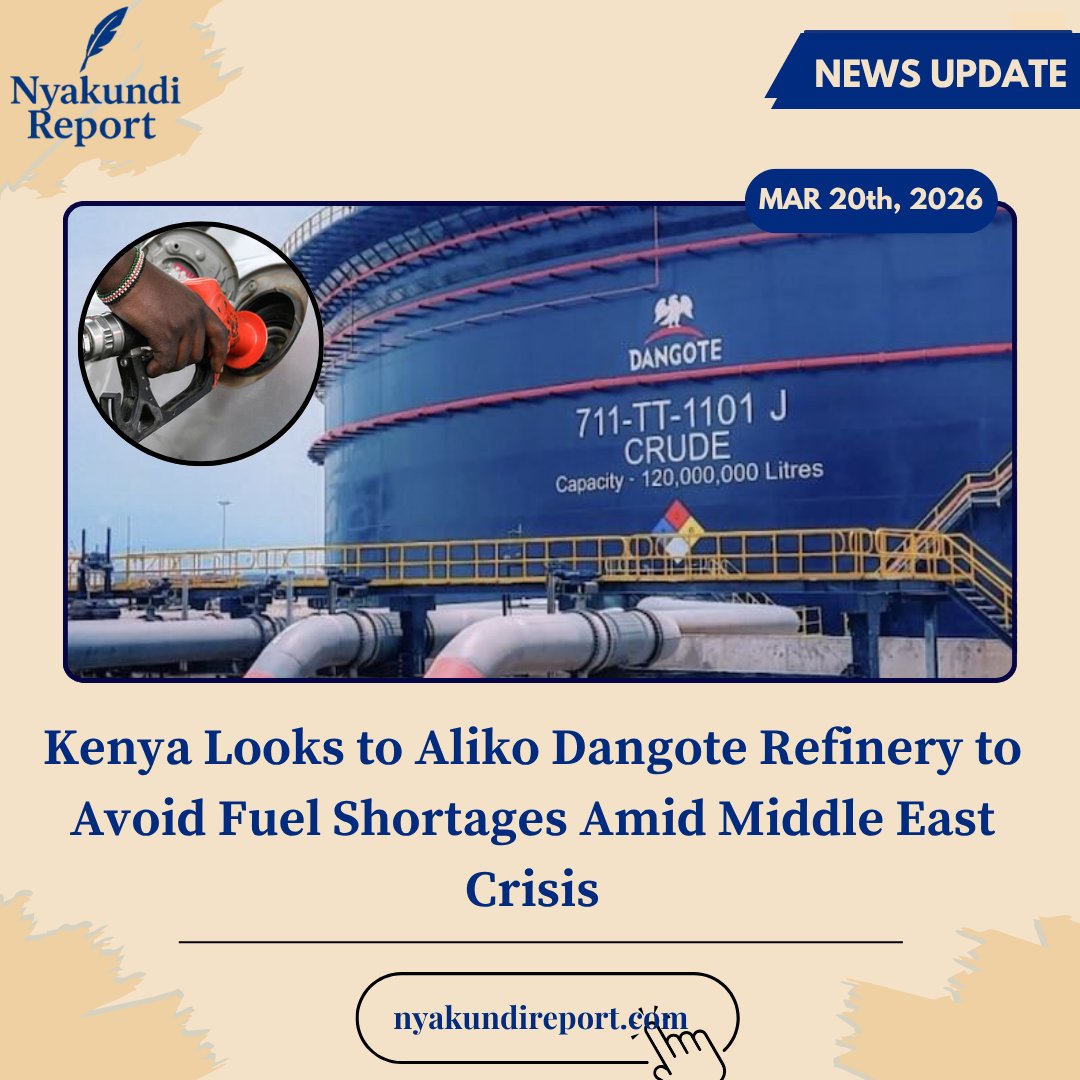
Kenya is turning to Nigerian billionaire Aliko Dangote’s refinery for fuel as Middle East tensions threaten global supply. South Africa and other African nations are also scrambling for access, highlighting Africa’s growing reliance on Dangote Petroleum Refinery and Petrochemicals. The facility produces about 650,000 barrels per day, with most reserved for Nigeria, leaving limited exports. Kenya consumes roughly 100,000 barrels daily, with only 21 days of reserves, prompting rationing and rural shortages. Authorities insist there is no immediate crisis, but the scramble underscores the fragility of Kenya’s fuel supply and the impact of global instability on domestic markets.
Nyakundi Report tweet media
English
0
14
37
4K
African News
African News@SaharaWire·
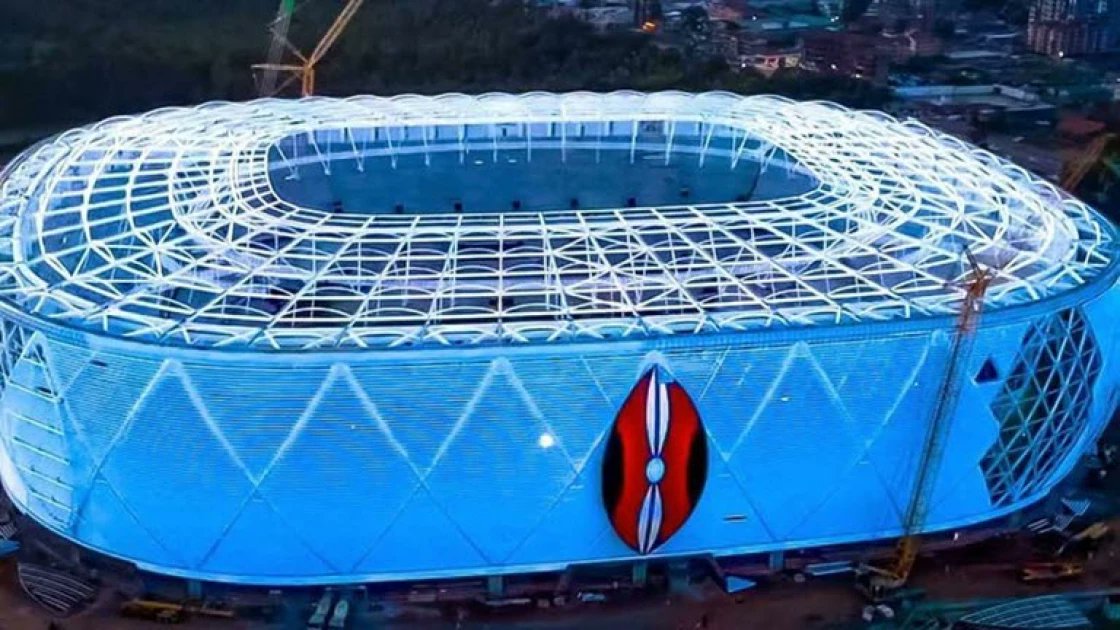
🇰🇪⚡Kenya risks losing AFCON hosting rights over lack of funding Kenya is facing a high risk of losing its rights to co-host the 2027 Africa Cup of Nations (AFCON) due to delays in paying the mandatory hosting fee of Ksh3.9 billion ($30 million) to the Confederation of African Football (CAF), Sports Principal Secretary Elijah Mwangi said on Thursday. Mwangi told the Dan Wanyama-led National Assembly Committee on Sports and Culture that Kenya is required to pay the fee by March 30, 2026, as part of the ‘East Africa Pamoja’ bid along with Uganda and Tanzania. Both Uganda and Tanzania have already fulfilled their financial obligations, leaving Kenya as the only partner yet to pay, and Mwangi warned that if the fee was not paid before the deadline, it threatens to damage Kenya's credibility as a tournament host. -Citizen TV
African News tweet media
English
1
2
4
708