

Sammy
267 posts

Sammy
@Sammy57300
Combination investing from quick day trades to long term dividend growth, index investing, cryto investing
Anytown Katılım Mart 2021
3 Takip Edilen46 Takipçiler
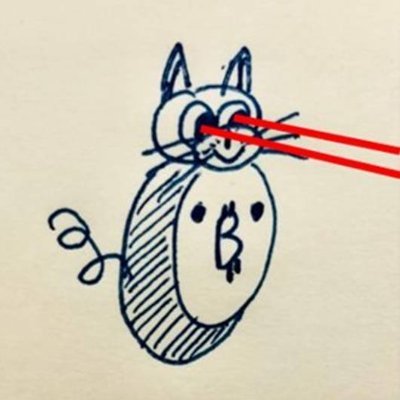
I unfollowed everyone who claims $TSLA is going to $100.
I will publicly apologize to each and every single one of you if that happens.
English

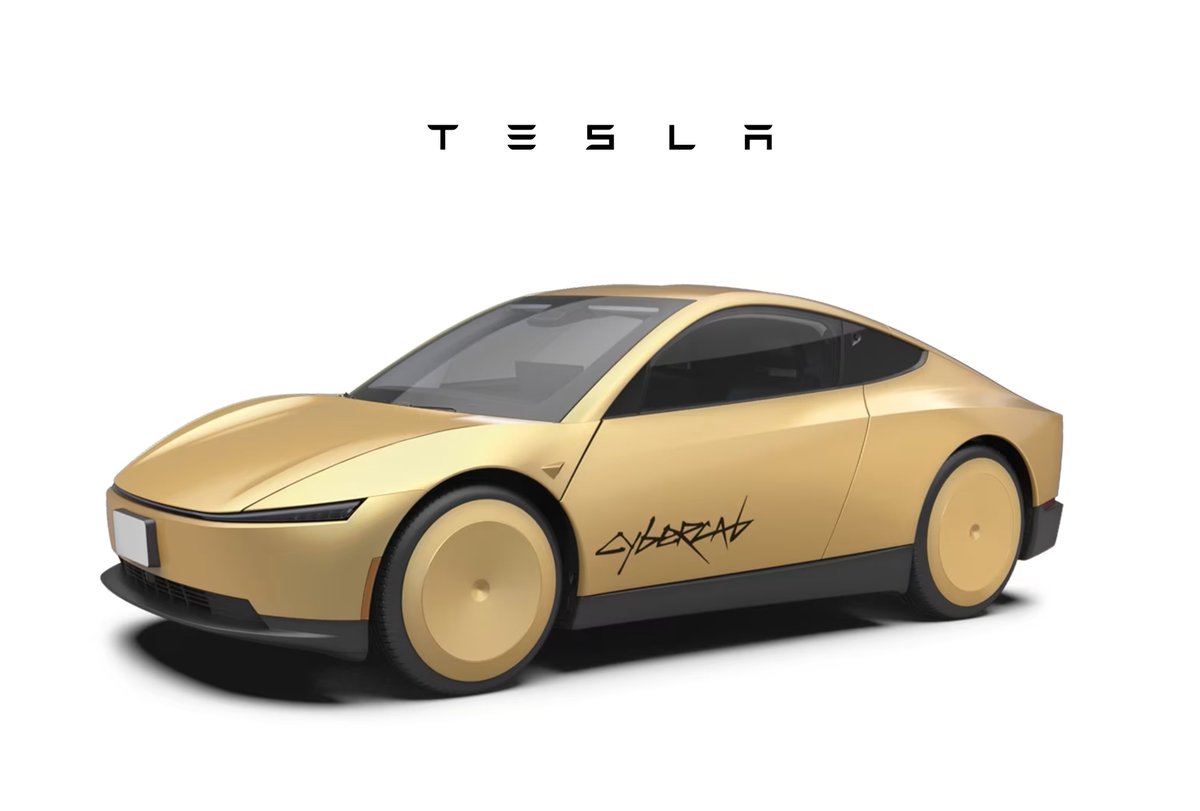

Correction, 10 million robots
Tesla Manufacturing@gigafactories
10 million vehicles produced globally. Congrats to all Tesla teams!
English


Tesla FSD handled this construction slalom like a boss 😎
English

@RobotaxiRadar Higher the fleet bigger the cash burn and lower the stock
English
@butala_aryan It’s sits under the tree because in direct sun the battery degradation is enourmous after one year
English


The wait for the Roadster continues, but I’m excited to see Tesla take its time and get it right. 2027 can’t come soon enough. ⚡
English

10 million vehicles manufactured is an incredible amount of work.
🍺🍺🍺🚀🚀🚀🇺🇸🇺🇸🇺🇸
Elon Musk@elonmusk
Congratulations to the Tesla Team! 10 million vehicles manufactured is an incredible amount of work.
English


FSD handles temporarily closed side road, merges back into traffic for alternative route 🇩🇰
English

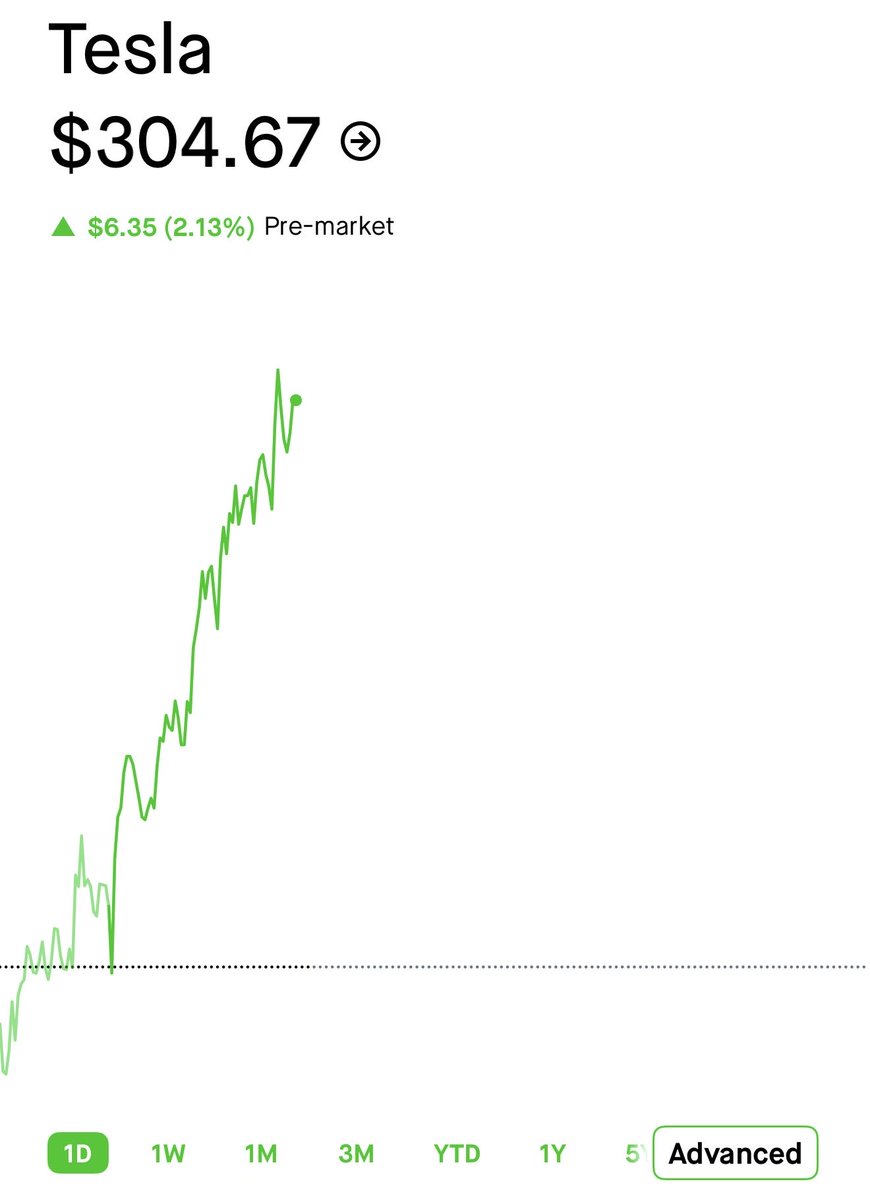

I swear the haters told me Tesla FSD would drive me off this cliff…
English

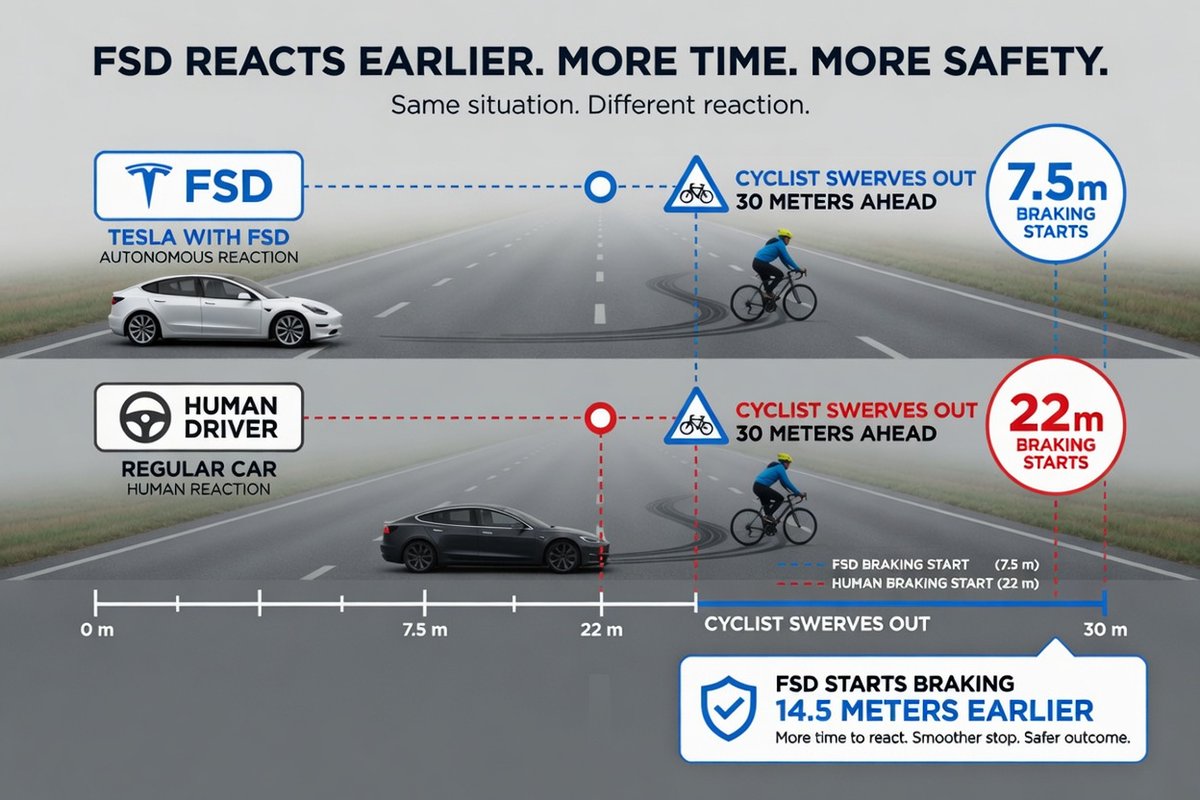
FSD with speed offset will actually make roads safer in 🇪🇺
The system reacts in 0.13 to 0.45 seconds, compared to a human's 1 to 1.5 seconds. Even at 90 km/h versus a human driving 80, FSD brakes much earlier. So allowing speed offset might boost FSD usage and improve overall road safety. Why is the EU trying to remove it?
English


@SawyerMerritt Outdated products I just test drove BYD seal and it blows my model 3 out of shows
English

Tesla has officially manufactured its 10 millionth vehicle!
It's a Diamond Black Model Y built at Fremont this week.
English

Everything happens for a reason. I’m going to continue to have faith in Tesla and Elon Musk
English