Samuel Harnisch, CFA, CFP®️

842 posts

Samuel Harnisch, CFA, CFP®️ banner
Samuel Harnisch, CFA, CFP®️

Samuel Harnisch, CFA, CFP®️

@SamuelHarnisch

❌ Banned from TikTok #FreeSamuel 📈 Invest smarter 💰 Reduce taxes 🏠 Build & protect your family’s legacy

Katılım Temmuz 2024
49 Takip Edilen83 Takipçiler
Samuel Harnisch, CFA, CFP®️
Samuel Harnisch, CFA, CFP®️@SamuelHarnisch·
Introducing Parker, the newest member of QFS! We couldn’t be more excited to have him on the team and working with the families we serve. Parker brings a unique combination of experience, discipline, and technical expertise: • Played Division I baseball at the Air Force Academy • Served 7+ years as a Finance Manager in the U.S. Air Force • ~8 years as a financial advisor across Fidelity and another wealth management firm • Completed both the CFP® and CPWA® programs, with a focus on tax and estate planning for high-net-worth families Beyond the resume, Parker is someone who genuinely cares about the people he works with and the outcomes we’re helping clients achieve. Outside of work, you’ll find him staying active outdoors with his family or watching sports around Charlotte. Apparently we have a bit of an Air Force trend going at QFS…

Samuel Harnisch, CFA, CFP®️ tweet media
English
0
0
0
8
Samuel Harnisch, CFA, CFP®️
“My mom’s cancer diagnosis changed my risk tolerance.” Someone said that this week, and it really stood out to me. He’s young, very successful, and remarkably intelligent. We talked about investment/tax strategies that can help with his SpaceX and TSLA exposure. But that’s not really the point. At the same time, he’s: Dealing with a parent’s health crisis Buying his first home Thinking about starting a family Your finances are one of the most private parts of your life. Even very successful people rarely have someone they can speak to openly about everything. Having an objective third party who understands both the numbers and your life context helps you make better decisions when things get complicated. Most people come in for the investment strategies: tax‑aware hede funds, private equity, etc. What actually ends up mattering is everything that comes after. If you’re in a similar spot and want that level of thinking around your situation, the easiest way to explore it is a brief call – link’s in my profile.
English
0
0
0
24
Samuel Harnisch, CFA, CFP®️
Explaining to Otis how we saved clients MILLIONS in taxes last year… • Depreciation from real estate investments offsetting passive income, while still generating monthly cash flow and long-term appreciation (have an exciting announcement coming soon here) • Tax-loss harvesting through long/short equity portfolios, realizing up to 90% of the account’s value in capital losses while maintaining market exposure + long/short alpha • Tax-aware hedge funds providing uncorrelated returns and ordinary deductions that can offset W-2 income and Roth conversions • Bunching charitable contributions into Donor Advised Funds (DAFs) ahead of the reduction in charitable deductions • Structuring portfolios correctly (e.g., private credit in retirement accounts) to avoid unnecessary taxable income If you’re wrapping up your taxes this season and ready to actually do something about your tax bill this year, feel free to book a call using the link in my bio. As cool as this all is… I think he was more interested in the chips.
Samuel Harnisch, CFA, CFP®️ tweet media
English
1
0
1
26
Samuel Harnisch, CFA, CFP®️
At QFS, Parker has taken our financial planning to a whole new level. The guy is a wizard when it comes to modeling: • Cash flows • Roth conversions • Stock-based compensation • Retirement scenarios • Gifting strategies From the beginning, the idea behind QFS was: Sophisticated investment strategies can’t exist in isolation from the overall financial picture. Whether it’s: • Diversifying concentrated stock • Reducing taxes during a business sale • Building tax-efficient income in retirement • Creating a legacy that isn’t eroded by estate taxes • Structuring Roth conversions to avoid future RMD issues The investment portfolio and the financial plan need to work together to achieve these outcomes. And now, with someone like Parker, we’re able to demonstrate and communicate this at a much higher level for the families we serve. Everyone needs a Parker.
Samuel Harnisch, CFA, CFP®️ tweet media
English
0
0
0
38
The Rent Roll with Jay Parsons
The Rent Roll with Jay Parsons@RentRollPodcast·
New episode out today: The state of sub-institutional multifamily investing, featuring @moseskagan and @reseedrhett of ReSeed Partners. In this clip, Rhett talks about what types of deals they're looking for, and where.
English
2
1
11
3K
Samuel Harnisch, CFA, CFP®️
Dear SpaceX employees, Don’t lose a significant portion of the value you’ve created to taxes unnecessarily. If you do nothing, your stock gains could be taxed at 30%+, and upcoming RSU vesting could be taxed at ~50% if you’re in a high-tax state. You’ve worked too hard for that. We’re helping clients build tax-efficient exit plans that are designed to reduce that burden through: Tax-loss harvesting to offset capital gains Ordinary deductions to offset income from RSU vesting Charitable trust strategies to diversify concentrated stock while creating an income stream back to you If you’re expecting $5M+ out of this IPO and want to keep as much of it as possible, that’s exactly the kind of planning I do. Go ahead and book a call using the link in my profile and we’ll see what a tax‑aware version of your exit could look like.
Samuel Harnisch, CFA, CFP®️ tweet media
English
0
0
0
28
Samuel Harnisch, CFA, CFP®️
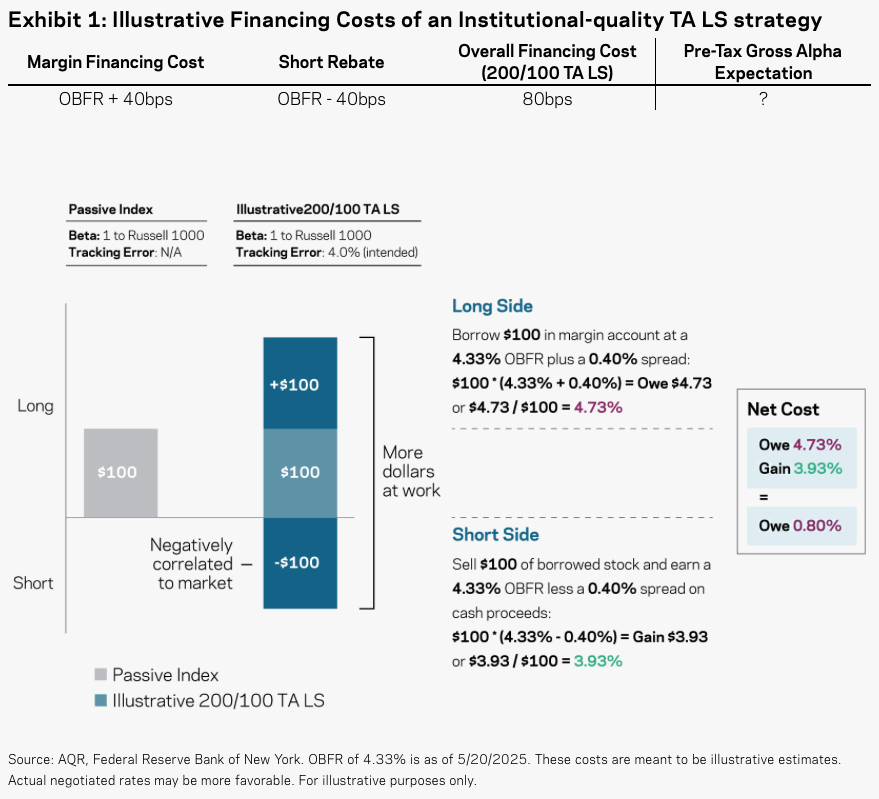
How expensive is a tax-aware long/short equity SMA? I knew I’d have to educate people on this strategy, but I didn’t expect how much misinformation there would be from other advisors. A lot of the confusion comes from unfamiliarity with long/short investing. At its core, you’re: • Going long companies you believe will outperform • Shorting companies you believe will underperform • Using modest leverage to express those relative value views That leverage has a financing cost. But you only take it on because the expected return from the strategy exceeds that cost. For example: You might be able to run an additional $100 long / -$100 short for ~0.8% financing cost. For high earners, that cost is often tax-deductible, bringing the after-tax cost closer to ~0.4%. So what are you getting in return? A well-constructed tax-aware long/short SMA can: • Reduce concentrated stock risk • Increase expected return through long/short alpha • Systematically harvest capital losses (a LOT of them)
Samuel Harnisch, CFA, CFP®️ tweet media
English
0
0
1
33
Samuel Harnisch, CFA, CFP®️
Samuel Harnisch, CFA, CFP®️@SamuelHarnisch·
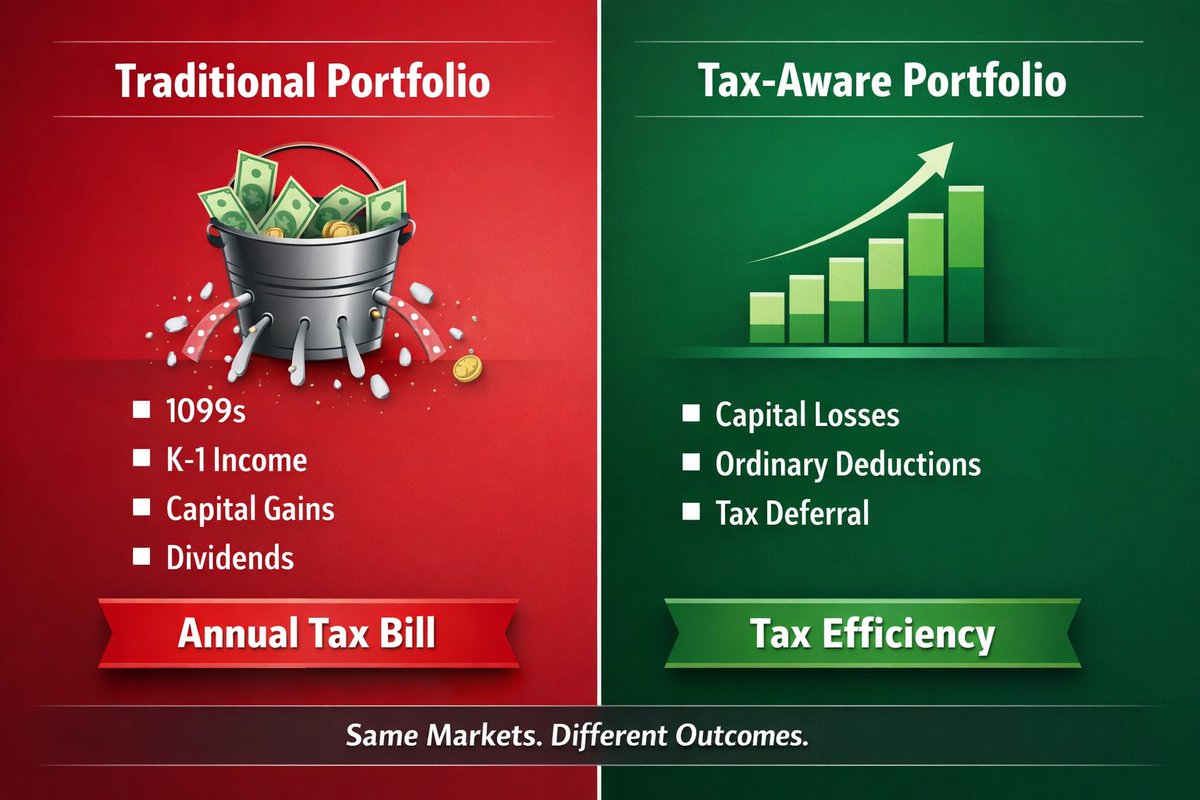
Over the last 5 years, a handful of strategies have made it possible to reduce business‑sale taxes, W‑2 taxes, RMD pain, and concentrated‑stock risk Big business sale coming up? → You can reduce a significant portion of the capital gains hit. Large W‑2 income or looming RMDs? → You can reduce ordinary income tax and execute Roth conversions more efficiently. Low‑basis real estate you’re tired of managing? → You can transition into diversified, tax‑aware real estate without triggering a huge tax bill. Concentrated stock positions? → There are now multiple ways to diversify tax‑neutrally and protect the value you’ve built. This time of year, you should be reviewing your 1099s and K‑1s. If your investments are generating tax bills instead of tax deductions, it’s time to rethink the strategy. If you’re in the $5M+ range and want to see what a tax‑aware version of your portfolio could look like, the easiest way to explore it is a brief call – the link’s in my profile.
Samuel Harnisch, CFA, CFP®️ tweet media
English
0
0
0
22
Samuel Harnisch, CFA, CFP®️
Samuel Harnisch, CFA, CFP®️@SamuelHarnisch·
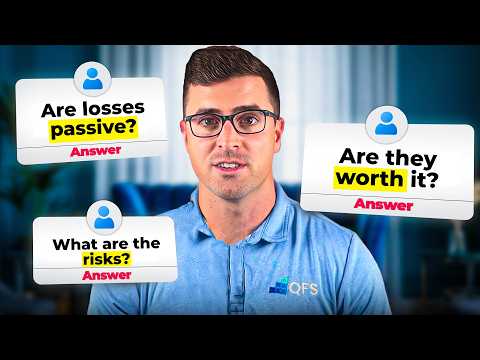
If you want to reduce W2 income tax and RMDs, you need to understand these funds. I get A LOT of questions about tax-aware hedge funds and in this video I try to answer the most frequently asked ones. Do they make money? What are the risks? How can you access them? How can they realize ordinary deductions? Are they active or passive? If you are a high earner or somone with large pre-tax retirement account balances (401k, IRA, cash balance plan, etc.) these strategies can be extremely powerful. Give it a watch and let me know what you think.
English
1
0
0
33
Samuel Harnisch, CFA, CFP®️
Samuel Harnisch, CFA, CFP®️@SamuelHarnisch·
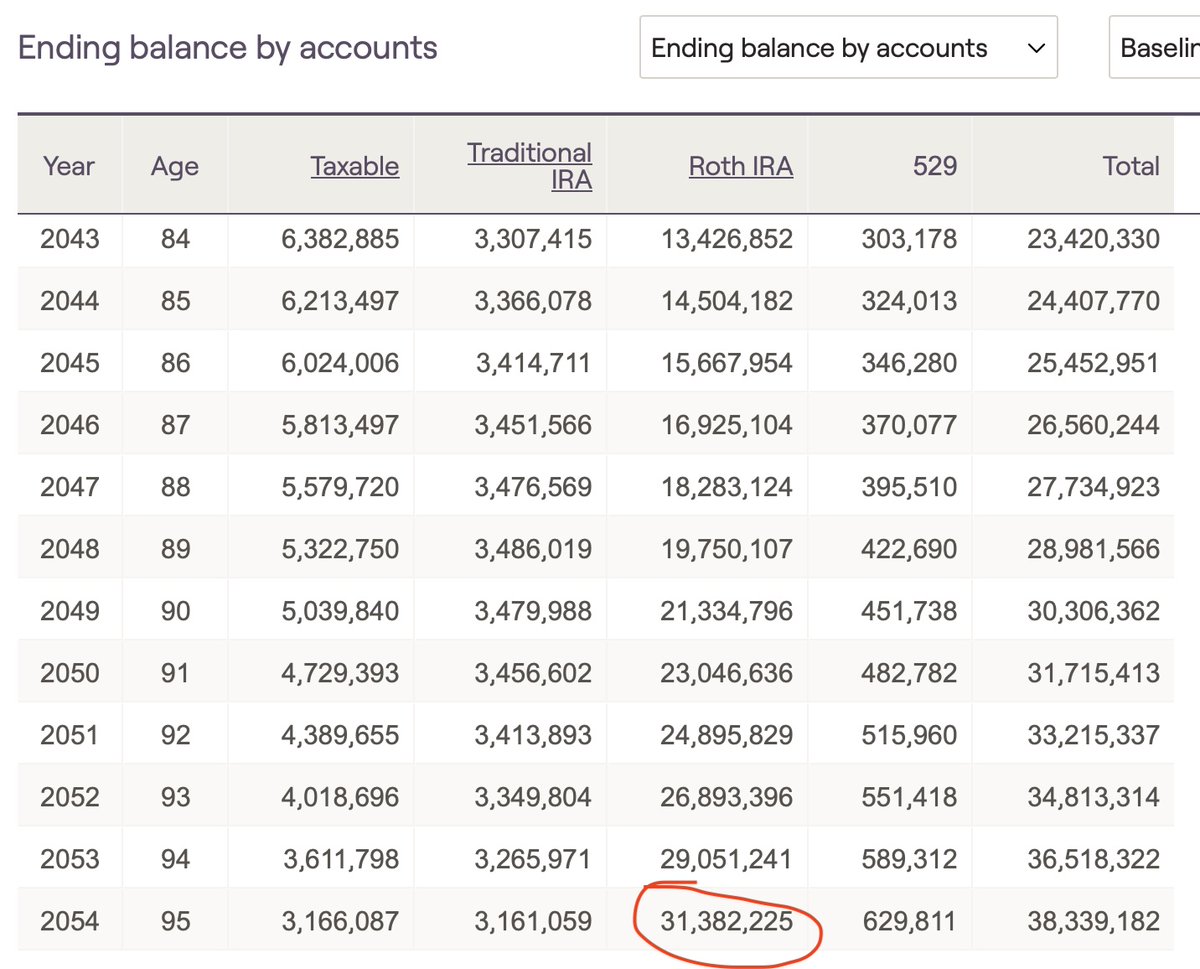
How to build a $31m Roth IRA balance We walked through the financial plan for a client this week with a $10m+ portfolio nearing retirement. While he’s still working, we’re doing a few powerful things: Avoiding capital gains tax on $1m sale of appreciated real estate with the tax-loss harvesting from a tax-aware long/short SMA Reducing income taxes with ordinary deductions from tax-aware hedge fund exposure That should save over $500k in taxes this year, but it’s nothing compared to what’s coming. Retirement is when we crank things up a notch. With $5m in pre-tax accounts (401k, IRA, cash balance plan) the game is on converting as much of that to Roth as we can tax efficiently. We expect ~ $600k of ordinary deductions each year from the tax-aware hedge funds, which allows us to convert large amounts into his Roth each year… without getting crushed on taxes. The result: Avoid the RMD trap that forces you into higher tax brackets later in life Create a tax-free pool of capital for large purchases (no tax consequences) Transfer significantly more wealth to the next generation (with another 10 years of tax-free growth for heirs) When you integrate tax-aware investing with financial planning, you’re not just optimizing returns… You’re changing the trajectory of your family’s wealth for generations.
Samuel Harnisch, CFA, CFP®️ tweet media
English
0
0
0
38
Samuel Harnisch, CFA, CFP®️
Samuel Harnisch, CFA, CFP®️@SamuelHarnisch·
Why “Tax the Rich” is such a dangerous political slogan California now has a proposed ballot initiative that would impose a one-time tax of up to 5% on certain billionaires and trusts. It’s not law today, but the proposal is real. People love to make fun of Ayn Rand (and yes, she had plenty of wild takes) but Atlas Shrugged got one thing right: You cannot build a sound system around extracting more and more from the people who produce the most. In California, the tax base is already incredibly concentrated. The top 1% of income earners pay nearly half of the state’s personal income tax. So what happens when the answer to every budget problem is to go after the rich again? Eventually, they leave. And when a state becomes heavily dependent on a very small number of high earners, that is not just a political risk. It is a fiscal risk. America once had no income tax. Then it had a modest one aimed at a narrow slice of high earners. Over time, the tax base widened and the logic expanded. That’s why I don’t take seriously the argument that this will only affect billionaires. Maybe at first. But tax thresholds have a habit of moving.
Samuel Harnisch, CFA, CFP®️ tweet media
English
0
0
0
25
Samuel Harnisch, CFA, CFP®️
Samuel Harnisch, CFA, CFP®️@SamuelHarnisch·
I met a guy who only invests in index funds Total clown. Instead of spending his time researching stocks, watching CNBC, and analyzing earnings reports, this guy just buys the entire global stock market—for a whopping 0.06% in fees. Pathetic. Even worse, because it’s an ETF, his portfolio is constantly rebalanced—adding the latest companies to go public without triggering any taxes. Where’s the thrill in that? And get this—he doesn’t even have to check when dividends are paid out. He automatically reinvest dividends, so cash doesn’t just sit around waiting for the next hot stock tip from Reddit. Oh, and let’s not forget: ✅ His trades are free ✅ He’s diversified across > 10k stocks ✅ And somehow, he still beats 90% of active stock pickers over time But who would want that? Where’s the fun in not stressing over stock picks, creating unnecessary taxes and transaction costs, or taking uncompensated risk?
English
0
0
0
32
Samuel Harnisch, CFA, CFP®️
Samuel Harnisch, CFA, CFP®️@SamuelHarnisch·
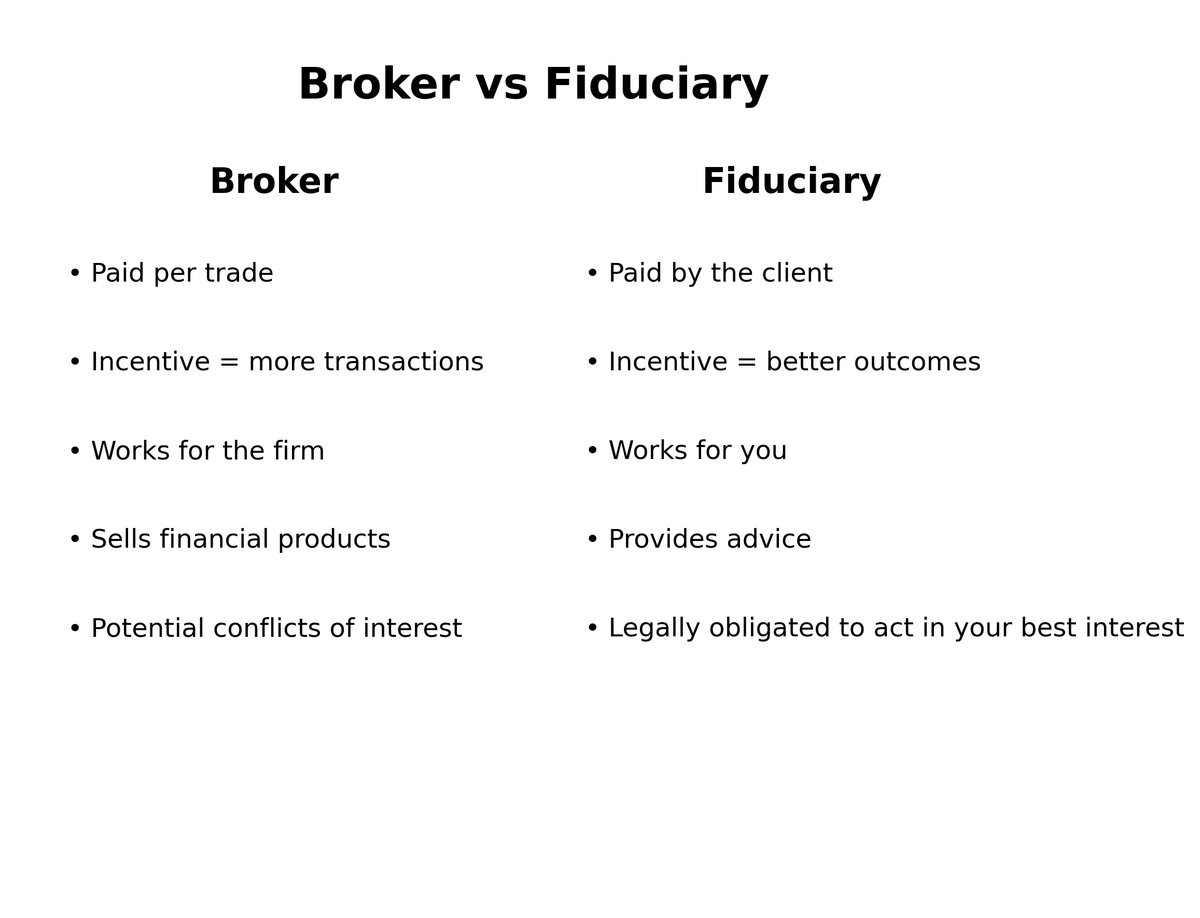
My great-grandmother’s “advisor” lost her fortune. Turns out he wasn’t an advisor at all. He was a broker. He got paid every time he placed a trade in her account. Over a few short years, he managed to trade her entire portfolio into his own pocket. The family money was gone. This story may sound extreme, but the underlying structure still exists today. Let me break it down. Brokers • Are primarily salespeople • Often get paid commissions by product providers • Represent issuers, not clients • Operate under a vague “best interest” standard • Commonly work for large banks and wirehouses Advisors (fiduciaries) • Are paid a transparent fee by you, the client • Provide personalized investment advice • Are legally obligated to act in your best interest • Exist to advise—not sell • Often emphasize holistic financial planning If you’re not sure how your current advisor is compensated, ask them one simple question: “Are you a fiduciary at all times—and how are you paid?” The answer might surprise you.
Samuel Harnisch, CFA, CFP®️ tweet media
English
0
0
0
31
Samuel Harnisch, CFA, CFP®️
Samuel Harnisch, CFA, CFP®️@SamuelHarnisch·
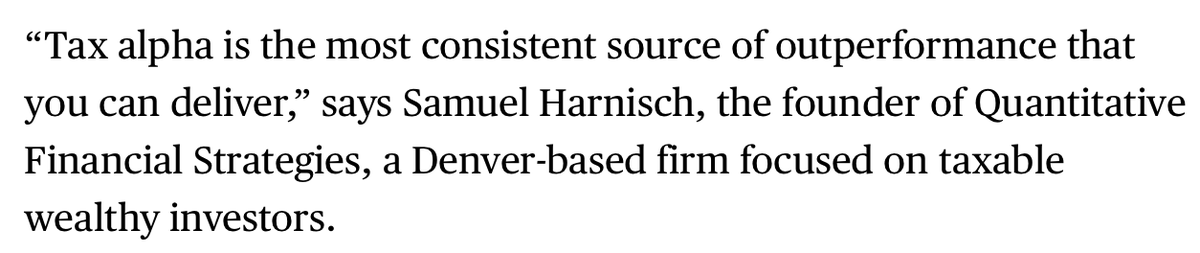
QFS was featured in Bloomberg! Over the past five years, there’s been a major shift in the investing landscape. Strategies that used to be reserved for the ultra‑wealthy and large institutions are now accessible to investors with roughly $5M+ portfolios. That means we can build tax‑efficient, diversified portfolios with exposure to things like private equity, hedge funds, and box spread loans. At the same time, we’re solving real tax problems for clients, including: • Planning Roth conversions to reduce future RMDs • High ordinary income from W‑2 compensation • Large tax bills from business sales • Concentrated stock positions • Financing at attractive rates This is the work I’m most excited about at QFS: Helping already‑successful families keep more of what they’ve built, with portfolios that are both more diversified and more tax‑efficient than what they typically have today. If you’re a taxable investor in that ~$5M+ range and want to see what this could look like for you, there’s a link on my profile to book a call.
Samuel Harnisch, CFA, CFP®️ tweet media
English
1
0
0
39
Samuel Harnisch, CFA, CFP®️
Samuel Harnisch, CFA, CFP®️@SamuelHarnisch·
If you’re new here, this is the one thing you should download. I’ve picked up a lot of new followers lately, so I want to resurface the comprehensive guide I built. It’s a deep dive into all the ways we can reduce taxes as high earners and investors. Inside the updated edition: • The latest changes under the OBBB and what they actually mean for after-tax returns • How tax-aware long/short SMAs harvest losses while maintaining market exposure • Advanced estate planning strategies we’re actually implementing with clients • Box spread loans explained in plain English • QSBS enhancements most investors (and many advisors) overlook • Private Placement Life Insurance (PPLI) as a tax and estate planning tool • Fresh case studies pulled from real client work I wrote it so a smart, busy person can read it and immediately see where they might be leaving money on the table. If you’re a high earner or someone with a meaningful taxable portfolio and haven’t grabbed it yet: 👉 Comment or DM me “guide” and I’ll send you the link. (If you already have it, this is your nudge to actually read it and circle 1–2 moves you could implement this year.)
Samuel Harnisch, CFA, CFP®️ tweet media
English
1
0
1
45
Samuel Harnisch, CFA, CFP®️
Samuel Harnisch, CFA, CFP®️@SamuelHarnisch·
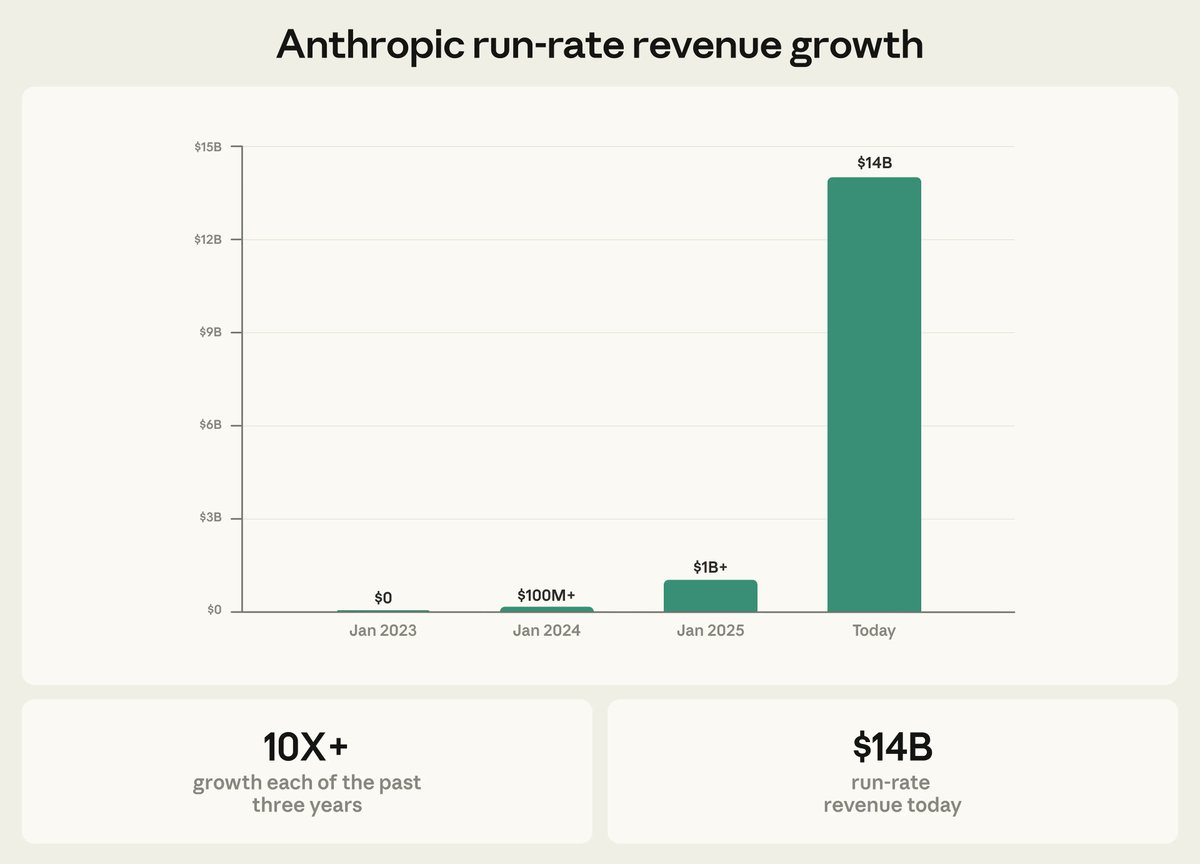
Why we invest in Anthropic from Roth IRAs The company has gone from roughly: $1B → $14B revenue run rate in ~14 months. Possibly the fastest revenue ramp in software history. Companies are embedding it into: coding legal workflows data analysis customer support internal automation Some reports suggest a single month of Anthropic revenue recently exceeded the annual revenue of entire large software companies like Snowflake and Databricks. That kind of explosive growth is something that is never seen in public markets By broadening the opportunity set and accessing private companies like Anthropic, we can build more diversified portfolios with exposure to hundreds of companies that are still private. And the best part about doing it out of a Roth IRA is that all of that upside is tax-free!
Samuel Harnisch, CFA, CFP®️ tweet media
English
0
0
0
48
Samuel Harnisch, CFA, CFP®️
Samuel Harnisch, CFA, CFP®️@SamuelHarnisch·
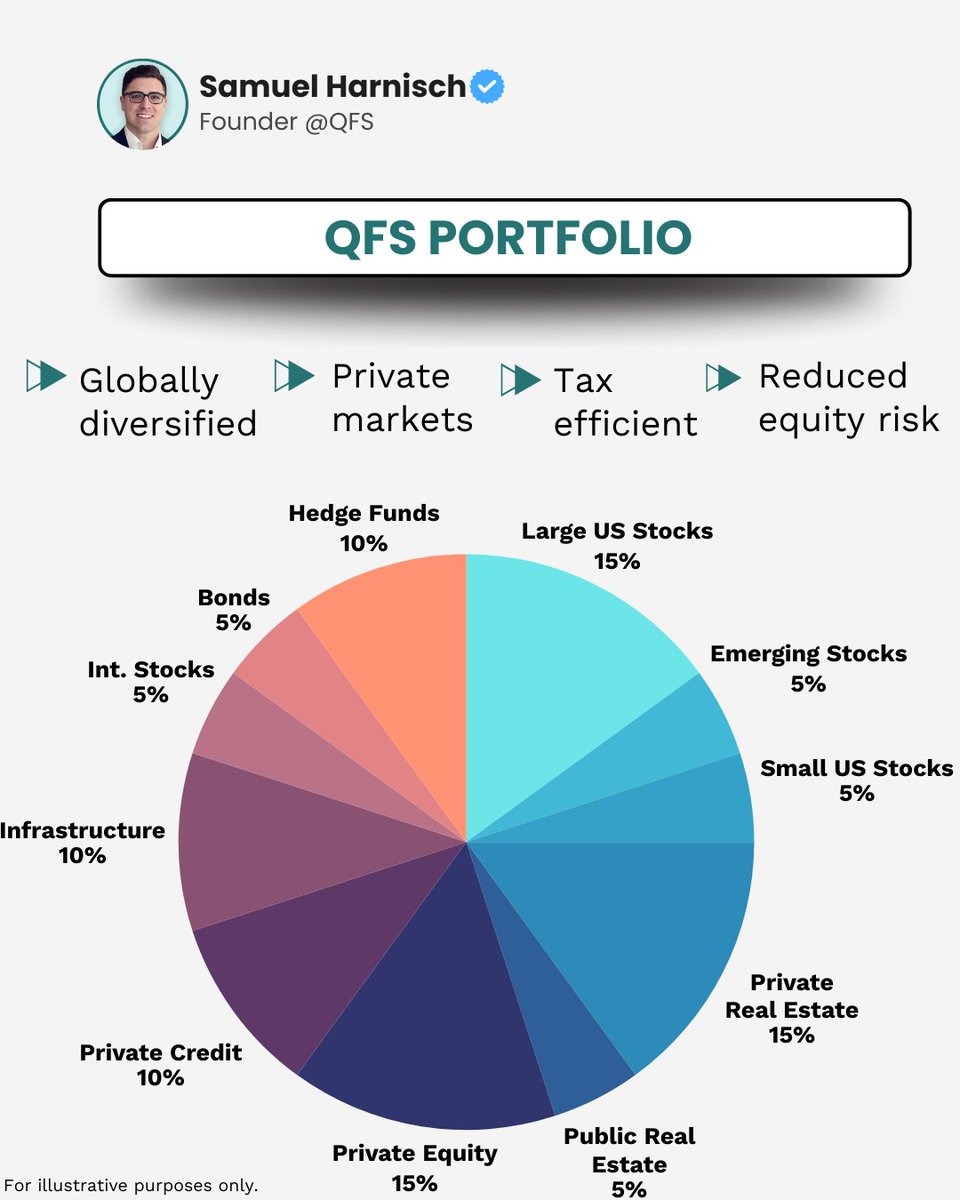
Some of the most successful people I work with did the exact opposite of diversification. They took massive concentration risk. A single company. A single business. A single bet. That concentration created millions. Now they’re switching gears. Our job is to turn that into a diversified, tax‑efficient, compounding machine. You don’t need another big gamble. You need a portfolio with exposure to dozens of risk drivers and little‑to‑no idiosyncratic risk. A company goes bankrupt? A tenant stops paying rent? Inflation spikes? We don’t care. We have exposure to: ~10,000 public stocks ~10,000 public bonds 50,000+ public real estate properties 4,500+ private real estate properties 100+ private companies 10,000+ private loans Multiple uncorrelated hedge fund strategies Some of the largest infrastructure platforms in the world That way, your portfolio can perform when: stocks go up stocks go down interest rates rise interest rates fall inflation spikes That’s the power of true diversification. If you used concentration to get rich, it might be time to use diversification and tax efficiency to stay rich.
Samuel Harnisch, CFA, CFP®️ tweet media
English
0
0
0
38
Samuel Harnisch, CFA, CFP®️
Samuel Harnisch, CFA, CFP®️@SamuelHarnisch·
Buying real estate just got MUCH easier - thanks to hybrid mortgages For too long, consumers have been forced to pay fees, commissions, and spreads that aren’t necessary. If you have investable assets, there’s a massive options market waiting to be tapped for cheap, flexible, and transparent borrowing. Here’s how you do it: • Take part of your mortgage the traditional way • Borrow the other part via a synthetic loan (box spread) at near-Treasury rates. • Blend the two for a far lower “hybrid” rate. Example: • Bank mortgage rate: 6.2% (tax-deductible under $750k) • Box spread loan rate: 3.8% (tax-deductible) • Split 50/50 = Blended rate of 5% with no junk fees or commissions. For buyers looking at mortgages over $750k, this strategy means you can: ✅ Max out deductible mortgage interest ✅ Stack capital loss deductions on top ✅ Keep your portfolio compounding while you finance your home at a lower rate
Samuel Harnisch, CFA, CFP®️ tweet media
English
0
0
0
29