
Sandgaard Foundation

3.6K posts

Sandgaard Foundation banner
Sandgaard Foundation

Sandgaard Foundation

@SandgaardFnd

The Sandgaard Foundation is fighting the opioid crisis head-on by preventing overdoses, reducing addiction, addiction stigma, & supporting victim's families.

USA Katılım Aralık 2018
232 Takip Edilen843 Takipçiler
Sandgaard Foundation
Sandgaard Foundation@SandgaardFnd·
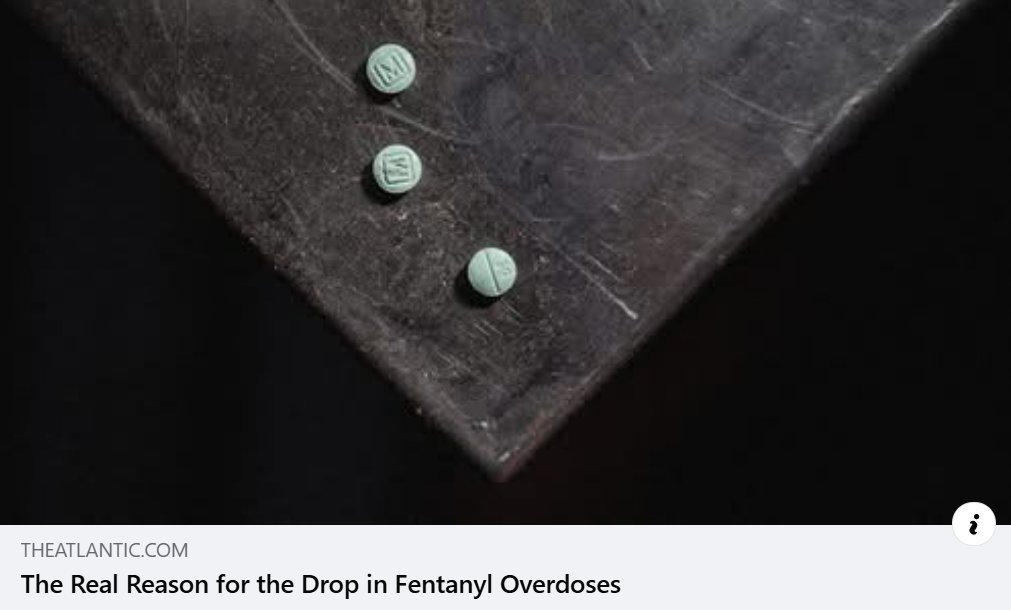
Overdose deaths are finally falling in the U.S. and Canada — but the most uncomfortable question is why. A new analysis suggests the decline may have little to do with policy, enforcement, or even harm-reduction efforts — and far more to do with a sudden fentanyl supply shock. Key takeaways worth sitting with: -- After two decades of relentless increases, overdose deaths began dropping sharply in 2023 -- U.S. drug deaths fell from nearly 113,000 to roughly 73,000 in two years -- Canada saw a similar decline despite very different drug policies -- Street fentanyl purity dropped by ~50% at the same time deaths fell -- DEA seizures slowed not because of better enforcement, but because there was less fentanyl to seize -- Drug-user forums began openly discussing a “fentanyl drought” — a real-time signal of supply collapse -- The most plausible cause may be upstream: a crackdown on fentanyl precursor chemicals abroad The implication is sobering. Deaths may be down not because we solved the crisis — but because supply temporarily tightened beyond North America’s control. That means two things can be true at once: -- This decline has saved tens of thousands of lives -- It may be fragile, reversible, and largely accidental History shows that when supply returns, risk returns — often worse than before due to lost tolerance and substitution with even more dangerous substances. If there is a window here, it is this: -- Fewer people are actively using -- More people reachable -- More opportunity to move individuals into real treatment and recovery If we mistake this moment for victory, we will waste it. If we treat it as a warning — and act accordingly — we may finally change the trajectory. Learn more here: theatlantic.com/ideas/2026/01/…
Sandgaard Foundation tweet media
English
0
0
2
93
Sandgaard Foundation
Sandgaard Foundation@SandgaardFnd·
Six puppies in rural Washington were recently revived after suspected opioid exposure. Yes — puppies. Firefighters administered naloxone, provided oxygen, and even performed CPR. Within minutes, tails were wagging. This story is heartwarming, but it is also deeply unsettling. -- Fentanyl contamination is now so pervasive that even animals are at risk -- First responders are increasingly using naloxone beyond human emergencies -- Opioid exposure is no longer an abstract crisis — it is present in homes, cars, and communities -- Harm reduction tools save lives, whether that life has two legs or four The puppies are expected to be adopted soon, possibly by the very firefighters who saved them. Their survival is a win. But the larger takeaway is sobering: when pets are overdosing, the problem is no longer confined to “someone else.” This is why access to naloxone matters. This is why education matters. This is why we have to keep talking about it. Lives depend on it — sometimes in the most unexpected ways. Learn more here: abcnews.go.com/US/wireStory/6…
Sandgaard Foundation tweet media
English
0
1
2
107
Sandgaard Foundation
Sandgaard Foundation@SandgaardFnd·
Now is the time to turn up the volume. To speak openly about opioid use disorder, to collaborate across disciplines, and to rethink how we understand and treat pain. A powerful example is emerging from Indiana, where music therapy is being integrated into outpatient opioid recovery with promising results. -- Researchers at Indiana University Indianapolis received a $310,000 State Opioid Response Grant to expand a community-based music therapy program supporting people recovering from chronic opioid use disorder -- The program partners directly with outpatient treatment centers, embedding music therapy alongside medication-assisted recovery rather than separating “clinical” and “holistic” care -- Sessions are designed to help restore impulse control, reduce shame, and reconnect participants with healthy sources of calm, pleasure, and self-regulation -- Early participants reported meaningful improvements in calmness, hopefulness, self-kindness, and readiness to cope with stress -- This is among the first U.S. research efforts focused on music therapy within outpatient opioid treatment settings, helping fill a major gap in addiction care research -- The program is expanding to additional high-need communities and developing specialized protocols for pregnant and postpartum women in recovery -- Participants describe the sessions as non-judgmental, grounding, and critical to staying engaged in recovery beyond the clinic setting This work reinforces what we believe at The Sandgaard Foundation: recovery is not one-dimensional. Addressing opioid use disorder requires evidence-based medicine, community partnership, and innovative approaches that restore dignity, connection, and hope. Ending the opioid epidemic means changing the conversation around pain — and supporting solutions that treat the whole person. Learn more here: news.iu.edu/live/news/4833…
Sandgaard Foundation tweet media
English
0
0
2
36
Sandgaard Foundation
Sandgaard Foundation@SandgaardFnd·
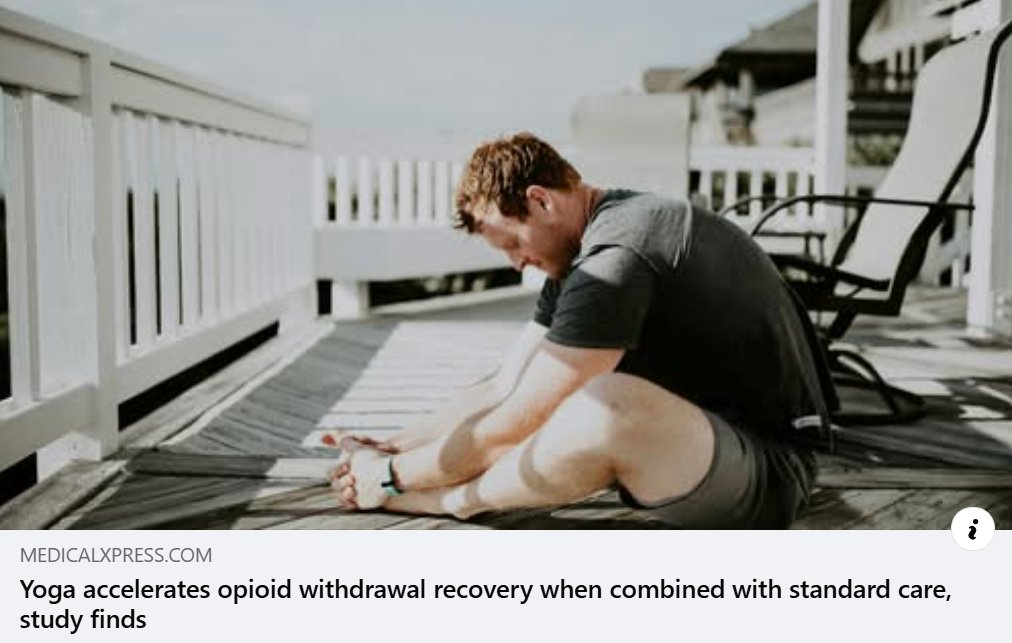
🧘‍♂️ Yoga as a Clinical Adjunct in Opioid Withdrawal Recovery A new study published in JAMA Psychiatry adds compelling evidence that yoga can meaningfully accelerate opioid withdrawal recovery when combined with standard medical care. Opioid use disorder is marked by high relapse rates, particularly during withdrawal. One underappreciated driver is autonomic nervous system dysregulation — an overactive fight-or-flight response that fuels anxiety, cravings, sleep disruption, and relapse risk. Key findings from the study: -- Yoga added to standard buprenorphine treatment shortened median withdrawal recovery from 9 days to 5 days -- Participants practicing yoga showed significant improvements in heart rate variability (HRV), a key marker of restored autonomic balance -- The yoga group fell asleep 61 minutes faster on average, with meaningful improvements in anxiety and pain perception -- Increased parasympathetic (rest-and-digest) activity explained 23% of yoga’s impact on faster recovery Importantly, this intervention does not replace evidence-based medication. Instead, it addresses a gap that medications alone do not fully resolve: restoring the body’s core regulatory systems during the most vulnerable phase of recovery. By shortening the withdrawal window — when dropout and relapse risk are highest — integrative approaches like yoga may improve retention and long-term outcomes. This study reinforces a broader point: effective addiction treatment is not only about suppressing symptoms, but about retraining the nervous system to tolerate stress, regulate cravings, and recover resilience. Encouraging findings — and a strong case for integrating mind–body therapies into evidence-based addiction care. Learn more here: medicalxpress.com/news/2026-01-y…
Sandgaard Foundation tweet media
English
0
0
2
52
Sandgaard Foundation
Sandgaard Foundation@SandgaardFnd·
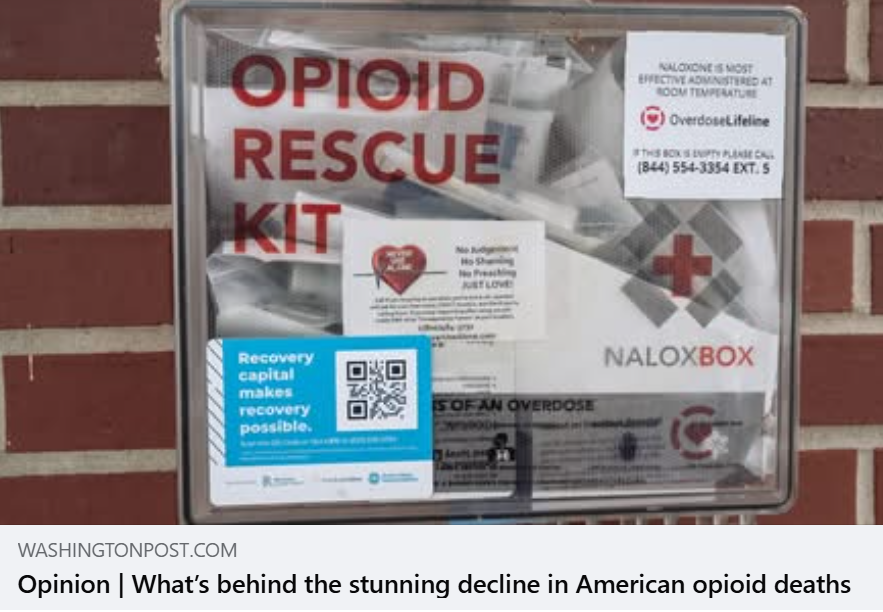
📉 A Rare Win in the Fight Against the Opioid Crisis Recent research points to a meaningful decline in U.S. opioid-related deaths over the past two years. A recent opinion piece explores a compelling explanation: a significant disruption in the supply of illicit fentanyl, the synthetic opioid responsible for the vast majority of overdose fatalities. Key takeaways: -- Supply disruption appears to be a major driver. Indicators such as reduced fentanyl purity, fewer seizures, and widespread reports of a “fentanyl drought” suggest a real contraction in availability. -- Parallel declines in Canada reinforce the theory. Despite different treatment and harm-reduction policies, both countries experienced synchronized drops in overdose deaths, pointing to a shared supply-side shock rather than policy alone. -- Upstream global factors may matter more than we think. Crackdowns on precursor chemicals and international supply chains appear to be influencing outcomes far beyond U.S. borders. This does not diminish the importance of treatment access, recovery services, naloxone distribution, or prevention. But it does underscore an often-underappreciated reality: supply dynamics matter and can move the needle quickly at scale. Encouraging progress, yes — but fragile. Sustaining it will require continued investment in public health, data transparency, harm reduction, and international cooperation. Curious how others view the balance between supply-side disruption and long-term demand-side solutions in addressing the overdose crisis. Learn more here: washingtonpost.com/opinions/2026/…
Sandgaard Foundation tweet media
English
0
0
1
37
Sandgaard Foundation
Sandgaard Foundation@SandgaardFnd·
As we welcome the New Year, we want to pause and reflect with gratitude. The past year reinforced what we already know to be true: meaningful change requires persistence, collaboration, and a willingness to confront hard realities head-on. At the Sandgaard Foundation, our work addressing the opioid crisis, supporting prevention, education, and recovery, and advocating for smarter, more compassionate solutions would not be possible without the dedication of our partners, advocates, and communities across the country. In the year ahead, our commitment remains clear. We will continue to elevate awareness, support evidence-based interventions, and push for durable solutions that save lives and strengthen families. Thank you to everyone who stood with us this past year. We look forward to building momentum together in 2026. Wishing you and your loved ones a healthy, hopeful, and impactful New Year. The Sandgaard Foundation
Sandgaard Foundation tweet media
English
0
0
4
72
Sandgaard Foundation
Sandgaard Foundation@SandgaardFnd·
A new analysis published in BMJ Evidence-Based Medicine raises important questions about the widespread use of tramadol for chronic pain. Tramadol has long been viewed as a “safer” or less addictive alternative to other opioids. However, after reviewing 19 randomized clinical trials involving more than 6,500 patients, researchers found: • Pain relief from tramadol was minimal and below clinically meaningful thresholds • Patients experienced a higher rate of adverse events compared to placebo • Serious risks were largely cardiovascular, including chest pain, coronary artery disease, and heart failure • Overall, the harms may outweigh the benefits for chronic pain treatment This matters because tramadol is often prescribed with good intentions — as a way to avoid stronger opioids. Yet the evidence increasingly suggests that “weaker” does not necessarily mean safer. Chronic pain is real, complex, and deserves effective treatment. But this study reinforces a critical point: we must continually reassess long-standing prescribing assumptions and prioritize evidence-based, patient-centered approaches — including non-opioid and non-pharmacologic options where appropriate. Patients should never stop opioid medications abruptly and should always consult their physician before making changes. At the same time, clinicians, policymakers, and advocates must stay grounded in data — even when it challenges conventional wisdom. Evidence should guide care. Lives depend on it.
Sandgaard Foundation tweet media
English
0
0
2
106
Sandgaard Foundation
Sandgaard Foundation@SandgaardFnd·
As we close out 2025, we pause to reflect on the lives lost, the families impacted, and the work that still lies ahead in addressing the opioid epidemic. This year reinforced a difficult truth: the crisis is not abstract. It is personal. It affects parents, children, friends, and entire communities. Behind every statistic is a human story, and behind every loss is a family forever changed. At The Sandgaard Foundation, our mission remains clear: to support awareness, prevention, and compassionate solutions that save lives and honor those we’ve lost. We are grateful to the advocates, first responders, healthcare professionals, researchers, and community leaders who continue to show up every day with urgency and empathy. To the families who shared their stories with courage and vulnerability, thank you for trusting us. Your voices matter, and they continue to drive this work forward. As we enter the new year, we remain committed to action, accountability, and collaboration. The work is far from over, but together, progress is possible. Thank you to everyone who stood with us this year. — The Sandgaard Foundation Learn more here: SandgaardFoundation.org
Sandgaard Foundation tweet media
English
0
0
2
34
Sandgaard Foundation
Sandgaard Foundation@SandgaardFnd·
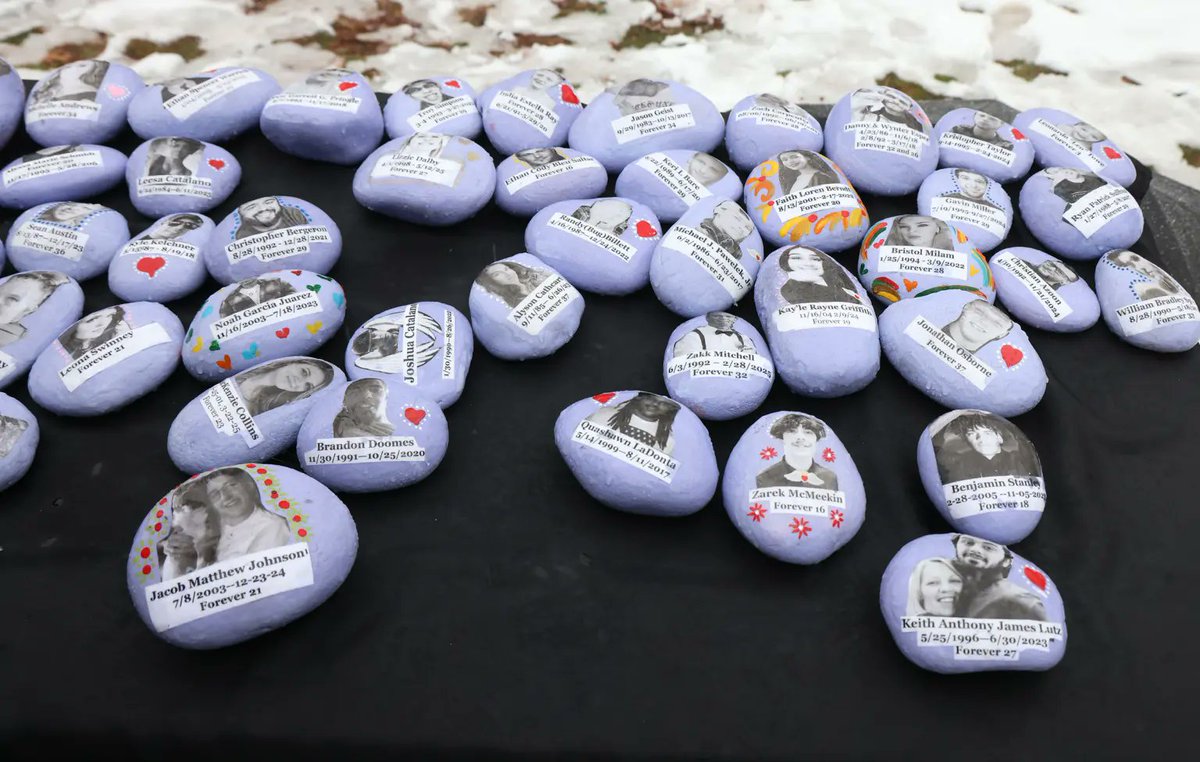
More than 100 lives lost to the opioid epidemic were honored this week on Long Island through the Purple Rock Project, a powerful community-driven memorial. At the Suffolk County Environmental Center in Islip, each victim was represented by a purple rock painted with their name and image, placed beneath an “angel tree” as families gathered in remembrance. The project was founded by Carole Trottere, who lost her son to fentanyl poisoning. Her mission is simple but profound: ensure those lost to overdose are remembered by name and that grieving families know they are not alone. Victims honored ranged in age from just three years old to adults, highlighting the devastating and indiscriminate reach of the opioid crisis. Families from more than 30 states participated, many sharing that the tribute brought a sense of comfort, healing, and connection during unimaginable loss. This memorial is a reminder that behind every statistic is a human story and that compassion, remembrance, and community remain critical parts of addressing the opioid epidemic. Learn more here: nypost.com/2025/12/29/us-…
Sandgaard Foundation tweet media
English
1
1
3
84
Sandgaard Foundation
Sandgaard Foundation@SandgaardFnd·
The #Opioid Crisis Never Ended. It Was Inherited by the Children. The New York Times focuses on West Virginia communities where children are growing up in the long shadow of the opioid epidemic. Years after prescription practices changed and lawsuits were settled, the consequences are still unfolding in classrooms, hospitals, and homes. The story documents children born with neonatal abstinence syndrome, grandparents raising grandchildren after parents were lost to addiction, incarceration, or death, and rural healthcare providers struggling to meet needs with limited resources. It highlights how addiction is not just a public health issue but a multigenerational trauma that reshapes entire communities. What stands out most is how invisible this crisis has become outside Appalachia. While national attention has shifted, families are still navigating withdrawal in newborns, gaps in mental health care, and systems never designed to support children carrying this level of burden. This is not a story about the past. It is a reminder that recovery is measured not in years, but in generations, and that meaningful solutions must account for children who are growing up inside the consequences of policy failures, corporate misconduct, and chronic underinvestment in rural health and social services. If we are serious about addressing the opioid epidemic, we cannot stop at prevention and enforcement. We must invest in long-term recovery, family stability, and child-centered support, especially in communities that have already paid the highest price. Learn more here: nytimes.com/interactive/20…
Sandgaard Foundation tweet media
English
0
0
2
54
Sandgaard Foundation
Sandgaard Foundation@SandgaardFnd·
The opioid crisis is not abstract. It has names, faces, and stories like Michael Murdocco’s. Once an honor-roll student, Michael’s descent into addiction began with a workplace injury and a legally prescribed opioid regimen that spiraled out of control. At one point, he was prescribed 240 oxycodone pills per month by a doctor later convicted for operating a massive opioid distribution ring. What started as pain management became physical dependency, then heroin, overdoses reversed by naloxone, and years of survival mode rather than living. Michael’s story exposes a hard truth about the opioid epidemic: for many, addiction did not start with illicit drugs, but with overprescription, weak safeguards, and a system that normalized dependency. When the pills ran out, heroin was cheaper and easier to access. The path was predictable, and tragically common. Today, Michael is sober. He committed fully to recovery after multiple near-death experiences, intensive treatment, and the support of family and community advocates. He now speaks openly about addiction to break stigma and help others find a way out. His journey is a reminder that recovery is possible, but prevention matters just as much. Accountability in prescribing, access to treatment, harm-reduction tools like naloxone, and strong support networks are essential if we are serious about addressing the opioid crisis. Stories like this should push us beyond awareness and toward action. Learn more here: silive.com/news/2025/12/h…
Sandgaard Foundation tweet media
English
0
0
2
76
Sandgaard Foundation
Sandgaard Foundation@SandgaardFnd·
A Bradenton mother who lost her 24-year-old daughter to fentanyl poisoning is speaking out in support of a new federal move to classify fentanyl as a weapon of mass destruction, a designation intended to reflect the drug’s extraordinary lethality and mass-casualty potential. Nanette Cobb lost her daughter, Nicolette, after she unknowingly took a single pill laced with fentanyl. One pill. One time. It was fatal. Medical experts note that just two nanograms of fentanyl can be lethal, underscoring how even trace amounts can instantly take a life. For Cobb, the classification is more than symbolic. She believes it elevates the urgency of the crisis, strengthens enforcement tools, and signals that fentanyl trafficking should be treated as a national security threat, not just a criminal justice issue. Her hope is simple: that fewer families experience the irreversible loss she now lives with every day. Local law enforcement echoed both the scale and complexity of the problem. The Manatee County Sheriff’s Office seized $1.4 million worth of fentanyl in a single bust this year, an amount officials said could have killed millions. At the same time, county data shows encouraging progress, with overdoses down 41% and overdose deaths down 29% in 2025, suggesting that enforcement, prevention, and supply-side disruption can make a measurable difference. Still, fentanyl remains the leading contributor to overdose deaths, and officials caution that traffickers continually adapt. The fight is far from over. This story is a powerful reminder that behind every policy decision, statistic, or seizure is a human life and a family forever changed. Addressing the fentanyl crisis requires strong enforcement, accountability, prevention, treatment access, and sustained public attention. Most importantly, it requires recognizing the true scale of harm this drug inflicts. Stories like Nicolette’s should never be forgotten. They should drive action. Learn more here: baynews9.com/fl/tampa/news/…
Sandgaard Foundation tweet media
English
0
0
2
47
Sandgaard Foundation
Sandgaard Foundation@SandgaardFnd·
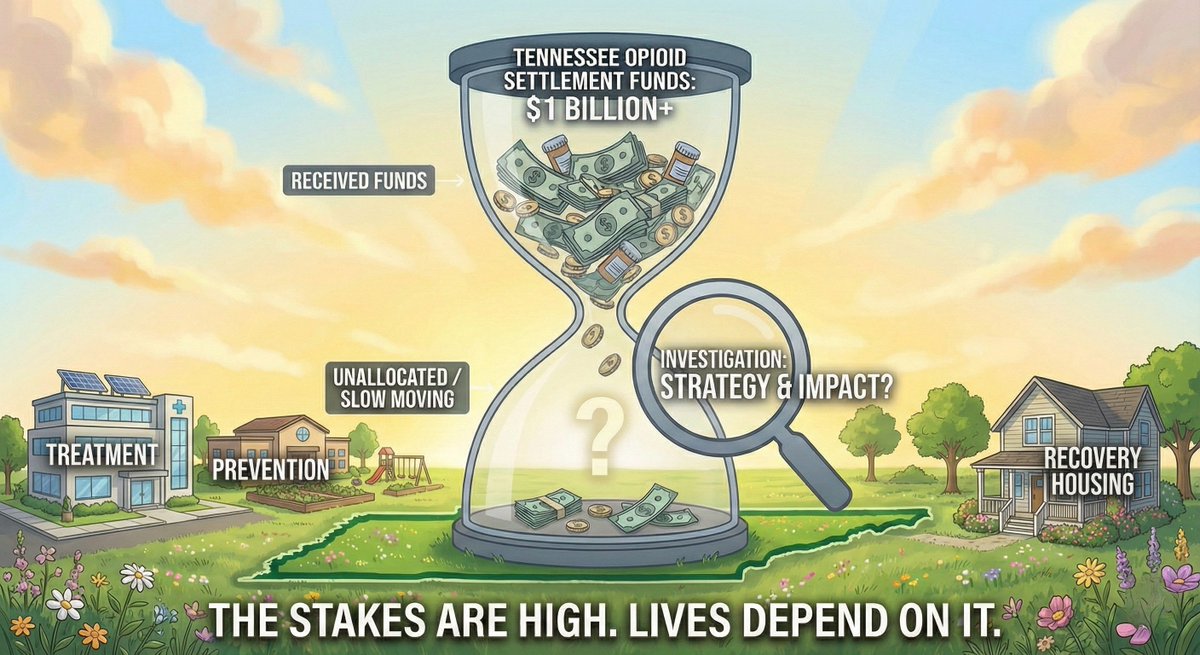
Tennessee is poised to receive more than $1 billion in #opioid settlement funds, money intended to help communities prevent overdoses, expand treatment access, and address the long-term harm caused by the opioid epidemic. However, a recent Tennessean investigation raises serious questions about whether those dollars are being deployed strategically, transparently, and with measurable impact. According to the reporting, large portions of the settlement funds are moving slowly or remain unallocated, while the state continues to experience high overdose rates and persistent gaps in treatment, recovery housing, and prevention services. Advocates and experts warn that without clearer guardrails, stronger oversight, and outcome-driven planning, the funds risk being absorbed into general spending rather than targeted toward evidence-based solutions. The stakes are high. Opioid settlement money represents a once-in-a-generation opportunity to build sustainable systems for addiction treatment, harm reduction, and recovery support. But success depends on accountability, transparency, and a willingness to prioritize programs proven to save lives, especially in rural and underserved communities. This reporting is an important reminder that how opioid settlement dollars are spent matters just as much as how much money is received. States that fail to track outcomes, engage community stakeholders, and publicly report progress risk repeating the same mistakes that allowed the crisis to deepen in the first place. Responsible stewardship of these funds is not optional. Lives depend on it. Learn more here: tennessean.com/story/news/inv…
Sandgaard Foundation tweet media
English
0
0
2
25
Sandgaard Foundation
Sandgaard Foundation@SandgaardFnd·
Philadelphia’s Riverview Wellness Village: A New Model for Recovery-Focused Housing Philadelphia’s city-operated Riverview Wellness Village — opened nearly one year ago as part of Mayor Cherelle L. Parker’s strategy to address the opioid crisis — is showing meaningful progress as a recovery residence for people exiting intensive addiction treatment. Located on a 20-acre campus in Northeast Philadelphia, Riverview now houses more than 200 residents, many of whom previously lived on the streets of Kensington. The facility brings medical care, mental health services, therapy, job training, and daily support together in one place, creating a setting that feels more like a supportive community than a clinical institution. A major improvement this year has been on-site access to medication-assisted treatment, removing the need for residents to travel off-campus for essential medications and reducing the risk of relapse. Philadelphia is now planning to expand the model, including the possibility of adding a new building to more than double capacity. Advocates say Riverview is emerging as a blueprint for cities seeking to close gaps in the continuum of addiction care and provide stable, recovery-oriented housing for people who need it most. Learn more here: inquirer.com/politics/phila…
Sandgaard Foundation tweet media
English
0
0
2
102
Sandgaard Foundation
Sandgaard Foundation@SandgaardFnd·
Expanding Access to Opioid Treatment Requires More Than Telemedicine Reform New research from Professor Benjamin A. Barsky of UC Law San Francisco highlights a critical truth in the fight against opioid addiction: policy changes alone are not enough if structural barriers remain in place. COVID-19 temporarily opened the door to more flexible telemedicine rules, allowing clinicians to initiate treatment for opioid use disorder (OUD) through virtual visits. For many patients, especially those who struggle to access in-person care, this was a lifeline. But Barsky’s work shows that not everyone benefited equally. Access still depends on factors such as: • Reliable technology and internet access • Pharmacies willing and able to dispense medications like buprenorphine • State-level restrictions that re-imposed limits even after federal flexibilities expanded His research underscores a deeper point: overlapping systems of criminalization, federalism, and technology continue to shape who gets care — and who is left behind. Barsky calls for a broader agenda that: • Expands and normalizes telemedicine for OUD treatment • Reduces unnecessary legal and regulatory barriers • Ensures clinicians are trained and supported to use these tools • Confronts the criminalization and marginalization of people who use drugs This is exactly the type of systems-level thinking the opioid crisis requires. Improving access to lifesaving treatment means addressing not only health policy, but also the legal, social, and structural forces that shape health outcomes for vulnerable populations. For those of us working in harm reduction, healthcare, and community response, this research from UC Law San Francisco is a powerful reminder: expanding access is not only a medical issue — it is a policy and justice issue. Learn more here: uclawsf.edu/2025/12/10/pro…
Sandgaard Foundation tweet media
English
0
0
2
31
Sandgaard Foundation
Sandgaard Foundation@SandgaardFnd·
Supporting Veterans Through Harm Reduction: A Lifesaving Approach Today and every day, we honor the Veterans impacted by substance use and overdose — and we recognize the lifesaving work happening across the VA to keep them safe, supported, and connected to care. At the Jesse Brown VA, leaders and harm reduction teams are implementing compassionate, evidence-based strategies that meet Veterans where they are. Harm reduction acknowledges a simple truth: even when someone isn’t ready or able to stop using drugs, their life still matters — and they deserve tools that reduce risk and build trust. The VA’s harm reduction programs provide: - Sterile syringes and safer injection supplies - Naloxone kits and overdose prevention education - Fentanyl test strips to prevent accidental overdoses - Testing and treatment for HIV, hepatitis C, and STIs - Buprenorphine and other medications for opioid use disorder - PrEP to help prevent HIV A non-judgmental care environment that reduces stigma and encourages engagement These efforts help Veterans stay safe, stay connected, and move toward healthier, more stable lives — one positive step at a time. Harm reduction is not about enabling drug use. It’s about preventing death, promoting dignity, and ensuring every Veteran has a chance to heal. If you or a Veteran you know needs support, VA harm reduction services and enrollment resources are available. Learn more here: va.gov/chicago-health…
Sandgaard Foundation tweet media
English
0
0
1
25
Sandgaard Foundation
Sandgaard Foundation@SandgaardFnd·
The DEA just launched a major new initiative — Fentanyl Free America — aimed at dismantling the synthetic opioid supply chain and saving lives. Fentanyl claimed nearly 50,000 American lives last year, but new national enforcement and education efforts are showing signs of progress. Key takeaways: • The DEA seized 45M fentanyl-laced pills and 9,320 lbs of fentanyl powder this year — enough for 347M lethal doses. • The proportion of fentanyl pills containing a deadly dose has dropped from 76 percent to 29 percent in two years. • Fentanyl deaths have declined to levels not seen since early 2020. • Cartels like Sinaloa and CJNG are shifting tactics, increasing domestic pill production as international pressure rises. • October operations alone seized over 1M counterfeit pills, massive quantities of meth and cocaine, pill press machines, firearms, and nearly $29M in cash. The campaign pairs aggressive enforcement with public education, urging communities, schools, faith leaders, and health professionals to help raise awareness. Free resources are available at dea.gov/fentanylfree. Since 2021, nearly 325,000 Americans have died from synthetic opioids. Progress is happening — but the fight isn’t over. We all have a role to play in building a safer, fentanyl-free America. Learn more here: vvng.com/dea-launches-f…
Sandgaard Foundation tweet media
English
0
0
1
33
Sandgaard Foundation
Sandgaard Foundation@SandgaardFnd·
The college opioid crisis: The growing struggle many campuses can’t ignore A new report from Penn State Lehigh Valley found that nearly one-third of students know someone who has overdosed. Behind the numbers is a troubling trend — stress, anxiety, financial pressure, and untreated mental health challenges are pushing more college students into opioid misuse. Nationwide, 59 percent of college students have considered dropping out due to financial strain. These pressures often build into depression, and too many students turn to substances as a way to cope. Yet the support gap is staggering: while 82.8 percent of students with opioid addiction say they need emotional or mental health help, less than half ever receive it. Many simply don’t know where to go, and far too many feel completely alone. The solution starts with education and accessible support. Some campuses, like CSU East Bay, are stepping forward with expanded counseling services, safe spaces, and community clinics. But we need more colleges to empower students with resources, peer-support training, and early intervention. Opioid addiction doesn’t have to be part of the college experience. With better awareness, stronger mental health systems, and open conversations, we can change the trajectory for an entire generation. Learn more here: pleasantonweekly.com/alameda-county…
Sandgaard Foundation tweet media
English
0
0
1
126
Sandgaard Foundation
Sandgaard Foundation@SandgaardFnd·
Overlooked During the Opioid Crisis: A New Warning Sign in Maine’s Aging Population A new investigation from The Maine Monitor reveals a troubling shift in the opioid epidemic: older adults in Maine are increasingly struggling with addiction, a trend that has gone largely unnoticed. 🔹 Medicare patients 65+ receiving buprenorphine treatment rose 70 percent between 2019 and 2023 🔹 Providers are seeing more older adults using fentanyl, not just prescription opioids 🔹 Older Mainers now face unique risks – isolation, stigma, chronic pain, housing instability, and complex health challenges 🔹 Yet they remain a small share of overdose cases, meaning their struggles often stay hidden 🔹 Nursing homes and assisted-living facilities are often unequipped to treat opioid use disorder, leaving many without proper care 🔹 National data shows overdose deaths among adults 55+ have risen threefold in a decade, with fentanyl-related deaths increasing dramatically Frontline teams in Maine are sounding the alarm: as the population ages, this problem will grow. Older adults need age-specific outreach, treatment access, and stigma-free support — especially as many still suffer in silence. At The Sandgaard Foundation, we believe no age group should be overlooked. This story is a reminder that the opioid crisis is evolving, and our compassion and solutions must evolve with it. Learn more here: pressherald.com/2025/11/30/ove…
Sandgaard Foundation tweet media
English
0
0
1
92